
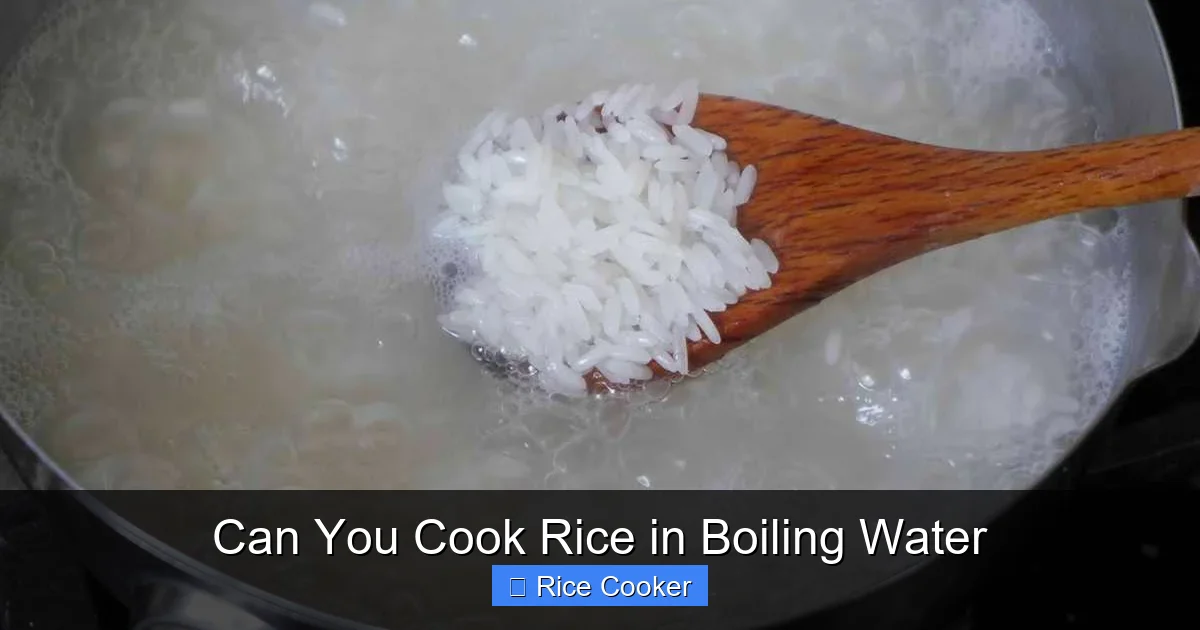
You absolutely can cook rice in boiling water, and it’s one of the most reliable methods for achieving fluffy, evenly cooked grains. Unlike some myths suggest, boiling isn’t messy or inefficient—when done right, it produces consistent results across a wide range of rice types. Whether you’re cooking jasmine, basmati, brown rice, or wild rice, using boiling water ensures even heat distribution and helps prevent undercooked or mushy rice.
Key Takeaways
- Boiling water is effective for cooking rice—it’s a time-tested method that works well for many rice varieties when used correctly.
- Proper water-to-rice ratio is essential—too much water leads to soggy rice; too little leaves it dry and hard.
- Different rice types require different cooking times—white rice cooks faster than brown or wild rice, so timing matters.
- Using a lid traps steam, improving moisture retention—this helps the rice cook evenly and absorb water properly.
- Resting rice after cooking enhances texture—letting it sit covered for 5–10 minutes allows steam to redistribute.
- Stirring once during cooking can prevent sticking—but avoid frequent stirring, which releases starch and makes rice gummy.
- Boiled rice can be reheated safely—just add a splash of water and cover to revive leftover grains.
📑 Table of Contents
- Can You Cook Rice in Boiling Water? The Truth Behind This Kitchen Staple
- Why Boiling Water Works for Cooking Rice
- Choosing the Right Rice for Boiling Water
- Step-by-Step Guide: How to Cook Rice in Boiling Water
- Common Mistakes to Avoid When Boiling Rice
- Tips for Perfect Boiled Rice Every Time
- How Boiling Water Compares to Other Cooking Methods
- Special Considerations: Dietary Needs and Rice Types
- Troubleshooting: What If My Rice Doesn’t Turn Out Right?
- The Future of Rice Cooking: Beyond the Stovetop
- Conclusion: Mastery Through Practice
Can You Cook Rice in Boiling Water? The Truth Behind This Kitchen Staple
If you’ve ever stood at your stove wondering whether you should start with cold or hot water when boiling rice, you’re not alone. This age-old kitchen question has sparked debates in households worldwide. Some swear by starting with cold water, others insist on adding rice directly to boiling water—and both methods have their advocates. But here’s the honest answer: yes, you can absolutely cook rice in boiling water, and it often yields excellent results when done properly.
Cooking rice using boiling water is one of the most straightforward and reliable methods available. It’s especially useful when you don’t have a rice cooker on hand or prefer stovetop control. While it may seem counterintuitive—since boiling can sometimes make things overcook—when applied correctly, boiling water actually helps the rice absorb moisture evenly and finish cooking uniformly. The key lies in understanding how different rice types behave, mastering the water ratio, and knowing when to adjust your technique.
Why Boiling Water Works for Cooking Rice
At first glance, adding rice to boiling water might seem like a recipe for disaster. After all, boiling is intense, rapid heat—how does that help something as delicate as rice grains? The truth is, boiling water provides immediate and consistent thermal energy, allowing the rice to begin absorbing water right away. This prevents the outer layers from hardening before the interior fully cooks.
Visual guide about Can You Cook Rice in Boiling Water
Image source: leonidemartin.com
When you add rice to cold water, it heats up gradually. This extended exposure can cause the grains to break down prematurely, leading to a mushy texture. In contrast, boiling water delivers instant heat, helping the rice plump up quickly without losing its structure. Plus, because the water is already at full temperature, there’s no risk of the rice sitting in cool water while waiting for it to boil—a common issue with cold-water starts.
The Science Behind the Method
Rice grains contain starch, which absorbs water and swells during cooking. When submerged in boiling water, this process begins immediately. The rapid heat helps the starch gelatinize evenly, transforming the raw grain into tender, edible rice. Because boiling creates a rolling motion in the pot, the grains move freely, reducing clumping and ensuring each piece gets equal attention.
Another advantage is speed. Once you add the rice, it typically takes less time to reach the right consistency compared to cold-water methods. However, this doesn’t mean rushing—overcooking is still a possibility if you ignore timing or ratios.
Choosing the Right Rice for Boiling Water
Not all rice is created equal, and not all rice behaves the same way when boiled. Understanding your grain type is crucial for success. Let’s break down the most common varieties and how they respond to boiling water:
Visual guide about Can You Cook Rice in Boiling Water
Image source: busycooks.com
White Rice (Long-Grain)
This includes popular types like jasmine, basmati, and American long-grain white rice. These are ideal for boiling water because they have low starch content, which means they stay separate and fluffy when cooked correctly. White rice usually requires a 2:1 water-to-rice ratio (two cups water per one cup rice) and cooks in about 15–18 minutes.
Brown Rice
Brown rice has a tougher outer bran layer, so it needs more time and slightly more water. A 3:1 ratio (three cups water per one cup rice) is standard, and cooking time extends to around 40–45 minutes. Even though it’s longer, boiling water still works well—just be patient and avoid lifting the lid frequently.
Wild Rice
Wild rice is technically a grass seed, not true rice. It’s chewier and takes the longest to cook—about 45–60 minutes—with a 4:1 water ratio. Its irregular shape means it benefits from steady, high heat, which boiling provides.
Sushi and Sticky Rices
These short-grain varieties release more starch and tend to clump. While you *can* boil them, they often turn out stickier than desired. For sushi rice, many chefs recommend soaking first or using a gentler simmer. Still, boiling won’t ruin them—just expect a denser result.
Step-by-Step Guide: How to Cook Rice in Boiling Water
Ready to try it yourself? Follow these simple steps for foolproof boiled rice every time:
Step 1: Measure Your Ingredients Accurately
Use a measuring cup designed for dry ingredients. One cup of uncooked rice usually serves two people. Remember: always measure rice first, then water, to avoid errors.
Step 2: Rinse the Rice (Optional but Recommended)
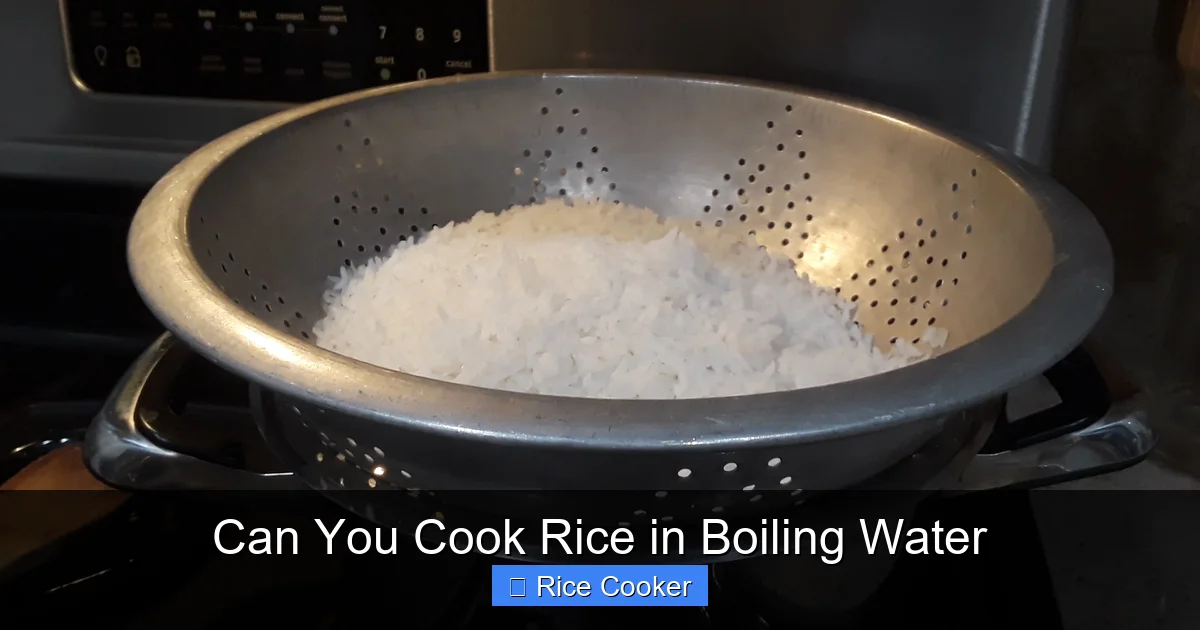
Rinsing removes excess starch, which reduces stickiness. Place rice in a fine-mesh strainer and rinse under cold running water until the water runs clear. Don’t skip this step for white rice—it makes a noticeable difference!
Step 3: Bring Water to a Rolling Boil
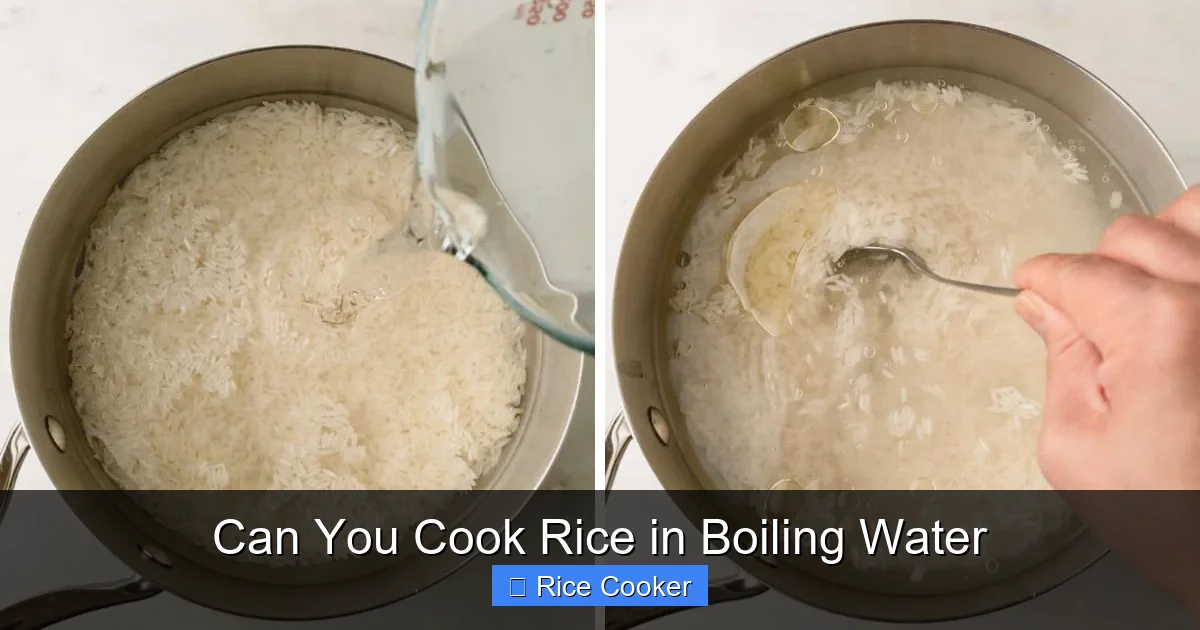
Fill a saucepan with the correct amount of water (based on your rice type). Place it on high heat and bring to a full, vigorous boil. You’ll see big bubbles breaking the surface consistently.
Step 4: Add the Rice
Gently pour rinsed rice into the boiling water. Stir once with a wooden spoon to prevent clumping. Return to a boil immediately.
Step 5: Reduce Heat and Simmer Covered
Once boiling, reduce heat to low-medium so the water simmers gently. Put the lid on tightly. Let it cook undisturbed for the recommended time.
Step 6: Check for Doneness
After half the cooking time, peek underneath. If water remains, continue cooking. When done, no water should be left, and the rice should be tender with a slight bite (al dente).
Step 7: Rest and Fluff
Turn off the heat and let the rice rest for 5–10 minutes with the lid on. Then fluff gently with a fork. This final step redistributes moisture and separates the grains beautifully.
Common Mistakes to Avoid When Boiling Rice
Even experienced cooks slip up sometimes. Here are the top blunders to watch out for:
- Skipping the rinse: Leaving starch on rice leads to gummy clumps.
- Using too much water: Excess water dilutes flavor and leaves rice soupy.
- Lifting the lid too often: Each opening releases steam, slowing down cooking.
- Stirring constantly: This breaks apart grains and increases stickiness.
- Not adjusting for altitude: At higher elevations, water boils below 212°F, so cooking times increase slightly.
If you do end up with overcooked rice, don’t panic—spread it out on a baking sheet and warm it in the oven at 250°F for 10 minutes to dry it out.
Tips for Perfect Boiled Rice Every Time
Want to take your rice game to the next level? Try these pro tips:
- Add a pinch of salt or oil: Salt enhances flavor; a teaspoon of oil prevents sticking.
- Use a timer: Set an alarm so you don’t forget to check doneness.
- Try the “water displacement” method: After rinsing, press the rice gently into the water with your finger—if it’s fully submerged, you’re good.
- Save broth instead of plain water: Use chicken or vegetable broth for extra flavor, especially with brown or wild rice.
- Store leftovers properly: Refrigerate within two hours and reheat with a bit of water to restore moisture.
How Boiling Water Compares to Other Cooking Methods
You might wonder how boiling stacks up against alternatives like steaming, simmering, or using a rice cooker. Here’s a quick comparison:
Boiling vs. Simmering
Simmering is gentler and better for delicate dishes, but boiling offers faster heat transfer. For most rices, boiling is just as effective—especially since you reduce to a simmer anyway after adding rice.
Boiling vs. Steaming
Steaming preserves nutrients better and avoids direct contact with water, but it’s harder to control texture. Boiling gives more predictable results for home cooks.
Boiling vs. Using a Rice Cooker
A rice cooker automates everything—perfect for busy days. But boiling gives you hands-on control and works without special equipment. Neither is inherently superior; it depends on your preference and setup.
Special Considerations: Dietary Needs and Rice Types
Whether you’re cooking for dietary restrictions or cultural preferences, boiling water adapts easily:
- Vegan/vegetarian diets: Use vegetable broth instead of water for richer flavor.
- Gluten-free needs: All rice is naturally gluten-free—safe for celiacs when cross-contamination is avoided.
- Low-sodium options: Skip added salt and season later with herbs or spices.
- Instant rice shortcuts: These are pre-cooked and just need hot water—no boiling required!
Troubleshooting: What If My Rice Doesn’t Turn Out Right?
Mishaps happen. Here’s how to fix common problems:
Too Wet or Soupy
Drain excess water through a colander, spread on a baking sheet, and toast in a 350°F oven for 10–15 minutes until dry.
Too Dry or Crunchy
Add a splash of water, cover, and microwave for 1–2 minutes. Alternatively, place a damp paper towel over the rice and steam in the microwave.
Grains Are Sticky or Clumped
This usually means too much starch was released. Next time, rinse longer or reduce stirring. Adding a little oil to water helps.
Rice Is Undercooked
Return to heat, add a tablespoon of water, cover, and simmer for 5 more minutes. Don’t uncover early!
The Future of Rice Cooking: Beyond the Stovetop
While boiling water remains a classic, modern appliances offer convenience. Induction cooktops heat faster and more evenly, making timing even easier. And yes—some smart rice cookers simulate boiling water phases before switching to simmer mode for optimal results. But at the end of the day, the principles stay the same: proper ratio, gentle reduction, and resting time.
Conclusion: Mastery Through Practice
Cooking rice in boiling water isn’t magic—it’s science, practice, and a few trusted techniques. Whether you’re making fluffy jasmine for Thai curry, hearty brown rice for salads, or adventurous wild rice pilaf, this method gives you reliable control. Don’t fear the boil; embrace it. With attention to detail—rinsing, timing, and resting—you’ll never settle for mediocre rice again.
So go ahead: grab your saucepan, bring that water to a roll, and cook rice like a pro. Your taste buds will thank you.
Frequently Asked Questions
Is it better to cook rice in cold or boiling water?
Both work, but boiling water is faster and helps prevent mushiness. Cold water takes longer to heat and risks uneven cooking. For best results, use boiling water and reduce to a simmer.
How much water do I use per cup of rice when boiling?
For white rice, use 2 cups water per 1 cup rice. Brown rice needs 3 cups, and wild rice typically requires 4 cups. Always adjust based on your preferred texture.
Do I need to rinse rice before boiling?
Yes, especially for white rice. Rinsing removes excess starch, which causes stickiness. Just run it under cold water until clear, then proceed with boiling.
Can I add flavor to boiled rice?
Absolutely! Add salt, garlic, bay leaves, or broth instead of water. Herbs like thyme or cilantro also infuse nice subtle flavors without affecting texture.
What happens if I overcook rice by boiling it too long?
Overcooked rice becomes mushy and loses shape. To rescue it, drain excess water, spread on a tray, and warm in a low oven to dry it out.
Can I reheat leftover boiled rice safely?
Yes—just place it in a microwave-safe dish, add a splash of water, cover, and heat for 1–2 minutes. Stir between intervals to ensure even warming.