
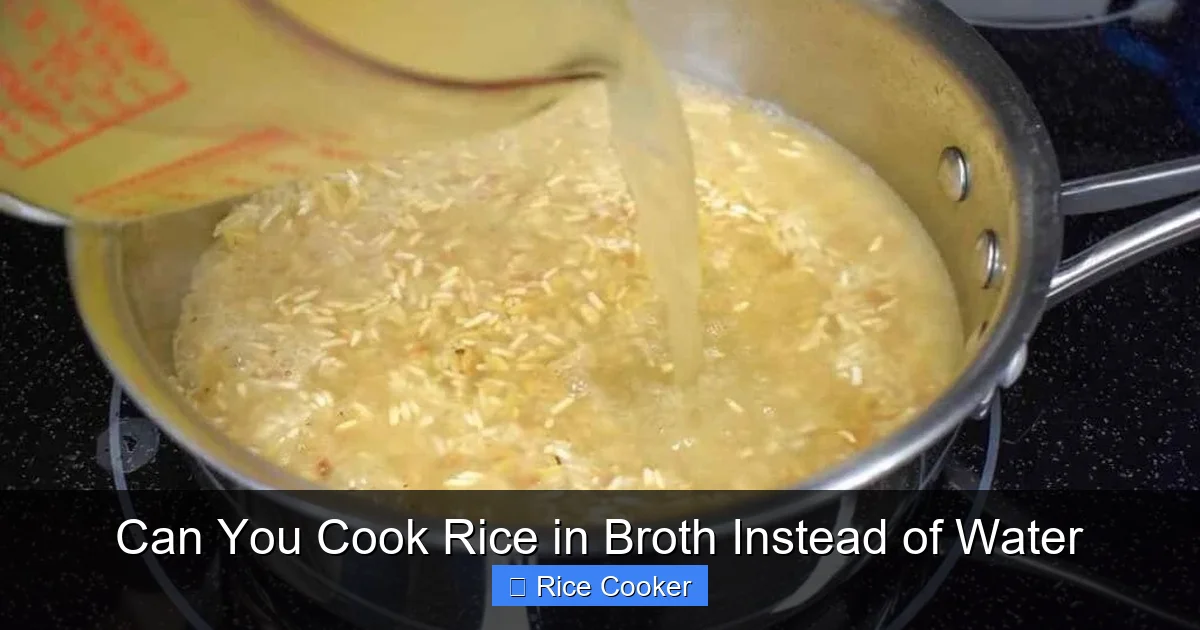
Absolutely! Cooking rice in broth instead of plain water adds rich flavor, depth, and nutrients to your dish. Whether you’re using chicken, vegetable, or beef broth, this simple swap transforms plain rice into a savory, aromatic side that pairs beautifully with meals. Not only does it reduce the need for added salt, but it also infuses each grain with complex flavors from herbs, garlic, and spices. With just a few adjustments—like reducing liquid volume and adjusting cooking time—you’ll get fluffy, fragrant rice every time using broth.
Cooking rice in broth instead of water is one of those kitchen hacks that feels fancy but is ridiculously easy. You don’t need special equipment or advanced techniques—just swap out your usual water for flavorful stock, and you’ve instantly upgraded your meal. But before you start dousing every pot of rice in whatever broth you have on hand, let’s dive deeper into why this works, how to do it right, and when it might not be the best choice.
Whether you’re making a comforting bowl of jasmine rice for Thai curry, a hearty risotto, or even fried rice for dinner, using broth can make a world of difference. It’s especially useful if you’re trying to cut down on processed foods or add extra nutrients to your family’s meals. And honestly? The result tastes like someone spent hours simmering a rich, aromatic soup—even though you’re just following the same steps as usual.
In this article, we’ll explore everything from basic ratios and cooking methods to flavor combinations and troubleshooting common mistakes. By the end, you’ll feel confident swapping water for broth every chance you get—and maybe even impress your friends at dinner parties with your “secret” technique.
Key Takeaways
- Flavor Boost: Broth imparts rich, savory notes that elevate plain rice into a more satisfying dish.
- Nutritional Upgrade: Using low-sodium broth adds vitamins and minerals without excess salt or preservatives.
- Texture Matters: Different broths affect rice texture—chicken broth yields tender grains, while bone broth gives a richer mouthfeel.
- Adjust Liquid Ratios: Use 1 cup broth per 1 cup rice, but reduce total liquid by about 1/4 cup compared to water-only cooking.
- Cooking Method Flexibility:
- Perfect Pairings: Great with roasted meats, stir-fries, stews, or as a base for grain bowls and risottos.
📑 Table of Contents
- Why Cook Rice in Broth Instead of Water?
- Choosing the Right Broth
- How to Cook Rice in Broth: Step-by-Step Guide
- Cooking Methods: Stovetop vs. Rice Cooker vs. Instant Pot
- Best Types of Rice for Broth Cooking
- Troubleshooting Common Issues
- Creative Ways to Use Broth-Cooked Rice
- Health Considerations & Dietary Tips
- Final Thoughts: Is Broth Worth It?
Why Cook Rice in Broth Instead of Water?
So, what’s the big deal about using broth? After all, rice absorbs liquid either way, so why bother?
The answer lies in flavor and nutrition. Plain water is neutral—it doesn’t add anything to your dish. Broth, on the other hand, brings depth, aroma, and complexity. When rice soaks up broth during cooking, it picks up those subtle umami notes, herbal hints, and even smoky undertones depending on the type of stock you use.
Take chicken broth, for example. It often contains onions, carrots, celery, garlic, and bay leaves—all simmered together to extract maximum flavor. That means your rice isn’t just fluffy; it’s fragrant and slightly savory, almost like eating inside a warm bowl of soup.
And here’s another benefit: if you’re watching your sodium intake, many homemade or low-sodium broths offer great taste without the salt overload. Plus, broth-based cooking can help stretch meals further—one pot of rice can feed more people when infused with extra flavor.
But beyond taste, there’s also nutritional upside. Bone broth, in particular, contains collagen, amino acids, and minerals like calcium and magnesium. While rice itself doesn’t absorb these directly, cooking it in nutrient-rich broth may contribute to a more wholesome meal overall.
Choosing the Right Broth

Visual guide about Can You Cook Rice in Broth Instead of Water
Image source: i.pinimg.com
Not all broths are created equal—and that matters when cooking rice.
For starters, avoid pre-packaged, high-sodium broths unless they’re labeled low-sodium or no-salt-added. These can throw off your seasoning balance and lead to overly salty rice. Instead, opt for homemade stocks or quality brands you trust.
If you’re short on time, reach for store-bought organic or free-range options. Look for broths made from real ingredients—no artificial flavors or MSG. Vegetable broth works wonderfully with vegetarian or vegan dishes, while chicken or turkey broth pairs beautifully with poultry-based meals. Beef or mushroom broth adds richness to red meat or earthy flavors respectively.
One pro tip: always check the label. Some “broth” products are actually bouillon diluted with water—not ideal for delicate rice textures. True broth should list meat (or vegetables), water, and minimal additives.
You can also customize your broth! Add a splash of soy sauce, a pinch of smoked paprika, or even a Parmesan rind to boost umami. Just remember, too much salt upfront will make final adjustments difficult, so start subtly.
How to Cook Rice in Broth: Step-by-Step Guide

Visual guide about Can You Cook Rice in Broth Instead of Water
Image source: i.pinimg.com
Ready to give it a try? Follow these simple steps for foolproof, flavorful rice every time.
1. Measure Accurately
Use the standard ratio: 1 cup uncooked rice to 1 cup liquid (broth). However, since broth is denser and more flavorful than water, reduce the total liquid by about 1/4 cup. So, for 1 cup rice, use 3/4 cup broth and 1/4 cup water—or just stick with 1 cup broth alone if you prefer stronger flavor.
2. Rinse the Rice (Optional)
Rinsing removes excess starch, which helps prevent clumping. It’s especially helpful with long-grain varieties like basmati or jasmine. Place rice in a fine-mesh sieve and rinse under cool running water until the water runs clear.
3. Combine Ingredients
In your pot or rice cooker, add rinsed rice, broth, and any desired aromatics—a sprig of thyme, a sliced onion, or a crushed garlic clove. Stir once gently to combine.
4. Bring to a Boil
Cover the pot and bring to a rolling boil over medium-high heat. Once boiling, immediately reduce heat to low and simmer gently. Don’t peek! Keeping the lid closed ensures consistent steam and even cooking.
5. Simmer and Steam
Let the rice cook undisturbed for about 18–20 minutes (adjust based on grain type). At this point, most of the liquid should be absorbed, and the rice will be tender. If there’s still liquid left, remove from heat and let it rest covered for 5 minutes—the residual steam finishes the process.
6. Fluff and Serve
Use a fork to gently fluff the rice, discarding any aromatics. Taste and adjust seasoning if needed (though chances are, the broth has already seasoned it well).
Pro tip: For extra creaminess, stir in a pat of butter or a splash of heavy cream after fluffing.
Cooking Methods: Stovetop vs. Rice Cooker vs. Instant Pot
You can cook broth-rice using any method you normally would—but some tools play nicer with broth than others.
Stovetop Method
This is the classic approach. It requires close attention during the boiling phase to prevent scorching, especially on electric stoves. Keep the heat low after bringing to a boil to maintain gentle simmering. A tight-fitting lid is essential to trap steam.
Rice Cooker
Ah, the rice cooker—your new best friend for broth-based rice. These machines automatically detect when the liquid is fully absorbed and switch to “warm” mode, preventing overcooking. Most models handle broth just fine, though avoid filling beyond the max line. Stirring occasionally during the first few minutes helps distribute flavor evenly.
Instant Pot / Pressure Cooker
Want faster results? Try the pressure cook method. Use 1 cup rice + 1 cup broth (no reduction needed), seal the lid, and cook on high pressure for 3 minutes. Natural release for 10 minutes, then quick-release remaining pressure. This yields incredibly tender, cohesive grains—ideal for risotto-style textures.
Each method has its perks. The stovetop gives you full control, the rice cooker offers consistency, and the Instant Pot delivers speed and tenderness. Experiment to find your favorite!
Best Types of Rice for Broth Cooking
Not all rice responds the same way to broth. Grain choice affects both texture and absorption rate.
Long-Grain Rice (Basmati, Jasmine, American)
These varieties remain separate and fluffy when cooked properly. Basmati becomes fragrant and slightly nutty with broth—perfect for Indian or Middle Eastern dishes. Jasmine rice takes on a floral sweetness ideal for Thai cuisine.
Medium-Grain Rice (Arborio, Calrose)
Arborio is famous for risotto—its high starch content releases slowly, creating a creamy consistency when stirred. Cooked in rich beef or mushroom broth, it becomes luxurious without added dairy.
Short-Grain Rice (Sushi Rice, Glutinous Rice)
Stickier and chewier, short-grain rice absorbs flavors deeply. Sushi rice cooked in lightly seasoned dashi broth makes amazing onigiri (rice balls). Glutinous rice used in desserts benefits from coconut milk-infused broth too.
Tip: Always follow package instructions for water ratios, then adjust downward by 1/4 cup when substituting broth.
Troubleshooting Common Issues
Even experienced cooks run into problems sometimes. Here’s how to fix them.
Rice Too Salty
Too much salt in the broth? No worries. Drain excess liquid (if possible), then rinse briefly under cold water. Add unsalted rice or dilute with plain water next time.
Rice Too Dry or Mushy
Overcooked or insufficient liquid causes dryness; undercooked or excessive liquid leads to mushiness. Adjust timing and liquid ratios accordingly. For mushy rice, try cooking in smaller batches or using less broth.
Uneven Texture
Old rice or uneven heat distribution can cause some grains to be hard while others burst open. Store rice properly (cool, dry place), and ensure your pot has even bottom heating.
Weak Flavor
Bland broth = bland rice. Enhance flavor by sautéing rice in oil before adding broth, or adding a Parmesan rind, lemon zest, or fresh herbs during cooking.
Remember: practice makes perfect. Your first few attempts might vary slightly—but soon you’ll develop a feel for timing and ratios.
Creative Ways to Use Broth-Cooked Rice
Don’t limit yourself to plain servings. Broth-rice opens doors to endless creativity.
Fried Rice
Use leftover broth-cooked rice (cold works best). Sear in wok with sesame oil, scramble eggs, toss in veggies and protein—topped with a soy-ginger glaze made from reduced broth.
Grain Bowls
Layer rice in a bowl with roasted sweet potatoes, kale, chickpeas, and tahini dressing. The savory rice anchors the dish beautifully.
Soups & Stews
Add broth-rice directly into miso soup, ramen, or chili. It thickens gently and adds heartiness without gumming up the broth.
Dessert Rice Pudding
Surprise! Warm broth (even vegetable) mixed with cinnamon, raisins, and brown sugar makes an unexpected yet delicious pudding base.
Burrito Bowls
Top with black beans, salsa, avocado, and shredded chicken. The rice soaks up the bold flavors of taco seasoning effortlessly.
The key is matching the broth profile to the dish. Smoky chipotle broth complements Mexican bowls; miso broth shines in Asian fusion plates.
Health Considerations & Dietary Tips
Using broth instead of water isn’t just tasty—it can support healthier eating habits.
Lower Sodium Options
Many commercial broths contain 400+ mg sodium per cup. Homemade versions allow precise control. Try making your own using vegetable scraps, chicken bones, or even coffee grounds (for robust flavor).
Vegan/Vegetarian Friendly
Use vegetable broth made from mushrooms, tomatoes, carrots, and herbs. Avoid broths labeled “natural flavors” without verification—some contain animal-derived ingredients.
Gluten-Free Compliance
Always choose certified gluten-free broth if sensitive to gluten. Cross-contamination is common in processing facilities, so read labels carefully.
Portion Control
Broth adds calories too—about 10–15 kcal per cup versus zero for water. Mind your portions if monitoring intake.
Overall, broth-based rice fits well into balanced diets, especially when paired with lean proteins and colorful vegetables.
Final Thoughts: Is Broth Worth It?
After exploring all the benefits—flavor, nutrition, versatility—it’s clear that cooking rice in broth instead of water is absolutely worth it. It’s a simple swap that transforms ordinary meals into memorable ones. Whether you’re feeding a family, meal-prepping for the week, or impressing guests, this technique delivers.
Start small: try chicken broth with white rice next time you cook. Then experiment with different types—mushroom, miso, or even tomato-based broth for bold twists. Soon, you’ll notice your rice tastes richer, your dishes feel more complete, and your pantry becomes a treasure trove of culinary inspiration.
And hey—what started as a curiosity might just become your new favorite kitchen ritual. After all, who says rice has to be boring?
Frequently Asked Questions
Can I use any type of broth to cook rice?
Yes, but choose wisely! Chicken, vegetable, or beef broth work well. Avoid highly seasoned or salty broths unless you plan to adjust seasoning later. Homemade or low-sodium store-bought options are best for balanced flavor.
Do I need to adjust cooking time when using broth?
Generally, no—broth behaves similarly to water in terms of absorption. However, because broth is denser, you may want to reduce total liquid by about 1/4 cup. Cooking times stay roughly the same across methods.
Will rice cooked in broth absorb all the flavor?
Absolutely! Rice soaks up surrounding liquids, including broth. The longer you let it simmer uncovered toward the end, the more pronounced the flavor becomes. Adding aromatics like garlic or herbs during cooking enhances this effect.
Can I freeze broth-cooked rice?
Yes! Let cooled rice come to room temperature, then store in airtight containers or freezer bags. Thaw overnight in the fridge and reheat with a splash of water or broth to restore moisture.
Is it safe to use expired broth?
No. Always check expiration dates and smell the broth before using. If it smells off or moldy, discard it. When in doubt, make fresh broth instead.
What if my rice turns out too salty?
If the broth was too salty, try rinsing the cooked rice briefly under cold water to remove surface salt. You can also add a bit of plain water or unsalted broth to dilute. Next time, start with less salt in your broth.