
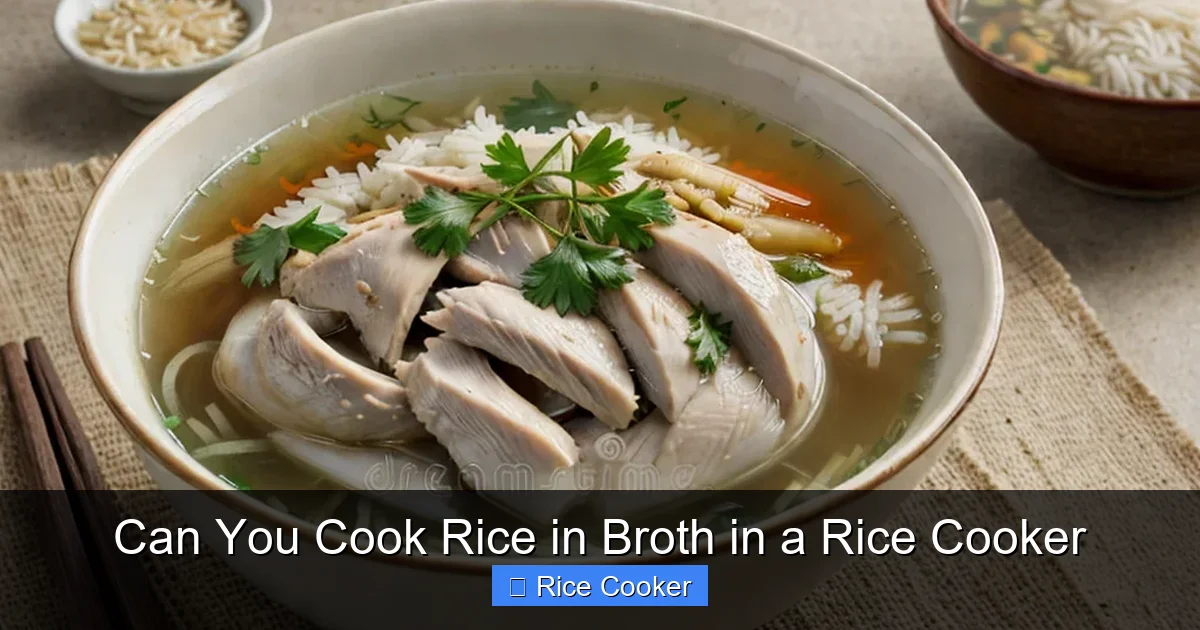
You absolutely can cook rice in broth using your rice cooker, and it’s easier than you think! This technique enhances flavor, keeps the rice moist, and simplifies meal prep. Whether you’re making risotto, pilaf, or a hearty side dish, broth adds depth without extra effort.
Have you ever stood over a pot of boiling rice, wondering how much longer until it’s ready? Or maybe you’ve tasted a delicious risotto or pilaf at a restaurant and thought, “I wish I could make that at home.” Well, here’s a secret: you already have everything you need—your trusty rice cooker and some flavorful broth. That’s right, you can absolutely cook rice in broth in a rice cooker. And not only can you do it, but you can do it well—without sacrificing convenience or taste.
Cooking rice in broth instead of water might sound fancy, but it’s actually one of the simplest upgrades you can make to your everyday meals. The result? Rice that’s more aromatic, tender, and full of flavor. Whether you’re whipping up a quick weeknight dinner or preparing a comforting bowl of creamy risotto, using broth as your liquid base makes all the difference. Plus, it cuts down on the number of pots you need to wash—because let’s be honest, fewer dishes mean happier mealtime.
In this guide, we’ll walk you through everything you need to know about cooking rice in broth in your rice cooker. From choosing the right kind of broth to mastering the perfect texture, we’ll cover it all. You’ll also learn tips for avoiding common pitfalls, like soggy rice or stuck-on grains. By the end, you’ll feel confident turning your rice cooker into a flavor powerhouse—and maybe even surprise yourself with how versatile it really is.
Key Takeaways
- Understanding can you cook rice in broth in a rice cooker: Provides essential knowledge
📑 Table of Contents
- Why Cook Rice in Broth?
- Is It Safe to Use Broth in Your Rice Cooker?
- How to Cook Rice in Broth: Step-by-Step Guide
- Tips for Perfect Broth-Cooked Rice
- Best Types of Rice for Cooking in Broth
- Troubleshooting Common Issues
- Cooking Rice in Broth Beyond Basics
- Cleaning and Maintenance Tips
- Conclusion: Embrace the Flavor Upgrade
Why Cook Rice in Broth?
So why bother switching from water to broth? After all, rice cooked in water is perfectly fine. But broth brings something special to the table—literally. First, it infuses the rice with layers of savory, umami-rich flavor. Think about it: when you simmer chicken or vegetable broth, you’re releasing all those aromatic compounds—like thyme, onion, garlic, and bay leaf—into the liquid. When that same liquid cooks the rice, those flavors gently meld into every grain.
Second, broth helps keep the rice moist and tender. Water alone can sometimes leave rice a little dry or bland, especially if you’re cooking long-grain varieties. Broth, on the other hand, has fat, salt, and flavor built-in, which means your rice comes out richer and more satisfying. This is especially useful when you’re making dishes where rice is the star—like paella, biryani, or even a simple bowl of jambalaya.
Finally, cooking rice in broth saves time and effort. Instead of making a separate soup or sauce, you get both in one go. It’s efficient, economical, and tastes way better than plain old white rice with ketchup on top.
Is It Safe to Use Broth in Your Rice Cooker?
Visual guide about Can You Cook Rice in Broth in a Rice Cooker
Image source: delishsides.com
Before you pour that delicious homemade chicken stock into your rice cooker, take a moment to consider whether your appliance is up for the job. Most modern rice cookers are designed to handle water, but can they handle broth?
The short answer: yes, most can. But there are a few things to keep in mind. First, check your rice cooker’s manual. Some older models or budget units may not recommend using anything other than water because they lack certain safety features or sealing mechanisms. Second, broth tends to foam and bubble more than water, especially if it contains fats or proteins from bone broth. This can potentially overflow if the lid isn’t sealed tightly or if the vent holes get clogged.
To play it safe, choose a broth with low foam potential—like store-bought vegetable or chicken broth, which usually has stabilizers to reduce bubbling. Avoid heavy bone broths made with lots of marrow or collagen-heavy meats, as these tend to foam more during cooking.
Also, always ensure your rice cooker’s inner pot is clean and dry before adding liquid. Any residue or excess moisture can affect heat distribution and cooking performance.
How to Cook Rice in Broth: Step-by-Step Guide

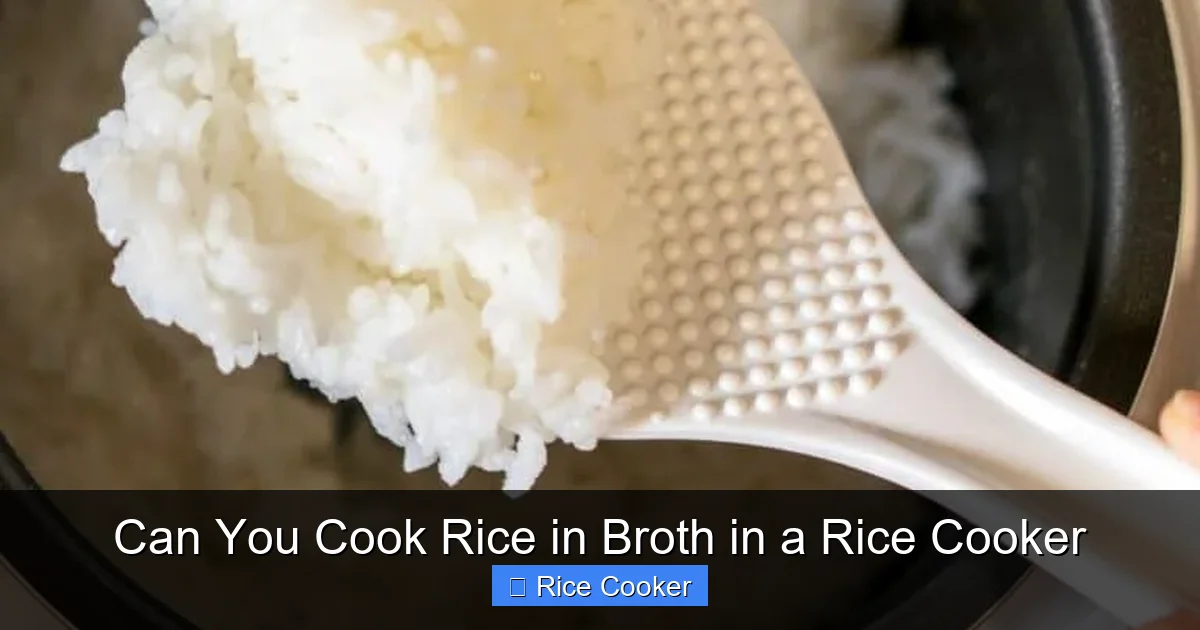
Visual guide about Can You Cook Rice in Broth in a Rice Cooker
Image source: easykitchenguide.com
Ready to give it a try? Here’s a foolproof method for cooking rice in broth using your rice cooker:
Gather Your Ingredients
Start with equal parts rice and broth—usually 1 cup rice to 1 cup broth. If you want extra richness, you can go up to 1.25 cups broth per cup of rice, but don’t exceed 1.5:1 ratio unless you’re okay with softer, stickier results.
Choose high-quality broth for best flavor. Homemade is ideal, but store-bought works great too—just read the label to avoid added sugars or excessive sodium.
Prepare the Rice
Rinse your rice under cold water until the water runs clear. This removes excess starch and prevents clumping. Then drain thoroughly.
If you’re using brown rice, soak it for 20–30 minutes beforehand to help it cook more evenly.
Add Everything to the Cooker
Pour the rinsed rice into the inner pot of your rice cooker. Slowly add the broth while stirring gently. Season lightly with salt if needed—broth often contains enough sodium already.
For extra flavor, toss in a sprig of fresh thyme, a crushed garlic clove, or a diced onion directly into the pot. These will steep into the rice during cooking.
Set and Forget
Close the lid securely and set your rice cooker to the standard “white rice” setting. There’s no need to adjust cooking times—the appliance does all the work.
Let it run its cycle. Once done, let the rice sit for 5–10 minutes with the lid closed. This allows residual steam to finish cooking the grains evenly and gives them time to absorb any remaining liquid.
Fluff and Serve
After resting, open the lid and fluff the rice gently with a fork. Additions like chopped parsley, grated Parmesan, or sautéed mushrooms can now be mixed in for extra flavor.
Serve immediately as a side dish, base for curries, or as part of a grain bowl.
Tips for Perfect Broth-Cooked Rice
Even though rice cookers are designed to make cooking foolproof, a few smart tweaks can elevate your results even further. Here are some pro tips to keep in mind:
Don’t Overfill
Just like with water, never fill your rice cooker beyond the maximum line. Broth expands slightly during heating, so leaving room ensures proper circulation and prevents overflow.
Adjust Ratios Based on Rice Type
Short-grain rice (like sushi or arborio) loves more liquid—try 1.2:1 broth-to-rice. Long-grain varieties (like basmati or jasmine) prefer less—stick closer to 1:1. Brown rice typically needs slightly more broth than white rice due to its bran layer.
Stir Once Midway (Optional)
For ultra-uniform results, open the lid halfway through cooking and stir once. This helps distribute heat evenly and prevents scorching at the bottom. Just make sure not to overmix, or you’ll break the grains.
Line the Pot for Easy Clean-Up
If you’re concerned about sticking or want to simplify cleaning, place a piece of parchment paper over the bottom of the inner pot before adding rice and broth. This creates a barrier and makes wipe-down a breeze.
Enhance Flavor Without Extra Effort
Add a teaspoon of butter or olive oil to the broth before cooking. This boosts richness and helps prevent sticking. You can also toss in a few frozen peas or diced carrots for color and nutrition—they’ll cook through by the end.
Reheat Leftovers Properly
Leftover broth-cooked rice reheats best when steamed with a splash of water or broth in the microwave or on the stovetop. Avoid dry microwaving, which can make it gummy.
Best Types of Rice for Cooking in Broth
Not all rice is created equal when it comes to absorbing flavor. Some types hold onto broth beautifully and develop a creamy texture, while others stay light and separate. Here’s what works best:
Arborio Rice
This Italian short-grain rice is the gold standard for risotto. Its high starch content releases slowly into the broth, creating a luxuriously creamy consistency. Cook it in chicken, mushroom, or vegetable broth for rich, indulgent results.
Bomba Rice
Another Spanish favorite, bomba rice absorbs up to 50% more liquid than regular rice without becoming mushy. It’s perfect for paella and gets infused with smoky saffron or seafood flavors.
Sushi Rice
Stick to short-grain Japanese rice for sushi or onigiri. When cooked in miso broth or dashi, it becomes soft, chewy, and deeply flavorful—ideal for Asian-inspired bowls.
Basmati Rice
Long-grain basmati shines when cooked in spiced broths—like turmeric-infused vegetable broth or coconut milk-based curry stock. It remains fluffy and fragrant, with each grain distinct.
Brown Rice
Though slower to cook, brown rice benefits greatly from nutrient-rich bone broths. The extra fiber soaks up flavors beautifully, making it a healthy, hearty option for grain bowls or side dishes.
Avoid very thin or super-short grains like glutinous rice unless you’re aiming for sticky desserts—those behave differently in broth than in savory dishes.
Troubleshooting Common Issues
Despite their reliability, rice cookers aren’t immune to hiccups—especially when you start experimenting with liquids beyond water. Here’s how to fix the most common problems:
Rice Stuck to the Bottom
Caused by insufficient liquid, poor heat distribution, or dirty heating plate. Solution: Always measure accurately, rinse rice, and clean the cooker regularly. Adding a bit of oil or butter to the broth helps.
Rice Too Dry or Crunchy
Usually means too little liquid or incorrect ratio. Try increasing broth by ¼ cup next time. Also, ensure the rice was fully rinsed and soaked if necessary.
Rice Too Soupy or Mushy
Too much liquid or overcooking. Stick to recommended ratios and avoid opening the lid too often during cooking. Let it rest afterward to firm up slightly.
Foaming Over the Lid
Common with fatty or protein-rich broths. Reduce heat slightly (if adjustable), or switch to a broth with stabilizers. You can also cover the pot loosely with foil instead of the lid to vent excess steam.
Off-Flavors or Bitter Taste
Could come from stale broth, burnt rice, or old ingredients. Always use fresh broth and check expiration dates. Replace old rice too—stale grains lose flavor quickly.
Uneven Cooking
Ensure the rice is spread evenly in the pot and not packed too tightly. Stir once halfway if needed, and verify that the heating element is clean and unobstructed.
Cooking Rice in Broth Beyond Basics
Once you’ve mastered the basics, the possibilities expand dramatically. Broth-cooked rice opens the door to creative, restaurant-worthy meals—all from one appliance.
Mediterranean Grain Bowl
Cook farro or orzo in tomato-herb broth. Top with olives, feta, cucumber, and grilled chicken for a vibrant, complete meal.
Asian-Inspired Fried Rice
Make a batch of jasmine rice in soy-ginger broth. Chill overnight, then fry with scrambled eggs, green onions, and shrimp for crispy-perfect fried rice.
Vegan Risotto Alternative
Use coconut milk-thickened vegetable broth to cook arborio-style rice. Finish with nutritional yeast and blanched greens for a dairy-free creamy delight.
One-Pot Gumbo Base
Cook Carolina gold rice in a dark roux-flavored broth. Add okra, sausage, and shrimp later for a traditional Louisiana dish made easy.
Dessert Rice Pudding (Savory Twist)
Try a sweet version with almond milk, cinnamon, and raisins—but skip the sugar and serve it warm as a side to roasted meats.
The key is flexibility. Once you understand how broth affects texture and flavor, you can adapt recipes freely. Swap chicken broth for fish stock, add smoked paprika for depth, or infuse broth with citrus zest for brightness.
Cleaning and Maintenance Tips
Since you’re using broth—which can leave behind grease, sediment, or browning—cleaning your rice cooker requires a little extra attention. But fear not; it’s still manageable.
Clean Immediately After Use
Don’t let leftover broth cool and harden in the pot. Rinse it out while warm to prevent residue buildup.
Remove the Inner Pot
Wash it separately by hand or in the dishwasher (check your model’s compatibility). For stubborn spots, soak in warm soapy water first.
Clean the Heating Plate
Use a soft brush or sponge to remove any carbonized bits. Never use abrasive scrubbers, as they can damage the non-stick coating.
Check the Lid and Steam Vent
Over time, foam from broth can clog the small holes in the lid. Gently clean them with a toothpick or pin.
Store Properly
Keep your rice cooker dry and stored upright. If you’re not using it for a while, wipe the interior and leave the lid slightly ajar to air out.
With regular care, your rice cooker will continue to perform flawlessly—even after years of broth-cooked adventures.
Conclusion: Embrace the Flavor Upgrade
Cooking rice in broth in your rice cooker isn’t just possible—it’s a game-changer. It transforms ordinary grains into flavor-packed staples that elevate any meal. Whether you’re feeding a crowd or prepping for a cozy night in, this simple swap delivers big results with minimal effort.
You don’t need special equipment, exotic ingredients, or hours of prep. Just your rice cooker, some good broth, and a willingness to experiment. From creamy risottos to aromatic pilafs, the options are endless.
So next time you open a carton of broth in the fridge, think twice before tossing it. Pour it into your cooker instead. Your taste buds—and your dinner guests—will thank you.
Frequently Asked Questions
Can you cook any type of rice in broth in a rice cooker?
Yes, most rice types work well in broth, including white, brown, arborio, basmati, and sushi rice. Adjust liquid ratios slightly based on grain length and desired texture.
Do I need to change the cooking time when using broth?
No, cooking times remain the same as with water. Your rice cooker automatically adjusts based on the amount of liquid and rice.
Will my rice cooker overflow with broth?
It’s possible with fatty or foamy broths. To prevent overflow, use broth with stabilizers, avoid overfilling, and ensure the lid fits snugly.
Can I substitute water for broth?
Absolutely—water works fine, but broth adds significant flavor. For a middle ground, try mixing half broth and half water.
How do I stop rice from sticking when cooking in broth?
Use a bit of oil or butter in the broth, rinse the rice thoroughly, and avoid packing it too tightly in the pot.
Can I cook other grains in broth using a rice cooker?
Yes! Quinoa, millet, barley, and farro all benefit from broth-based cooking. Adjust ratios and timing accordingly.