
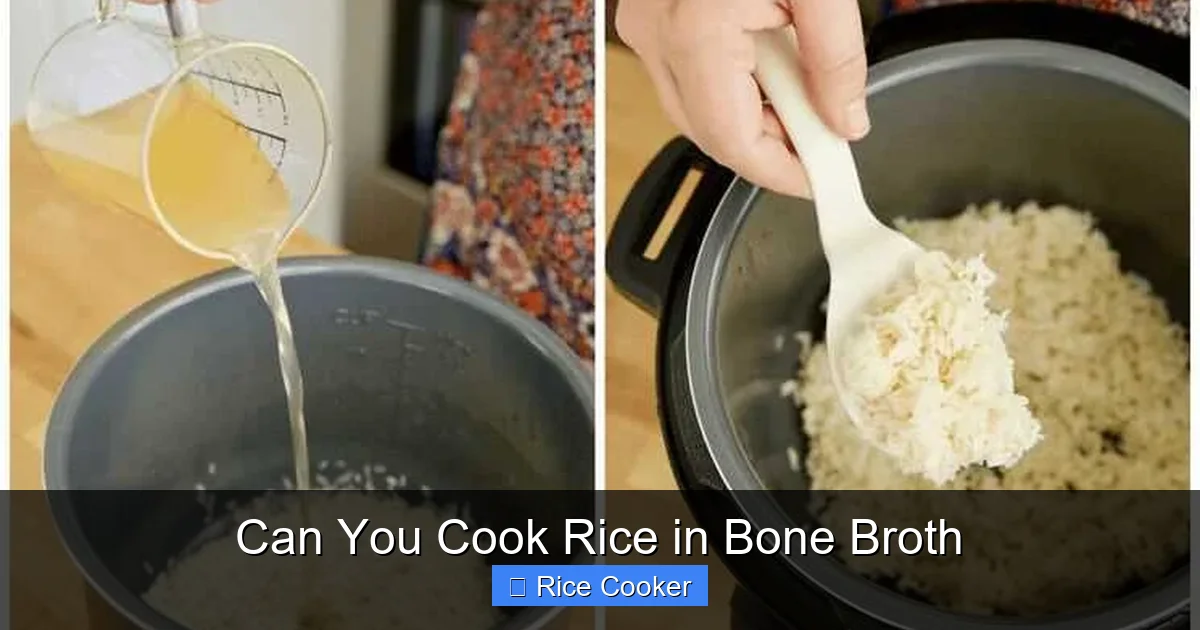
You can absolutely cook rice in bone broth, which adds rich flavor and valuable nutrients like collagen and minerals. This method is ideal for soups, stews, or as a nutritious side dish. Using a rice cooker makes the process simple and hands-free.
Have you ever wondered if you can cook rice in bone broth instead of plain water? The answer is a resounding yes—and the results are deliciously rich. Not only does this method enhance the taste of your rice, but it also boosts its nutritional value. Whether you’re using a traditional pot on the stove or a modern rice cooker, cooking rice in bone broth is a simple upgrade that’s worth trying.
Bone broth has gained popularity for its potential health benefits, including improved joint health, better digestion, and glowing skin. It’s packed with collagen, gelatin, and minerals like calcium, magnesium, and phosphorus. When you cook rice in bone broth, those nutrients gently infuse into the grains during the cooking process. The result? A fragrant, savory, and nutrient-dense side dish that tastes like something you’d order at a high-end restaurant—but made right at home.
In this article, we’ll walk you through everything you need to know about cooking rice in bone broth, from choosing the right type of rice to mastering the perfect technique. We’ll also share tips for beginners, troubleshooting common issues, and creative ways to use your finished rice. So grab your favorite rice cooker or saucepan and let’s get started.
Key Takeaways
- Understanding can you cook rice in bone broth: Provides essential knowledge
Quick Answers to Common Questions
Can I use store-bought bone broth?
Yes, but choose low-sodium versions if you’re watching your salt intake. Homemade broth gives the best flavor and control over ingredients.
Do I need to rinse the rice?
Yes, rinsing removes excess starch and prevents clumping. Unless the package says “no rinse required,” always wash your rice.
Can I cook brown rice in bone broth?
Absolutely! Brown rice takes longer to cook—about 40–50 minutes on the stovetop or 60+ minutes in a rice cooker—but it absorbs rich flavors beautifully.
Will the rice absorb all the broth?
Most of it will, but a small amount may remain. Drain any excess if you prefer drier rice, or save it for soups or gravies.
Can I freeze cooked bone broth rice?
Yes, store it in airtight containers for up to 3 months. Reheat with a splash of broth to restore moisture.
📑 Table of Contents
Why Cook Rice in Bone Broth?
Cooking rice in bone broth isn’t just about flavor—it’s about elevating both taste and nutrition. While plain water works fine for basic rice, using bone broth transforms the dish into something special. The slow-simmered bones and connective tissues in bone broth release gelatin and amino acids like glycine and proline, which are not only beneficial for the body but also add a subtle sweetness and depth to the rice.
Additionally, bone broth often contains herbs, vegetables, and spices, which contribute aromatic complexity. Imagine a bowl of jasmine rice infused with hints of thyme, garlic, and roasted carrots. That’s what you get when you cook rice in homemade bone broth.
From a practical standpoint, this method is especially useful for people following a low-carb or ketogenic diet who want to reduce grain intake but still enjoy familiar textures. You can also use leftover bone broth after making soups or stews to cook rice, reducing food waste and maximizing flavor.
The Nutritional Edge
Bone broth is celebrated for its high concentration of collagen and minerals. When rice absorbs these elements during cooking, it becomes more than just a carbohydrate source—it turns into a functional food. Studies suggest that consuming collagen-rich foods may support gut health, joint mobility, and skin elasticity. While the amount absorbed by rice is modest, every little bit counts, especially when you’re eating rice regularly.
Moreover, bone broth is typically lower in sodium than store-bought versions, especially if you make it yourself. This means you can enjoy enhanced flavor without overloading on salt. Just remember to adjust seasoning later if needed, since broth already contains salt.
What Kind of Rice Works Best?
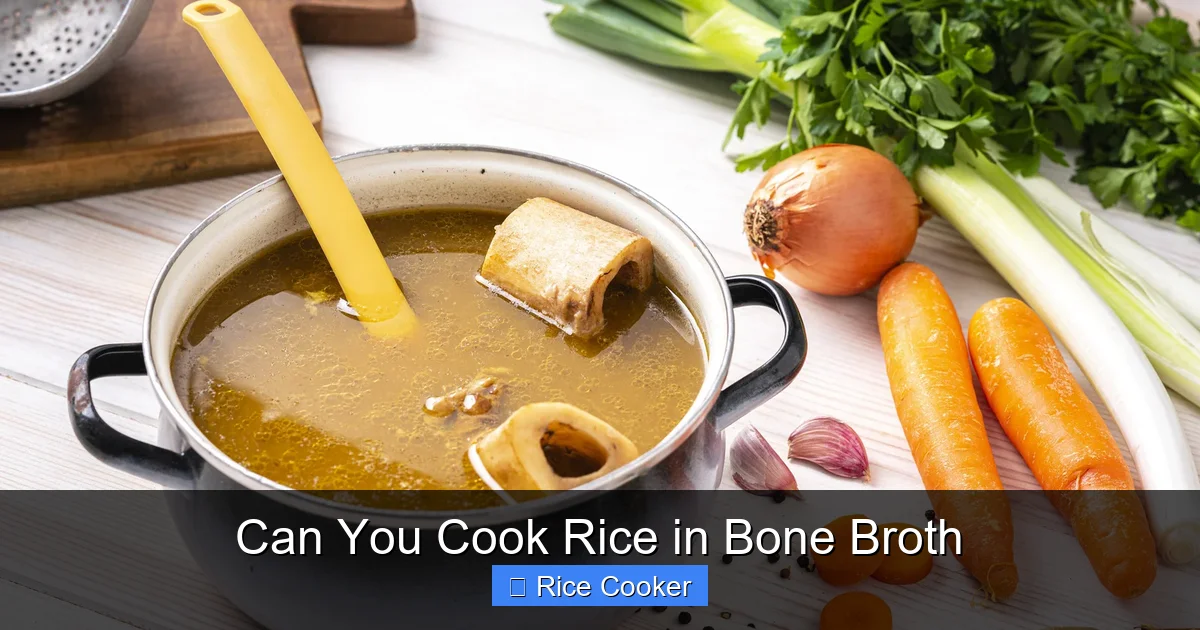
Visual guide about Can You Cook Rice in Bone Broth
Image source: thedailymeal.com
Not all rice types are created equal when it comes to absorbing flavor and texture. Some grains hold up better to longer cooking times or denser liquids like bone broth. Here are the top choices:
- Jasmine Rice: Fragrant and slightly sticky, jasmine rice pairs beautifully with savory broths. It absorbs flavors quickly and has a delicate, fluffy texture once cooked.
- Basmati Rice: Long-grain basmati remains separate and tender after cooking. Its subtle aroma complements herbal broths, especially those with lemon or turmeric.
- Arborio Rice: Often used in risotto, arborio rice releases starch when stirred, creating a creamy consistency. Perfect for brothy dishes where you want a richer mouthfeel.
- Sushi Rice: Short-grain sushi rice is sticky and holds together well, making it ideal for bowls or rolls. It absorbs broth evenly without becoming mushy.
- Brown Rice: Whole-grain brown rice takes longer to cook but soaks up deep, nutty flavors from bone broth. It’s higher in fiber and protein compared to white rice.
Avoid very thin or broken rice varieties, as they tend to disintegrate in broth. Also, avoid overly starchy rices like glutinous rice unless you’re aiming for a specific dessert-like dish.
Preparing Your Rice Properly
Before adding rice to bone broth, it’s important to rinse it unless you’re using pre-washed instant rice. Rinsing removes excess starch and prevents clumping. Simply place the rice in a fine-mesh strainer and run it under cold water until the water runs clear.
Next, measure your rice and broth accurately. A general rule is to use a 1:2 ratio of rice to broth (one cup rice to two cups broth). However, this can vary depending on the type of rice and how much liquid it naturally retains. Always check the instructions on your rice cooker or refer to package directions.
How to Cook Rice in Bone Broth
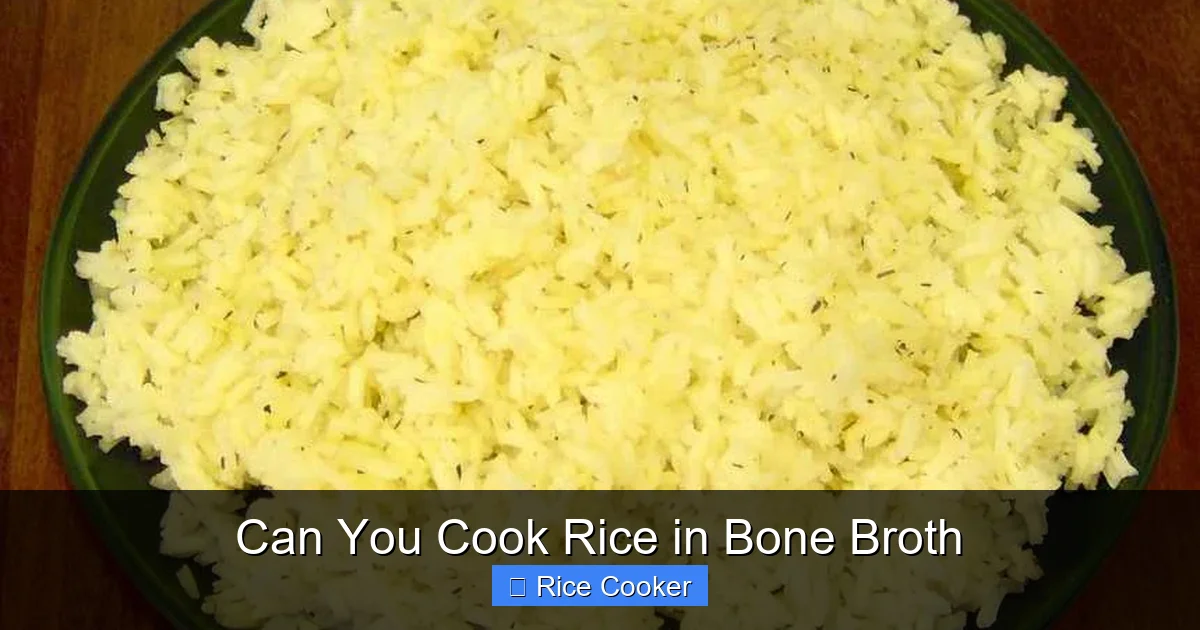
Visual guide about Can You Cook Rice in Bone Broth
Image source: metrocookingdallas.com
The process is nearly identical to cooking rice in water—just swap out the water for bone broth. Whether you’re using a stovetop pot or an electric rice cooker, follow these steps for foolproof results.
Using a Rice Cooker
Rice cookers are one of the easiest ways to cook rice in bone broth. Most models have a “brown rice” or “porridge” setting that works well with broth-based recipes. Here’s how:
- Rinse 1 cup of rice under cold water.
- Add the rinsed rice and 2 cups of bone broth to the inner pot of your rice cooker.
- Close the lid and select the appropriate setting (usually “white rice” or “regular”).
- Wait for the cooker to automatically switch to “warm” mode when done.
One tip: If your rice cooker has a timer function, you can pre-soak the rice in broth for 15–20 minutes before cooking. This helps distribute flavor more evenly.
Stovetop Method
If you don’t have a rice cooker, a heavy-bottomed saucepan works great too. Follow these steps:
- Combine 1 cup rice and 2 cups bone broth in a pot. Bring to a boil over medium-high heat.
- Reduce heat to low, cover tightly, and simmer for 18–25 minutes (depending on rice type).
- Turn off the heat and let the rice sit, covered, for 10 minutes. This allows steam to finish cooking the grains.
- Fluff with a fork before serving.
Be careful not to lift the lid while cooking—this lets steam escape and can leave the rice undercooked.
Tips for Success
– Use room-temperature broth: Cold broth slows down cooking; warm it slightly before adding.
– Don’t stir while cooking: Stirring breaks apart grains and releases starch, leading to gummy rice.
– Adjust salt levels: Taste the broth before cooking. If it’s already salty, skip adding extra salt to the rice.
– Save extra broth: Strain and freeze leftover broth for future rice batches or smoothies.
Creative Ways to Use Bone Broth-Rice
Once your rice is ready, the possibilities are endless. Here are some inspired ideas:
Rice Bowls
Turn your cooked rice into a customizable bowl loaded with roasted vegetables, sautéed mushrooms, grilled chicken, and a drizzle of tahini or soy sauce. The nutty flavor of the rice complements bold toppings beautifully.
Soups and Stews
Instead of boiling noodles or couscous, try adding cooked bone broth rice to miso soup or chili. It thickens the soup slightly and adds satisfying chew.
Fried Rice
Use day-old rice fried with bone broth, scrambled eggs, peas, carrots, and soy sauce. The broth gives the fried rice a richer base than plain water.
Stuffing and Filling
Fill bell peppers, zucchini boats, or tortillas with seasoned bone broth rice mixed with herbs and cheese for a hearty vegetarian option.
Meal Prep Staple
Cook large batches of rice in broth at the start of the week. Store portions in airtight containers and reheat with a splash of broth to revive moisture.
Troubleshooting Common Issues
Even with the best techniques, you might encounter a few hiccups. Here’s how to fix them:
Rice Stuck to the Bottom
This usually happens if the pan wasn’t hot enough or if the broth was too cold. Always preheat your pot slightly and ensure the broth is simmering before adding rice. A non-stick pan helps prevent sticking.
Rice Too Dry or Mushy
Dry rice means too little liquid; mushy rice means too much or overcooking. Stick to measured ratios and avoid opening the lid prematurely.
Lack of Flavor
If the rice tastes bland, it could be because the broth wasn’t flavorful enough. Make sure your bone broth is well-seasoned with salt, pepper, and aromatics like onion, garlic, and bay leaves.
Gummy Texture
This occurs when too much starch is released. Rinse the rice thoroughly and avoid stirring during cooking.
Health Benefits of Bone Broth-Rice Combination
Beyond taste, combining rice and bone broth offers synergistic health advantages. Rice provides complex carbohydrates for sustained energy, while bone broth delivers bioavailable minerals and amino acids. Together, they support digestive health, reduce inflammation, and promote satiety—making this combo ideal for balanced meals.
People recovering from illness or stress often benefit from this duo because it’s easy to digest and nutrient-dense. Athletes may also appreciate the combination for muscle recovery and glycogen replenishment.
That said, portion control matters. While rice is healthy, it’s still a grain and should be eaten mindfully, especially if you’re managing blood sugar or weight.
Environmental and Economic Advantages
Making rice in bone broth isn’t just good for your body—it’s good for your wallet and the planet. Instead of throwing away leftover bones and vegetable scraps, you can turn them into flavorful broth. Then, repurpose that broth to cook rice, reducing kitchen waste and saving money on store-bought seasonings.
Bulk buying rice and bones (from trusted sources) further cuts costs. Plus, homemade bone broth requires no preservatives or additives, unlike many commercial alternatives.
Frequently Asked Questions
Is cooking rice in bone broth healthier than using water?
Yes, bone broth adds minerals, amino acids, and collagen, making the rice more nutritious. It also enhances flavor without needing extra salt.
How long does it take to cook rice in bone broth?
White rice typically takes 18–20 minutes on the stovetop or 30–40 minutes in a rice cooker. Adjust based on your equipment and rice type.
Can I mix different types of broth?
Sure! Try blending chicken bone broth with vegetable broth for a lighter, plant-based version. Experiment to find your favorite combo.
What if my rice cooker doesn’t have a broth setting?
Just use the regular “white rice” setting. Most rice cookers handle liquid-based cooking without issue.
Does cooking rice in broth change the calorie count?
No significant change in calories, but you gain additional nutrients. The main difference is in flavor and micronutrient content.
Can I use this method for quinoa or other grains?
Yes! Quinoa, barley, and farro all work well in bone broth. Just adjust cooking times accordingly.