
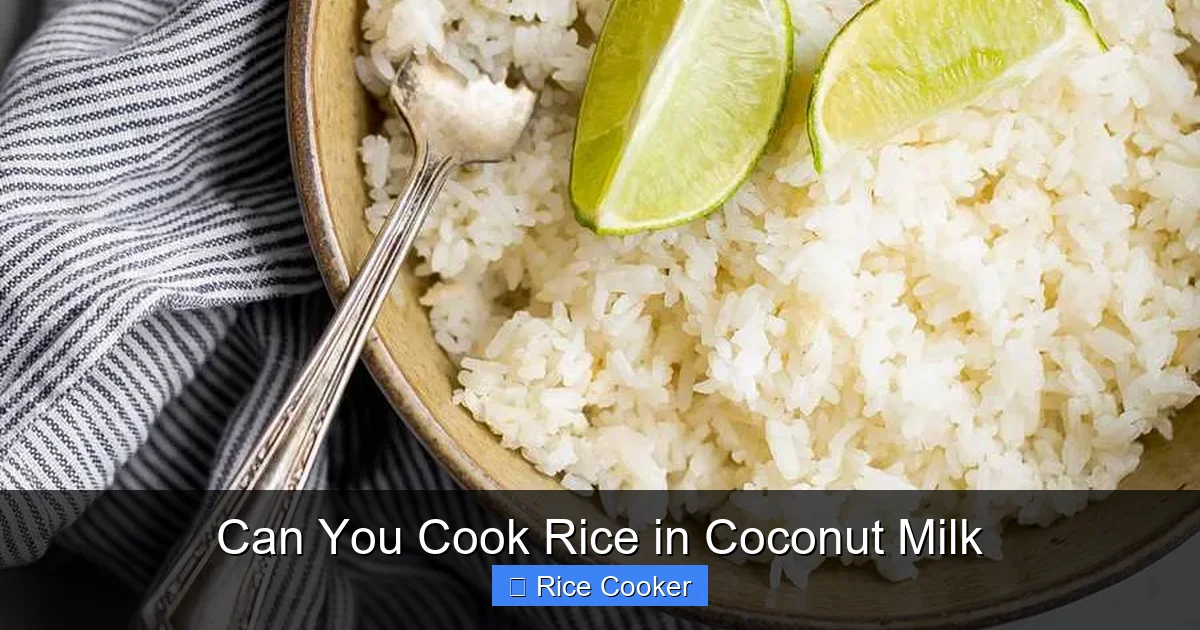
Cooking rice in coconut milk is not only possible—it’s delicious! This method creates rich, aromatic dishes like Thai coconut rice or Filipino arroz caldo. Whether you’re using a stovetop or a rice cooker, the key is balancing flavors and moisture for fluffy yet creamy results every time.
Cooking rice in coconut milk might sound exotic at first, but it’s one of the most comforting and flavorful ways to prepare rice. Originating from Southeast Asian cuisines like Thai, Filipino, and Indonesian cooking, this technique transforms plain white rice into a luscious, aromatic side dish. The natural sweetness and rich creaminess of coconut milk elevate the grain, making every bite satisfying and indulgent. Whether you’re looking for a quick weeknight meal or a showstopper for a dinner party, coconut rice delivers both flavor and visual appeal.
The magic lies in how coconut milk interacts with the starches in rice. As the grains cook, they absorb the liquid, releasing their own starch into the broth, which thickens the mixture and gives it that signature creamy texture. When done right, the result is tender, slightly chewy rice that clings together without being mushy. Plus, coconut milk adds subtle nutty notes and a hint of sweetness that pairs wonderfully with savory, spicy, or even sweet dishes. With just a few simple steps and the right tools—like a rice cooker—you can master this technique easily at home.
Key Takeaways
- Yes, you can cook rice in coconut milk: It produces a creamy, fragrant dish with a unique tropical flavor.
- Best rice types work best: Jasmine or glutinous (sticky) rice absorb coconut milk beautifully.
- Use a 1:1 rice-to-liquid ratio: Start with equal parts rice and coconut milk for balanced texture.
- Rice cookers simplify the process: They regulate heat and timing automatically for consistent results.
- Add seasonings wisely: Salt, sugar, or lemongrass enhance flavor without overpowering.
- Rest before serving: Letting cooked rice sit helps absorb excess liquid and improves texture.
- Pair with curries or proteins: Coconut rice complements spicy dishes and savory mains perfectly.
Quick Answers to Common Questions
Can I use any type of rice for coconut milk cooking?
Not all rice types work equally well. Jasmine, sushi, glutinous, and Calrose rice are best because they absorb liquid and develop a creamy texture. Avoid long-grain basmati unless you rinse it thoroughly and cook longer.
Do I need a special rice cooker setting?
Most standard rice cookers work fine. If yours has a “porridge” or “cream” setting, use it. Otherwise, the default “white rice” mode is sufficient. Avoid high-heat settings that could scorch the bottom.
How do I prevent my coconut rice from becoming mushy?
Use a precise 1:1 rice-to-coconut-milk ratio, don’t stir constantly, and avoid opening the lid during cooking. Let it rest after cooking to let excess moisture redistribute. Rinsing the rice beforehand also helps.
Can I substitute water for some coconut milk?
Yes! Mix coconut milk with water or broth in a 1:1 ratio for a lighter version. You can also use half coconut milk and half vegetable or chicken broth for added depth without heaviness.
Is coconut milk rice suitable for meal prep?
Absolutely. Cook a large batch, store in the fridge for up to 4 days, and reheat with a splash of liquid. It freezes well for up to 3 months. Perfect for busy weeks or lunch boxes.
📑 Table of Contents
- Why Cook Rice in Coconut Milk?
- The Right Rice for Coconut Milk Cooking
- Choosing Between Stovetop and Rice Cooker Methods
- Perfecting the Ratio and Texture
- Flavor Variations and Global Twists
- Health Benefits and Nutritional Notes
- Storage and Reheating Tips
- Pairing Suggestions: What Goes Best With Coconut Rice?
Why Cook Rice in Coconut Milk?
There are countless reasons to try cooking rice in coconut milk, and each brings its own charm. First, it enhances flavor complexity. Coconut imparts a mild sweetness and depth that plain water simply can’t match. Second, it creates a luxurious mouthfeel—perfect for pairing with bold spices like turmeric, chili, or curry paste. Third, it’s naturally gluten-free and dairy-free, making it a great option for many dietary needs. Beyond that, cooking in coconut milk is incredibly forgiving. Even if you overpour a little liquid, the rice will still turn out edible and tasty.
Another benefit is versatility. You can use it as a base for fried rice, stir-fries, or even desserts like coconut sticky rice. In some cultures, like in the Philippines, coconut rice is a staple served alongside adobo or sinigang. In Thailand, it’s often enjoyed with grilled meats or spicy salads. No matter where you’re from, coconut rice brings warmth and comfort to the table. And let’s be honest—there’s something undeniably cozy about a bowl of golden, fragrant rice steaming hot from the pot.
The Right Rice for Coconut Milk Cooking
Not all rice types behave the same way when cooked in coconut milk. To get the best results, choose varieties known for their ability to absorb liquids and develop a soft, clingy texture. Jasmine rice is a top pick. Its long, slender grains release starch easily, creating a slightly sticky but not gummy consistency. It also has a natural floral aroma that complements coconut beautifully.
Another excellent option is glutinous (or sticky) rice. Despite the name, it doesn’t contain gluten—it’s high in amylopectin starch, which makes it ideal for absorbing rich liquids like coconut milk. This type is commonly used in Vietnamese bánh chưng or Japanese mochi-inspired dishes. If you prefer a shorter grain, consider sushi rice or Calrose rice. These hold their shape well while still soaking up flavor.
Avoid using basmati rice unless you rinse it thoroughly and cook it longer. Basmati tends to stay separate and drier, which clashes with the creamy nature of coconut milk. Stick to short to medium-grain varieties for the best texture and flavor absorption. Always measure carefully, too—different rice types have different water absorption rates, so adjust ratios slightly based on your brand.
Recommended Rice Types Table
| Rice Type | Best For | Texture Result |
|---|---|---|
| Jasmine | Thai-style dishes | Soft, slightly sticky, fragrant |
| Glutinous | Desserts or traditional meals | Chewy, clingy, creamy |
| Sushi Rice | Molded rice or sushi bases | Tender, moist, cohesive |
| Calrose | Everyday meals | Fluffy with slight stickiness |
Choosing Between Stovetop and Rice Cooker Methods
You can cook coconut milk rice either on the stove or in a rice cooker—both work, but they offer different levels of control and convenience. A rice cooker is often easier for beginners. Simply add rice and coconut milk, press a button, and walk away. The appliance handles temperature regulation, so you don’t risk burning or undercooking. Most modern rice cookers also have a “porridge” or “cream” setting that’s perfect for this kind of dish.
On the other hand, stovetop cooking gives you more hands-on control. You can stir occasionally to prevent sticking, taste as you go, and adjust seasoning mid-cook. Some chefs swear by this method for developing deeper flavor layers. However, it requires constant attention, especially during the last 5–10 minutes, to check doneness and adjust heat.
For busy households, a rice cooker wins hands-down. Just measure ingredients once, add them, and let technology do the rest. For those who enjoy experimenting with textures and sauces, the stovetop offers flexibility. Whichever method you choose, remember: low and steady heat is key. Boiling aggressively can cause the rice to become mushy or burn at the bottom.
Step-by-Step: Rice Cooker Method
- Rinse 1 cup jasmine or sushi rice under cold water until the water runs clear.
- In the rice cooker, combine 1 cup rice with 1 cup full-fat coconut milk (unsweetened recommended).
- Add 1/2 teaspoon salt and optional aromatics like a strip of kaffir lime leaf or a pinch of cardamom.
- Close the lid and select the “white rice” or “normal” setting. Press start.
- Once the cycle ends, let it rest for 10 minutes with the lid open to release steam.
- Fluff gently with a fork before serving.
Step-by-Step: Stovetop Method
- Bring 1 cup coconut milk to a gentle simmer in a saucepan over medium heat.
- Add rinsed rice and stir to coat. Bring to a boil.
- Reduce heat to low, cover, and simmer for 18–20 minutes.
- Turn off heat and let sit covered for 10 minutes.
- Remove lid, fluff, and adjust seasoning if needed.
Perfecting the Ratio and Texture
Getting the right balance between rice and coconut milk is crucial. Too much liquid = soupy, mushy rice. Too little = dry, hard grains. The standard starting point is a 1:1 ratio—one part rice to one part coconut milk by volume. But always consider the fat content. Full-fat coconut milk yields creamier results; light versions may need an extra splash of water or broth to compensate.
After cooking, test the texture. The rice should be tender but not falling apart. If it’s too wet, spread it out on a baking sheet and warm it in the oven at 200°F (95°C) for 10–15 minutes to evaporate excess moisture. Conversely, if it’s too dry, sprinkle in a tablespoon of warm water or coconut cream and mix gently.
Seasoning plays a big role, too. Add salt early to help the rice absorb flavor. A pinch of sugar balances richness, especially in savory dishes. For extra aroma, toss in a bay leaf, cinnamon stick, or a few pandan leaves (common in Southeast Asian cooking). Remove solids before serving for clean presentation.
Common Mistakes to Avoid
- Not rinsing the rice: Leftover starch causes gummy texture.
- Using sweetened coconut milk: Adds unwanted sugar unless you’re making dessert.
- Overcrowding the pot: Use at least twice the volume of the pot to allow even cooking.
- Peeking too often: Steam escapes, lowering internal temperature and extending cook time.
- Skipping the rest period: Resting allows moisture to distribute evenly.
Flavor Variations and Global Twists
Coconut milk rice isn’t just one dish—it’s a canvas for creativity. In the Philippines, it’s called “kanin sa gata” and often served with garlic fried pork (baconado) or fish stew. In Thailand, it’s a common accompaniment to green or yellow curry. In India, you might see it paired with biryani spices like saffron, cloves, and rosewater.
Try adding turmeric for golden color and earthy notes—ideal for Indian or Caribbean dishes. Infuse with lemongrass and galangal for a Thai twist. For a savory-sweet profile, stir in a bit of brown sugar and fish sauce. Dessert lovers can fold in shredded coconut, condensed milk, and pandan extract.
Leftovers? Reheat with a splash of water or coconut milk to revive moisture. Serve with fried shallots or crispy bits for crunch. Freeze portions in airtight containers for up to 3 months—just thaw and fluff before eating.
Sample Recipe: Spiced Coconut Jazmín Rice
Ingredients:
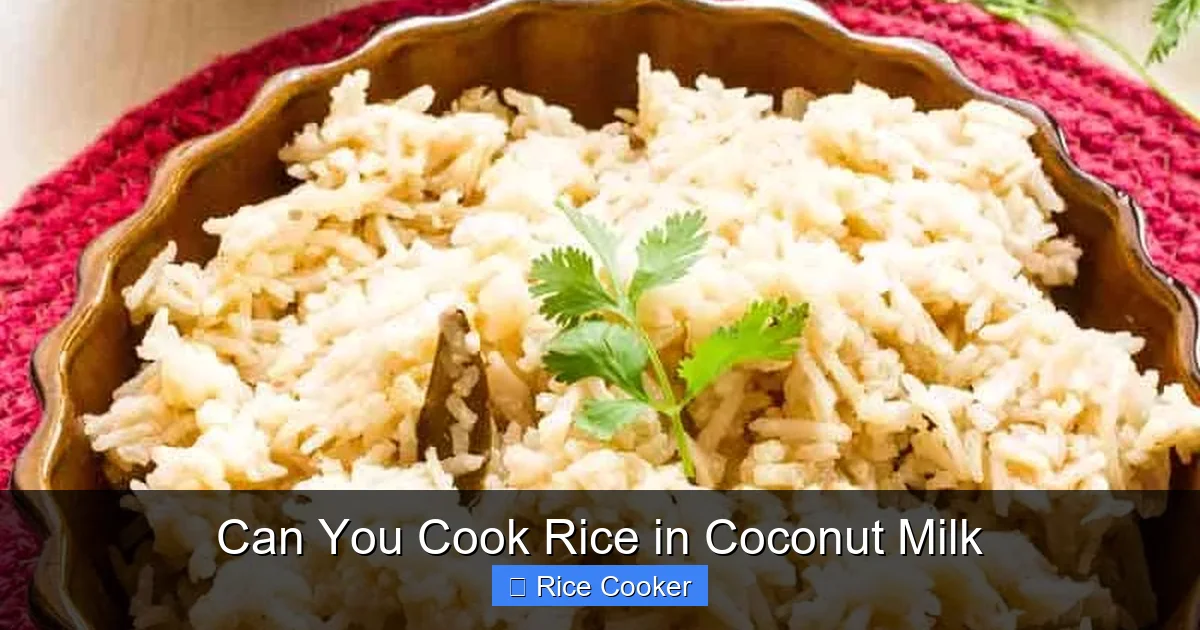
Visual guide about Can You Cook Rice in Coconut Milk
Image source: speakingaloud.in
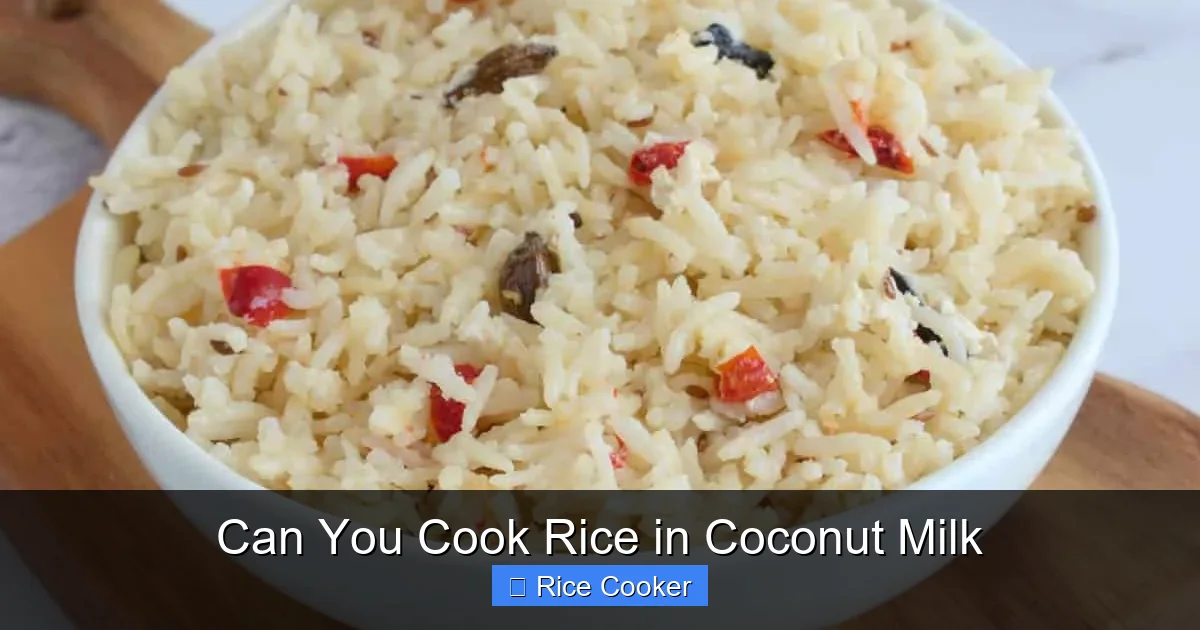
Visual guide about Can You Cook Rice in Coconut Milk
Image source: thericechick.com
- 1 cup jasmine rice
- 1 cup full-fat coconut milk
- 1/2 cup water
- 1 small cinnamon stick
- 3 whole black peppercorns
- Pinch of ground turmeric
- 1/4 tsp salt
- 1 tbsp butter or ghee (optional)
Instructions:
- Rinse rice until water clears. Drain well.
- In a rice cooker, combine all ingredients except butter.
- Cook on normal setting. After cycle ends, stir in butter and let rest 10 minutes.
- Discard solids (cinnamon, peppercorns). Fluff and serve.
Health Benefits and Nutritional Notes
Cooking rice in coconut milk isn’t just delicious—it has nutritional perks too. Coconut milk provides healthy fats that support metabolism and hormone production. It’s also rich in medium-chain triglycerides (MCTs), which are easily digested and quickly converted into energy. Unlike heavy cream, coconut milk contains no cholesterol and is lactose-free.
That said, portion matters. While full-fat coconut milk is more flavorful, it’s calorie-dense. Opt for light versions or dilute with broth if watching calories. Always choose unsweetened varieties to avoid added sugars. Pair your coconut rice with protein-rich sides like grilled chicken, beans, or tofu for a balanced meal.
For those with nut allergies, coconut is technically a fruit seed—not a tree nut—so it’s safe for most people. Still, consult a doctor if you have severe food sensitivities. Overall, coconut rice can fit into many diets when prepared mindfully.
Storage and Reheating Tips
Freshly made coconut rice tastes amazing, but leftovers can be just as good—if handled properly. Store cooled rice in an airtight container in the fridge for up to 4 days. To reheat, sprinkle a tablespoon of water or coconut milk over the top, cover loosely, and microwave in 30-second bursts until warm. Stir between intervals to prevent drying.
Freezing is another great option. Portion into ice cube trays or small containers. Once frozen, transfer to zip-top bags labeled with dates. Thaw overnight in the fridge and reheat as above. Avoid microwaving straight from frozen—it leads to uneven heating.
Never leave coconut rice at room temperature for more than two hours to prevent bacterial growth. If you notice off smells or sliminess, discard immediately. Proper storage preserves both flavor and safety.
Pairing Suggestions: What Goes Best With Coconut Rice?
Coconut rice shines when matched with complementary dishes. Its creamy texture stands up to bold flavors like curry, chili, or barbecue sauce. Try it with:
- Thai Green Curry: The spice cuts through the richness.
- Filipino Adobo: Tangy vinegar sauce balances the sweetness.
- Indian Chicken Tikka: Tandoori spices enhance the aromatic notes.
- Vietnamese Lemongrass Pork: Herbs and citrus brighten the dish.
- Seafood Stews: Shrimp or mussels swim happily in coconut broth.
Even breakfast gets a makeover! Serve warm coconut rice topped with scrambled eggs, crispy bacon, and a drizzle of honey. Or mix in fresh mango slices for a tropical twist. Dessert lovers can add banana slices, toasted nuts, and a dollop of whipped cream.
Frequently Asked Questions
What kind of coconut milk should I use?
Use full-fat, unsweetened coconut milk for the richest flavor and texture. Light versions are okay but may require extra liquid. Avoid canned sweetened varieties unless making dessert.
Can I add vegetables or protein while cooking?
It’s better to cook rice separately and combine later. Adding veggies or meat can alter cooking time and texture. However, you can stir in steamed broccoli or tofu after cooking for a quick side.
Why does my rice stick to the bottom?
This usually happens due to high heat or lack of stirring. Use medium-low heat, ensure enough liquid, and stir once halfway through cooking if using a stovetop. Non-stick pans help prevent sticking.
Can I make coconut rice ahead of time?
Yes! Cooked rice keeps well in the fridge for up to 4 days. Reheat gently with a spoonful of water or coconut milk to restore creaminess. Avoid reheating multiple times to maintain quality.
Does coconut milk rice keep its flavor in the freezer?
Yes, but texture may change slightly upon thawing—it can become denser. For best results, portion into small containers and thaw slowly in the refrigerator. Add a splash of liquid when reheating.
Can I use flavored coconut milk?
Only if you’re making dessert. Vanilla- or pandan-flavored coconut milk can work, but they may clash with savory dishes. Stick to plain for everyday meals, and reserve flavored types for special treats.