
Can you cook rice in a cast iron pot? Absolutely! While not the most common method, cooking rice in a cast iron pot delivers rich flavor, even heat distribution, and a satisfying texture. With the right technique, you can achieve fluffy, tender rice that rivals your rice cooker—no fancy equipment needed.
Key Takeaways
- Cast iron retains heat well: Its excellent thermal mass ensures steady cooking, reducing the risk of burning or unevenly cooked grains.
- Flavor enhancement: Cooking rice in seasoned cast iron adds subtle smokiness and depth, especially when using broth instead of water.
- Versatility: A cast iron pot works for white rice, brown rice, jasmine, basmati, and even risotto-style dishes.
- Requires monitoring: Unlike a rice cooker, you’ll need to keep an eye on water levels and stir occasionally to prevent sticking.
- Proper prep is key: Rinse rice, use the correct water ratio, and let it rest after cooking for best results.
- Cleaning matters: Avoid soaking cast iron in water; clean gently with hot water and a brush to preserve seasoning.
- Best for small batches: Ideal for 2–4 servings, as large quantities may not distribute heat evenly.
📑 Table of Contents
- Cooking Rice in a Cast Iron Pot: The Ultimate Guide
- Why Choose Cast Iron for Cooking Rice?
- What Type of Rice Works Best in Cast Iron?
- Step-by-Step Guide: How to Cook Perfect Rice in Cast Iron
- Common Mistakes to Avoid
- Cleaning and Maintaining Your Cast Iron After Cooking Rice
- Creative Recipes Using Cast Iron Rice
- Cast Iron vs. Rice Cooker: Which Is Better?
- Final Thoughts: Embrace the Tradition
Cooking Rice in a Cast Iron Pot: The Ultimate Guide
Imagine waking up to the warm, comforting aroma of freshly cooked rice—soft, tender, and slightly smoky from the edges. You reach for your trusty cast iron skillet, already seasoned and ready for action. But wait…can you actually cook rice in a cast iron pot? The short answer? Yes, absolutely. In fact, many home cooks swear by this method for its rich flavor and rustic appeal.
While rice cookers have become the go-to appliance for perfectly cooked grains, there’s something undeniably charming about using a cast iron pot. It’s versatile, durable, and can transform a simple bowl of rice into a gourmet experience. Whether you’re preparing sushi rice, creamy jambalaya, or fluffy jasmine, cast iron brings a unique character to the dish. Plus, if you’re camping or don’t have access to electricity, it’s a reliable backup.
In this comprehensive guide, we’ll walk you through everything you need to know—from choosing the right pot and rice type to mastering the cooking process and cleaning afterward. By the end, you’ll be confident cooking rice in cast iron like a pro. Let’s get started!
Why Choose Cast Iron for Cooking Rice?
Before diving into the “how-to,” let’s explore why cast iron is such a compelling choice—even for something as seemingly simple as rice.
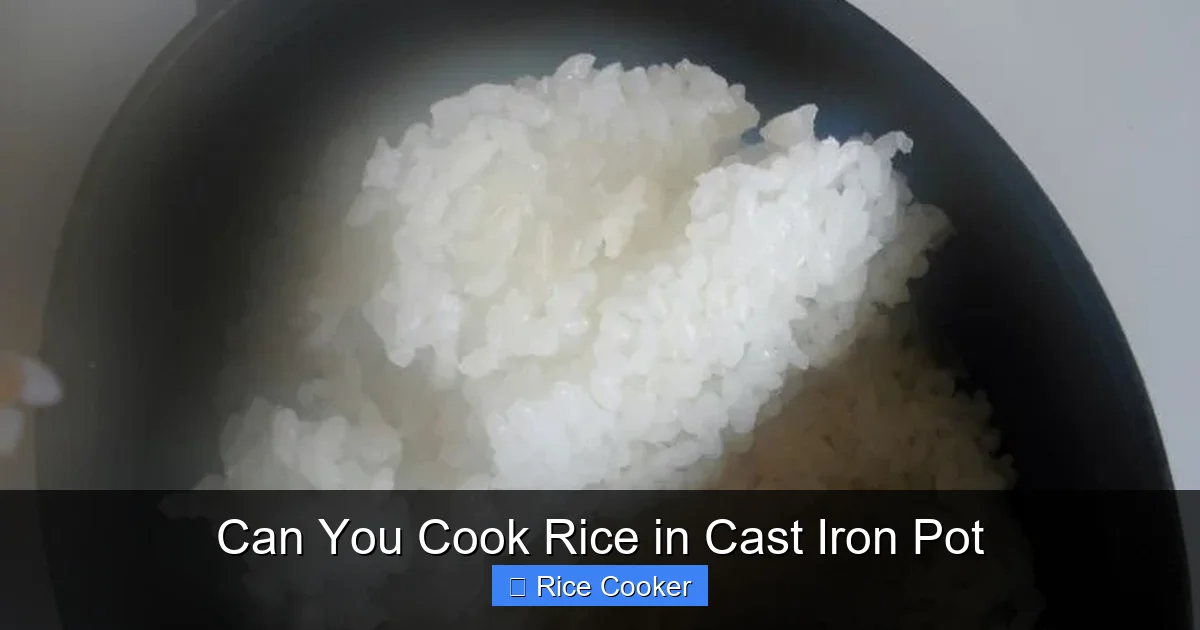
Visual guide about Can You Cook Rice in Cast Iron Pot
Image source: i.pinimg.com
Superior Heat Retention
One of the standout features of cast iron is its ability to retain and distribute heat evenly. Unlike stainless steel or non-stick pans, which lose heat quickly, cast iron stays hot long after you turn off the stove. This means your rice cooks slowly and steadily, reducing the chance of scorching at the bottom or undercooking at the top.
This consistency is especially helpful when cooking delicate grains like basmati or jasmine, which require precise moisture control. With cast iron, you’re less likely to end up with mushy or dry rice—because the temperature remains stable throughout the cooking process.
Enhanced Flavor Profile
Rice absorbs flavors from its cooking liquid, and cast iron adds a subtle, nutty undertone thanks to its seasoned surface. When you sauté aromatics like garlic or onions in the same pot before adding rice, those flavors infuse deeply into the grains. It’s like giving your rice a slow-cooked, soulful background note.
Additionally, cooking rice in broth instead of plain water (a technique known as “absorption method”) becomes even more delicious in cast iron. The metal interacts gently with the liquid, helping to lock in moisture and enhance taste without any chemical leaching.
Eco-Friendly & Long-Lasting
Cast iron pots are made to last generations. They’re free from BPA, PFOA, and other harmful coatings found in some non-stick pans. Once properly seasoned, they become naturally non-stick and resistant to rust—making them a sustainable choice for health-conscious cooks.
And because they’re so durable, you won’t need to replace them every few years. Think of it as investing in a kitchen heirloom that improves with use.
What Type of Rice Works Best in Cast Iron?
Not all rice is created equal—and not all types respond the same way to cast iron cooking. Here’s what to consider:
Visual guide about Can You Cook Rice in Cast Iron Pot
Image source: flusterbuster.com
Long-Grain White Rice
White basmati, jasmine, and American long-grain varieties are ideal for cast iron. Their starch content allows them to stay separate and fluffy when cooked properly. These grains also absorb flavors well, making them perfect for pilafs or fried rice.
Brown Rice
Brown rice has more fiber and takes longer to cook than white rice. It requires a higher water ratio and slightly longer simmering time. However, it still works beautifully in cast iron—especially if you soak it beforehand to reduce cooking time and improve texture.
Sushi Rice
Sushi rice (short-grain Japanese rice) needs to be sticky and tender. While trickier due to its high starch content, it can be done in cast iron with careful attention to water levels and stirring. Some chefs even recommend using a lid with a small vent to trap steam.
Wild or Brown Basmati
These specialty rices have a nutty flavor and chewy texture. They benefit from the even heating of cast iron and often shine in ethnic dishes like biryanis or pilafs.
Avoid Short-Grain Sticky Rice (for everyday use)
While technically possible, short-grain rice tends to clump together in cast iron unless stirred constantly. It’s better suited for steaming baskets or dedicated rice cookers.
Step-by-Step Guide: How to Cook Perfect Rice in Cast Iron
Ready to try it yourself? Follow these simple steps for foolproof results every time.
Gather Your Ingredients & Tools
- 1½ cups rice (rinsed)
- 2 cups water or broth
- 1 tablespoon oil or butter (optional, for added richness)
- Pinch of salt
- Small cast iron pot or Dutch oven (1.5–2 quarts)
- Lid that fits snugly (or aluminum foil)
- Wooden spoon or spatula
Step 1: Rinse the Rice
Wash your rice under cold running water until the water runs clear. This removes excess starch, preventing gumminess. For brown rice, rinse lightly—it contains natural oils that help prevent spoilage.
Step 2: Sauté Aromatics (Optional)
Heat 1–2 tablespoons of oil in your cast iron pot over medium heat. Add diced onions, garlic, ginger, or herbs. Sauté for 1–2 minutes until fragrant. This step builds flavor but isn’t required for plain white rice.
Step 3: Toast the Rice (Optional)
Add rinsed rice to the pot and toast for 1–2 minutes, stirring constantly. This helps each grain develop a light crust and improves texture. Don’t skip this step if you want fluffier rice!
Step 4: Add Liquid and Salt
Pour in water or broth, then add salt. Stir once to combine. Bring to a gentle boil.
Step 5: Cover and Simmer
Reduce heat to low. Cover tightly with a lid. Let simmer undisturbed for:
- White rice: 18–20 minutes
- Brown rice: 40–45 minutes
- Bamboo shoots: 35–40 minutes
Do not lift the lid during this time—steam must build pressure for even cooking.
Step 6: Rest and Fluff
Turn off the heat and let the rice sit, covered, for 5–10 minutes. Then gently fluff with a fork. This final resting period allows moisture to redistribute evenly.
Pro Tips for Success
- Use a pot size appropriate for your rice amount. Too much rice leads to uneven cooking.
- If rice starts to stick, add a splash of hot water and slide a wooden spoon between the pot and rice to loosen.
- For extra flavor, substitute half the water with vegetable or chicken broth.
- Never stir too often—this releases starch and makes rice gluey.
Common Mistakes to Avoid
Even experienced cooks make errors when switching methods. Here’s how to sidestep them.
Mistake #1: Using the Wrong Water Ratio
The standard rule is 2:1 water-to-rice for white rice. Brown rice needs more—about 2.5:1. Too little water = dry rice. Too much = mushy.
Mistake #2: Not Covering Properly
A loose lid lets steam escape, leading to uneven cooking. Use a tight-fitting lid or cover the pot with foil first, then place the lid on top.
Mistake #3: Stirring Constantly
Stirring breaks down the structure of rice grains and causes them to stick. Only stir once at the beginning if toasting, and avoid touching during simmering.
Mistake #4: Skipping the Resting Period
Rushing the rest step results in clumpy or unevenly hydrated grains. Patience pays off!
Mistake #5: Cleaning Immediately After Use
Let the pot cool completely before washing. Hot cast iron exposed to cold water can crack. Also, avoid soap—it strips the seasoning.
Cleaning and Maintaining Your Cast Iron After Cooking Rice
Proper care extends the life of your cast iron and keeps it performing well for years.
Immediate Care
Once cooled, scrape off any stuck rice with a wooden utensil. Do not scrub aggressively—gentle handling preserves the seasoning layer.
Hand Wash Only
Use hot water and a stiff brush or sponge. Mild dish soap is acceptable but not necessary. Rinse thoroughly and dry immediately with a towel or heat on the stove until no moisture remains.
Seasoning Maintenance
If your rice sticks despite good technique, it might be time to re-season. Apply a thin coat of oil (like vegetable or flaxseed) and bake at 450°F (230°C) for 1 hour. Repeat as needed.
Storage Tips
Store your cast iron dry and preferably uncovered to prevent moisture buildup. If stacking, place a paper towel between pots to avoid scratching.
Creative Recipes Using Cast Iron Rice
Now that you’ve mastered the basics, let’s elevate your rice game with these delicious ideas.
Garlic Herb Pilaf
Sauté diced onion and minced garlic in olive oil. Add rinsed basmati rice and toast for 1 minute. Pour in chicken broth, add thyme, bay leaf, and salt. Simmer covered for 18 minutes. Remove from heat, rest 5 minutes, then fluff and garnish with parsley.
Jamaican Jerk Rice
In a cast iron pot, cook chopped bell peppers and onions with jerk seasoning. Add rice and saffron-infused water. Simmer for 20 minutes. Serve with grilled chicken or plantains.
Vegetable Fried Rice
Cook rice in advance (cooled). Heat oil in cast iron, scramble eggs, push to one side. Add peas, carrots, and diced onion. Stir in rice, soy sauce, and sesame oil. Cook 5 minutes until heated through.
Brown Rice Porridge
Combine brown rice with almond milk, cinnamon, and maple syrup. Simmer covered for 40 minutes, stirring occasionally. Top with fresh berries and nuts.
Cast Iron vs. Rice Cooker: Which Is Better?
It’s not either/or—they serve different purposes. Here’s how they compare.
| Feature | Cast Iron Pot | Rice Cooker |
|---|---|---|
| Convenience | Requires monitoring | Fully automatic—just press start |
| Flavor | Rich, deep, smoky notes | Neutral, consistent |
| Energy Use | Uses stovetop heat | Electricity-powered |
| Batch Size | Best for 2–4 servings | Handles large batches easily |
| Portability | Heavy, not ideal for travel | Lighter models available |
| Cost | One-time investment | Initial cost higher |
Bottom line: Use a rice cooker for daily meals where consistency is key. Turn to cast iron when you want bold flavor, are cooking smaller portions, or simply enjoy the ritual of traditional stovetop cooking.
Final Thoughts: Embrace the Tradition
Cooking rice in a cast iron pot isn’t just a technique—it’s a connection to centuries-old culinary traditions. From campfires to cast-iron Dutch ovens used in professional kitchens, this method has stood the test of time.
Yes, it demands a bit more attention than popping rice in a machine. But the reward? A bowl of rice that tastes richer, smells better, and feels handmade. That quiet satisfaction of seeing your grains puff up perfectly, golden at the edges, is worth every second.
So next time you open your pantry and see a bag of rice and a well-loved cast iron pot, remember: you don’t need a special gadget. Sometimes, the simplest tools yield the most delicious results.
Frequently Asked Questions
Can you cook rice in a cast iron pot without burning it?
Yes, as long as you use the right water ratio, cover the pot tightly, and avoid stirring too often. Low heat and even simmering prevent scorching.
How do I prevent my rice from sticking to cast iron?
Toast the rice briefly before adding liquid, use enough oil or butter, and never stir during the simmer phase. A well-seasoned pot is naturally non-stick.
Is it safe to cook acidic foods like tomatoes in cast iron?
Short-term use is fine, but prolonged exposure to acidic ingredients can damage the seasoning. Clean immediately and re-season if needed.
Can I cook rice in cast iron on an induction stove?
Absolutely! Cast iron is compatible with all stovetop types, including induction, gas, and electric.
How long does it take to cook brown rice in cast iron?
Approximately 40–45 minutes of simmering, followed by a 10-minute rest. Soaking the rice beforehand can reduce this time.
Should I rinse rice before cooking in cast iron?
Yes! Rinsing removes excess starch and prevents mushy rice. Rinse until the water runs clear for white rice; rinse lightly for brown rice.