

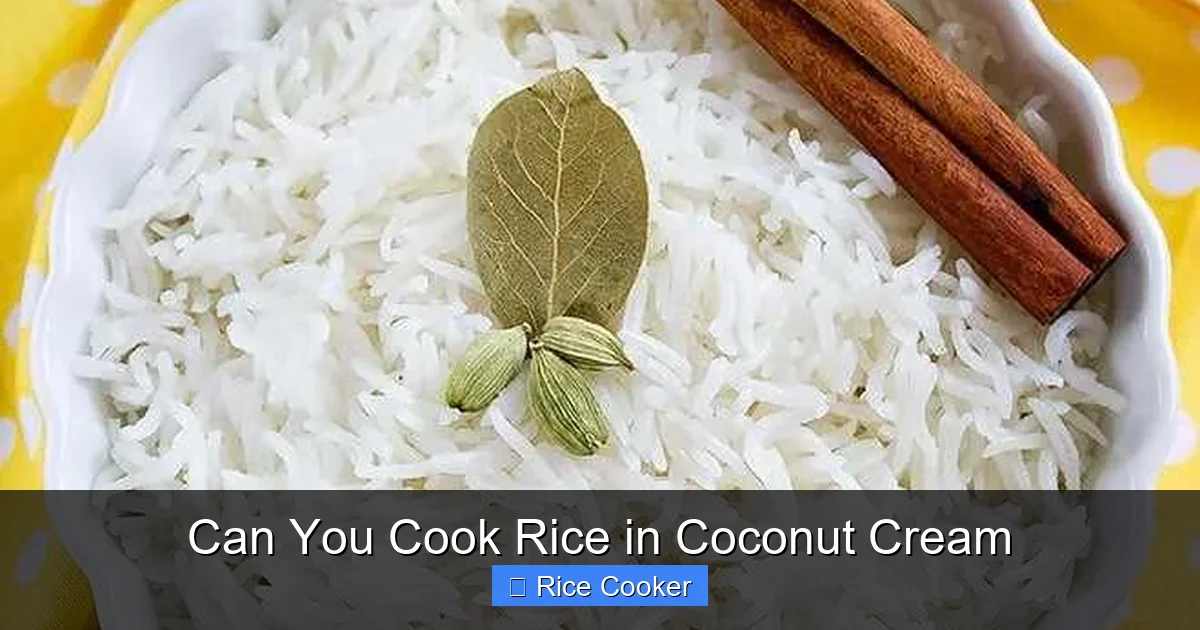
Can you cook rice in coconut cream? Absolutely! Using coconut cream instead of water creates rich, aromatic rice perfect for curries, desserts, and more. With the right ratio and technique, your rice cooker makes it simple and foolproof.
Have you ever wondered if you can cook rice in coconut cream? The idea might sound unusual at first, but it’s actually a delicious and surprisingly easy way to elevate your rice game—especially if you love bold, tropical flavors. Whether you’re making a savory Thai-inspired dish or a sweet dessert, cooking rice in coconut cream gives it a creamy texture and rich aroma that regular water simply can’t match. And the best part? You don’t need special equipment—most standard rice cookers can handle it just fine.
In this article, we’ll walk you through everything you need to know about cooking rice in coconut cream, from the science behind why it works to practical tips and mouthwatering recipes. Whether you’re a beginner in the kitchen or a seasoned home chef looking to try something new, this guide will help you master the art of coconut-infused rice with confidence. Let’s dive in!
Key Takeaways
- Understanding can you cook rice in coconut cream: Provides essential knowledge
📑 Table of Contents
Why Cook Rice in Coconut Cream?
Cooking rice in coconut cream isn’t just a trend—it’s rooted in culinary traditions across Southeast Asia, where coconut is a staple ingredient. In Thailand, Laos, and Indonesia, rice cooked in coconut milk forms the foundation of countless dishes, from fragrant curries to comforting breakfast porridges. But what makes coconut cream such a game-changer?
First, let’s talk about flavor. Coconut cream has a deep, nutty sweetness that infuses into every grain of rice, creating a naturally aromatic dish. Unlike coconut milk (which contains more water), coconut cream is thicker and richer, so it clings to the rice grains beautifully. This results in a luxurious, almost custard-like texture that’s perfect for both savory and sweet applications.
Second, cooking in coconut cream changes how the rice absorbs moisture. Because coconut cream is denser than water, the rice swells more slowly, which helps prevent mushiness. This method also reduces the risk of burning—especially important when using a rice cooker, which relies on consistent heat distribution.
Finally, using coconut cream allows you to build layers of flavor without adding extra salt or spices upfront. The subtle sweetness balances savory ingredients in dishes like green curry, while in desserts, it pairs wonderfully with cinnamon, vanilla, or tropical fruits.
What Kind of Rice Works Best?
Visual guide about Can You Cook Rice in Coconut Cream
Image source: metrocookingdallas.com
Not all rice is created equal when it comes to cooking in coconut cream. You’ll want to choose varieties that can handle rich liquids without turning into mush or becoming overly sticky. Here are the top contenders:
Jasmine Rice
If you’ve ever eaten Thai food at a restaurant, chances are you’ve tasted jasmine rice—a long-grain variety known for its slightly sticky texture and floral aroma. Jasmine rice holds up beautifully in coconut cream because it absorbs the liquid evenly and retains a light, fluffiness even after cooking. It’s ideal for savory dishes like coconut chicken or vegetable stir-fries.
Basmati Rice
Basmati rice brings a unique nutty fragrance and distinct separation between grains. While it typically cooks in water, it also works well in coconut cream when measured carefully. Use a 1:1 ratio of rice to coconut cream for a mild, aromatic side dish. Just be sure not to overcook, or the grains may become gummy.
Glutinous Rice (Sticky Rice)
Don’t let the name fool you—glutinous rice isn’t sticky because it’s full of gluten. Instead, it’s high in amylopectin, a starch that gives it an exceptionally chewy texture. Traditionally steamed or boiled, glutinous rice can also be cooked in coconut cream for desserts like mango sticky rice or coconut rice balls. However, because it’s already sticky, use less coconut cream than you would with other types.
Arborio Rice
While not traditionally used in Asian cuisine, Arborio rice—the star of Italian risotto—can be adapted for coconut-based versions. Its high starch content creates a creamy consistency when stirred constantly, but since most rice cookers don’t stir, this method requires extra attention. For best results, finish cooking by simmering and stirring manually.
For everyday cooking, jasmine or basmati rice are your safest bets. They’re widely available, affordable, and versatile enough for both weeknight dinners and special occasions.
How to Cook Rice in Coconut Cream Using a Rice Cooker

Visual guide about Can You Cook Rice in Coconut Cream
Image source: m.media-amazon.com
One of the biggest advantages of cooking rice in coconut cream is that it’s incredibly convenient—especially if you own a rice cooker. These handy appliances take the guesswork out of timing and temperature control, ensuring perfectly cooked rice every time. Here’s how to do it step by step:
Step 1: Measure Your Ingredients
The key to success lies in the ratio. A good starting point is **1 cup of uncooked rice** paired with **1 cup of coconut cream**. If you prefer a lighter version, you can substitute half coconut cream and half water (or coconut milk). For sweeter dishes, add 1–2 tablespoons of sugar or maple syrup.
Step 2: Rinse the Rice
Just like when cooking plain white rice, rinsing removes excess starch and prevents stickiness. Place your rice in a sieve and run it under cold water until the water runs clear. This step is especially important with jasmine rice, which tends to get clingy otherwise.
Step 3: Add Everything to the Rice Cooker
Pour the rinsed rice and coconut cream (and any added sugar) into the inner pot of your rice cooker. Give it a gentle stir to distribute the liquid evenly. No need to preheat or sauté—unlike stovetop methods, rice cookers work best with raw ingredients.
Step 4: Start Cooking
Close the lid and press “Cook” or select the appropriate setting (usually “White Rice” or “Normal”). The machine will automatically detect when the rice is done—no timers, no watching the stove!
Step 5: Let It Rest
Once the cycle ends, let the rice sit inside the cooker for 10 minutes with the lid closed. This resting period allows steam to redistribute, resulting in fluffier grains. Then, fluff gently with a fork before serving.
Pro Tip: If your rice cooker has a “Keep Warm” function, avoid using it for longer than 30 minutes, as prolonged exposure to heat can dry out the rice and alter its texture.
Troubleshooting Common Issues
Even with the best intentions, things don’t always go according to plan. Don’t worry—these common problems have simple fixes:
Too Much Liquid
If your rice turns out soupy, it likely absorbed more liquid than it needed. Next time, reduce the amount of coconut cream by ¼ cup. Also, make sure you’re using **coconut cream**, not coconut milk—the former is thicker and less watery.
Rice Sticks to the Bottom
Burned or stuck-on rice usually means the liquid evaporated too quickly. To prevent this:
– Use a non-stick rice cooker pot.
– Stir once halfway through cooking (if your model allows it).
– Add a splash of water if the pot starts to look dry.
Rice Is Too Dry
This happens if you used too little coconut cream or didn’t let it rest. Increase the liquid next time by 1–2 tablespoons per cup of rice. Also, check your rice cooker’s manual—some models require a thin layer of oil or butter to prevent sticking.
Overly Sweet Taste
Coconut cream can be naturally sweet, especially if it’s sweetened. For savory dishes, try unsweetened versions or balance the flavor with a pinch of salt, lime juice, or fish sauce. In desserts, adjust sugar gradually to taste.
Grains Are Mushy
Mushy rice often results from overcooking. Stick to recommended cook times, and never open the lid during cooking—this disrupts steam buildup. If you notice mushiness, save the rice for rice pudding or fried rice where texture doesn’t matter as much.
Delicious Recipes Using Coconut Cream-Rice
Now that you know how to cook the basics, let’s explore some inspired ways to use your coconut-infused rice:
Coconut Chicken Curry Rice
Combine cooked coconut cream rice with tender chicken pieces, green curry paste, bell peppers, and bamboo shoots. Simmer until heated through and serve garnished with fresh cilantro. The rice acts as a flavorful bed for the curry.
Mango Sticky Rice (Sweet Version)
Swap jasmine rice for glutinous rice, cook it in sweetened coconut cream, then top with sliced ripe mangoes and toasted sesame seeds. Serve chilled for a refreshing dessert.
Coconut Rice Pudding
Cook rice in coconut cream with cinnamon sticks, cardamom pods, and a touch of honey. Let it thicken on low heat for 20 minutes, stirring occasionally. Chill before serving with a drizzle of condensed milk.
Thai Basil Fried Rice
Sauté cooked coconut cream rice with scrambled eggs, diced onions, garlic, and Thai basil. Add soy sauce, a splash of oyster sauce, and a cracked egg on top for a restaurant-style meal.
Spicy Coconut Rice with Lemongrass
Infuse coconut cream with crushed lemongrass, kaffir lime leaves, and red chili flakes while cooking the rice. The result? A fragrant, zesty side dish that pairs well with grilled seafood.
Tips for Perfect Coconut Cream Rice Every Time
Want to ensure flawless results? Follow these expert tips:
– **Use full-fat coconut cream**: Light versions contain added water, which dilutes flavor and texture.
– **Don’t skip rinsing**: Even though coconut cream coats the rice, rinsing removes impurities and excess starch.
– **Fluff immediately after cooking**: Use a wooden or plastic spatula—metal can damage non-stick surfaces.
– **Store leftovers properly**: Refrigerate in an airtight container for up to 4 days. Reheat with a splash of water to restore moisture.
– **Experiment with aromatics**: Add pandan leaves, ginger slices, or star anise to the cooking liquid for extra depth.
Conclusion
So, can you cook rice in coconut cream? The answer is a resounding yes—and doing so opens up a world of flavor possibilities. Whether you’re aiming for a creamy side dish, a fragrant curry base, or a decadent dessert, cooking rice in coconut cream delivers on both taste and texture. With your trusty rice cooker handling the hard work, it’s easier than you think to create restaurant-quality results at home.
From choosing the right rice variety to mastering liquid ratios and troubleshooting hiccups, this method empowers you to get creative in the kitchen. Try it once, and you’ll likely find yourself reaching for coconut cream instead of water every time.
Ready to give it a shot? Grab a jar of coconut cream, pick your favorite rice, and let your rice cooker work its magic. Your taste buds will thank you.
Frequently Asked Questions
Can I use coconut milk instead of coconut cream?
Yes, but coconut milk is thinner and contains more water, so your rice may turn out softer or soupier. For a richer texture, use full-fat coconut cream or mix half cream and half milk.
Do I need to rinse rice before cooking in coconut cream?
Absolutely. Rinsing removes excess starch and prevents stickiness, especially important with jasmine or basmati rice. Run it under cold water until the water runs clear.
How much coconut cream should I use per cup of rice?
A good rule is 1 cup of coconut cream per 1 cup of uncooked rice. Adjust based on desired creaminess—add less for fluffier results, more for a custardy dish.
Can I cook brown rice in coconut cream?
It’s possible, but brown rice takes longer to cook and may become mushy if overdone. Soak it overnight first or increase cooking time by 10–15 minutes and monitor closely.
Will my rice cooker burn the coconut cream?
Unlikely—most modern rice cookers regulate heat automatically. To be safe, add a teaspoon of oil or butter to the pot before adding rice and liquid.
Can I freeze leftover coconut cream rice?
Yes! Cool completely, portion into containers, and freeze for up to 3 months. Thaw overnight in the fridge and reheat with a splash of water or coconut cream.