

Can you cook rice in coconut milk instead of water? Absolutely! Cooking rice in coconut milk creates a creamy, aromatic dish that’s perfect as a side or main course. It’s simple, delicious, and adds a tropical twist to your meals—no special equipment needed.
Key Takeaways
- Yes, it’s possible: You can cook rice in coconut milk instead of water for a richer, creamier texture and nutty aroma.
- Best rice types: Jasmine, basmati, and glutinous (sticky) rice work best when cooked in coconut milk.
- Flavor enhancement: Coconut milk adds subtle sweetness and depth, making it ideal for savory dishes like biryani or sweet desserts like kheer.
- Proportions matter: Use 1 cup rice to 2 cups liquid (half water, half coconut milk) for balanced results.
- Cooking method: Simmer on low heat, cover tightly, and avoid stirring to prevent mushiness.
- Storage & reheating: Leftovers store well in the fridge for up to 5 days; add a splash of water or milk when reheating.
- Uses beyond cooking: Coconut milk rice pairs well with curries, stir-fries, grilled proteins, or even fruit salads.
📑 Table of Contents
- Introduction: A Creamy Twist on Everyday Rice
- Why Cook Rice in Coconut Milk?
- Which Types of Rice Work Best?
- How to Cook Rice in Coconut Milk: Step-by-Step Guide
- Troubleshooting Common Issues
- Creative Ways to Serve Coconut Milk Rice
- Storing and Reheating Leftovers
- Health Considerations and Dietary Notes
- Frequently Asked Questions
Introduction: A Creamy Twist on Everyday Rice
Have you ever wondered if you can cook rice in coconut milk instead of water? The answer is a resounding yes—and not only is it possible, but it might just become your new favorite way to prepare rice. Whether you’re looking to elevate a simple dinner or add a touch of tropical flair to your meal, cooking rice in coconut milk delivers rich flavor, creamy texture, and a subtle nuttiness that transforms ordinary grains into something extraordinary.
Unlike traditional water-based rice, using coconut milk infuses each grain with a luxurious mouthfeel and a delicate aroma that pairs beautifully with both savory and sweet dishes. From fragrant Thai curries to Indian desserts like kheer, coconut milk rice has been a culinary staple across Southeast Asia and South Asia for centuries. And now, thanks to its growing popularity worldwide, you can easily recreate this magic at home—no exotic ingredients or complex techniques required.
In this guide, we’ll walk you through everything you need to know about cooking rice in coconut milk. We’ll cover which types of rice work best, how to adjust your proportions, tips for perfect consistency, and creative ways to use your finished dish. By the end, you’ll be ready to ditch plain boiled rice for a flavorful, comforting alternative that delights every time.
Why Cook Rice in Coconut Milk?
Cooking rice in coconut milk instead of water isn’t just a fun experiment—it’s a game-changer for your kitchen repertoire. So what makes it so special?
Aromatic Depth and Flavor
Coconut milk contains natural oils that release beautiful aromas as they heat up, giving your rice a fragrant, slightly sweet scent. This depth enhances any dish, whether you’re serving it alongside spicy curries or pairing it with roasted vegetables. The result? A more satisfying and layered eating experience compared to plain white rice.
Rich, Creamy Texture
When rice absorbs coconut milk, it becomes softer and silkier than when cooked in water alone. This velvety texture makes it especially appealing in comfort foods, risottos, or even breakfast bowls. Plus, the fat content in coconut milk helps bind flavors together, creating a cohesive bite every time.
Versatility Across Cuisines
From Thai red curry to Filipino adobo, coconut milk appears in countless global recipes. Using it to cook rice allows you to build flavor from the ground up, rather than relying solely on sauces or gravies later. You can also experiment with blending coconut milk with other liquids like broth or even apple juice for unique twists.
Nutritional Benefits
While coconut milk does contain saturated fats, it also offers medium-chain triglycerides (MCTs), which are metabolized differently than other fats and may support energy production. When used in moderation, it can contribute healthy fats to your diet—especially beneficial for those following ketogenic or paleo diets.
Which Types of Rice Work Best?
Not all rices are created equal when it comes to absorbing coconut milk. Some varieties hold their shape better, while others become tender and sticky—both desirable depending on your dish. Here’s a breakdown of the top contenders:
Jasmine Rice
Known for its floral aroma and slightly sticky texture, jasmine rice absorbs coconut milk beautifully. It becomes soft yet distinctively separate after cooking, making it ideal for stir-fries, fried rice, or even sushi-style rolls. Its mild flavor also lets other ingredients shine without competition.
Basmati Rice
Long-grain basmati rice has a nutty taste and light, fluffy structure. When cooked in coconut milk, it maintains its signature elongation and doesn’t turn mushy. This makes it excellent for pilafs or as a base for spiced meats and legumes.
Glutinous (Sticky) Rice
Also called sweet rice, glutinous rice becomes incredibly tender and clingy when steamed or simmered in coconut milk. It’s commonly used in desserts like mango sticky rice or savory dumplings. Because it lacks amylose (the starch responsible for firmness), it melts into a smooth paste when cooked properly.
Brown Rice
Though slower to cook, brown rice can be made in coconut milk for a nuttier, heartier version. Just increase the cooking time and ensure you’re using full-fat coconut milk for optimal creaminess. Keep in mind that brown rice takes longer to absorb liquid, so monitor closely.
Avoid Short-Grain Varieties
Rice like arborio (used for risotto) tends to overcook and turn gluey when simmered too long in coconut milk. Stick to medium-to-long grains unless you’re specifically aiming for a porridge-like consistency.
How to Cook Rice in Coconut Milk: Step-by-Step Guide
Ready to try it yourself? Follow these easy steps for foolproof coconut milk rice every time.
Ingredients You’ll Need
- 1 cup uncooked rice (jasmine recommended)
- ½ cup water
- 1¼ cups full-fat coconut milk (canned works best)
- ½ teaspoon salt (adjust to taste)
- Optional: 1 tablespoon sugar, 1 star anise, or a few drops of vanilla extract for added flavor
Equipment
You don’t need fancy tools—just a medium saucepan with a tight-fitting lid, a fork for fluffing, and measuring cups. A rice cooker can also be used if you prefer hands-off cooking.
Step 1: Rinse the Rice
Rinsing removes excess starch and prevents clumping. Place rice in a fine-mesh strainer and rinse under cold water until the water runs clear. Drain well.
Step 2: Combine Ingredients
In your pot, mix rinsed rice, water, coconut milk, and salt. If using optional flavorings like sugar or spices, add them now.
Step 3: Bring to a Boil
Heat over high until the mixture boils rapidly—about 3–5 minutes.
Step 4: Reduce Heat and Simmer
Once boiling, lower the heat to low. Cover the pot with a lid and let it simmer gently for 18–20 minutes. Do not lift the lid during this time—peeking can release steam and affect timing.
Step 5: Rest and Fluff
After cooking, remove from heat and let sit, covered, for 5 minutes. Then gently fluff with a fork to separate the grains.
Pro Tips for Success
- Use full-fat coconut milk: Light versions lack richness and can lead to dry rice.
- Don’t stir while cooking: Stirring breaks down the starch network and leads to mush.
- Adjust ratios based on preference: For extra creaminess, use all coconut milk (but add a bit more water to prevent stickiness).
- Test doneness: Take a grain between your fingers—it should be tender but not pasty.
Troubleshooting Common Issues
Even with the best intentions, things can go wrong. Here’s how to fix common problems when cooking rice in coconut milk.
Rice Too Dry or Crunchy?
This usually means insufficient liquid or high heat. Next time, increase the water slightly (try ¾ cup water + 1½ cups coconut milk) and ensure you’re using low heat throughout.
Rice Stuck to the Bottom
Scorching happens when the bottom layer burns before the top cooks. Always start by bringing the mixture to a boil first, then immediately reduce heat. Using a heavy-bottomed pan helps distribute heat evenly.
Rice Too Wet or Mushy
Overcooking causes this. Check after 15 minutes; if grains are soft but water remains, drain excess liquid gently with a colander or press out moisture with a spatula.
Lack of Flavor
If the coconut taste is subtle, boost it by adding a pinch of turmeric (for color and earthiness), cardamom pods, or a bay leaf during cooking.
Separated Coconut Oil
At the top of the pot, you may notice a layer of coconut oil separating. That’s normal! Simply stir it back in after cooking for a uniform texture.
Creative Ways to Serve Coconut Milk Rice
The beauty of coconut milk rice is its adaptability. Here are some delicious ideas to inspire your next meal.
As a Side Dish
Serve it warm with grilled chicken, fish tacos, or Indian butter chicken. The creamy base complements bold spices wonderfully.
In Desserts
Turn it into kheer (Indian rice pudding) by adding cardamom, saffron, chopped nuts, and condensed milk. Chill overnight for a refreshing treat.
In Savory Bowls
Layer it with black beans, avocado, corn, and lime crema for a colorful, filling vegetarian bowl. Top with cilantro and jalapeño.
With Fried Eggs or Bacon
Top with a runny fried egg or crispy bacon bits for a hearty breakfast or brunch option.
In Sushi Rolls
Use slightly cooled coconut milk rice mixed with nori and fillings like cucumber, mango, or smoked salmon for tropical sushi.
As a Porridge Base
For breakfast, warm coconut milk rice with cinnamon, maple syrup, and fresh berries. Reheat gently in a microwave or stovetop.
Storing and Reheating Leftovers
Leftover coconut milk rice keeps well and actually tastes better the next day as flavors meld together.
Refrigeration
Store in an airtight container for up to 5 days. It may thicken as it cools—just add a splash of water or coconut milk when reheating.
Freezing
Portion into freezer-safe containers and freeze for up to 3 months. Thaw overnight in the fridge before reheating.
Reheating Tips
Avoid microwaving directly from frozen. Instead, thaw completely, then reheat in a saucepan over low heat, stirring occasionally and adding liquid as needed. Cover to retain moisture.
Health Considerations and Dietary Notes
While coconut milk adds richness, it’s important to consider portion sizes and dietary needs.
Calorie Content
One cup of cooked coconut milk rice contains roughly 300–350 calories, mostly from healthy fats. Balance with plenty of vegetables and lean protein for a well-rounded meal.
Suitable for Most Diets
It’s naturally gluten-free, dairy-free, and vegan-friendly. However, always check labels on canned coconut milk—some brands include additives or thickeners.
Low-Carb Alternatives
If you’re watching carbs, try cauliflower rice instead. While not identical, it mimics the texture and pairs well with similar seasonings.
Allergen Awareness
Coconut is technically a tree nut, though most people tolerate it without issues. Those with severe allergies should avoid it.
Frequently Asked Questions
Can I use canned coconut milk for cooking rice?
Absolutely! Canned full-fat coconut milk provides the richest flavor and creamiest texture. Just shake the can well before opening to blend the thick and thin layers.
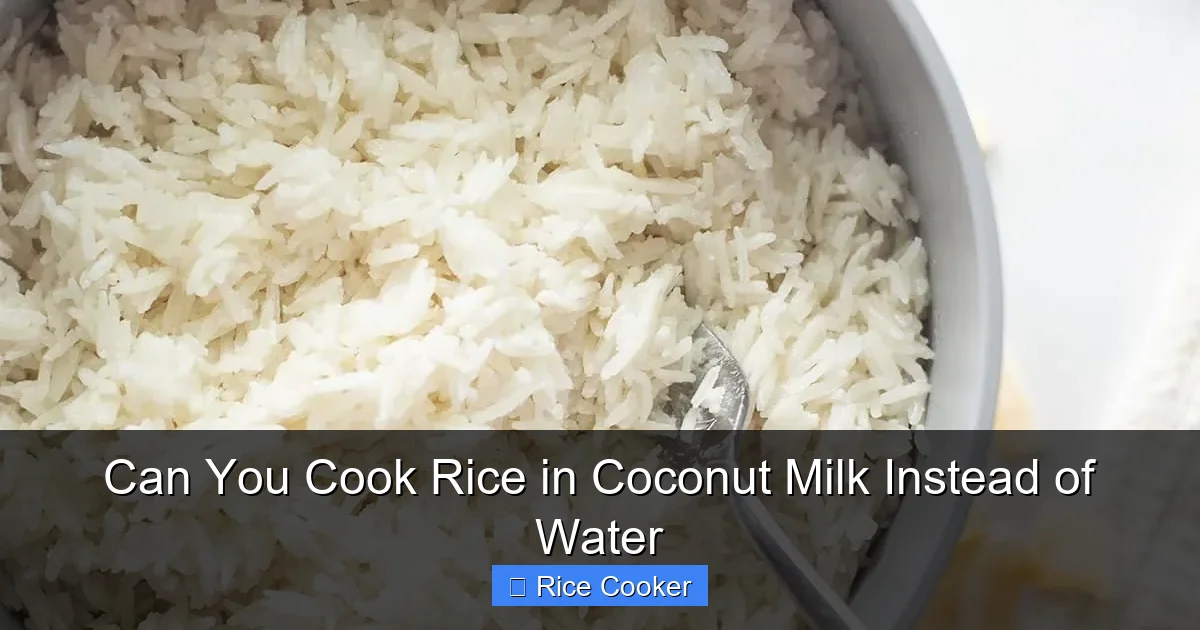
Visual guide about Can You Cook Rice in Coconut Milk Instead of Water
Image source: cdn.shortpixel.ai
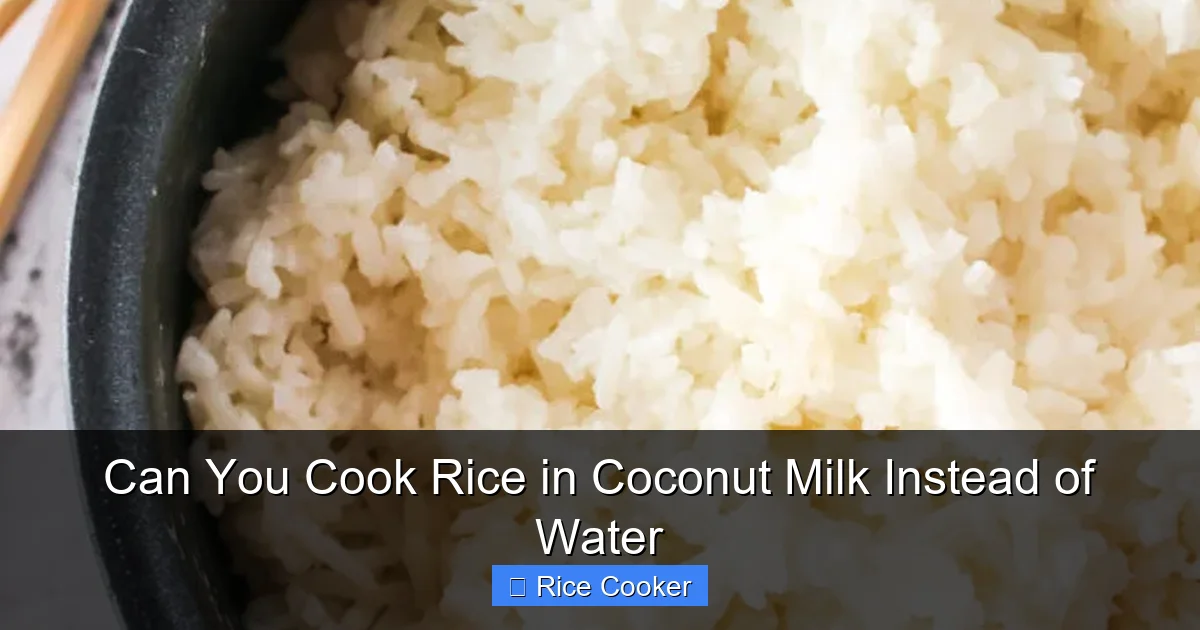
Visual guide about Can You Cook Rice in Coconut Milk Instead of Water
Image source: numstheword.com
Does coconut milk change the color of rice?
Yes—rice cooked in coconut milk often turns a pale golden hue due to the natural oils in the milk. This also enhances visual appeal on the plate.
How do I prevent the rice from becoming too greasy?
Draining excess coconut oil after cooking helps. Alternatively, use a 1:1 ratio of water to coconut milk to balance richness without sacrificing flavor.
Can I make this in a rice cooker?
Yes! Add all ingredients to the inner pot, select “white rice” mode, and follow the same resting period. No need to stir during cooking.
Is coconut milk rice suitable for babies?
Introduce coconut milk rice around 8–10 months old, once solid foods are established. Ensure the rice is fully cooked, soft, and mixed with pureed fruits or veggies for safety.
What’s the difference between coconut milk and coconut cream?
Coconut cream is thicker and higher in fat—ideal for whipping or baking. Coconut milk is thinner and better suited for cooking rice, soups, and curries.
Frequently Asked Questions
Can I use canned coconut milk for cooking rice?
Absolutely! Canned full-fat coconut milk provides the richest flavor and creamiest texture. Just shake the can well before opening to blend the thick and thin layers.
Does coconut milk change the color of rice?
Yes—rice cooked in coconut milk often turns a pale golden hue due to the natural oils in the milk. This also enhances visual appeal on the plate.
How do I prevent the rice from becoming too greasy?
Draining excess coconut oil after cooking helps. Alternatively, use a 1:1 ratio of water to coconut milk to balance richness without sacrificing flavor.
Can I make this in a rice cooker?
Yes! Add all ingredients to the inner pot, select “white rice” mode, and follow the same resting period. No need to stir during cooking.
Is coconut milk rice suitable for babies?
Introduce coconut milk rice around 8–10 months old, once solid foods are established. Ensure the rice is fully cooked, soft, and mixed with pureed fruits or veggies for safety.
What’s the difference between coconut milk and coconut cream?
Coconut cream is thicker and higher in fat—ideal for whipping or baking. Coconut milk is thinner and better suited for cooking rice, soups, and curries.