
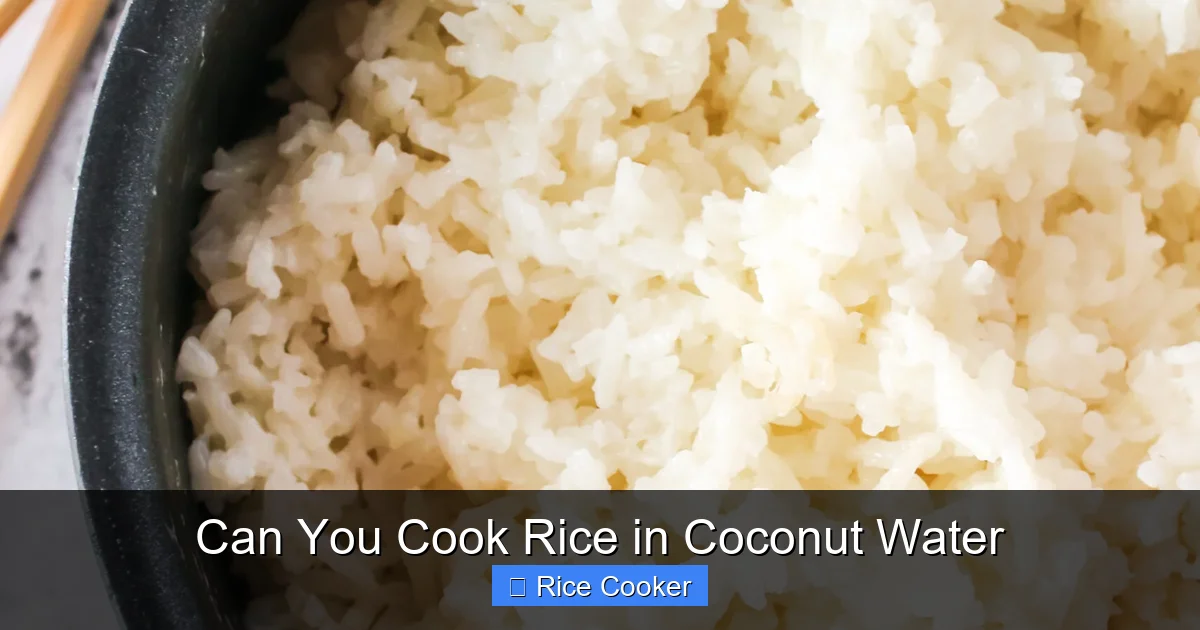
Yes, you can absolutely cook rice in coconut water! This method adds natural sweetness, subtle coconut flavor, and enhanced nutrition while keeping things simple with your rice cooker. It’s a quick, healthy upgrade that works well with jasmine, basmati, or brown rice—no extra effort required.
Key Takeaways
- Flavor & Nutrition Boost: Coconut water infuses rice with a mild tropical taste and adds electrolytes like potassium and magnesium.
- Rice Cooker Friendly: Most rice cookers handle coconut water just fine—just swap it for water and follow standard instructions.
- Best Rice Types: Jasmine, basmati, and long-grain white rice work best; short-grain or sticky rice may become too soft.
- Ratio Matters: Use 1:1.5 rice-to-coconut-water ratio (e.g., 1 cup rice to 1.5 cups coconut water) for balanced texture.
- Cooking Tips: Rinse rice first, avoid overfilling, and let it rest after cooking to prevent mushiness.
- Health Perks: Lower in calories than milk-based methods and rich in hydration-boosting properties.
- Customization Ideas: Add vanilla, cardamom, or a splash of cream for richer, dessert-style coconut rice.
📑 Table of Contents
- Can You Cook Rice in Coconut Water?
- The Science Behind Cooking Rice in Coconut Water
- Choosing the Right Rice for Coconut Water Cooking
- Step-by-Step Guide: How to Cook Rice in Coconut Water
- Tips for Perfect Coconut Water Rice Every Time
- Creative Ways to Use Coconut Water Rice
- Health Benefits of Cooking Rice in Coconut Water
- Common Mistakes to Avoid
- Alternatives and Variations
- Frequently Asked Questions About Cooking Rice in Coconut Water
- Conclusion: A Simple Swap with Big Impact
Can You Cook Rice in Coconut Water?
Imagine this: you’re in the kitchen, ready to whip up a simple side dish, but instead of plain water, you reach for that chilled bottle of coconut water sitting in your fridge. Not only is it hydrating and delicious on its own, but did you know you can actually cook rice in coconut water? It might sound surprising, but yes—you absolutely can! In fact, using coconut water as a cooking liquid transforms plain rice into something fragrant, subtly sweet, and surprisingly nutritious.
Whether you’re looking to jazz up your meal prep, explore global cuisines like Thai or Indian, or simply add more nutrients to your diet, cooking rice in coconut water is a clever and tasty trick. It’s especially popular in tropical regions where coconut water is abundant and celebrated for its health benefits. And the best part? You don’t need any special equipment—your trusty rice cooker will do all the work. Let’s dive into everything you need to know about making this delicious, hydrating rice variation.
The Science Behind Cooking Rice in Coconut Water
Before we get into the how-to, let’s talk about why coconut water works so well as a rice cooking medium. Unlike regular water, coconut water contains natural sugars, electrolytes (especially potassium), and trace minerals. When heated during the cooking process, these elements slowly infuse the grains, giving each bite a delicate sweetness and a hint of coconut flavor without being overpowering.
Visual guide about Can You Cook Rice in Coconut Water
Image source: cookingtipsblog.com
How Coconut Water Affects Texture
Coconut water has a slightly thinner consistency than milk or broth, which helps rice absorb moisture evenly. However, because it lacks the starch content of water, you might notice your rice feels a bit less “clingy” or sticky than when cooked in regular water—especially with short-grain varieties. That’s why choosing the right rice type matters (we’ll cover that soon!).
Nutritional Upside
Compared to cooking rice in water alone, using coconut water increases your intake of key electrolytes. For athletes or anyone needing extra hydration, this is a smart move. Plus, it’s naturally low in calories and free from added sugars—unlike some store-bought versions of coconut milk or cream.
Choosing the Right Rice for Coconut Water Cooking
Not all rice types are created equal when it comes to cooking in coconut water. Some absorb liquids better, maintain structure, and deliver the perfect balance of flavor and texture. Here’s a breakdown of the best options:
Visual guide about Can You Cook Rice in Coconut Water
Image source: gimmesomeoven.com
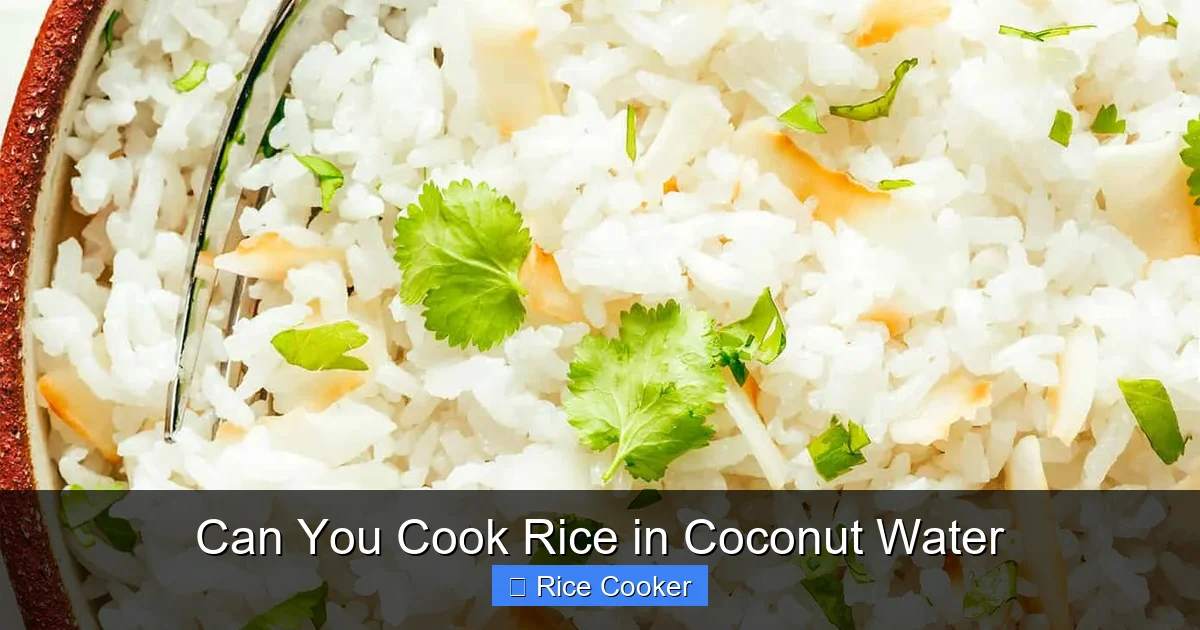
- Jasmine Rice: Fragrant and slightly sticky, jasmine absorbs coconut water beautifully and develops a lovely aroma. It’s a top pick for Thai-inspired dishes.
- Basmati Rice: Long-grain and aromatic, basmati stays separate and fluffy even when cooked in coconut water. Great for pilafs or biryanis.
- Long-Grain White Rice: Neutral flavor and easy absorption make this a reliable choice for everyday meals.
- Brown Rice: While possible, brown rice takes longer to cook and may become overly soft due to its higher fiber content and denser bran layer.
- Short-Grain or Sticky Rice: These tend to turn mushy in coconut water because they’re designed to cling together—best avoided unless you enjoy a super soft texture.
If you’re new to this method, start with jasmine or basmati. They’re forgiving, widely available, and pair wonderfully with coconut-infused dishes.
Step-by-Step Guide: How to Cook Rice in Coconut Water
Ready to give it a try? Follow this simple process using your rice cooker. No fancy gadgets needed—just good ingredients and patience.
Gather Your Ingredients
You’ll need:
- 1 cup uncooked rice (jasmine or basmati recommended)
- 1.5 cups coconut water (preferably unsweetened and filtered)
- Optional: 1/4 teaspoon salt, a pinch of sugar, or a cinnamon stick for flavor
Rinse the Rice (Important!)
Place the rice in a fine-mesh strainer and rinse under cold running water until the water runs clear. This removes excess starch, preventing gummy results. Pat dry gently with a clean towel.
Add to Rice Cooker
Transfer the rinsed rice to your rice cooker bowl. Pour in the coconut water. If using, add salt or other seasonings now. Stir once to distribute evenly.
Start Cooking
Close the lid and select the standard “white rice” setting. The cooking time will depend on your rice type—usually between 18–25 minutes. Avoid opening the lid during cooking to retain steam.
Rest and Fluff
Once the cycle ends, let the rice sit for 5–10 minutes with the lid closed. Then fluff gently with a fork. This allows residual heat to finish cooking evenly and prevents clumping.
And that’s it! You’ve got tender, fragrant rice with a light coconut note. Serve it as a side dish, base for curries, or even as a breakfast porridge with a drizzle of honey.
Tips for Perfect Coconut Water Rice Every Time
Even with the right recipe, small details make a big difference. Here are pro tips to ensure success:
- Use Fresh Coconut Water: Opt for refrigerated, BPA-free bottled coconut water without added preservatives or flavors. Freshness affects taste and clarity.
- Don’t Overfill: Leave at least an inch of space at the top of your rice cooker bowl to allow proper steaming.
- Measure Accurately: Stick to the 1:1.5 ratio unless you’re experimenting. Too much liquid = soggy rice; too little = undercooked.
- Avoid Stirring Mid-Cook: Once cooking starts, resist the urge to stir—it breaks down the grains and leads to mush.
- Taste Test Early: If your rice cooker has a “warm” function, don’t leave it on too long after cooking. Warm settings can dry out or toughen the rice.
Also, consider pre-chilling the coconut water if it’s room temperature—cold liquid helps cool the rice faster after cooking, reducing risk of bacterial growth if left out.
Creative Ways to Use Coconut Water Rice
This isn’t just another boring rice side—it’s versatile and delicious in many forms. Try these ideas:
Thai Coconut Rice
Serve warm with green curry, stir-fried vegetables, or grilled chicken. Garnish with fresh cilantro, lime wedges, and sliced chilies for authenticity.
Dessert Coconut Rice Pudding
After cooking, mix in a splash of coconut cream, a dash of vanilla extract, and a sprinkle of toasted coconut flakes. Chill before serving for a creamy, comforting treat.
Fried Rice Upgrade
Use cooled coconut water rice in fried rice recipes. The subtle sweetness complements soy sauce, fish sauce, and scrambled eggs beautifully.
Rice Bowl Base
Pile it high under tandoori chicken, mango salsa, or black bean and avocado toppings. The coconut undertone enhances fruity and savory flavors alike.
You can also freeze portions in an airtight container for up to 3 months—perfect for meal prep warriors who want healthy, flavorful sides ready in minutes.
Health Benefits of Cooking Rice in Coconut Water
Beyond taste, there are real perks to swapping water for coconut water when cooking rice:
- Electrolyte Boost: Potassium and sodium help regulate fluid balance and support nerve and muscle function.
- Lower Calorie Option: Compared to rice cooked in full-fat coconut milk or cream, this method keeps calories in check while still offering richness.
- Natural Hydration: Great post-workout or for hot days—rice plus electrolyte-rich liquid equals sustained energy and rehydration.
- Antioxidant Content: Some studies suggest coconut water contains antioxidants like cytokinins, which may aid cellular health.
- Digestive Support: Mildly alkaline and easy on the stomach, it’s gentler than acidic broths or dairy-based liquids.
Just keep in mind: if you’re watching your potassium intake (due to kidney issues, for example), consult your doctor before making this change regularly.
Common Mistakes to Avoid
New cooks often run into a few hiccups. Don’t worry—they’re fixable!
- Mushy Rice: Usually caused by too much liquid or stirring after cooking. Stick to ratios and let it rest undisturbed.
- Bitter Taste: Can happen if old or oxidized coconut water is used. Always check expiration dates and smell before pouring.
- Undercooked Grains: Happens with thick rice cooker lids or low-quality machines. Ensure consistent power supply and clean heating elements.
- Overseasoning: Salt or sugar should be minimal—just enough to enhance, not mask, the coconut flavor.
If your first batch doesn’t turn out perfectly, adjust next time. Cooking is as much art as science!
Alternatives and Variations
Want to mix things up? Try these twists:
- Coconut Water + Milk Combo: Use half coconut water, half whole milk for creamier texture and richer flavor.
- Herbed Infusion: Add a bay leaf, star anise, or kaffir lime leaves while cooking for aromatic depth.
- Fruit-Infused Rice: Stir in mashed banana or diced pineapple after cooking for a sweet-savory combo.
- Spiced Coconut Rice: Toast cumin, coriander, or turmeric in a dry pan before adding rice and coconut water for a Middle Eastern flair.
These variations expand your culinary toolkit and keep mealtime exciting.
Frequently Asked Questions About Cooking Rice in Coconut Water
Is coconut water safe to cook with?
Yes! Coconut water is completely safe for cooking and commonly used in Southeast Asian cuisine. Just choose fresh, unsweetened varieties to avoid unnecessary additives.
Does coconut water change the color of rice?
Slightly. Expect a pale golden hue compared to white rice cooked in water. This is normal and doesn’t affect taste or safety.
Can I use coconut milk instead?
Technically yes, but it’s thicker and richer. Coconut milk adds creaminess but may overpower delicate dishes. Reserve it for desserts or bold flavors like Thai red curry.
Will my rice cooker handle coconut water?
Most modern rice cookers work fine since coconut water behaves similarly to water in terms of boiling point and conductivity. Older models with metal heating elements should be checked for compatibility.
How long does cooked coconut water rice last?
Store in an airtight container in the fridge for up to 5 days. Reheat gently on the stove or in the microwave with a splash of water to restore moisture.
Can I make it ahead of time?
Absolutely! Cook extra and freeze in portion-sized containers for up to 3 months. Thaw overnight in the fridge or reheat directly from frozen with added liquid.
Conclusion: A Simple Swap with Big Impact
Cooking rice in coconut water isn’t just a gimmick—it’s a smart, flavorful, and nutritious upgrade to your everyday meals. With minimal effort and no special tools, you can transform plain grains into something special. Whether you’re feeding a crowd, meal prepping for the week, or exploring new cuisines, this technique fits seamlessly into your routine.
From boosting hydration with electrolytes to adding a whisper of tropical sweetness, coconut water rice delivers both health and happiness. And because it uses your existing rice cooker, there’s no learning curve. Just rinse, pour, press, and enjoy.
So go ahead—next time you open that bottle of coconut water, think twice before drinking it straight. Instead, pour it into your cooker with a handful of rice. You might just discover your new favorite way to eat rice.
Frequently Asked Questions
Is coconut water safe to cook with?
Yes! Coconut water is completely safe for cooking and commonly used in Southeast Asian cuisine. Just choose fresh, unsweetened varieties to avoid unnecessary additives.
Does coconut water change the color of rice?
Slightly. Expect a pale golden hue compared to white rice cooked in water. This is normal and doesn’t affect taste or safety.
Can I use coconut milk instead?
Technically yes, but it’s thicker and richer. Coconut milk adds creaminess but may overpower delicate dishes. Reserve it for desserts or bold flavors like Thai red curry.
Will my rice cooker handle coconut water?
Most modern rice cookers work fine since coconut water behaves similarly to water in terms of boiling point and conductivity. Older models with metal heating elements should be checked for compatibility.
How long does cooked coconut water rice last?
Store in an airtight container in the fridge for up to 5 days. Reheat gently on the stove or in the microwave with a splash of water to restore moisture.
Can I make it ahead of time?
Absolutely! Cook extra and freeze in portion-sized containers for up to 3 months. Thaw overnight in the fridge or reheat directly from frozen with added liquid.