

Can you cook rice in a Crock Pot? Absolutely! With the right water-to-rice ratio and timing, your slow cooker can produce perfectly cooked rice—fluffy on the outside and tender inside. While not as common as using a rice cooker, the Crock Pot offers a convenient hands-off option for busy days or when you’re already cooking other dishes.
Key Takeaways
- Yes, it’s possible: You can successfully cook rice in a Crock Pot with the correct technique and ingredients.
- Use the right ratio: A general rule is 1 part uncooked rice to 2 parts water (or broth), but this may vary slightly by grain type.
- Pre-soak helps: Soaking long-grain white rice for 20–30 minutes before cooking improves texture and reduces stickiness.
- Low and slow is key: Cooking on low heat for 60–90 minutes allows even absorption without burning or drying out.
- Fluffing matters: Stirring gently halfway through helps prevent clumping and ensures uniform doneness.
- Experiment with flavors: Add herbs, garlic, or butter to infuse extra taste into your rice during the last few minutes of cooking.
- Not ideal for all rice types: Sticky varieties like sushi or glutinous rice work better than very dry grains like basmati without soaking.
Quick Answers to Common Questions
Can you cook brown rice in a Crock Pot?
Yes, but it requires longer cooking times—typically 90 to 120 minutes on low—and slightly more liquid than white rice due to its fibrous outer layer.
Do I need to soak rice before cooking it in a slow cooker?
It’s not mandatory, but soaking white long-grain rice for 20–30 minutes improves texture and helps achieve fluffier results.
What’s the best water-to-rice ratio for a Crock Pot?
Generally, use 2 cups of liquid for every 1 cup of uncooked rice, though some varieties like jasmine or basmati may need slightly less.
Can I cook rice in my Crock Pot overnight?
Absolutely! Just set it on low before bedtime—white rice typically needs 60–75 minutes, so an 8-hour cycle is plenty. Brown rice may take longer.
Will rice cook faster on high vs. low in a Crock Pot?
Technically yes, but high heat risks burning the bottom and drying out the top. Low heat provides gentler, more even cooking.
📑 Table of Contents
- Introduction: The Surprising Versatility of Your Crock Pot
- Why Use a Crock Pot Instead of Other Methods?
- How to Cook Rice in a Crock Pot: Step-by-Step Guide
- Tips for Perfect Crock Pot Rice Every Time
- Different Types of Rice and Their Crock Pot Needs
- Troubleshooting Common Crock Pot Rice Problems
- Creative Ways to Use Crock Pot Rice Beyond Plain White
- Conclusion: Why Your Crock Pot Deserves Another Chance
Introduction: The Surprising Versatility of Your Crock Pot
Have you ever found yourself staring into your pantry, wondering what to make for dinner—only to realize you have rice and a Crock Pot? Don’t panic! Yes, you can definitely cook rice in a Crock Pot, and it might just become your new go-to method for preparing this humble yet essential grain. While most people reach for a rice cooker or stovetop pot, the slow cooker offers a unique advantage: hands-off convenience. Once you set it and forget it, your Crock Pot will do the heavy lifting while you prep sides, clean up, or relax.
But let’s be honest—cooking rice in a slow cooker isn’t as straightforward as tossing everything in and turning it on high. It requires attention to detail, especially when it comes to water ratios and timing. Too much liquid, and your rice turns mushy; too little, and it stays crunchy and undercooked. The good news? With a few tried-and-true tricks, you can turn your slow cooker into a rice-making powerhouse. Whether you’re making plain steamed rice, aromatic jasmine, or even rice pilaf with veggies and spices, the Crock Pot has got your back—especially on those lazy Sunday afternoons when you want a hot meal without standing over the stove.
Why Use a Crock Pot Instead of Other Methods?
You might wonder why anyone would choose a slow cooker over a dedicated rice cooker or a simple saucepan. After all, aren’t those tools specifically designed for cooking rice? Well, yes—but that doesn’t mean they’re always practical. Let’s break down the pros and cons of each method so you can decide what works best for your kitchen setup.
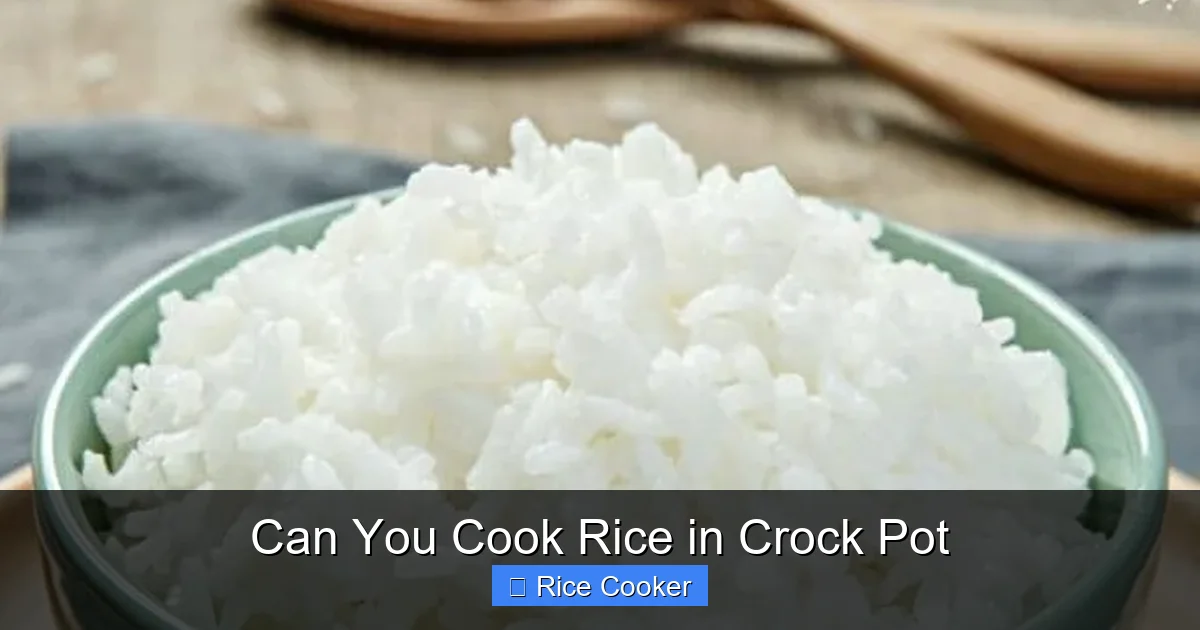
Visual guide about Can You Cook Rice in Crock Pot
Image source: momentswithmandi.com
Slow Cooker Advantages
- Multitasking made easy: While your rice cooks slowly, you can chop vegetables, marinate meat, or even simmer soups nearby—all in the same kitchen space.
- Energy efficient: Slow cookers use far less electricity than ovens or stovetops, making them ideal for budget-conscious households.
- Consistent temperature: Unlike gas flames that fluctuate, a Crock Pot maintains steady heat, reducing the risk of scorching.
- Perfect for large batches: Need 4 cups of rice for a family dinner? A 5-quart slow cooker handles it like a champ.
Rice Cooker vs. Crock Pot Comparison
| Method | Breadth of Functionality | Ease of Use | Suitability for Rice | Best For |
|---|---|---|---|---|
| Crock Pot | General meal prep (stews, roasts, etc.) | Moderate (requires monitoring) | Good (with care) | Hands-off meals, multi-course dinners |
| Rice Cooker | Primarily rice-based dishes | Very easy (one button) | Excellent | Quick weekday meals, single-serving portions |
| Stovetop | All cooking tasks | High (requires supervision) | Great (if monitored) | Controlled cooking, browning ingredients first |
If you already own a Crock Pot and rarely use it beyond chili and pulled pork, learning how to cook rice in it opens up a whole new world of culinary possibilities. Plus, it’s great for meal prep—cook a big batch at the start of the week and reheat individual servings throughout the day.
How to Cook Rice in a Crock Pot: Step-by-Step Guide
Ready to try your hand at slow-cooked rice? Follow these simple steps for foolproof results every time. We’ll walk you through everything from selecting the right rice to serving it up perfectly.
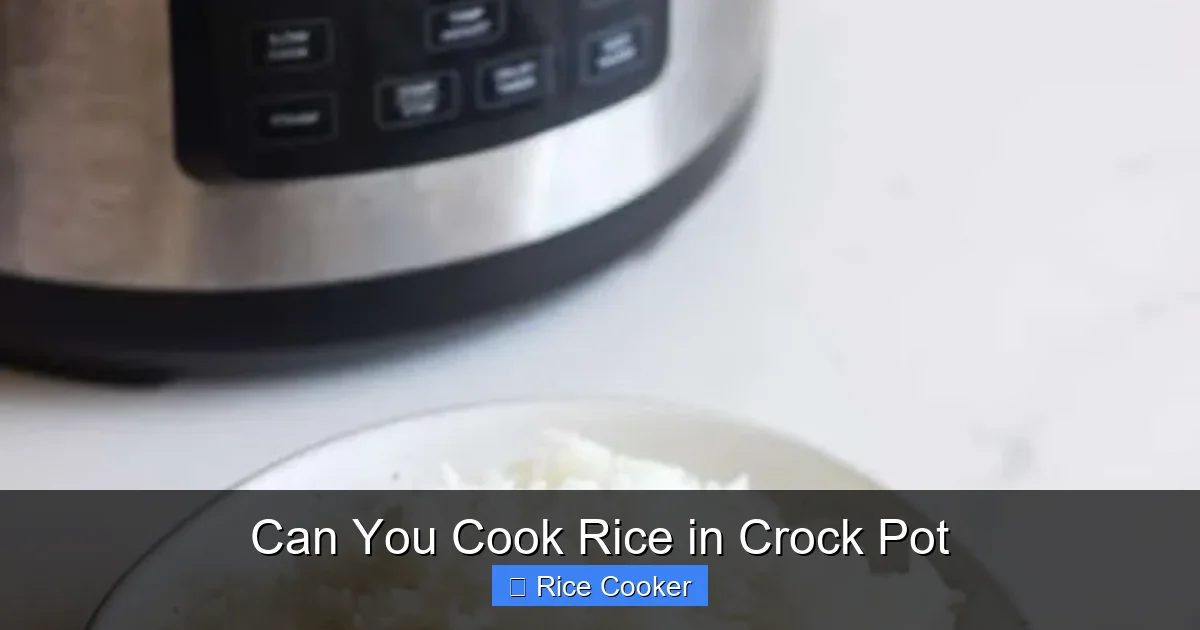
Visual guide about Can You Cook Rice in Crock Pot
Image source: thekiwicountrygirl.com
Ingredients & Equipment You’ll Need
- Uncooked rice: Any variety works—white, brown, jasmine, basmati, or even wild rice (though brown rice takes longer).
- Liquid: Water is fine, but broth adds flavor. Stick to equal parts rice to liquid unless otherwise specified.
- Crock Pot: A standard 4- to 6-quart model works best.
- Fine-mesh strainer (optional): Useful if you need to rinse rice before cooking.
- Cutting board and knife: For prepping garnishes or adding mix-ins later.
Step 1: Rinse and Measure Your Rice
Start by measuring out your desired amount of rice. A typical serving is about ½ cup uncooked rice per person. Rinse the rice under cold running water until the water runs clear—this removes excess starch and prevents gummy results. If you’re using long-grain white rice like Jasmine or Basmati, consider letting it soak for 20–30 minutes beforehand. This softens the grains and leads to fluffier finished rice.
Step 2: Combine Rice and Liquid in the Crock Pot
Transfer your rinsed (and soaked) rice to the Crock Pot. Add twice the volume of liquid—so for every 1 cup of rice, use 2 cups of water or broth. Stir once gently to combine, then cover with the lid. Make sure the vent hole isn’t blocked, as steam needs to escape.
Step 3: Set the Heat and Timing
This is where many beginners go wrong. Avoid setting your Crock Pot to high! High heat causes the bottom layer to scorch before the top gets properly absorbed. Instead:
- White rice: Cook on LOW for 60–75 minutes.
- Brown rice: Cook on LOW for 90–120 minutes (longer due to harder outer bran layer).
- Wild or black rice: Cook on LOW for 120–150 minutes.
Set a timer—don’t peek too often! Opening the lid lets precious steam escape, which can leave your rice underdone.
Step 4: Check for Doneness and Fluff
After the recommended time, carefully lift the lid and check if any liquid remains. There should be very little to none left. If there’s still water sitting at the bottom, place the lid back on and cook for another 10–15 minutes. Then, remove the lid completely and gently fluff the rice with a fork or wooden spoon. This separates the grains and evens out any moisture distribution.
Step 5: Rest and Serve
Let the rice sit covered for 5–10 minutes after fluffing. This final rest allows residual heat to finish the cooking process evenly. Now it’s ready to serve! Garnish with chopped parsley, a pat of butter, or drizzle with soy sauce if you’re making Asian-inspired dishes.
Tips for Perfect Crock Pot Rice Every Time
Even experienced home cooks hit snags now and then—overcooked rice, uneven textures, or stubborn clumps. But fear not! These expert tips will elevate your slow-cooker rice game to restaurant-quality levels.
Master the Ratio Game
The golden rule: always start with double the liquid. However, some rice types behave differently:
- Jasmine rice: 1:1.5 ratio (1 cup rice, 1.5 cups water)
- Basmati rice: 1:1.75 (more water helps elongate the grains)
- Bomba or Calrose rice: 1:2 (sticks well, great for paella)
- Brown rice: 1:2.5 (needs extra time and moisture)
Adjust based on altitude too—higher elevations may require slightly more liquid.
Soak for Superior Texture
For the fluffiest results, soak white rice for at least 20 minutes before cooking. This pre-hydrates the grains so they absorb water evenly during the slow-cooking phase. Just drain thoroughly afterward—you don’t want extra water sitting in the pot!
Don’t Skip the Lid
A loose-fitting lid defeats the purpose of slow cooking. Steam builds pressure inside, helping the rice cook uniformly without drying out. If your lid doesn’t seal tightly, place a kitchen towel between it and the Crock Pot rim to trap steam.
Stir Gently Midway Through
About halfway through cooking (check your timer!), lift the lid and stir the rice once with a fork. This prevents the bottom layer from sticking and ensures even heat distribution. Be gentle—no aggressive scraping!
Add Flavor Infusions
Want more than plain white rice? Try these ideas:
- Swirl in 1 tablespoon of butter or olive oil with the water.
- Add a bay leaf, sprig of thyme, or minced garlic with the rice.
- Drizzle in a splash of lemon juice or coconut milk for brightness.
Reheat Leftovers Properly
To revive leftover Crock Pot rice, transfer it to an oven-safe dish, add a splash of water, and bake at 300°F (150°C) for 10–15 minutes. Alternatively, microwave in 30-second bursts with a damp paper towel covering it.
Different Types of Rice and Their Crock Pot Needs
Not all rice behaves the same way in a slow cooker. Here’s a breakdown of popular varieties and their ideal settings.
White Long-Grain Rice (Jasmine, Basmati)
These are the easiest to master in a Crock Pot. They’re naturally fluffy when cooked correctly and pair beautifully with curries, stir-fries, or grilled meats. Soaking is optional but recommended for extra tenderness.
Short-Grain Rice (Sushi, Arborio)
This sticky rice is perfect for sushi rolls or creamy risottos. Because it absorbs liquid quickly, monitor closely and reduce water slightly (try 1:1.5 ratio). Stir once mid-way to avoid clumping.
Brown Rice
Higher in fiber and nutrients, but also more challenging. Requires significantly longer cooking time and extra water. Always soak overnight if possible for best texture.
Wild Rice
A mix of several grass seeds, wild rice expands dramatically when cooked. Use 1:3 water ratio and cook on low for 2+ hours. Expect a nutty, earthy flavor and chewy texture.
Instant Rice (Minute Rice)
A shortcut hack! Add instant rice directly to the Crock Pot with boiling water (1:1.25 ratio). Cover and cook on low for 5–10 minutes. Great for emergencies.
Troubleshooting Common Crock Pot Rice Problems
Even with the best intentions, things can go awry. Here’s how to fix the most frequent issues.
Problem: Rice Is Too Wet or Mushy
Cause: Excess liquid or overcooking.
Fix: Drain off any remaining water, then spread the rice in a thin layer and let it air-dry for 10–15 minutes. Fluff thoroughly with a fork.
Problem: Rice Is Dry or Crunchy
Cause: Insufficient liquid or too-short cooking time.
Fix: Place a small cup of water inside the Crock Pot (not touching the rice), re-cover, and cook 10–15 more minutes.
Problem: Rice Sticks Together
Cause: Over-stirring or insufficient rinsing.
Fix: Next time, rinse rice thoroughly before cooking. Also, avoid stirring too vigorously—gentle fluffing is enough.
Problem: Burnt Bottom Layer
Cause: High heat or inadequate stirring.
Fix: Always use LOW heat. Consider placing a trivet or parchment paper underneath the rice to insulate it from direct contact.
Problem: Uneven Cooking
Cause: Rice settled at the edges.
Fix: Stir once halfway through, focusing on the perimeter where heat distributes unevenly.
Creative Ways to Use Crock Pot Rice Beyond Plain White
Once you’ve nailed the basics, it’s fun to get creative! Turn your rice into a flavorful side dish or even a main course.
Rice Pilaf with Herbs and Nuts
Sauté diced onions and carrots in a skillet, then add rice and broth to the Crock Pot. Stir in toasted almonds, thyme, and a pinch of cinnamon. Cook as usual—you’ll end up with a fragrant, hearty pilaf.
Coconut Lime Rice
Replace half the water with light coconut milk. Add zest from one lime, a stalk of lemongrass, and a bay leaf. Finish with fresh cilantro and a squeeze of lime juice.
Garlic Butter Rice
Melt 2 tablespoons of butter in the Crock Pot with minced garlic. Add rice and water, then top with extra butter before serving. Perfect with roasted chicken or steak.
Spanish Rice
Brown the rice slightly in a bit of oil, then add tomato sauce, onion, bell pepper, and cumin. Simmer on low for 75 minutes. Top with peas and olives for authenticity.
Fried Rice (Post-Cooking)
Cook plain rice ahead of time, let it cool completely, then fry it in a hot pan with egg, soy sauce, and veggies. The slow-cooked rice holds its shape better than freshly made versions!
Conclusion: Why Your Crock Pot Deserves Another Chance
So, can you cook rice in a Crock Pot? The answer is a resounding yes—and doing so opens up a realm of culinary flexibility that many overlook. While rice cookers excel at precision and speed, your trusty slow cooker shines when you value convenience, multitasking, and consistent results. With the right ratios, patience, and a few insider tips, you’ll soon be serving up fluffy, flavorful rice that rivals anything from a professional kitchen.
Whether you’re feeding a hungry family, prepping meals for the week, or simply craving something warm and comforting, learning to cook rice in your Crock Pot is a skill worth mastering. And who knows? You might just discover it’s your new favorite way to make rice—no special appliance required.
Frequently Asked Questions
=== FAQS ===
Can you cook rice in a Crock Pot on high heat?
While possible, high heat increases the risk of scorching and uneven cooking. It’s safer and tastier to use low heat for best results.
How much water do you put in a Crock Pot for rice?
Use twice the volume of liquid as rice—so 2 cups of water per 1 cup of uncooked rice, adjusting slightly based on grain type.
Is it better to soak rice before cooking in a slow cooker?
Soaking helps long-grain white rice absorb water evenly, leading to fluffier texture. It’s optional but highly recommended for superior results.
Can you cook different types of rice in a Crock Pot?
Yes! White, brown, jasmine, basmati, wild, and even instant rice all work—just adjust water ratios and cooking times accordingly.
How long does it take to cook rice in a Crock Pot?
White rice takes about 60–75 minutes on low; brown rice needs 90–120 minutes. Wild rice may require up to 2.5 hours.
Should you stir rice while cooking in a Crock Pot?
Stir gently once halfway through to prevent sticking and ensure even cooking—but avoid over-stirring, which can break apart delicate grains.