

Can you cook wild rice in a rice cooker? Absolutely—and it’s easier than you think! Unlike long-grain or brown rice, wild rice doesn’t require soaking and responds beautifully to the automated timing of modern rice cookers. With the right water-to-rice ratio, a little rinsing, and a few simple steps, you’ll get tender, nutty-tasting grains that are perfect for salads, soups, or side dishes. Whether you’re a beginner or a seasoned cook, using a rice cooker makes wild rice foolproof and hands-off.
Key Takeaways
- Yes, wild rice cooks perfectly in a rice cooker. It requires no pre-soaking and benefits from the cooker’s consistent heat and automatic shut-off.
- Use a 1:3 rice-to-water ratio. For every cup of wild rice, use three cups of water or broth for optimal texture.
- Rinse before cooking. This removes excess starch and prevents clumping, resulting in fluffier grains.
- Season after cooking. Wild rice absorbs flavors best when seasoned post-cook, unlike other rices that benefit from early seasoning.
- Let it rest. After the cycle ends, let the rice sit for 5–10 minutes before fluffing to complete the cooking process.
- Experiment with liquids. Swap water for chicken or vegetable broth to add depth and richness to your dish.
- Wild rice takes longer to cook. Expect 45–60 minutes total, depending on your rice cooker model and rice quality.
Wild rice is one of the most unique and nutritious grains you can grow—or buy—in your kitchen. Native to North America, this semi-aquatic grass produces small, dark brown kernels that are denser and chewier than regular rice. But here’s the good news: despite its reputation for being finicky, wild rice actually thrives in a rice cooker. In fact, many home chefs swear by the appliance for achieving consistently perfect results without babysitting the pot.
So, can you cook wild rice in a rice cooker? The short answer is yes—and it might just become your go-to method. Modern rice cookers are designed to handle grains with varying textures and cooking times, making them ideal for wild rice’s long, slow absorption process. Whether you’re preparing a Thanksgiving centerpiece or a quick weeknight dinner, learning how to cook wild rice in a rice cooker opens up a world of flavor and convenience.
In this comprehensive guide, we’ll walk you through everything you need to know—from prep work and ratios to troubleshooting common issues. You’ll learn why wild rice deserves a spot in your pantry, how to avoid mushy or undercooked batches, and even how to elevate your dish with herbs and spices. Let’s dive in!
Key Takeaways
- Understanding can you cook wild rice in a rice cooker: Provides essential knowledge
Quick Answers to Common Questions
How long does it take to cook wild rice in a rice cooker?
Expect 45 to 60 minutes total. The exact time depends on your rice cooker model and the age/quality of your rice. Patience is key—don’t rush it!
Do I need to soak wild rice before cooking?
Nope! Unlike some ancient grains, wild rice doesn’t require soaking. Simply rinse it and proceed directly to cooking for best results.
Can I substitute vegetable broth for water?
Absolutely! Using broth adds richness and flavor. Just keep it unsalted so you can control the seasoning afterward.
Why is my wild rice sticky?
Sticking usually comes from too little water or not rinsing the rice first. Always use a 3:1 ratio and rinse thoroughly before cooking.
Can I cook wild rice in a pressure cooker instead?
Yes, but it’s different! Pressure cookers use high heat and short time, so follow a tested recipe—typically 1 cup rice to 2½ cups liquid on high pressure for 12 minutes, then natural release.
📑 Table of Contents
- Understanding Wild Rice: Why It’s Different
- Why Use a Rice Cooker for Wild Rice?
- Step-by-Step Guide: How to Cook Wild Rice in a Rice Cooker
- Perfect Ratios and Timing for Wild Rice
- Troubleshooting Common Issues
- Flavor Enhancements and Creative Uses
- Health Benefits of Wild Rice
- Storing Leftover Wild Rice
- Final Thoughts: Should You Buy Wild Rice?
Understanding Wild Rice: Why It’s Different
Before we talk about cooking methods, it’s important to understand what makes wild rice special—and different from other grains.
Unlike cultivated rice varieties such as jasmine, basmati, or arborio, wild rice (technically not rice but a type of grass seed) grows naturally in lakes and rivers across Canada and the northern United States. It has a rich, earthy flavor with a slightly nutty and smoky undertone, and its texture is firm, chewy, and deeply satisfying.
One key difference? Wild rice contains more fiber and protein than white or brown rice—about 3 grams of fiber per half-cup serving. It’s also gluten-free and low on the glycemic index, making it a favorite among health-conscious eaters.
But because wild rice expands during cooking—sometimes doubling or tripling in volume—it needs careful handling. Overcooking leads to a gummy, gluey mess; undercooking leaves it hard and unpalatable. That’s where a rice cooker shines: its precise temperature control and timed cycles help achieve that sweet spot between tenderness and structure.
Why Use a Rice Cooker for Wild Rice?
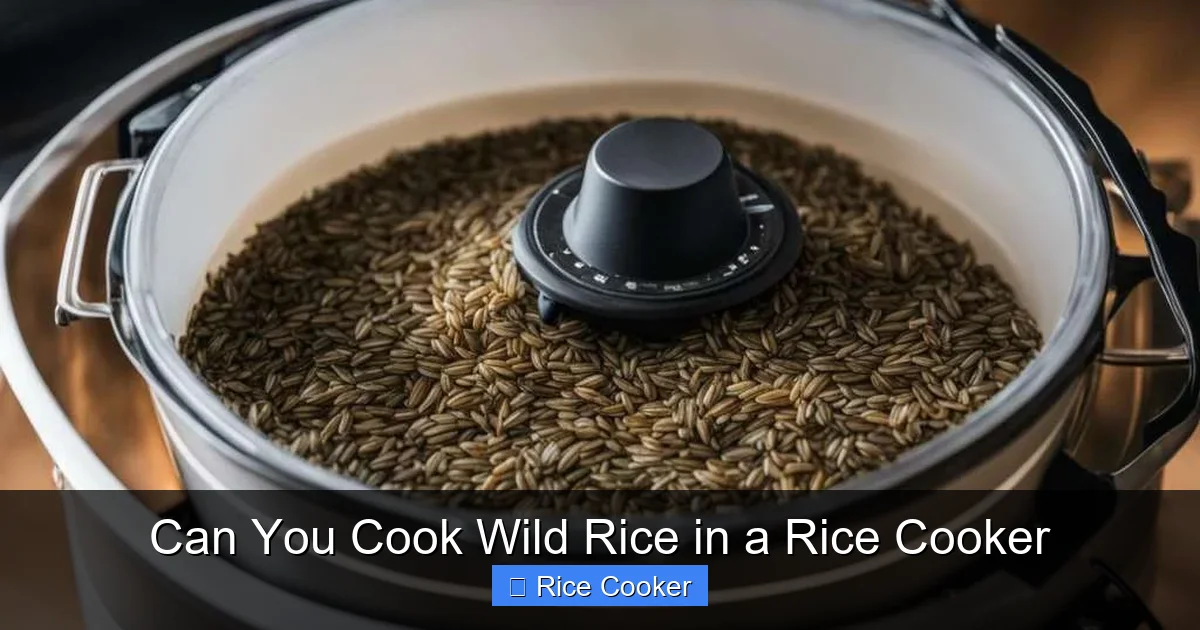
Visual guide about Can You Cook Wild Rice in a Rice Cooker
Image source: ricearray.org
You might be wondering: why bother with a rice cooker when you can boil wild rice on the stove? There are several compelling reasons to choose this method:
– Hands-off convenience: Once you add the rice and water, you don’t have to stir or monitor it. Just press start and go.
– Consistent results: Rice cookers maintain steady heat throughout the cooking process, reducing the risk of hot spots that can burn or undercook grains.
– Automatic shut-off: Many models turn off once the rice is done, so you don’t have to worry about overcooking while you’re distracted.
– Even cooking: The inner pot distributes heat evenly, ensuring every grain gets cooked properly.
Of course, traditional stovetop methods still work well—but if you own a rice cooker (and honestly, who doesn’t these days?), it’s worth mastering this technique.
Step-by-Step Guide: How to Cook Wild Rice in a Rice Cooker
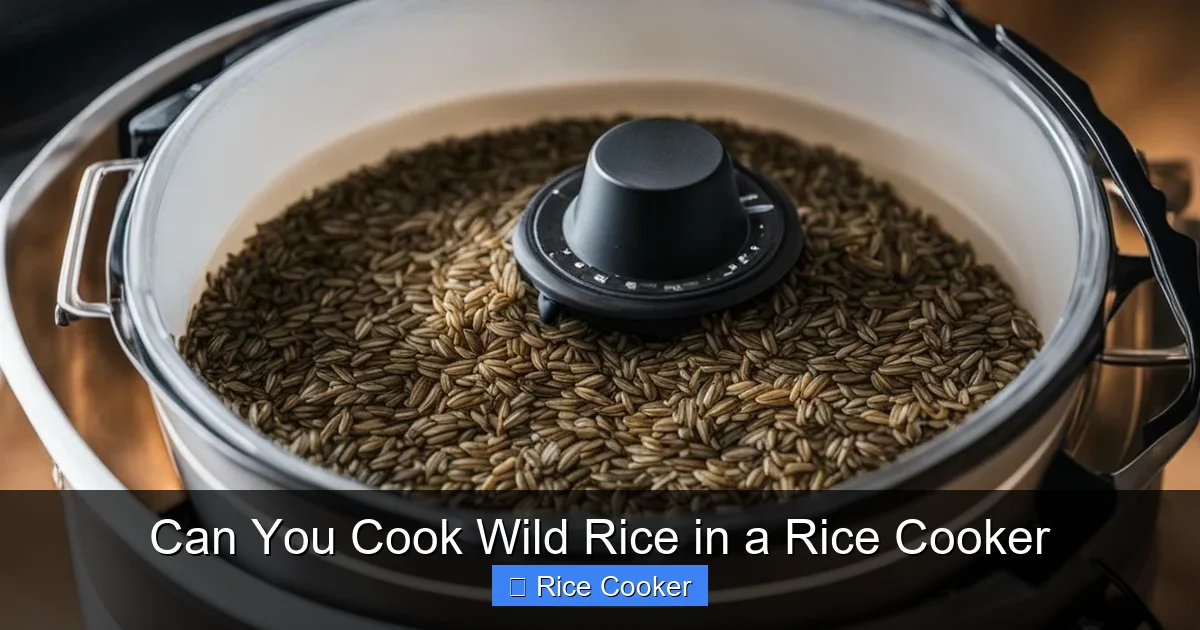
Visual guide about Can You Cook Wild Rice in a Rice Cooker
Image source: ricearray.org
Ready to give it a try? Follow these simple steps for foolproof wild rice every time.
What You’ll Need
- 1 cup raw wild rice
- 3 cups water or broth (see below for liquid options)
- A fine-mesh strainer
- A measuring cup
- Your rice cooker
Step 1: Rinse the Rice
Start by placing your wild rice in a fine-mesh strainer and running it under cold water. Gently rub the grains between your fingers to remove any debris or dust. Rinsing helps prevent clumping and ensures cleaner flavor.
Step 2: Add Rice and Liquid
Pour the rinsed wild rice into the inner pot of your rice cooker. Then add 3 cups of water or broth. A general rule of thumb: use 3 parts liquid to 1 part wild rice. This ratio works for most standard rice cookers, though some larger models may require slightly less water.
Pro tip: For extra flavor, use vegetable or chicken broth instead of plain water. Just make sure it’s unsalted so you can control the seasoning later.
Step 3: Start the Cooking Cycle
Close the lid and select the appropriate setting. Most rice cookers have a “white rice” or “basic” mode, which works perfectly for wild rice. If your machine has a “porridge” or “slow cook” function, you can use that too—but stick with standard settings unless instructed otherwise.
Step 4: Let It Rest
Once the cycle completes, don’t open the lid immediately. Instead, let the rice sit for 5–10 minutes with the lid closed. This allows residual steam to finish cooking the grains gently and helps them absorb any remaining moisture evenly.
Step 5: Fluff and Serve
After resting, gently fluff the rice with a fork. Avoid over-stirring, as wild rice is delicate and can break apart easily. At this point, you can season it with salt, butter, or fresh herbs like parsley or thyme.
And that’s it! You’ve just made restaurant-quality wild rice at home.
Perfect Ratios and Timing for Wild Rice
Getting the right water-to-rice ratio is crucial. Too much water = mushy rice. Too little = hard, undercooked kernels.
As mentioned earlier, aim for **3 cups of liquid per 1 cup of wild rice**. This accounts for wild rice’s tendency to swell significantly during cooking. Some sources recommend up to 4 cups for very old or dense batches, but 3:1 is ideal for fresh, high-quality grain.
As for timing, expect the full cycle to take between **45 and 60 minutes**. Unlike instant or parboiled rices, wild rice requires patience. Be patient—rushing it will only lead to disappointment.
If your rice cooker has a delay timer or keep-warm feature, you can set it ahead of time and wake up to warm, ready-to-eat rice—perfect for meal prep!
Troubleshooting Common Issues
Even with the best intentions, things can go wrong. Here’s how to fix the most common problems:
Mushy or Gluey Texture
This usually means too much water was used or the rice was overcooked. To prevent this next time, double-check your measurements and avoid opening the lid during cooking. Also, ensure your rice isn’t past its prime—stale grain tends to clump more easily.
Undercooked Kernels
If some grains remain hard after the cycle ends, simply return the pot to the cooker and run another cycle for 10–15 minutes. Or, transfer the rice to a covered oven-safe dish and bake at 300°F (150°C) for 15–20 minutes until tender.
Burnt Bottom Layer
This happens when the rice sticks to the bottom of the pot. Always use enough water and consider adding a splash of oil or butter to the liquid to reduce sticking. Also, avoid stirring too soon after adding the rice.
Uneven Cooking
Make sure the rice is evenly distributed in the pot and not packed tightly. Stirring lightly halfway through (if your cooker allows it) can help promote even heat distribution.
Flavor Enhancements and Creative Uses
Wild rice is incredibly versatile. Once you master the basics, you can jazz it up in countless ways:
– Add aromatics: Toss in a bay leaf, onion slice, or carrot while cooking for subtle depth.
– Dress it up: Mix in sautéed mushrooms, dried cranberries, toasted almonds, or grilled chicken for a hearty salad.
– Make a stuffing: Combine cooked wild rice with celery, onions, sage, and breadcrumbs for Thanksgiving stuffing.
– Serve as a pilaf: Sauté garlic and shallots first, then add rice and broth. Finish with lemon zest and parsley.
Remember: season after cooking. Unlike other rices, wild rice doesn’t benefit from early seasoning because it absorbs flavors slowly. Wait until it’s done, then taste and adjust with salt, pepper, or butter as needed.
Health Benefits of Wild Rice
Beyond its delicious taste, wild rice offers impressive nutritional perks:
– High in antioxidants: Contains compounds that help fight inflammation.
– Rich in B vitamins: Supports energy metabolism and brain function.
– Good source of manganese: Essential for bone health and wound healing.
– Low sodium: Naturally sodium-free, making it great for heart-healthy diets.
Just one half-cup serving provides about 8% of your daily fiber needs—more than brown rice! And since it’s free of gluten and processed additives, it’s a smart swap for anyone looking to simplify their diet.
Storing Leftover Wild Rice
Got leftovers? No problem. Store cooled wild rice in an airtight container in the refrigerator for up to 5 days. Reheat gently on the stove with a splash of water or broth to restore moisture. You can also freeze it for up to 3 months—just thaw overnight in the fridge before reheating.
When reheating, avoid microwaving straight from the freezer, as it can dry out the texture. Instead, steam or simmer it briefly until warmed through.
Final Thoughts: Should You Buy Wild Rice?
If you’re new to wild rice, start small. It’s pricier than regular rice, but its unique flavor and health benefits justify the splurge. Look for packages labeled “North American wild rice” to ensure authenticity—some products marketed as wild rice are actually mixes with fillers.
And yes, investing time to learn how to cook wild rice in a rice cooker pays off big time. Not only does it save you from constant stirring, but it also guarantees reliable results every single time.
Whether you’re feeding a crowd or whipping up a quiet dinner, wild rice is a standout ingredient. With your rice cooker doing the heavy lifting, there’s no reason not to give it a try.
Now go ahead—measure out that rice, pour in the water, and press start. Your taste buds will thank you.
Frequently Asked Questions
Is wild rice the same as brown rice?
No, they’re completely different. Wild rice is a aquatic grass seed, while brown rice is a processed form of regular rice with the bran removed. Wild rice is darker, chewier, and more nutritious.
How do I know if wild rice is fresh?
Fresh wild rice should smell earthy and clean, not dusty or sour. Check the expiration date and store it in a cool, dry place away from light to preserve quality.
Can I mix wild rice with other grains?
Definitely! Try blending it with brown rice, quinoa, or farro for added texture and nutrition. Just adjust liquid amounts accordingly.
Does wild rice contain arsenic?
Like all rice, wild rice can contain trace amounts of inorganic arsenic. To minimize exposure, alternate it with other whole grains and consume in moderation as part of a varied diet.
What’s the best way to serve wild rice?
It pairs beautifully with roasted vegetables, lean proteins, creamy sauces, or as a base for grain bowls. Try it cold in salads with apples, nuts, and vinaigrette for a refreshing twist.
Can kids eat wild rice?
Yes! Wild rice is safe for most children over age 1, provided it’s fully cooked and mashed or softened if needed. Its mild flavor makes it easy to incorporate into toddler meals.