

You absolutely can cook rice directly in curry sauce, creating a rich, cohesive meal that’s both convenient and full of flavor. This method works especially well in rice cookers, where the rice absorbs the aromatic spices without sticking to the bottom. With just a few simple steps, you’ll have tender grains surrounded by creamy, spiced goodness—perfect for busy weeknights or meal prep.
Have you ever stared at a pot of simmering curry sauce, wondering if you could just throw in some rice and let everything cook together? The short answer? Absolutely! And the long answer is even better—because yes, you can cook rice in curry sauce, and doing so creates something truly special: a one-pot masterpiece that’s aromatic, comforting, and packed with flavor. Whether you’re using a rice cooker or a regular pot on the stove, this technique transforms humble ingredients into a satisfying, complete meal.
Cooking rice directly in curry sauce isn’t just a shortcut—it’s a flavor-boosting strategy. When rice steeps in spiced broth or thickened coconut milk, each grain becomes infused with layers of taste from turmeric, cumin, coriander, and chili. Plus, there’s no need to serve two separate sides when everything comes out of one pan. This method shines especially during busy weeknights or when you’re meal prepping for the week ahead. And guess what? You don’t need fancy equipment—just a bit of patience and the right technique.
In this guide, we’ll walk through exactly how to cook rice in curry sauce using different methods, share pro tips for perfect results, and explore variations like Thai green curry rice or Indian butter chicken rice. By the end, you’ll be ready to ditch the plain white rice and embrace a whole new way of enjoying curry.
Key Takeaways
- Yes, it’s possible: Cooking rice in curry sauce is not only doable but often results in more flavorful rice since the grains absorb the sauce’s spices and richness.
- Use a rice cooker: A rice cooker simplifies the process by automatically regulating heat and timing, ensuring perfectly cooked rice every time.
- Choose the right rice: Jasmine, basmati, or long-grain white rice work best because they hold their shape and soak up flavors well.
- Add liquids carefully: Use a 1:1 ratio of rice to liquid (curry sauce + water) for balanced texture—too little liquid leads to dry rice; too much makes it mushy.
- Simmer before cooking: Sauté aromatics like onions, garlic, and ginger first to build depth, then add rice and gradually incorporate the curry base.
- Season thoughtfully: Taste and adjust salt, pepper, and spice levels after cooking—some curries are already seasoned, so avoid over-salting.
- Rest and fluff: Let the dish sit covered for 5–10 minutes after cooking to allow steam to distribute evenly and prevent sogginess.
📑 Table of Contents
Why Cook Rice in Curry Sauce?
At first glance, adding rice to curry might seem like overkill. After all, isn’t curry supposed to stand on its own? But here’s the thing: combining rice and curry isn’t just acceptable—it’s brilliant. When rice cooks in curry sauce, it soaks up all those delicious spices, herbs, and fats, turning into something far more than just starch. Think of it as rice becoming an active participant in the dish rather than just a passive side.
One major benefit is convenience. Instead of making two separate dishes—cooking rice separately and then stirring it into curry—you combine them early on. This saves time, reduces cleanup, and ensures everything finishes at the same time. Another perk is flavor depth. Plain rice has virtually no taste until you add things like butter or salt, whereas rice cooked in curry gets deep, complex notes that elevate the entire meal.
From a nutritional standpoint, this method also helps balance your plate. Rice provides carbohydrates for energy, while curry often includes protein (like chicken or lentils) and vegetables rich in fiber and vitamins. Together, they form a well-rounded, satisfying dinner.
Choosing the Right Rice Type
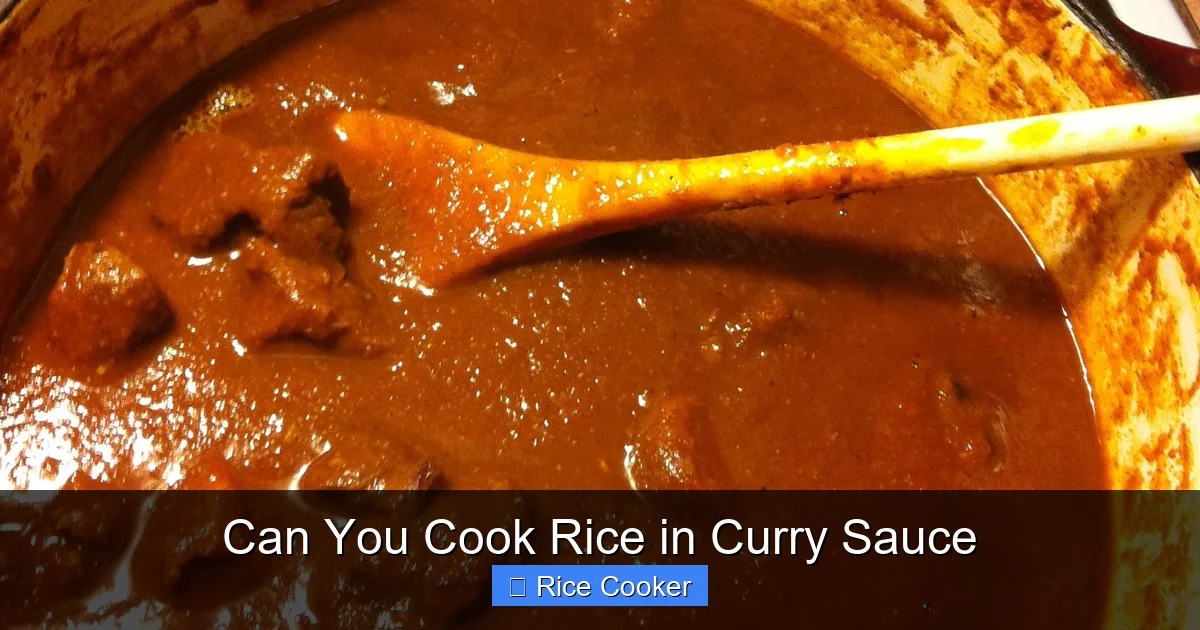
Visual guide about Can You Cook Rice in Curry Sauce
Image source: sometimesyouneedtocook.com
Not all rice is created equal when it comes to soaking up flavor. Long-grain varieties like jasmine, basmati, or American long-grain white rice are ideal for cooking in curry sauce because they remain firm and fluffy even after absorbing liquid. Short-grain rice, such as sushi or glutinous rice, tends to become sticky and gummy when cooked this way—so skip those unless you’re aiming for a porridge-like consistency.
Jasmine rice adds a subtle floral aroma that complements many Southeast Asian curries, while basmati’s nutty undertone pairs beautifully with Indian-inspired dishes. If you prefer brown rice, go ahead—but note that it takes longer to cook and may require extra liquid due to its higher fiber content. Brown rice also holds up better to longer cooking times, which can be helpful if your curry simmers for a while before adding the rice.
Always rinse your rice before cooking to remove excess starch, which prevents clumping. Rinse until the water runs clear, then drain thoroughly. This step is crucial whether you’re using a rice cooker or stovetop method.
Preparing the Curry Base
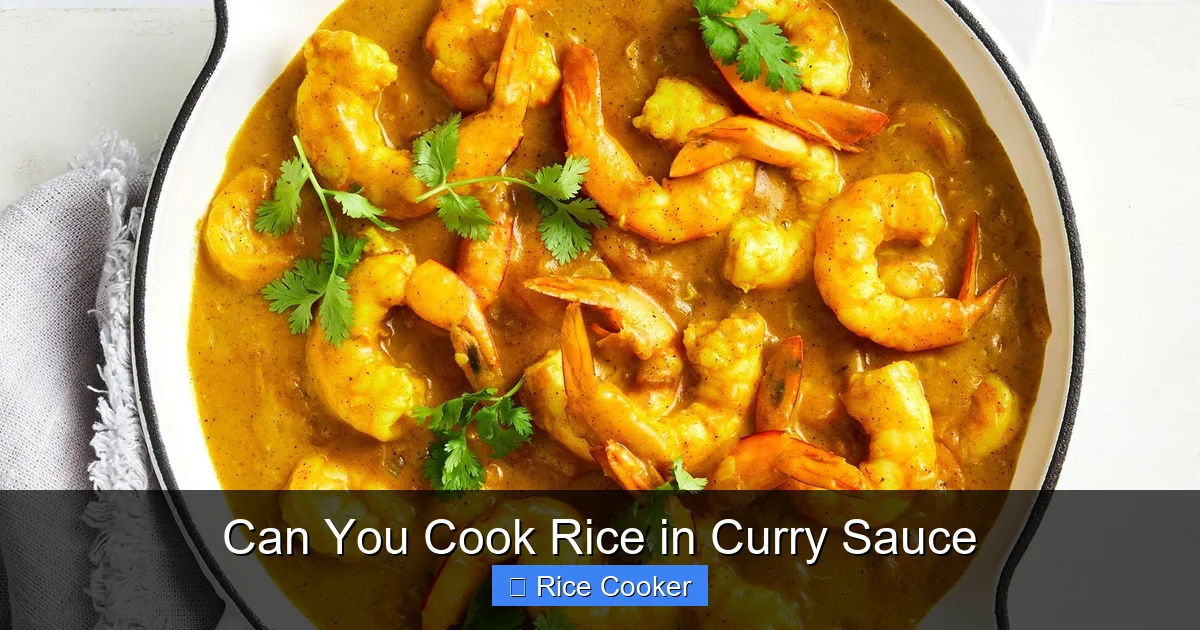
Visual guide about Can You Cook Rice in Curry Sauce
Image source: img.taste.com.au
Before tossing in the rice, you need a solid curry foundation. Start by heating oil (coconut, vegetable, or sesame oil all work) in your pot or rice cooker insert. Add finely chopped onions and sauté until golden brown—this builds sweetness and complexity. Next, toss in minced garlic, fresh ginger, and any other aromatics you love (fennel seeds, mustard seeds, or bay leaves can add extra dimension).
Now it’s time for the curry paste or powder. For store-bought curry paste (like red, green, or yellow Thai curry), use about 2–3 tablespoons per cup of rice. If you’re using curry powder, start with 1 tablespoon and adjust based on your heat preference. Stir constantly for 1–2 minutes until fragrant—this “toasting” step wakes up the spices and mellows their raw edge.
Gradually add diced tomatoes, coconut milk, vegetable broth, or water to create your desired sauce consistency. Simmer gently for 10–15 minutes to let flavors meld. At this point, you can add protein (chicken, shrimp, tofu) or vegetables (bell peppers, spinach, potatoes) if desired. Once your curry base is ready, it’s time to bring in the rice.
Cooking Methods: Rice Cooker vs. Stovetop
There are two main ways to cook rice in curry sauce: using a dedicated rice cooker or doing it on the stovetop. Both yield excellent results, but they differ slightly in ease and control.
Using a Rice Cooker
If you own a rice cooker—and honestly, almost everyone should—this is probably the easiest route. First, prepare your curry base as described above, then transfer everything (including any added meat or veggies) into the inner pot. Add rinsed rice and stir gently to coat the grains in the sauce. Pour in additional liquid if needed to reach the 1:1 rice-to-liquid ratio (more on that below). Close the lid and select the “white rice” setting. Most modern rice cookers will keep the food warm for hours, so this is great for meal prep.
One pro tip: avoid opening the lid frequently during cooking—steam escapes, and the temperature drops, potentially affecting results. Also, clean your rice cooker immediately after use, as curry sauce can leave stubborn stains if left to dry.
Stovetop Method
On the stove, begin by bringing your prepared curry base to a gentle boil. Then add the rinsed rice and mix well. Increase heat slightly and bring back to a boil. Immediately reduce heat to low, cover the pot tightly, and let it simmer. The key here is maintaining a low, steady simmer—not a rolling boil—which prevents scorching and ensures even cooking.
Check the liquid level halfway through; if it looks too low, add a splash of water or broth. After 15–20 minutes (or according to your rice type’s instructions), test a grain for doneness. If it’s tender with a slight bite, remove from heat and let it rest covered for 5–10 minutes. Fluff with a fork before serving.
Perfect Liquid Ratios and Timing
Getting the liquid balance right is arguably the most important factor in success. Too little liquid, and your rice turns out hard and undercooked. Too much, and it becomes soupy and mushy. The sweet spot? A 1:1 ratio of rice to liquid—meaning one cup of uncooked rice requires one cup of combined curry sauce and water (or broth).
But wait—what if your curry sauce is already quite thick? In that case, you might only need half a cup of additional liquid. Conversely, if your curry is mostly broth or water-based, you’ll likely need the full cup. Always err on the side of slightly less liquid initially, then add more as needed rather than starting with too much.
As for timing, most white long-grain rice takes about 18–20 minutes to cook fully in curry sauce. Brown rice needs closer to 40–45 minutes. Keep in mind that resting time matters too: letting the finished dish sit covered for 5–10 minutes allows residual steam to finish cooking the rice evenly and prevents condensation from making it soggy.
Flavor Tips and Variations
The beauty of cooking rice in curry sauce is how easily it adapts to different cuisines and tastes. Here are a few ideas to inspire you:
- Thai Green Curry Rice: Use jasmine rice, green curry paste, coconut milk, bamboo shoots, and bell peppers. Finish with fresh basil and lime juice.
- Indian Butter Chicken Rice: Cook basmati rice in a tomato-onion-ginger-garlic sauce with garam masala, heavy cream, and grilled chicken pieces.
- Malaysian Nasi Lemak Rice: Simmer rice in coconut milk, pandan leaves, and a pinch of salt until fragrant, then top with fried anchovies, cucumber slices, and sambal.
- Vegan Coconut Curry Rice: Skip the meat, add chickpeas, sweet potatoes, and kale, and season with turmeric, cumin, and smoked paprika.
Don’t forget to taste as you go! Adjust salt, pepper, or hot sauce to suit your palate. Some pre-made curries are already seasoned, so be cautious about oversalting.
Serving Suggestions and Storage
Once your rice-in-curry is done, fluff it gently with a fork and serve hot straight from the pot or rice cooker. It pairs wonderfully with yogurt, raita, or a simple cucumber salad to cut through the richness. Leftovers? Absolutely! Store in an airtight container in the fridge for up to 4 days or freeze for up to 2 months. Reheat gently on the stove with a splash of water or broth to restore moisture.
For best texture, avoid microwaving large portions—instead, divide into smaller containers and warm them individually.
Common Mistakes to Avoid
Even with the best intentions, things can go wrong. Here’s how to dodge the most common pitfalls:
- Skipping the rinse: Unrinsed rice releases too much starch, leading to gummy clumps.
- Overcrowding the pot: Too much rice or curry can cause uneven cooking—stick to reasonable batch sizes.
- Not covering properly: Steam escapes, slowing down the cooking process and risking dry spots.
- Peeking too often: Frequent lid-lifting disrupts temperature and extends cook time unnecessarily.
- Ignoring resting time:: Skipping the rest means you miss out on perfectly fluffy, evenly cooked rice.
Remember: practice makes perfect. Your first attempt might not be flawless, but each try teaches you something new about your cookware and preferences.
Final Thoughts
Cooking rice in curry sauce isn’t just a clever hack—it’s a gateway to more creative, flavorful meals with minimal effort. Whether you’re using a trusty rice cooker or a simple stockpot, the principle remains the same: let the rice drink in the goodness of the sauce. This method proves that simplicity and flavor aren’t mutually exclusive.
Next time you open a jar of curry paste or pull out a packet of curry powder, don’t think twice. Grab some rice, get cooking, and turn ordinary ingredients into extraordinary comfort food. Your taste buds (and your family) will thank you.
Frequently Asked Questions
Can I cook rice in curry sauce without a rice cooker?
Absolutely! You can cook rice in curry sauce on the stovetop using a heavy-bottomed pot. Just follow the same steps—sauté aromatics, add curry paste, stir in rice and liquid, then simmer covered until tender. A tight-fitting lid and low heat are key to success.
What happens if I add too much water to my rice and curry mixture?
If you add too much liquid, the rice will become mushy or soupy. To fix this, remove the lid and simmer uncovered over medium heat to evaporate excess moisture. Alternatively, serve it as a porridge-style dish—some people actually enjoy it that way!
Is it safe to reheat leftover rice cooked in curry sauce?
Yes, but always reheat thoroughly until steaming hot throughout. Since rice can harbor bacteria if not stored properly, make sure leftovers are refrigerated within two hours of cooking and consumed within four days for safety.
Can I use instant rice for this method?
Instant rice can work, but it cooks faster and may turn mushy if overcooked. Reduce the total cook time by about half and monitor closely. It’s best suited for quick, single-serving meals rather than large batches.
Will the rice absorb all the curry flavor?
Not necessarily—it depends on how long the rice cooks and how thick the sauce is. Longer cooking and thicker sauces help the rice absorb more flavor. Stirring occasionally during cooking also helps distribute the sauce evenly.
Do I need to add extra salt when cooking rice in curry sauce?
Not always. Many curries are already seasoned, so taste your sauce before adding rice. If it’s mild, you may need a pinch of salt. If it’s heavily spiced, skip the extra salt to avoid overpowering the dish.