
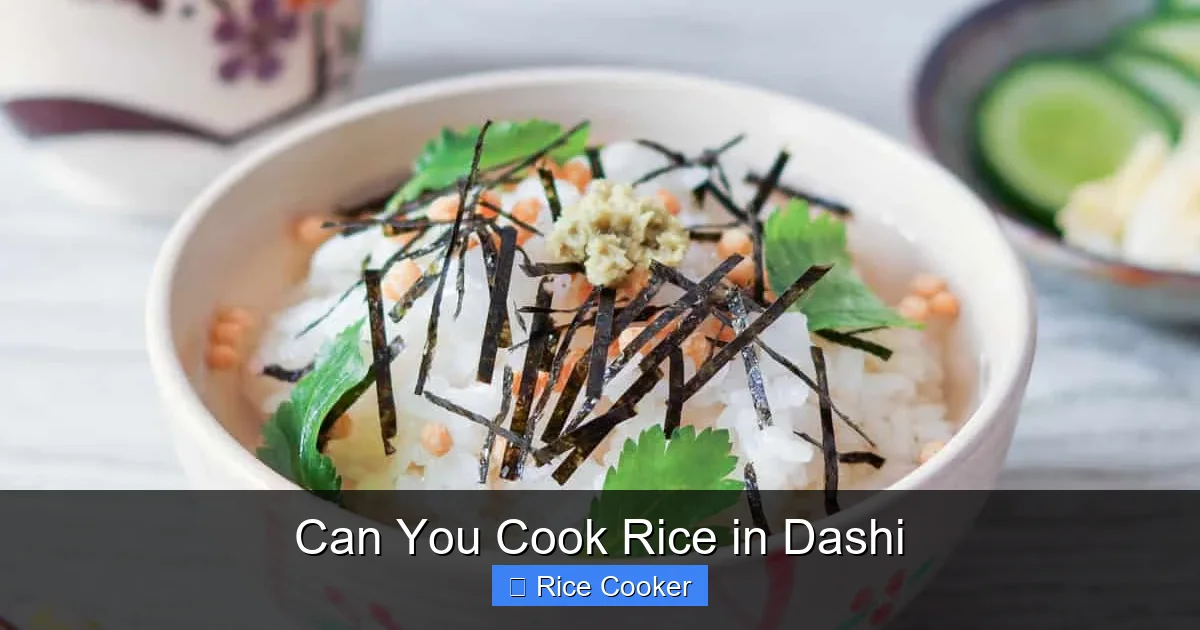
Can you cook rice in dashi? Yes—and it’s one of the most delicious ways to elevate your everyday rice. Dashi adds a rich umami depth that transforms plain grains into something truly special, whether you’re making sushi rice or comforting donburi. Not only does it improve taste, but it also offers health benefits like reduced sodium and enhanced mineral absorption. With just a few simple steps, you can master this traditional method using any rice cooker.
Key Takeaways
- Dashi enhances flavor: The savory umami from kombu and bonito flakes infuses each grain with a rich, authentic Japanese taste.
- Health benefits: Cooking rice in dashi reduces overall sodium intake compared to using saltwater and may increase absorption of nutrients like iron and magnesium.
- Easy to make at home: You can prepare dashi yourself using dried ingredients—no need for expensive kits or store-bought stock.
- Works with all rice types: Whether you’re using short-grain sushi rice, brown rice, or even quinoa, dashi brings out the best in every variety.
- Perfect for meal prep: Cook a big batch of dashi rice at once and use it for bowls, onigiri (rice balls), or fried rice throughout the week.
- Uses a standard rice cooker: No special equipment needed—just add dashi instead of water when prompted.
- Cultural authenticity: This method is rooted in Japanese cuisine and is especially popular for dishes like oyakodon (chicken and egg rice bowl) and takikomi gohan.
📑 Table of Contents
- Can You Cook Rice in Dashi? The Answer Is Yes—and It Changes Everything
- What Is Dashi and Why Does It Matter?
- How to Make Homemade Dashi: Simple Steps Anyone Can Follow
- Cooking Rice in Dashi: Step-by-Step Guide
- Delicious Ways to Use Dashi-Cooked Rice
- Common Mistakes and How to Fix Them
- Is Dashi Rice Worth the Effort?
- Final Thoughts: Your Gateway to Better Rice
Can You Cook Rice in Dashi? The Answer Is Yes—and It Changes Everything
Imagine serving a bowl of perfectly cooked rice that doesn’t just fill your stomach—it awakens your taste buds with layers of savory goodness. That’s exactly what happens when you cook rice in dashi. This time-honored Japanese technique uses a light, fragrant broth made from kombu (kelp) and bonito (dried skipjack tuna) flakes to infuse your grains with an irresistible umami depth. And here’s the best part: you don’t need a fancy kitchen or exotic ingredients to try it at home. With just a rice cooker and some basic pantry staples, you can turn ordinary rice into something extraordinary.
But why bother going beyond plain water? For centuries, Japanese cooks have understood that the right liquid isn’t just about hydration—it’s about flavor, texture, and even nutrition. When you swap out plain water for homemade dashi, you’re not just boiling rice; you’re building a foundation for unforgettable meals. From tender sushi rice to hearty chicken-and-rice bowls, dashi-infused grains become the star of the dish. Plus, it’s surprisingly simple. In this guide, we’ll walk you through everything you need to know—from what dashi actually is, to step-by-step instructions, recipe ideas, and even troubleshooting tips. By the end, you’ll be asking yourself why you haven’t been cooking rice this way all along.
What Is Dashi and Why Does It Matter?
Dashi (pronounced “da-shee”) is the soul of Japanese cooking. It’s a clear, delicate broth that forms the base of countless dishes—from miso soup to ramen. But when it comes to rice, dashi plays a unique role. Unlike heavy stocks used in Western cooking, dashi is light yet deeply flavorful, thanks to two key ingredients: kombu (seaweed) and katsuobushi (bonito flakes). Together, they release glutamates—naturally occurring amino acids responsible for that signature umami taste. Umami is often described as the “fifth taste,” alongside sweet, salty, sour, and bitter. It’s what makes foods feel satisfying and complex without being overpowering.
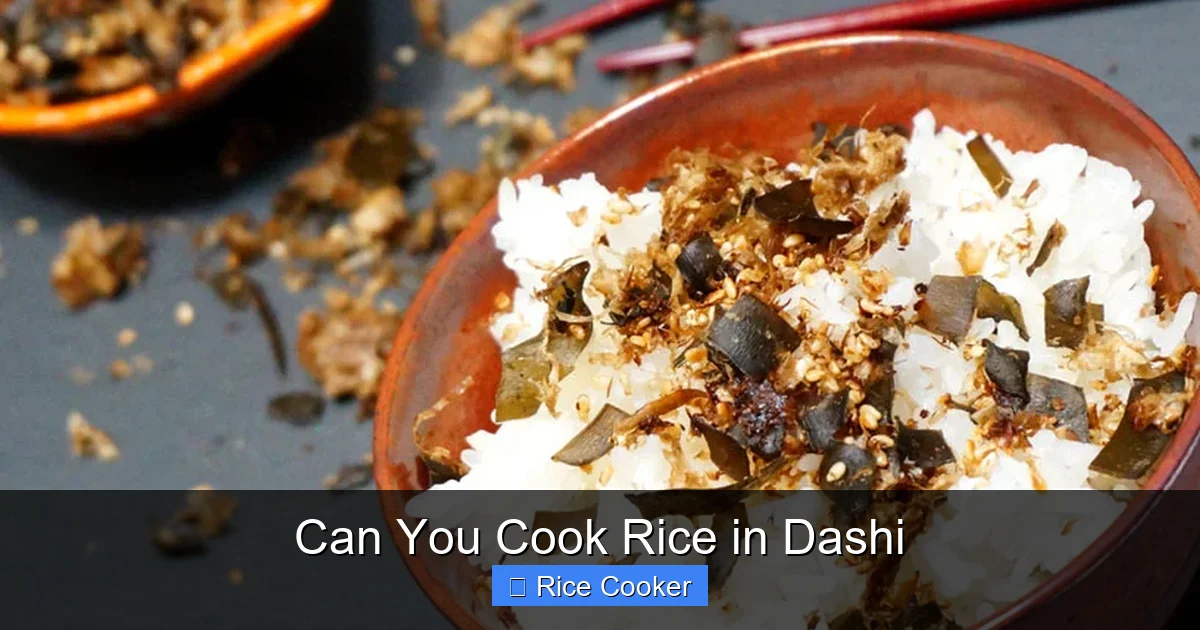
Visual guide about Can You Cook Rice in Dashi
Image source: otakufood.com
The Science Behind Umami in Rice
When you cook rice in dashi instead of water, those umami compounds dissolve into the grains during steaming. This means every bite carries subtle hints of sea salt, mushrooms, and aged fish—without any actual fish in sight. Research has shown that cooking grains in nutrient-rich broths can increase their bioavailability. For example, minerals like iron and magnesium are better absorbed when surrounded by certain amino acids found in dashi. So not only does your rice taste better, but it might also be more nourishing.
Types of Dashi for Cooking Rice
There are several kinds of dashi, but not all work equally well for rice. Here’s a quick breakdown:
- Kombu Dashi: Made by steeping kelp in cold water, then heating slowly. Rich in minerals and very mild. Great for delicate flavors like steamed fish or plain white rice.
- Konbu-negi Dashi: Kombu plus green onions. Adds a gentle oniony note—ideal for family-style meals.
- Wakame Dashi: Includes wakame seaweed for extra oceanic depth. Best for seafood-based dishes.
- Katsuobushi Dashi: Made with bonito flakes steeped in hot water. Intensely umami and slightly smoky. Perfect for sushi rice or heartier bowls.
- Fukusasa Dashi: A premium blend using rare nori and shavings of bonito. Expensive but worth it for special occasions.
For beginners, start with simple kombu or katsuobushi dashi. As you get comfortable, experiment with combinations.
How to Make Homemade Dashi: Simple Steps Anyone Can Follow
You don’t need a chef’s degree to make great dashi at home. In fact, most recipes require less than 10 minutes of active prep. The key is patience—especially when working with kombu, which needs gentle handling to avoid bitterness.
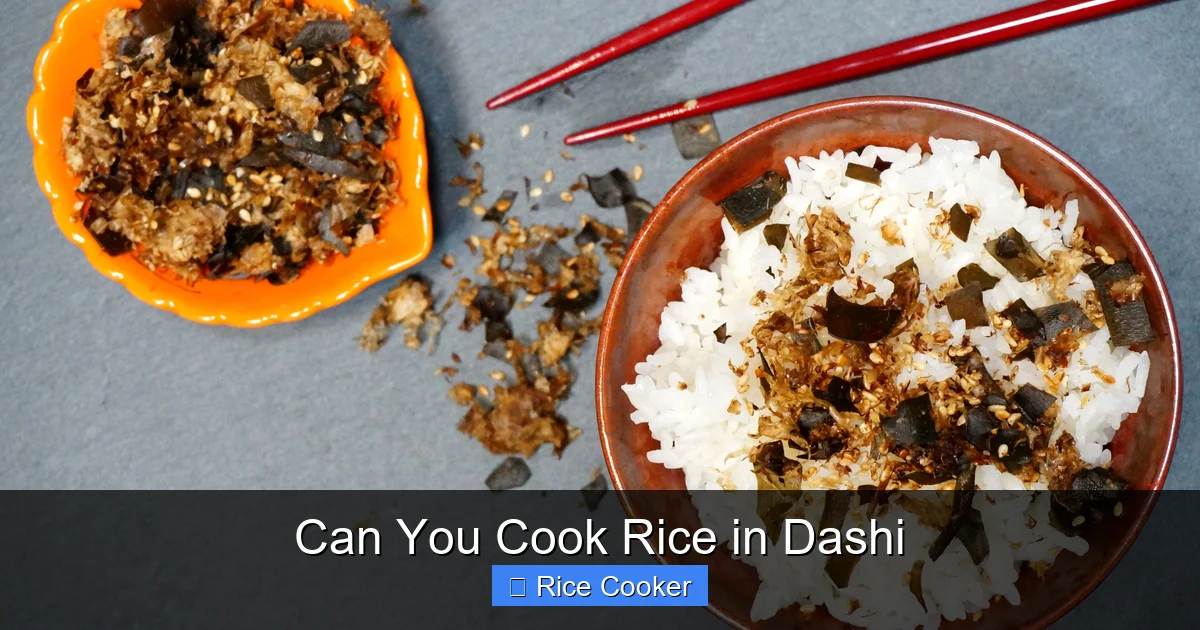
Visual guide about Can You Cook Rice in Dashi
Image source: otakufood.com
Basic Kombu Dashi Recipe
Ingredients:
- 4 cups (950ml) cold water
- 4-inch piece of kombu (about 6g)
- Optional: 1 green onion, sliced (for konbu-negi dashi)
Instructions:
- Place kombu in a pot with cold water. Let it sit for 30 minutes to soften.
- Heat the mixture over medium-low heat until small bubbles appear around the edges (do not let it boil).
- Once bubbling starts, remove the pot from heat immediately.
- Strain through a fine-mesh sieve or cheesecloth.
- Add optional green onion if desired.
This yields about 4 cups of clear, mineral-rich dashi. Store leftovers in the fridge for up to 3 days.
Quick Katsuobushi Dashi
If you want a faster option, try this:
- 4 cups boiling water
- 1 tablespoon katsuobushi flakes
- Pinch of salt (optional)
Pour boiling water over flakes in a cup, let steep for 2–3 minutes, strain, and use immediately. This method is perfect for single servings or when you’re short on time.
Pro Tips for Perfect Dashi
- Never boil kombu: High heat releases bitter compounds. Keep temperatures low.
- Use filtered water: Chlorine can interfere with flavor development.
- Don’t discard kombu after use: You can reuse it once or twice for weaker batches.
- Keep containers clean: Any residual oil or soap residue can ruin future dashi.
Cooking Rice in Dashi: Step-by-Step Guide
Now that you’ve got your dashi ready, it’s time to cook rice. The process is nearly identical to making regular rice—except you’re swapping water for your homemade broth. Most modern rice cookers handle this seamlessly, but even stovetop methods work beautifully.
Using a Rice Cooker (Most Common Method)
Ingredients:
- 1 cup jasmine, basmati, or sushi rice (rinsed)
- 1½ cups homemade dashi (adjust slightly based on rice type)
- Optional: ¼ teaspoon salt
Steps:
- Rinse rice under cold water until water runs clear. This removes excess starch and prevents stickiness.
- Add rice to the inner pot of your rice cooker.
- Pour in dashi, making sure the level matches the markings for your rice amount.
- Press “Cook” and wait. Modern rice cookers usually take 20–30 minutes.
- Let the rice rest for 10 minutes after cooking before fluffing.
For best results, measure dashi using the same ratio as water: 1½ cups per cup of dry rice. Adjust slightly if your dashi is stronger or weaker than usual.
Stovetop Method
Prefer cooking on the burner? No problem!
- Combine rinsed rice and dashi in a saucepan.
- Bring to a boil over high heat.
- Reduce heat to low, cover tightly, and simmer for 18–20 minutes.
- Turn off heat and let sit covered for 10 minutes.
- Fluff gently with a fork.
Covering tightly is crucial—steam builds pressure and ensures even cooking.
Special Considerations for Different Rice Types
Not all rice behaves the same in dashi. Here’s how to adapt:
- Sushi Rice (short-grain): Use katsuobushi dashi for authentic flavor. Rinse thoroughly and cook until sticky but separate.
- Brown Rice: Takes longer to cook. Increase dashi to 1¾ cups per cup of rice. Soak rice overnight for even texture.
- White Rice (long-grain): Milder dashi works best. Avoid overpowering flavors.
- Black Rice or Purple Rice: Nutrient-dense and colorful! Cook in kombu dashi for a natural sweetness.
- Glutinous Rice (Mochi Rice): Very sticky. Reduce dashi by 10% and stir frequently to prevent clumping.
Delicious Ways to Use Dashi-Cooked Rice
Once you’ve mastered the basics, the possibilities are endless. Dashi rice isn’t just a side dish—it’s a canvas for creativity. Below are five popular applications, from classic Japanese fare to modern fusion twists.
1. Sushi Rice (Gohan)
The holy grail of dashi rice. Traditionally, sushi rice is seasoned with a mix of rice vinegar, sugar, and salt—but adding dashi beforehand deepens the flavor profile. After cooking, fold in 1 tablespoon of rice vinegar, 1 teaspoon sugar, and ½ teaspoon salt while gently stirring. Chill before forming sushi rolls or nigiri.
2. Oyakodon (Chicken and Egg Bowl)
A comforting one-pot meal from Japan. Simmer thinly sliced chicken and beaten eggs in soy sauce, mirin, and dashi broth. Serve over freshly cooked dashi rice. The eggs absorb all the savory goodness, creating a silky, rich topping.
3. Takikomi Gohan (Simmered Rice)
Stir-fry vegetables like shiitake mushrooms, carrots, and daikon in dashi. Add cooked rice and simmer until heated through. Top with soft-boiled egg or grilled salmon for extra protein.
4. Onigiri (Rice Balls)
Shape cooled dashi rice into triangles or balls, wrap in nori, and fill with pickled plum, tuna mayo, or tamagoyaki (rolled omelet). The umami from dashi keeps the onigiri flavorful even without seasoning.
5. Fusion Bowls
Try Korean bibimbap: top dashi rice with spinach, bean sprouts, radish, and bulgogi. Or make a Mexican twist: serve over black beans, avocado, and lime crema. The dashi adds depth without masking bold spices.
Storage & Reheating Tips
Dashi rice stores exceptionally well. Refrigerate in airtight containers for up to 5 days. Reheat on the stove with a splash of water or dashi to restore moisture. Avoid microwaving straight from the fridge—add a damp paper towel to trap steam.
Common Mistakes and How to Fix Them
Even experienced cooks run into hiccups. Here are the most frequent issues and how to solve them:
Rice Too Sticky or Mushy
Cause: Too much liquid or over-steaming.
Fix: Measure dashi carefully. Let rice rest uncovered for 2 minutes after cooking to evaporate excess moisture.
Dashi Overwhelms the Flavor
Cause: Strong katsuobushi dashi on mild rice.
Fix: Balance with kombu dashi or dilute with water (1:1 ratio).
Rice Doesn’t Cook Through
Cause: Cold dashi or insufficient heat.
Fix: Pre-warm dashi slightly before adding rice. Stir occasionally during stovetop cooking.
Burnt Bottom Layer
Cause: Uneven heat distribution.
Fix: Use a non-stick pot or ensure your rice cooker’s heating element is clean and functional.
Taste Lacks Depth
Cause: Weak dashi or old ingredients.
Fix: Refresh your dashi recipe. Fresh kombu and katsuobushi last longer than you think.
Is Dashi Rice Worth the Effort?
Absolutely. While it takes a bit more planning than dumping water into a pot, the payoff is huge. Think of it like brewing coffee vs. drinking instant: both get the job done, but one delivers a richer experience. Dashi rice elevates every meal, whether you’re feeding a crowd or whipping up dinner solo. It’s also budget-friendly—kombu and katsuobushi last months when stored properly. Plus, you’ll impress friends and family with your knowledge of Japanese techniques, even if you’re cooking in your suburban kitchen.
And let’s be honest: there’s something deeply satisfying about starting with whole, natural ingredients and transforming them into something nourishing and delicious. Dashi rice connects you to a tradition thousands of years old, while still fitting perfectly into modern life. Whether you’re meal-prepping for the week or hosting a dinner party, having a stash of fragrant, umami-rich rice on hand makes everything easier.
Final Thoughts: Your Gateway to Better Rice
Cooking rice in dashi isn’t just a cooking hack—it’s a mindset shift. Instead of treating rice as a neutral filler, you begin to see it as the foundation of flavor. Every grain becomes a vessel for nutrients, aroma, and cultural heritage. And the beauty of it? You can start today, with ingredients you already have or can easily find at Asian grocery stores or online.
So next time you reach for that bag of rice, pause. Pour yourself a cup of dashi instead of water. Watch as the grains swell, absorb, and transform under gentle heat. Take a bite. Notice how the flavor lingers, how the texture is perfect, how the entire dish feels elevated. That moment—that tiny upgrade—is why so many home cooks fall in love with dashi rice. It’s not complicated. It’s not fancy. It’s just… better.
Frequently Asked Questions
Can I use store-bought dashi powder or granules?
Yes, but quality varies. Look for brands like Mizkan or Knorr that specify “dashi” on the label. Mix according to package directions—usually 1 teaspoon per cup of water. Note that powdered versions may lack the complexity of real kombu and bonito.
Does dashi affect the color of rice?
Minimal. Light kombu dashi keeps rice white. Stronger katsuobushi dashi may give a pale golden hue. Neither affects edibility or taste significantly.
Can I freeze dashi rice?
Absolutely. Portion into freezer-safe containers and store for up to 3 months. Thaw overnight in the fridge and reheat with a splash of dashi or water.
Do I need special rice for dashi?
Short-grain sushi rice works best due to its stickiness and ability to absorb flavor. But you can use any type—just adjust liquid ratios accordingly.
Is dashi rice healthier than plain rice?
Potentially yes. Dashi provides trace minerals and reduces reliance on added salt. However, overall health depends on your complete diet—not just one ingredient.
How do I know when my dashi is ready?
For kombu dashi, look for small bubbles around the pot’s edge before removing from heat. For katsuobushi dashi, the flakes will sink initially, then rise and float—this signals peak umami extraction.