
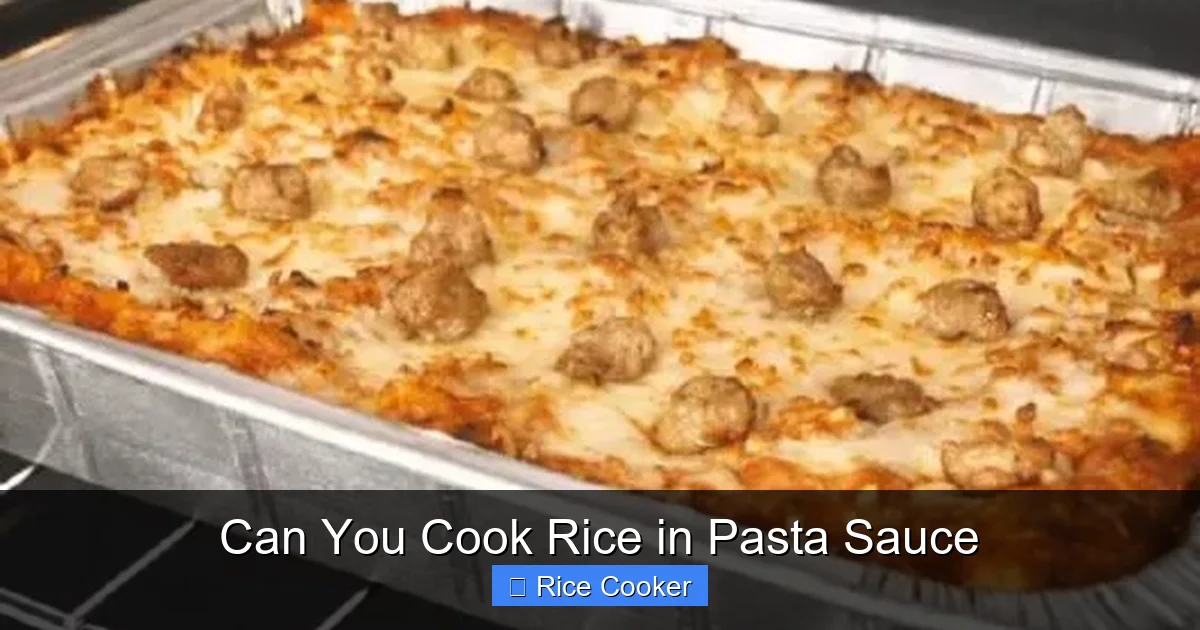
Yes, you can cook rice in pasta sauce, but only if the sauce has enough liquid and heat to support proper cooking. This method works best with certain rice types and requires attention to timing and consistency. While convenient for one-pot meals, it’s not ideal for every sauce or rice variety. With the right setup, though, you can save time and dishes while enjoying flavorful, tender grains. Always monitor closely to avoid mushy results.
Have you ever stared into your pot of simmering pasta sauce, wondering if you could just toss in some rice and call it dinner? It sounds like a kitchen miracle—combine two staples into one dish without extra effort. And guess what? Yes, you can cook rice in pasta sauce. But before you dump a cup of rice into that bubbling marinara, let’s talk about how, when, and why this might (or might not) work.
Cooking rice directly in pasta sauce isn’t a new idea—it’s actually a time-honored trick in many cuisines around the world. Think of risotto, where rice is slowly cooked in broth until creamy and al dente. Or imagine a rustic Italian casserole where rice soaks up the richness of tomato sauce. These dishes prove that rice and sauce can coexist beautifully. But doing it at home in a hurry? That’s where things get tricky. The key lies in understanding the science behind rice cooking—how it absorbs liquid, releases starch, and transforms texture—and matching that with the consistency and temperature of your sauce.
If you’ve ever tried boiling plain rice in water, you know it needs steady heat and enough liquid to swell fully. Rice grains absorb liquid as they cook, expanding and softening until they’re tender throughout. When you add rice to pasta sauce, you’re relying on the sauce to provide both the liquid and the heat. But most store-bought or homemade sauces aren’t designed with rice in mind—they’re often too thick, too acidic, or not hot enough to cook grains evenly. So while the concept is simple, execution matters.
This guide will walk you through everything you need to know: which types of rice and sauce work best, how to adjust your technique, and why using a rice cooker can be a game-changer. Whether you’re meal prepping, saving dishes, or just curious about kitchen hacks, you’ll find practical tips to make this idea work—without ending up with a sticky mess.
Key Takeaways
- It’s possible but not always recommended: Cooking rice in pasta sauce is doable, especially when using a rice cooker, but results vary based on sauce type, rice kind, and heat control.
- Use the right rice: Short-grain or medium-grain rice like Arborio, jasmine, or sushi rice work better because they absorb liquid well and stay tender.
- Add extra liquid if needed: Most pasta sauces aren’t thick enough on their own; supplement with broth or water to reach the rice’s required cooking volume.
- Stir occasionally: Prevent sticking and uneven cooking by gently stirring every 5–10 minutes during the process.
- Watch for doneness: Check rice after the standard cooking time—it should be soft but not mushy, with no hard centers.
- Not all sauces are equal: Creamy sauces like Alfredo may coat rice but won’t cook it properly; tomato-based or meaty sauces tend to work better.
- Rice cookers make it easier: Using a rice cooker simplifies the process by automating heat and timing, reducing the risk of burning or undercooking.
📑 Table of Contents
The Science Behind Cooking Rice
To understand whether rice can cook in pasta sauce, it helps to know how rice cooks in the first place. Rice is made up of three main parts: the bran, the germ, and the endosperm—the starchy core that expands when heated with water. As the grain heats, the starches absorb liquid and swell, turning the hard kernel into something soft, fluffy, or creamy, depending on the type.
Most rice needs a specific ratio of rice to liquid—typically 1:2 (one part rice to two parts liquid) for long-grain varieties like basmati, or 1:3 for short-grain types like arborio used in risotto. The liquid must be hot when added, usually brought to a boil first, then reduced to a simmer. This slow, steady heat allows the rice to absorb moisture gradually without burning.
When you add rice to pasta sauce, you’re essentially trying to replicate this process. But sauces vary wildly in thickness, acidity, and temperature. A thin tomato sauce might have enough liquid, but it may cool too quickly. A thick ragù might coat the rice but lack sufficient moisture to cook it through. That’s why simply tossing rice into simmering sauce doesn’t always work—and why knowing your ingredients is half the battle.
Which Types of Rice Work Best?
Visual guide about Can You Cook Rice in Pasta Sauce
Image source: canyoumicrowavewiki.com
Not all rice is created equal when it comes to cooking in sauce. Some varieties absorb liquid faster, release more starch, and hold up better under heat. Here’s a breakdown of the top contenders:
Short-Grain Rice
Rice with high starch content—like Arborio, Calrose, or sushi rice—is ideal for cooking in sauces. These grains become creamy and cling together, perfect for absorbing flavors from pasta sauce. They also cook relatively quickly, usually within 15–20 minutes, making them great for one-pot meals.
Medium-Grain Rice
Jasmine and glutinous rice fall into this category. Jasmine rice adds a fragrant aroma and slightly sticky texture, while glutinous rice (despite its name) becomes chewy and holds its shape well. Both work well in sauces that need binding, like in fried rice-inspired pasta dishes.
Long-Grain Rice
Basmati and long-grain white rice are less sticky but still usable if you adjust the liquid. They tend to stay separate and fluffy, which can be nice in lighter sauces like pesto or olive oil-based recipes. However, they require more liquid and longer cooking time, so stir-fry-style sauces may not be the best match.
Avoid instant or quick-cook rice unless you’re using a rice cooker with a “soup” setting—these varieties are already partially pre-cooked and can turn mushy when reheated in sauce.
What Kind of Pasta Sauce Should You Use?
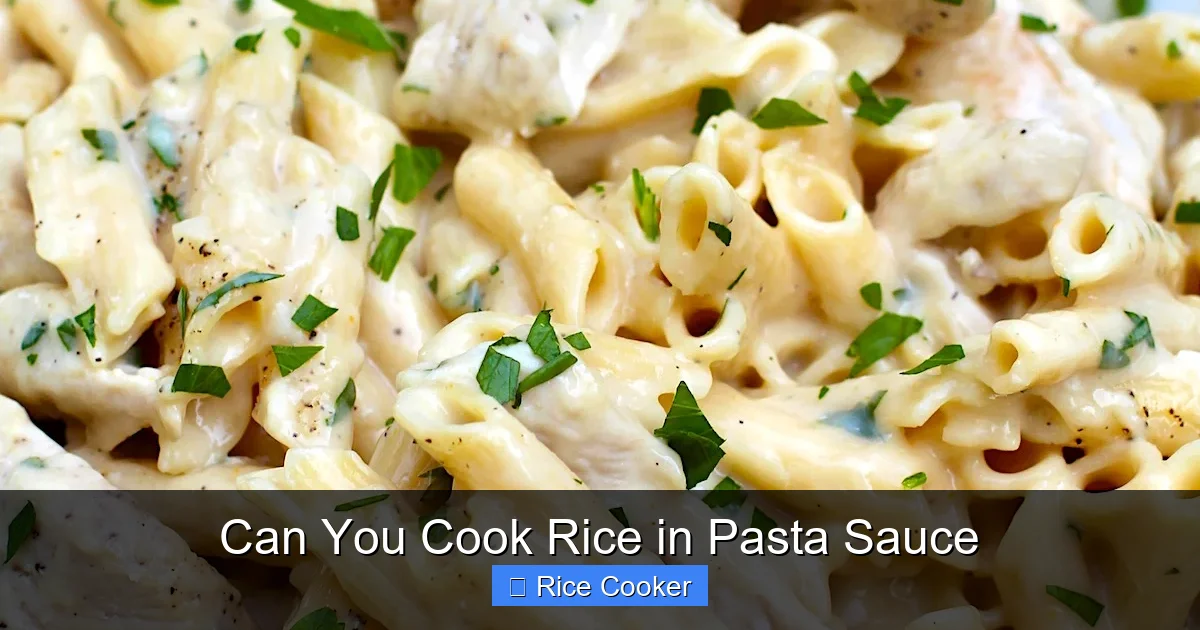
Visual guide about Can You Cook Rice in Pasta Sauce
Image source: talkingmeals.com
The success of cooking rice in pasta sauce depends heavily on the sauce’s consistency, temperature, and composition. Not every sauce is built for this experiment. Let’s break down which ones work best—and which to avoid.
Tomato-Based Sauces (Marinara, Bolognese, etc.)
These are often the best candidates. Tomato sauce is moderately thin, rich in flavor, and typically simmered long enough to maintain heat. When combined with rice, it creates a hearty, cohesive dish. Just be mindful of acidity—too much can affect texture over time.
Creamy Sauces (Alfredo, Carbonara, Pesto with cream)
While creamy sauces coat rice nicely, they often lack the volume of liquid needed to cook grains thoroughly. Alfredo, in particular, is thick and low in moisture, so adding rice can result in undercooked centers. If you want to use this style, consider thinning the sauce with broth and monitoring closely.
Oil-Based or Light Sauces (Olive oil, garlic, chili flakes)
These sauces have minimal liquid and won’t cook rice properly. Instead of boiling, they’re better suited for finishing raw rice—like in a cold salad or as a garnish. Cooking rice here would require adding significant extra liquid, which defeats the purpose of using the sauce directly.
Meat or Vegetable Broths
If your pasta sauce includes a lot of broth or stewed vegetables, it’s more likely to support rice cooking. These sauces are naturally more liquid-rich and stable at high heat, making them excellent bases for one-pot meals.
How to Cook Rice in Pasta Sauce (Step-by-Step)
Ready to try it? Follow these steps for a foolproof method—whether you’re using a stovetop pot or a rice cooker.
Option 1: Stovetop Method
- Prepare your sauce: Heat your pasta sauce in a large saucepan over medium heat. Bring it to a gentle simmer.
- Add rice: Stir in the rinsed rice (about 1 cup). Make sure the sauce covers the rice by at least an inch.
- Add extra liquid if needed: If the sauce seems too thick, add 1/4 to 1/2 cup of water or broth per cup of rice.
- Cook and stir: Maintain a simmer. Stir every 5–7 minutes to prevent sticking and ensure even cooking.
- Check for doneness: After 18–22 minutes (depending on rice type), taste a grain. It should be tender with no hard center. If not done, cover and cook 2–3 minutes more.
- Rest and serve: Remove from heat, cover, and let sit 5 minutes before fluffing with a fork.
Option 2: Rice Cooker Method
Using a rice cooker makes this process almost effortless.
- Combine ingredients: Pour your pasta sauce into the inner pot, then add the rinsed rice. Stir to distribute evenly.
- Add liquid: If the sauce is thin, add warm water or broth to reach the rice cooker’s usual water level line for your rice type.
- Start cooking: Close the lid and select the “White Rice” or “Normal” setting. Avoid “Quick Cook” unless your model supports it.
- Await completion: Once the cycle ends, let the rice rest for 5–10 minutes before opening. Fluff gently.
- Taste and adjust: Add salt, herbs, or cheese if needed. Your rice should be tender and well-coated.
Pro tip: If your rice cooker has a “Soup” or “Porridge” setting, use that—it provides gentler heat ideal for saucy dishes.
Common Mistakes to Avoid
Even experienced cooks run into issues when experimenting with rice and sauce. Here are the most common pitfalls—and how to dodge them.
Mistake 1: Not Rinsing the Rice
Unwashed rice leaves excess starch on the surface, which can make the dish gummy or overly sticky. Always rinse until the water runs clear.
Mistake 2: Using Too Little Liquid
Rice needs consistent moisture to cook through. If the sauce evaporates too quickly, the bottom layer burns while the top stays undercooked. Cover the pot halfway and stir often.
Mistake 3: Skipping the Simmer
Boiling rice in sauce causes rapid expansion and can lead to mush. Keep the heat low-medium and maintain a steady simmer.
Mistake 4: Overcrowding the Pot
Too much rice in a small pot leads to uneven cooking. Stick to a 1:1.5 to 1:2 ratio of rice to sauce+liquid.
Mistake 5: Ignoring Acidic Sauces
High-acid sauces (like vinegar-heavy marinara) can affect texture over time. If using such sauces, cook rice separately and mix at the end to preserve texture.
Mistake 6: Forgetting to Rest the Rice
Just like regular rice, sauced rice benefits from resting. This allows steam to redistribute and final texture to set.
Creative Ways to Use This Technique
Once you master the basics, the possibilities expand. Here are some inspired ideas:
Pasta-Rice Casseroles
Layer cooked rice in pasta sauce with mozzarella, Parmesan, and breadcrumbs. Bake until golden for a comforting casserole.
One-Pot Risotto-Style Pasta
Instead of making risotto from scratch, use leftover pasta sauce with arborio rice. Simmer until creamy—you’ll have restaurant-quality results with minimal cleanup.
Fried Rice Pasta Bowl
Stir-fried vegetables and scrambled eggs into a tomato-based sauce with jasmine rice. Top with green onions and sesame oil for an Asian twist.
Mediterranean Rice Pilaf
Add olives, sun-dried tomatoes, and feta to a light tomato sauce with calrose rice. Serve warm with crusty bread.
Kids-Friendly “Pizza Rice”
Spread sauce on rice, top with cheese and pepperoni, and bake. No pasta needed—just happy faces and full bellies.
Leftover Makeover
Turn last night’s spaghetti into a new dish by mixing in fresh rice and reheating gently. Add veggies or protein for a complete meal.
Why a Rice Cooker Makes This Easier
If you’ve ever struggled with stovetop rice—burning the bottom, undercooking the top—you’ll appreciate the reliability of a rice cooker. These appliances automate the entire process: heating, simmering, and shutting off when done. When cooking rice in pasta sauce, a rice cooker ensures even heat distribution and precise timing.
Many modern models come with multiple settings:
- White Rice: Standard cooking cycle for fluffy results.
- Brown Rice: Longer cook time for chewier grains.
- Soup/Porridge: Gentle heat ideal for saucy dishes.
- Keep Warm: Maintains temperature without drying out the rice.
Using a rice cooker also means fewer pots to wash. Simply clean the inner pot after use—no sticky residue from burnt sauce. Plus, you can prep other ingredients while the rice cooks, making it perfect for busy weeknights.
For best results, choose a rice cooker with a non-stick inner pot and a clear lid so you can monitor progress. Models with fuzzy logic technology adjust heat automatically, reducing the chance of overcooking.
Final Thoughts: Is It Worth It?
So, can you cook rice in pasta sauce? Absolutely—but with caveats. It’s not a universal solution, and results depend on your ingredients and technique. Done right, it saves time, reduces dishes, and delivers a satisfying, flavor-packed meal. Done wrong, you’ll end up with a lumpy, undercooked disaster.
The key is balance: use the right rice, ensure enough liquid, maintain steady heat, and don’t rush the process. And if you’re unsure, start small—try one cup of rice with a generous ladle of sauce and see how it turns out.
With a little practice, cooking rice in pasta sauce becomes second nature. It’s a clever kitchen shortcut that blends tradition with innovation. Whether you’re using a stovetop pan or a trusty rice cooker, you now have the tools to make it work.
Next time you open a jar of sauce, don’t just pour it over pasta. Ask yourself: what else can this cook? The answer might surprise you—and your taste buds.
Frequently Asked Questions
Can I cook any type of rice in pasta sauce?
No, short-grain and medium-grain rice like Arborio or jasmine work best because they absorb liquid well and become tender. Long-grain rice can be used but requires more liquid and longer cooking time.
Will cooking rice in pasta sauce make it mushy?
Only if you overcook it or use too little liquid. Stirring occasionally and checking for doneness helps prevent mushiness. Resting the rice after cooking also improves texture.
Do I need to add extra liquid when cooking rice in sauce?
Often yes. Most pasta sauces aren’t thick enough on their own. Add 1/4 to 1/2 cup of broth or water per cup of rice if the sauce seems too thin or low in moisture.
Can I use a rice cooker to cook rice in pasta sauce?
Yes! A rice cooker simplifies the process by controlling heat and timing. Just add the sauce and rice, adjust liquid levels, and select the appropriate setting. It’s especially helpful for beginners.
How long does it take to cook rice in pasta sauce?
About 18–22 minutes for white rice, depending on the type and heat. Stir occasionally and check for doneness by tasting a grain. Brown rice takes longer—around 35–40 minutes.
Is it safe to cook rice in tomato-based sauce?
Yes, as long as the sauce is hot and has enough liquid. Tomato sauce provides good flavor and moisture, but avoid very acidic versions that might affect texture over time.