

Can you cook rice in pineapple juice? Absolutely! While not traditional, cooking rice with pineapple juice adds a sweet, tangy flavor that pairs surprisingly well with savory dishes. It’s a creative twist that works best with long-grain or jasmine rice, and it’s perfect for those wanting to experiment beyond water or broth.
Key Takeaways
- Pineapple Juice Adds Flavor: The natural sweetness and slight acidity of pineapple juice infuse rice with a tropical taste, ideal for fusion recipes.
- Not Ideal for All Rice Types: Long-grain and aromatic varieties like jasmine work best; stick-to-the-pot types may become mushy.
- Acidity Can Affect Texture: Pineapple contains bromelain, which may break down starch, potentially making rice softer or less firm.
- Use Fresh or Store-Bought Juice: Fresh is preferred for flavor, but quality store-bought juice (without added sugars) works too.
- Balance Sweetness with Salt: Add a pinch of salt to counteract the natural sweetness and enhance overall flavor.
- Safety First: Ensure the juice is pasteurized if using canned or bottled versions to avoid foodborne illness risks.
📑 Table of Contents
- Cooking Rice in Pineapple Juice: A Flavorful Experiment
- The Science Behind Cooking Rice in Pineapple Juice
- Which Types of Rice Work Best with Pineapple Juice?
- Step-by-Step Guide: How to Cook Rice in Pineapple Juice
- Creative Ways to Use Pineapple-Juice-Cooked Rice
- Practical Tips and Common Mistakes to Avoid
- Safety Considerations and Food Pairings
- Conclusion: Is Pineapple Juice Worth It?
Cooking Rice in Pineapple Juice: A Flavorful Experiment
Have you ever wondered what happens when you swap plain water for something more adventurous—like pineapple juice—when cooking rice? If you’re someone who loves experimenting in the kitchen or enjoys bold, unexpected flavors, this might be the perfect culinary twist for you. Cooking rice in pineapple juice isn’t a common practice, but it opens up a world of possibilities for fusion dishes, side dishes, and even desserts. From tropical stir-fries to grain bowls with a hint of sweetness, the idea of using pineapple juice as a liquid base for rice is both intriguing and delicious.
Before diving into the recipe, it’s important to understand how this method differs from traditional rice cooking. Most people use water or broth, both of which are neutral in flavor and help maintain the integrity of the grain. Pineapple juice, on the other hand, introduces fruity notes and subtle acidity that can transform the character of the rice. The result isn’t just a change in taste—it alters texture, aroma, and even how the rice absorbs moisture. So, while it’s entirely possible to cook rice in pineapple juice, doing it correctly requires attention to timing, rice type, and balance of flavors.
In this article, we’ll explore everything you need to know about cooking rice in pineapple juice. We’ll cover the science behind the process, recommend the best rice varieties, provide step-by-step instructions, and share creative ways to use the finished product. Whether you’re looking to impress dinner guests or simply spice up your weekly meal prep, this guide will help you make informed decisions and get the most out of your cooking adventure.
The Science Behind Cooking Rice in Pineapple Juice
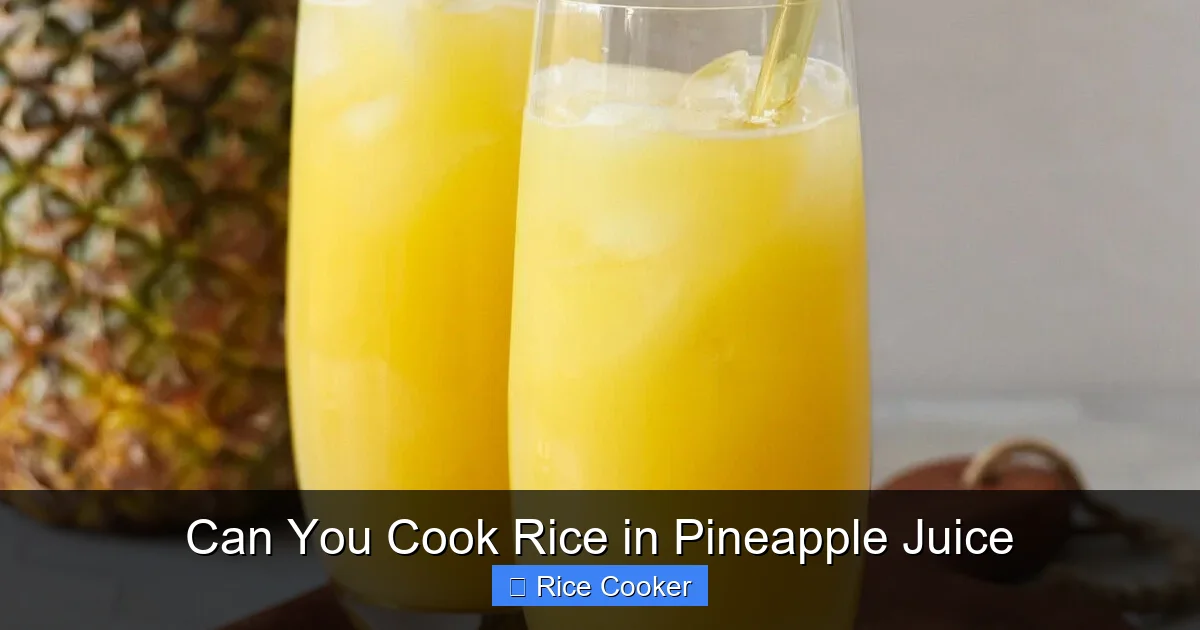
Visual guide about Can You Cook Rice in Pineapple Juice
Image source: cookathomemom.com
To truly appreciate why cooking rice in pineapple juice works—or doesn’t—we need to look at the chemistry involved. Rice is mostly starch, and its texture depends heavily on how that starch gelatinizes during cooking. When rice absorbs liquid and heats up, the starches swell and release amylose, creating the fluffy, separate grains we associate with perfectly cooked rice.
Water is the standard because it has no flavor and doesn’t interfere with starch behavior. Broth adds flavor without altering texture significantly. Pineapple juice, however, brings two key components into play: sugar and acid. The natural sugars in pineapple contribute sweetness, while citric and malic acids affect how the rice cooks and sets.
One particularly interesting aspect is bromelain, an enzyme found in pineapple. Bromelain breaks down proteins and starches, which means it can soften the rice more than usual. This enzymatic activity is why raw pineapple tastes so tender—and why cooking rice in fresh pineapple juice might lead to a slightly softer, creamier texture. That’s great for certain dishes, but it could be a problem if you prefer firm, distinct grains.
Another factor is pH level. Pineapple juice is acidic (pH around 3.5–4.0), which can influence how the rice absorbs liquid and sets during cooling. Acidic environments sometimes cause rice to become more sticky or clump together, especially if the cooking time isn’t monitored closely. This is why using a little extra juice or adjusting the ratio slightly can help achieve better results.
Despite these variables, many home cooks have successfully used pineapple juice to cook rice with excellent outcomes. The key is understanding how these elements interact and adjusting your technique accordingly. For example, using less juice than the typical water-to-rice ratio can prevent mushiness. Or, rinsing the rice beforehand removes excess surface starch, reducing the risk of clumping.
Ultimately, cooking rice in pineapple juice isn’t about replacing water entirely—it’s about enhancing flavor while managing texture. With the right approach, you can enjoy rice that’s fragrant, subtly sweet, and full of tropical zest.
Which Types of Rice Work Best with Pineapple Juice?
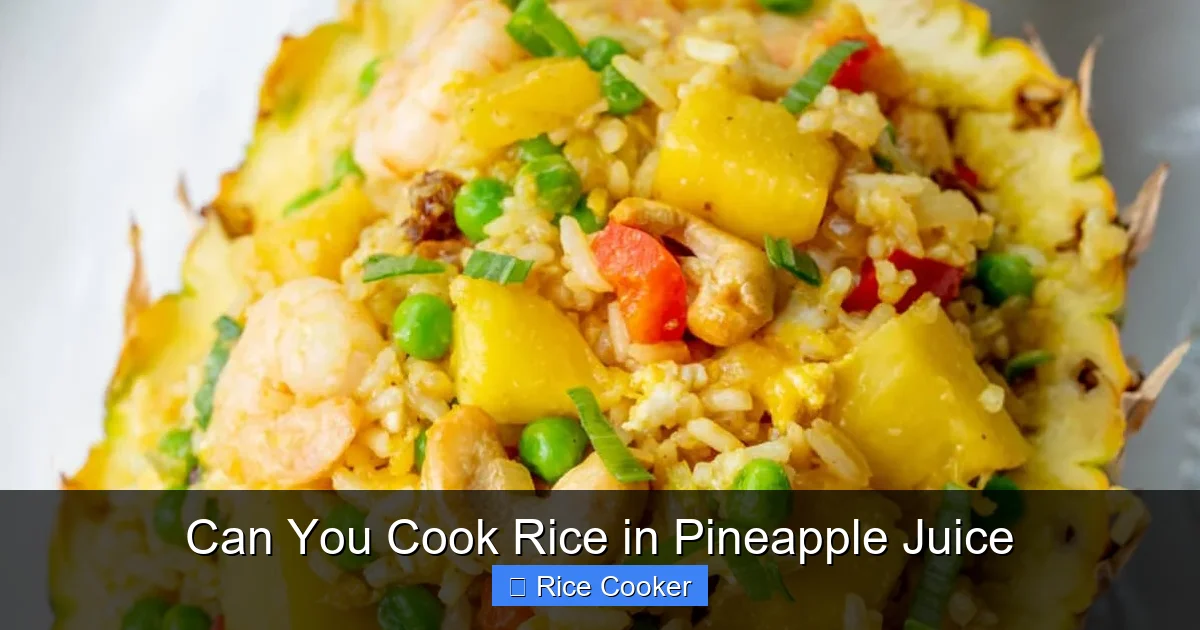
Visual guide about Can You Cook Rice in Pineapple Juice
Image source: everyday-delicious.com
Not all rice varieties respond the same way to pineapple juice. Some thrive under its influence, while others fall apart. Choosing the right kind is crucial to achieving a satisfying result.
Long-Grain White Rice
This is arguably the best option for cooking in pineapple juice. Varieties like Jasmine, Basmati, or American long-grain rice have slender grains that don’t absorb too much liquid, helping maintain separation even after absorbing sweet, tangy flavors. Their mild base allows the pineapple juice to shine without overwhelming the dish.
When cooked with pineapple juice, long-grain rice often develops a delicate floral or citrus undertone—especially jasmine rice, which already has a naturally fragrant profile. This makes it ideal for Asian-inspired fusion meals, such as a pineapple-juice-infused jasmine rice served alongside grilled chicken or seafood.
Aromatic Rice Varieties
Jasmine and Basmati rice are particularly well-suited for this method. Both are known for their ability to absorb flavors without losing structure. Jasmine rice, in particular, complements the tropical notes of pineapple beautifully. Its subtle floral scent blends harmoniously with the fruit’s aroma, creating a layered sensory experience.
Basmati rice, with its nutty flavor and light body, also holds up well when cooked in pineapple juice. Just be sure to rinse it thoroughly before cooking to remove excess starch, which helps prevent gummy results.
Brown Rice
Cooking brown rice in pineapple juice is trickier due to its higher fiber content and denser structure. Brown rice takes longer to cook and requires more liquid overall. Adding pineapple juice may speed up absorption, potentially leading to overcooking if not watched carefully.
If you want to try it, increase the cooking time slightly and monitor closely. You might also consider combining pineapple juice with water (e.g., 75% juice, 25% water) to dilute the acidity and reduce the risk of mushiness.
Short-Grain and Sushi Rice
These sticky rice types are generally not recommended. They’re designed to clump together, and the acidity in pineapple juice can exaggerate that tendency. The result would likely be overly soft, glue-like balls of rice—far from desirable.
Stick to long-grain or aromatic varieties if you’re aiming for fluffiness and separation.
Instant or Quick-Cooking Rice
While technically possible, instant rice isn’t ideal for infused liquids. It’s already pre-cooked and dried, so it won’t absorb flavor the way regular rice does. Plus, the texture tends to be too uniform and bland, undermining the point of using pineapple juice.
For best results, always use whole-grain, uncooked rice.
Step-by-Step Guide: How to Cook Rice in Pineapple Juice
Ready to try it yourself? Follow this simple, foolproof method for cooking rice in pineapple juice like a pro.
Gather Your Ingredients
You’ll need:
– 1 cup long-grain or aromatic white rice (rinsed)
– 1.5 cups pineapple juice (freshly squeezed or high-quality store-bought)
– ½ teaspoon salt (to balance sweetness)
– Optional: 1 tablespoon coconut milk or butter for richness
Using fresh juice gives the best flavor, but if you’re short on time, choose a brand without added sugar or preservatives. Avoid juices with artificial colors or citric acid additives—they can alter the taste.
Rinse the Rice
Rinsing removes surface starch, which prevents clumping. Place the rice in a fine-mesh strainer and rinse under cold running water until the water runs clear. Drain well.
Combine Ingredients
In a medium saucepan, combine rinsed rice, pineapple juice, and salt. Stir gently to mix. If using coconut milk or butter, add it now for extra creaminess.
Bring to a Boil
Cover the pot and bring the mixture to a rolling boil over medium-high heat.
Simmer and Steam
Once boiling, reduce heat to low and simmer gently for about 18–20 minutes. Avoid lifting the lid—this disrupts steaming and can lead to uneven cooking.
Rest the Rice
After cooking, turn off the heat and let the rice sit, covered, for 5–10 minutes. This resting period allows steam to finish cooking the grains and lets flavors meld.
Fluff and Serve
Use a fork to fluff the rice gently. Taste and adjust seasoning if needed. Serve warm as a side dish or base for bowls.
Pro tip: If the rice seems too wet, spread it on a baking sheet and dry-roast in a low oven (200°F/95°C) for 5 minutes to evaporate excess moisture.
Creative Ways to Use Pineapple-Juice-Cooked Rice
The beauty of cooking rice in pineapple juice lies in its versatility. Here are some delicious ideas to inspire your next meal:
Tropical Grain Bowls
Build a vibrant grain bowl with pineapple-juice rice as the base. Top with grilled mango, black beans, avocado slices, pickled red onions, and a drizzle of lime-cilantro dressing. The sweetness of the rice ties everything together.
Fried Rice Variation
Substitute water or soy sauce-based fried rice with your pineapple-juice rice. Stir-fry it with scrambled eggs, diced bell peppers, carrots, and shrimp. The natural sweetness enhances umami flavors without needing extra sugar.
Dessert Rice Pudding
Yes, really! Cook a small batch using coconut milk instead of plain juice for a creamy dessert. Add cinnamon, cardamom, and a splash of vanilla. Chill overnight for a refreshing treat.
Curry Side Dish
Serve the rice with Thai green curry or Indian butter chicken. The fruity notes contrast beautifully with spicy or creamy sauces, balancing heat with subtle sweetness.
Rice Salad
Let the rice cool completely, then toss it with cherry tomatoes, cucumber, parsley, feta cheese, and a vinaigrette. Perfect for picnics or meal prep.
Stuffed Peppers or Tomatoes
Use the rice as stuffing for bell peppers or Roma tomatoes. Mix with ground meat, onions, herbs, and a touch of pineapple chunks before baking.
Each application highlights different aspects of the rice’s flavor profile—from savory to sweet—showing just how adaptable this method can be.
Practical Tips and Common Mistakes to Avoid
Even experienced cooks can stumble when trying something new. Here are some insider tips to ensure success every time.
Don’t Skip Rinsing
As mentioned earlier, rinsing rice removes excess starch. Without it, your pineapple-juice rice might turn sticky or clumpy—especially if the juice is thick or high in pulp.
Monitor Acidity Levels
Too much pineapple juice can make the rice overly soft. Start with a conservative ratio (e.g., 1.5:1 juice-to-rice) and adjust next time based on your preference. You can always add more liquid, but you can’t take it away once it’s absorbed.
Use Fresh Juice When Possible
Store-bought juices often contain stabilizers or preservatives that affect taste and texture. If using canned pineapple juice, opt for “juice only” varieties without added sugar or syrup.
Watch the Cooking Time
Pineapple juice cooks faster than water due to its lower density and higher sugar content. Keep an eye on the timer and check doneness early. Overcooked rice becomes mushy and loses its shape.
Add Fat for Richer Flavor
A splash of coconut oil or butter enhances mouthfeel and carries aromatics better than juice alone. It also helps prevent the rice from drying out.
Avoid High Heat After Boiling
Once the rice reaches a boil, reduce heat immediately. High heat after boiling causes uneven cooking and can burn the bottom.
Common mistakes include using the wrong rice type, skipping rinsing, adding too much juice, or not letting the rice rest. By avoiding these pitfalls, you’ll end up with perfectly cooked, flavorful results.
Safety Considerations and Food Pairings
While cooking rice in pineapple juice is safe for most people, there are a few safety points to keep in mind.
Fresh pineapple juice can pose a risk if it hasn’t been properly handled. Raw pineapple contains bromelain, which, while beneficial in moderation, can cause digestive discomfort in sensitive individuals—especially if consumed in large amounts. However, when cooked, bromelain is deactivated by heat, eliminating this concern.
Always ensure any store-bought juice you use is pasteurized. Unpasteurized juices carry a risk of bacterial contamination (like E. coli or Salmonella), which is especially dangerous for vulnerable populations such as pregnant women, young children, and immunocompromised individuals.
When pairing dishes, consider complementary flavors. The sweet-tangy profile of pineapple juice pairs excellently with spicy foods (think Thai or Mexican cuisine), rich meats (pork, chicken), and creamy sauces. It also works well with citrus, herbs like cilantro and basil, and nuts such as almonds or cashews.
Avoid pairing it with overly salty or bitter ingredients, as the sweetness might clash. Instead, aim for harmony—let the rice act as a bridge between bold flavors rather than competing with them.
Conclusion: Is Pineapple Juice Worth It?
So, can you cook rice in pineapple juice? Yes—and depending on your taste preferences, it might become one of your favorite techniques. This method offers a unique way to elevate ordinary rice into something extraordinary: fragrant, subtly sweet, and full of tropical charm.
While it’s not a mainstream approach, the benefits far outweigh the learning curve. You gain creative flexibility, introduce new dimensions to classic dishes, and expand your culinary repertoire. With the right rice, careful measurement, and attention to detail, you can master this technique and impress friends and family with your innovation.
Whether you’re making a quick weeknight side or preparing a special dinner, pineapple-juice-cooked rice adds excitement without complexity. Give it a try—start small, observe how your rice behaves, and adjust as needed. Soon enough, you’ll have a new go-to recipe tucked into your mental cookbook.
And who knows? Maybe someday, someone else will ask, “Can you cook rice in pineapple juice?”—and you’ll smile and say, “Absolutely.”
Frequently Asked Questions
Is it safe to cook rice in raw pineapple juice?
Yes, but only if the juice has been boiled or processed. Raw pineapple contains bromelain, which can cause digestive issues in large amounts. Cooking deactivates the enzyme, making it safe to use.
How do I prevent my pineapple juice rice from becoming mushy?
Use long-grain rice, rinse it thoroughly, and avoid adding too much juice. Stick to a 1.5:1 liquid-to-rice ratio and monitor cooking time closely.
Can I substitute water with pineapple juice in a rice cooker?
Yes! Just replace half or all of the water with pineapple juice. Adjust the amount based on how sweet or tangy you want the final dish to be.
Does pineapple juice change the nutritional value of rice?
It adds minimal calories from natural sugars but doesn’t significantly alter the protein or fiber content. The main benefit is enhanced flavor, not nutrition.
Can I freeze leftover pineapple juice rice?
Yes, but store it tightly sealed and consume within 2–3 months. Reheat gently on the stove with a splash of water to restore moisture.
What’s the best rice cooker setting for pineapple juice rice?
Use the standard “white rice” or “normal” setting. No special mode is needed since the cooking process remains similar to water-based rice.