
You can absolutely cook rice in a saucepan—it’s simple, effective, and requires just three ingredients: rice, water, and heat. With the right technique, your pot-cooked rice rivals that of a rice cooker. Whether you’re in a pinch or prefer stovetop cooking, this method gives you fluffy, evenly cooked grains every time.
Have you ever wondered, “Can you cook rice in a saucepan?” The answer is a resounding yes—and in many cases, it’s the preferred method for home cooks who don’t own a rice cooker or simply enjoy the hands-on process of stovetop cooking. Whether you’re making a quick side dish, meal prepping, or cooking for a large family gathering, knowing how to cook rice on the stove is a valuable kitchen skill. With the right tools, timing, and technique, you can achieve perfectly fluffy, non-sticky rice every time—without needing any special equipment.
In this comprehensive guide, we’ll walk you through everything you need to know about cooking rice in a saucepan. From selecting the right pot to mastering the water-to-rice ratio, we’ll cover practical tips, troubleshooting advice, and even how to adapt the method for different types of rice. By the end, you’ll feel confident saying, “I can totally cook rice in a saucepan!”
Key Takeaways
- Yes, you can cook rice in a saucepan – it’s one of the most common and reliable methods for preparing rice at home.
- Proper water-to-rice ratio is essential – typically 1:2 (rice to water), but this varies slightly by grain type.
- Boiling first, then simmering ensures even cooking – bringing water to a boil before reducing heat prevents sticking and scorching.
- Covering with a tight-fitting lid traps steam, which is key for tender, fluffy rice.
- Letting rice rest after cooking helps absorb excess moisture and improves texture.
- Different types of rice require different techniques – long-grain, short-grain, and brown rice all have unique needs.
- A well-seasoned saucepan with thick bottom helps distribute heat evenly, preventing hot spots.
📑 Table of Contents
- The Basics of Cooking Rice on the Stove
- Step-by-Step Guide to Cooking Rice in a Saucepan
- Tips for Perfect Saucepan Rice Every Time
- Cooking Different Types of Rice in a Saucepan
- Troubleshooting Common Rice Problems
- Enhancing Flavor: Seasoning and Add-Ins
- Is a Saucepan Better Than a Rice Cooker?
- Final Thoughts: Yes, You Can Cook Rice in a Saucepan
The Basics of Cooking Rice on the Stove
Cooking rice in a saucepan is not only possible—it’s straightforward once you understand the fundamentals. Unlike some complex recipes, making rice on the stovetop relies on three core elements: the right amount of water, consistent heat, and patience. Most rice varieties require a simple process of boiling, simmering, and resting. While modern appliances like rice cookers automate much of this process, a good saucepan can deliver equally delicious results with a little attention.
The key difference between a rice cooker and a saucepan lies in control. With a pot, you manage the heat yourself, which allows for customization based on your preferences. For example, if you like your rice a bit softer or firmer, you can adjust the cooking time slightly. Additionally, using a heavy-bottomed saucepan helps prevent burning and ensures even heat distribution—something especially important when cooking larger batches.
Choosing the Right Saucepan
Not all saucepans are created equal when it comes to cooking rice. A heavy-bottomed pot with a tight-fitting lid is ideal because it retains heat and moisture effectively. Look for a saucepan with a non-stick surface if you plan to stir occasionally, though many traditional rice dishes benefit from minimal handling once the water begins to boil.
Avoid thin aluminum pots unless they’re specifically designed for rice cooking. These can develop hot spots and lead to unevenly cooked grains. Instead, opt for stainless steel, cast iron, or enamel-coated pots. A 2- to 4-quart saucepan is usually sufficient for one to two cups of uncooked rice.
Preparing the Rice
Before you start cooking, take a few minutes to rinse your rice. This step removes excess starch, which can make rice gummy if overcooked or clumpy if undercooked. Place the rice in a fine-mesh strainer and rinse under cold running water until the water runs clear. Drain thoroughly afterward.
Some purists skip rinsing entirely, especially with certain types of rice like jasmine or basmati, but for most common varieties—like white long-grain or American long-grain—rinsing is recommended. It’s a small step that makes a big difference in texture.
Step-by-Step Guide to Cooking Rice in a Saucepan
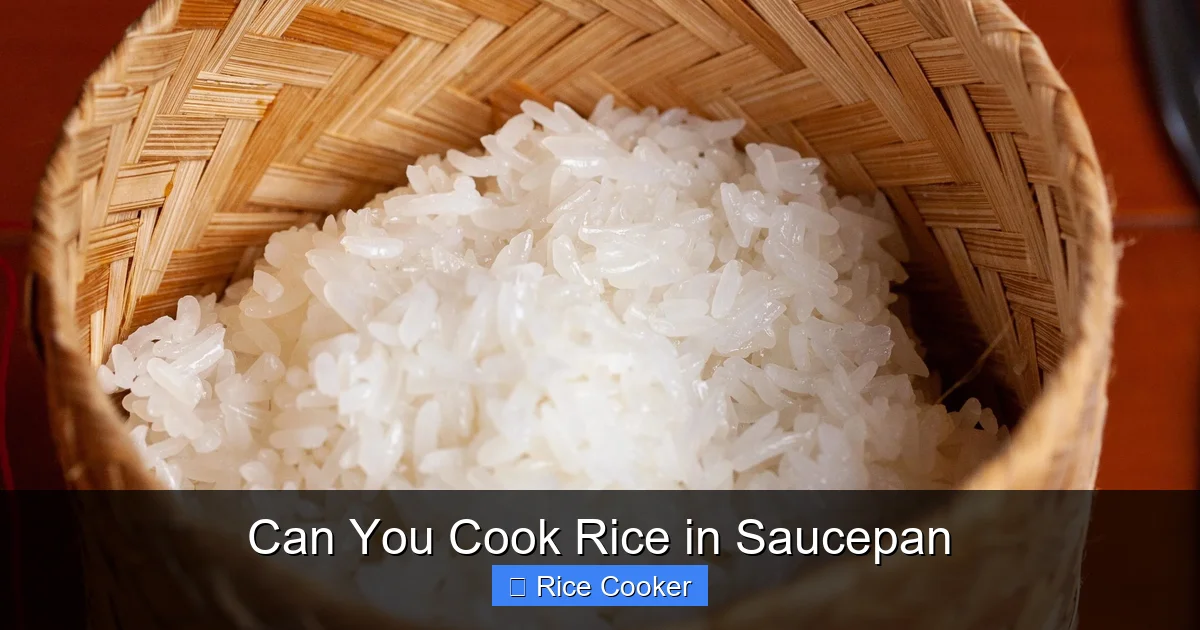
Visual guide about Can You Cook Rice in Saucepan
Image source: tastythais.com
Mastering rice in a saucepan doesn’t require advanced culinary skills. Follow these easy steps, and you’ll have restaurant-quality rice at home:
Step 1: Measure Your Ingredients
For every 1 cup of uncooked rice, use 2 cups of water. This 1:2 ratio works well for most white long-grain rices. If you’re using short-grain rice (like sushi rice), you might reduce the water slightly to 1.8 cups per cup of rice. Brown rice, on the other hand, needs more water—typically 2.25 cups per cup—because it takes longer to soften.
Always measure both rice and water using dry measuring cups for accuracy. Liquid measuring cups can lead to incorrect ratios.
Step 2: Combine Rice and Water
Add the rinsed rice and water to your saucepan. Stir once to ensure the rice is submerged. Then bring the mixture to a rolling boil over medium-high heat. You should see bubbles rapidly rising to the surface.
Step 3: Reduce Heat and Simmer
Once boiling, immediately reduce the heat to low so the water simmers gently. Cover the saucepan with a tight-fitting lid. Avoid lifting the lid during this stage, as doing so lets steam escape, which can result in uneven cooking.
Let the rice simmer for about 15–18 minutes for white rice. Check near the end to see if the water has been absorbed and the rice is tender. If there’s still excess water, remove the lid and let it steam off for 2–3 minutes.
Step 4: Let It Rest
Turn off the heat and let the rice sit, covered, for 5–10 minutes. This resting period allows residual steam to finish cooking the grains and redistributes moisture evenly. Fluff the rice gently with a fork before serving.
Tips for Perfect Saucepan Rice Every Time
Even experienced cooks can run into issues like mushy or dry rice. Here are some pro tips to help you avoid common pitfalls:
Use the Right Lid
A well-fitting lid is crucial. If your saucepan doesn’t come with one, consider investing in a glass lid with a vent or using an oven-safe plate. Any gaps will cause steam to escape, leading to undercooked rice.
Don’t Stir During Simmering
Stirring while the rice is simmering breaks apart the grains and releases starch, resulting in sticky rice. Once the water starts boiling, resist the urge to peek or mix—just let it do its job.
Adjust for Altitude
If you live at high elevation, water boils at a lower temperature, which can affect cooking time. In such cases, increase the cooking time by 1–2 minutes and monitor closely.
Try the Absorption Method vs. Boiling Method
There are two main approaches: the absorption method (what we’ve described above) and the boiling method. The latter involves boiling all the water first, then adding rice and reducing heat. Both work, but the absorption method gives you better control over consistency.
Fluff Before Serving
Use a fork to gently fluff the rice after resting. This separates the grains and adds airiness. Avoid pounding or pressing down, which compacts the rice.
Cooking Different Types of Rice in a Saucepan
While the basic process remains the same, different rice varieties have unique characteristics that require slight adjustments:
White Long-Grain Rice (e.g., Basmati, Jasmine)
These rices are light, aromatic, and fluffy when cooked properly. Use a 1:2 ratio and cook for 15–18 minutes. Rinse well beforehand to enhance flavor and texture.
Short-Grain Rice (e.g., Sushi Rice)
This sticky rice clings together due to higher starch content. Cook with slightly less water (about 1.8 cups per cup of rice) and rinse just enough to remove surface starch—not so much that you wash away aroma.
Brown Rice
Brown rice has a chewy texture and takes longer to cook. Use a 1:2.25 ratio and simmer for 30–40 minutes. Because it’s harder to digest initially, soaking it overnight can speed up cooking and improve digestibility.
Wild Rice
Wild rice isn’t technically true rice but a seed. It needs 3–4 times more water than white rice and cooks for 45–60 minutes. Add it toward the end of cooking to avoid overcooking.
Instant Rice
Most instant rices come with their own instructions, but generally, use 1 part rice to 1.5 parts water and reduce cooking time by half. They’re convenient but may lack the full flavor of regular rice.
Troubleshooting Common Rice Problems
Even with the best technique, things can go wrong. Here’s how to fix common issues:
Mushy or Gummy Rice
This usually happens when too much water is used or the rice is overcooked. Next time, reduce the water ratio and check for doneness halfway through. Also, avoid stirring during cooking.
Undercooked or Hard Grains
If the rice is still firm, add a splash of water and cover again. Increase cooking time by 2–3 minutes and check frequently. Don’t let it dry out completely, or it’ll become unpalatable.
Burnt Bottom
This occurs when heat is too high or the pan lacks proper base thickness. Always start with medium-high heat, then switch to low. Adding a tablespoon of oil or butter before cooking can also create a barrier between rice and pot.
Uneven Texture
Sometimes, some grains are soft while others remain hard. This suggests inconsistent heat or poor stirring at the beginning. Make sure all rice is submerged when you add water, and give it a quick stir once before bringing to a boil.
Enhancing Flavor: Seasoning and Add-Ins
Plain rice is delicious, but adding flavor can elevate it to another level. Try these ideas:
Use Broth Instead of Water
Replace half or all of the water with chicken, vegetable, or beef broth for extra depth. This is especially effective with brown rice.
Add Aromatics
Toss in a bay leaf, whole peppercorns, onion slice, or garlic clove while cooking. Remove them before fluffing.
Dress After Cooking
Mix in a pat of butter, a drizzle of olive oil, or a sprinkle of salt and herbs after fluffing. This preserves moisture and enhances taste.
Make Fried Rice
Leftover cooked rice works great for fried rice. Just stir-fry with eggs, vegetables, and soy sauce in a wok or large skillet.
Is a Saucepan Better Than a Rice Cooker?
This depends on your lifestyle and priorities. A rice cooker offers convenience—set it and forget it—but a saucepan gives you more control. Some people prefer the tactile experience of watching rice transform on the stove. Plus, you can cook multiple dishes in the same pot (like steaming veggies while rice simmers).
However, rice cookers often produce more consistently fluffy results due to precise temperature regulation. They’re also better suited for large batches or long-grain varieties that require delicate handling.
Ultimately, both methods are valid. Many home kitchens use both depending on the day’s needs.
Final Thoughts: Yes, You Can Cook Rice in a Saucepan
So, can you cook rice in a saucepan? Absolutely. With just a few simple steps—rinse, combine, boil, simmer, rest—you can prepare delicious, perfectly textured rice without any fancy gadgets. Whether you’re making a weeknight dinner or feeding a crowd, this method is reliable, economical, and satisfying.
Remember: practice makes perfect. Don’t be discouraged if your first attempt isn’t flawless. Pay attention to water ratios, heat levels, and resting times, and soon you’ll have mastered the art of stove-top rice.
And who knows? Maybe one day you’ll look at your rice cooker and think, “I could’ve done that in a saucepan.” And you’d be right.
Frequently Asked Questions
Can you cook rice in a regular saucepan?
Yes, you can cook rice in a regular saucepan—just make sure it has a tight-fitting lid and a heavy bottom. Use the correct water-to-rice ratio (usually 2:1) and follow the boil-and-simmer method for best results.
How much water do I put in a saucepan for rice?
For most white long-grain rices, use 2 cups of water for every 1 cup of uncooked rice. Adjust slightly for other types—brown rice needs more water, while short-grain rice needs less.
Should I rinse rice before cooking it in a saucepan?
Yes, rinsing removes excess starch and prevents gummy rice. Rinse until the water runs clear, then drain well before cooking.
How long does it take to cook rice in a saucepan?
White rice typically takes 15–18 minutes of simmering after boiling. Brown rice takes longer—around 30–40 minutes. Always check for doneness before draining excess water.
Why is my rice sticky when cooked in a saucepan?
Sticky rice is usually caused by too much water, overcooking, or stirring during simmering. Use the right ratio, avoid lifting the lid, and don’t stir once the water boils.
Can I cook rice in a saucepan without a lid?
It’s not recommended. Without a lid, steam escapes, leading to uneven cooking and potentially dry or undercooked rice. A tight-fitting lid is essential for trapping heat and moisture.