
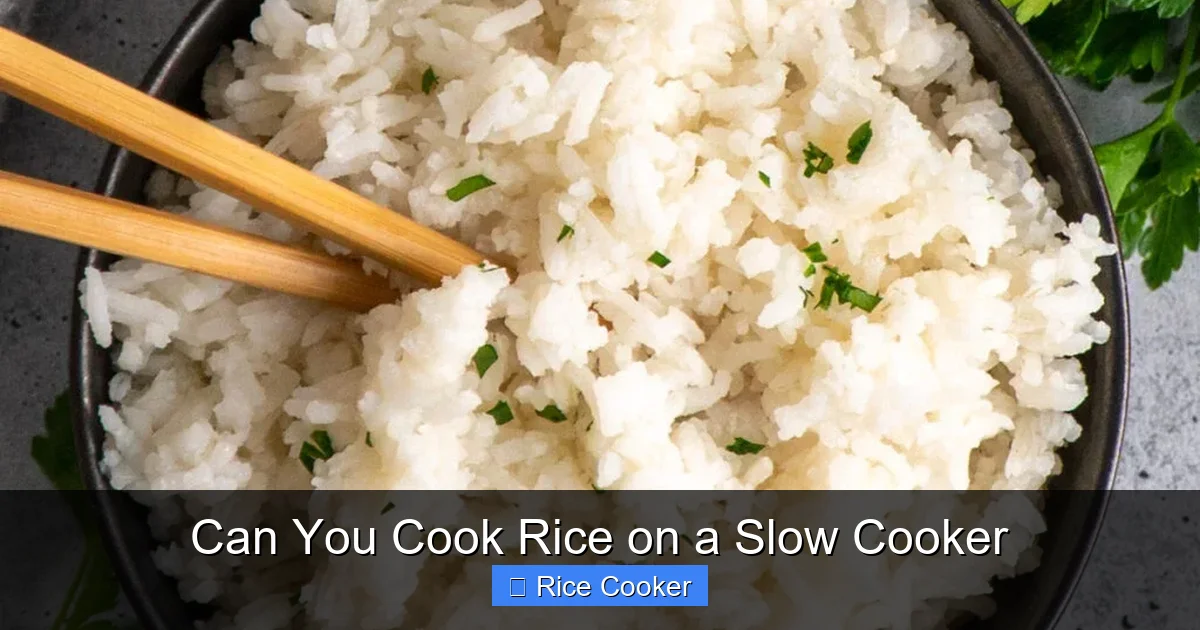
Can you cook rice on a slow cooker? The short answer is yes, and it’s one of the easiest ways to prepare fluffy, flavorful rice with minimal effort. Whether you’re meal prepping or just craving comfort food, using your slow cooker transforms a simple grain into a satisfying side dish. With the right ratio and timing, you’ll never look back from your stovetop again.
Key Takeaways
- Slow cookers work well for most types of rice, including white, brown, jasmine, and basmati—but ratios and times vary by variety.
- The key to success is using the correct water-to-rice ratio: typically 2:1 for white rice and 2.5:1 for brown rice when cooking on low.
- Pre-soaking brown rice improves texture and reduces cooking time, making it more forgiving in a slow cooker.
- Adding flavor enhancers like broth, butter, or spices can elevate plain rice into a complete meal.
- A lid seal matters—ensure your slow cooker lid fits tightly to retain steam and heat.
- Resting rice after cooking helps finish the process gently and prevents overcooking.
- Clean-up is easier than expected since there’s no stirring required during the entire cook cycle.
📑 Table of Contents
- Can You Cook Rice on a Slow Cooker? Absolutely—Here’s How!
- The Science Behind Cooking Rice in a Slow Cooker
- Choosing the Right Rice for Your Slow Cooker
- Essential Tips for Perfect Slow Cooker Rice
- Step-by-Step Guide: Basic Slow Cooker White Rice
- Elevate Your Rice: Flavorful Variations
- Troubleshooting Common Mistakes
- Energy Efficiency vs. Electric Rice Cookers
- Storage and Reheating Tips
- Final Thoughts: Is Slow Cooker Rice Worth It?
Can You Cook Rice on a Slow Cooker? Absolutely—Here’s How!
Imagine this: it’s a busy weekday evening, and you’re scrambling to pull together dinner. The oven’s already full, the stove is cluttered, and you’ve got a pot of chili simmering that you don’t want to disturb. Then it hits you—why not make some rice in your slow cooker? It’s hands-off, energy-efficient, and surprisingly foolproof. Yes, you can cook rice on a slow cooker, and today we’re diving deep into everything you need to know to do it right.
For decades, rice has been synonymous with stovetop boiling or electric rice cookers. But modern slow cookers—those humble kitchen workhorses—have evolved far beyond soups and stews. With their gentle, even heat and long cooking cycles, they’re perfectly suited for grains like rice. In fact, many home cooks have discovered that slow-cooked rice comes out fluffier and more aromatic than its boiled counterpart, especially when done with the right technique.
In this comprehensive guide, we’ll walk through everything from basic setup to flavorful variations, troubleshooting common mistakes, and comparing different rice types. By the end, you’ll be ready to confidently add rice to your slow cooker repertoire—no chef skills required!
The Science Behind Cooking Rice in a Slow Cooker
Before we get into recipes, let’s talk about why slow cookers are such a great fit for rice. Unlike boiling, which uses direct, high heat, slow cookers rely on convection and steam to cook food slowly over hours. This low-and-slow method allows the starches in rice to gelatinize gradually, resulting in tender kernels without becoming gummy.
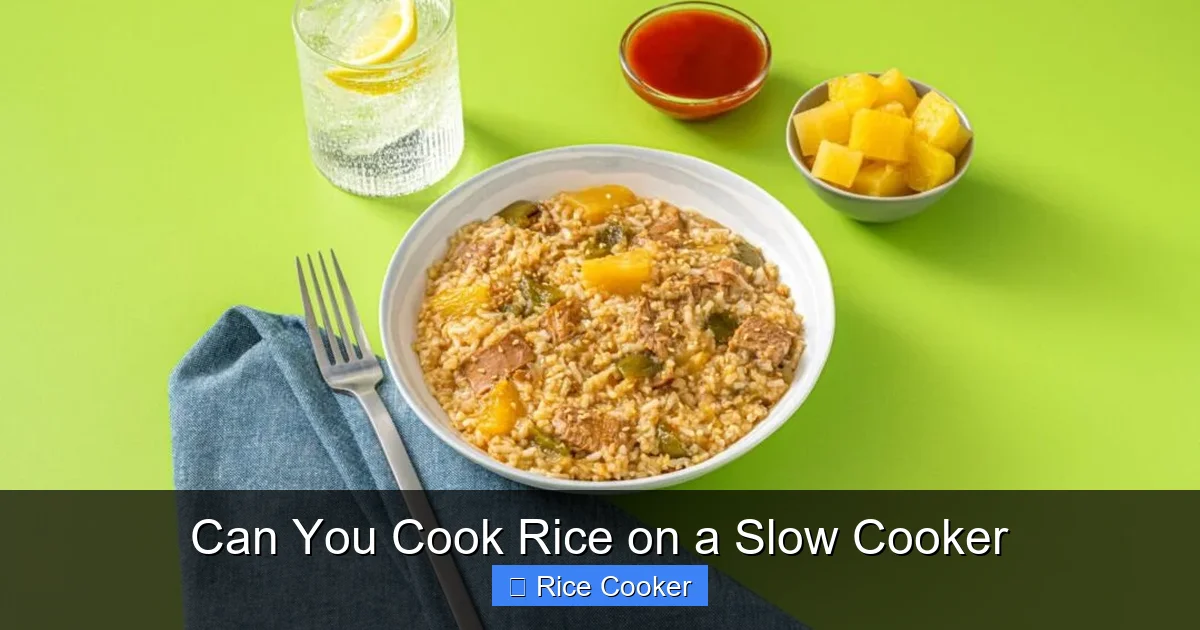
Visual guide about Can You Cook Rice on a Slow Cooker
Image source: minuterice.com
How Heat and Moisture Work Together
Rice is essentially starch wrapped in protein and fiber. When you add water, those starches absorb moisture and swell. In a slow cooker, the sealed environment traps steam, maintaining consistent humidity and temperature—perfect conditions for even cooking. The key is avoiding scorching at the bottom (which doesn’t happen much due to the ceramic insert) and ensuring every grain gets equal attention.
Why Most People Think It Doesn’t Work
Historically, people avoided slow cooker rice because early models had poor sealing lids, leading to evaporation and uneven results. Also, if you use too little liquid or don’t account for absorption rates, the rice ends up dry or undercooked. But modern slow cookers—especially those with tight-fitting lids and precise temperature control—make all the difference.
Choosing the Right Rice for Your Slow Cooker
Not all rice is created equal when it comes to slow cooking. Some varieties respond better than others due to their starch content, hull thickness, and grain structure. Let’s break down the most popular options.
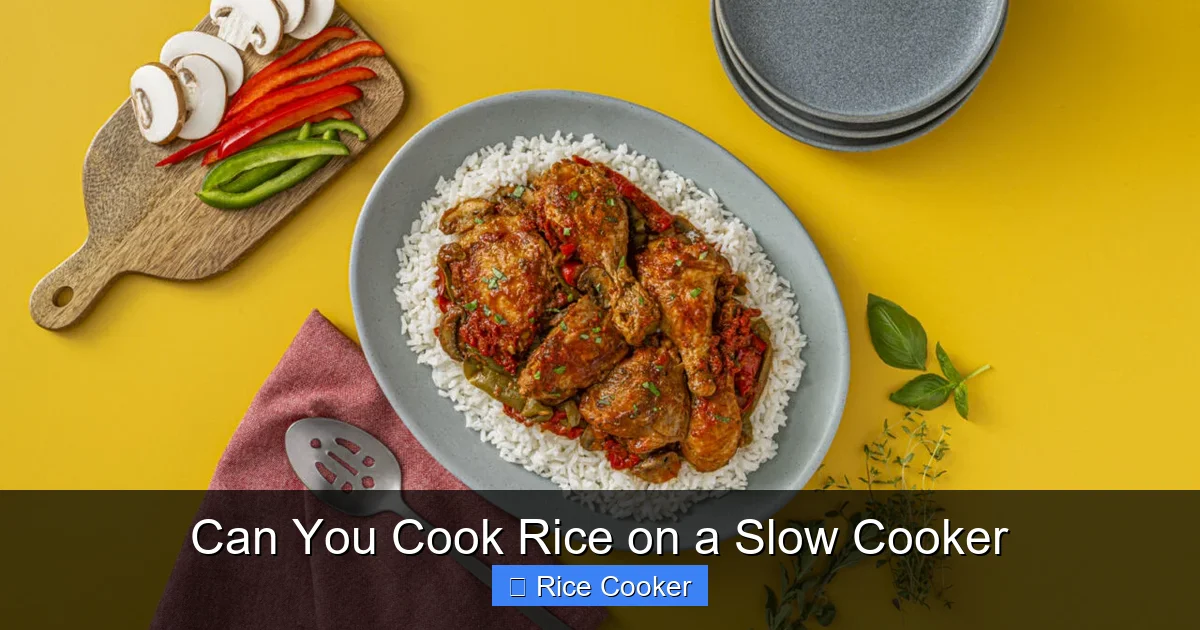
Visual guide about Can You Cook Rice on a Slow Cooker
Image source: minuterice.com
White Rice (Long-Grain)
This is your go-to for simplicity and versatility. White long-grain rice—like Jasmine or Basmati—has a neutral taste and cooks quickly, usually within 2–4 hours on low. Because it lacks bran and germ, it absorbs water efficiently and stays separate when cooked properly.
Brown Rice
Higher in fiber and nutrients, brown rice takes longer to cook due to its intact outer layer. It requires more water and time—typically 3–4 hours on low—and benefits from pre-soaking. Without soaking, it can turn mushy or remain chewy at the center.
Sushi Rice & Short-Grain Varieties
These sticky rices are trickier but still doable. Sushi rice needs careful attention to water levels and resting time to avoid clumping. If you’re new to slow cooker rice, start with white rice before experimenting with sushi or glutinous types.
Instant Rice & Pre-Cooked Varieties
While technically possible, instant rice isn’t ideal for slow cookers since it’s designed for microwave or quick-boil methods. You risk overcooking and creating a gluey mess. Stick to whole-grain or traditional long-grain rice for best results.
Essential Tips for Perfect Slow Cooker Rice
Even if you follow a recipe exactly, small details can make or break your rice. Here are the golden rules every slow cooker rice enthusiast should memorize.
Use the Right Water-to-Rice Ratio
This is non-negotiable. Too little water = dry rice. Too much = soupy, mushy results. Here’s a quick reference:
- White rice: 2 cups water per 1 cup rice
- Brown rice: 2.5 cups water per 1 cup rice
- Jasmine/Basmati: Start with 2 cups water; adjust based on brand instructions
Note: These are general guidelines. Always check your specific rice package, as some brands absorb differently.
Don’t Skip the Resting Time
After turning off the slow cooker, let the rice sit covered for 10–15 minutes. This allows residual heat to finish cooking the center and lets excess moisture redistribute evenly. Skipping this step often leads to uneven textures—chewy centers with dry edges.
Pre-Soak Brown Rice (Highly Recommended)
If you’re using brown rice, soak it in warm water for 20–30 minutes before cooking. This softens the tough outer layer, speeds up cooking, and ensures a more uniform texture. Drain thoroughly before adding to the slow cooker.
Season Before Cooking, Not After
Adding salt, herbs, or broth cubes at the beginning infuses flavor into every grain. Avoid salting after cooking—it won’t distribute evenly and may leave parts overly salty.
Keep the Lid On—Tightly
A loose lid causes steam to escape, drying out the rice and extending cook time. If yours tends to leak, try wrapping the lid with a kitchen towel or placing a clean dishcloth underneath to improve the seal.
Step-by-Step Guide: Basic Slow Cooker White Rice
Ready to try it yourself? Follow this foolproof method for creamy, fluffy white rice every time.
- Measure your ingredients: Use 1 cup long-grain white rice + 2 cups water (or chicken/vegetable broth for added flavor).
- Rinse the rice: Place rice in a fine-mesh strainer and rinse under cold water until the water runs clear. This removes excess starch and prevents stickiness.
- Add to slow cooker: Transfer rinsed rice and liquid to the ceramic insert. Stir once to combine.
- Cook on LOW for 2–3 hours: Avoid HIGH unless you’re in a real hurry (not recommended—it risks burning).
- Let it rest: Turn off the slow cooker and cover with the lid. Wait 10–15 minutes.
- Fluff and serve: Use a fork to gently stir and separate the grains. Serve immediately.
Pro tip: For extra aroma, toss in a bay leaf, garlic clove, or a pat of butter before cooking. Remove solids afterward if desired.
Elevate Your Rice: Flavorful Variations
Plain white rice is delicious, but why stop there? Your slow cooker is a blank canvas for creativity. Try these ideas to turn rice into the star of your meal.
Rice Pilaf with Herbs and Nuts
Start by sautéing onions and garlic in a bit of oil before adding rice and broth. Stir in toasted almonds or pine nuts and dried thyme, marjoram, or rosemary. Cook as usual, then garnish with fresh parsley before serving.
Mexican-Spiced Cilantro-Lime Rice
Replace water with vegetable or chicken broth. Add a pinch of cumin, a squeeze of lime juice, and fresh chopped cilantro during the last 10 minutes of cooking. Top with avocado slices for a Tex-Mex twist.
South Indian Lemon Rice
Use coconut milk instead of water. Cook with mustard seeds, curry leaves, grated ginger, and turmeric. Finish with lemon juice and crushed peanuts for authentic flavor.
Vegetable Rice Bowl Base
Layer rice in the slow cooker with steamed carrots, peas, and diced potatoes. Pour broth over everything and cover. The vegetables absorb flavor while the rice cooks—a one-pot meal genius move.
Troubleshooting Common Mistakes
Even experienced cooks run into issues now and then. Don’t panic—most problems have simple fixes.
Mushy or Sticky Rice
This usually means too much liquid or overcooking. Reduce water next time, and always measure accurately. Also, avoid opening the lid frequently—it releases steam and disrupts the cook cycle.
Dry or Undercooked Rice
Check your ratios first. If using brown rice without soaking, it will likely be underdone. Increase cook time by 30–60 minutes, but remember that slow cookers lose efficiency over long periods—don’t expect miracles after 5+ hours.
Uneven Texture (Some Grains Soft, Others Hard)
This points to inconsistent water distribution or old rice. Make sure rice is fully submerged and give it a light stir halfway through cooking (though this isn’t always necessary). Store rice in an airtight container—moisture changes can affect texture.
Burnt Bottom Layer
Modern slow cooker inserts are designed to prevent scorching, but overcrowding or using very old rice can cause issues. Always use fresh rice and avoid packing the insert too full.
Energy Efficiency vs. Electric Rice Cookers
So, should you ditch your rice cooker for a slow cooker? Not necessarily. Each appliance has strengths:
- Electric rice cooker: Faster, more precise temperature control, built-in keep-warm function, optimized for rice alone.
- Slow cooker: Better for multi-ingredient meals, uses less electricity over long periods, versatile for stews, beans, and yes—rice.
If you only eat rice occasionally or want to free up your kitchen space, a slow cooker works great. But if you eat rice daily, an electric rice cooker might save time and ensure consistency.
Storage and Reheating Tips
Leftover slow cooker rice stores beautifully—just like any other cooked grain. Refrigerate in an airtight container for up to 5 days or freeze for up to 3 months. When reheating, add a splash of water or broth to revive moisture, and steam in the microwave or on the stovetop until heated through.
Avoid reheating in the same ceramic insert unless it’s dishwasher-safe. Leftover inserts can warp or crack if exposed to sudden temperature changes.
Final Thoughts: Is Slow Cooker Rice Worth It?
Absolutely. Cooking rice in a slow cooker combines convenience, flavor infusion, and hands-free preparation. It’s ideal for busy families, meal prep warriors, or anyone who loves one-pot simplicity. While it may take slightly longer than boiling, the payoff—fluffy, aromatic rice with minimal cleanup—is worth it.
And here’s the best part: once you master the basics, you can customize it endlessly. Want garlic herb rice? Done. Spicy Mexican rice? Easy. Creamy coconut rice? No problem. Your slow cooker becomes your personal rice laboratory.
So go ahead—grab that bag of basmati, fill your slow cooker, and embrace the magic of slow-cooked grains. You might just discover your new favorite way to eat rice.
Frequently Asked Questions
Can you cook rice in a slow cooker without a lid?
No, the lid is essential. Without it, steam escapes, causing uneven cooking and potential dryness. A tight seal maintains humidity and heat needed for proper rice texture.
How long does it take to cook rice in a slow cooker?
White rice takes 2–3 hours on low; brown rice needs 3–4 hours. Always allow 10–15 minutes of resting time after cooking for best results.
Do I need to rinse rice before slow cooking?
Yes, rinsing removes excess starch and prevents stickiness. Rinse until the water runs clear under cold running water.
Can I cook brown rice in a slow cooker?
Yes, but it requires more water (2.5 cups per 1 cup rice) and often benefits from soaking beforehand to ensure even tenderness.
What type of slow cooker is best for cooking rice?
Any standard slow cooker works, but models with tight-fitting lids and ceramic inserts perform best. Avoid older units with known sealing issues.
Can I add vegetables or meat to rice while slow cooking?
Yes! Add hardy vegetables (carrots, potatoes) or cooked meats toward the end of the cycle to prevent overcooking. Avoid delicate veggies like spinach until the final 20 minutes.