
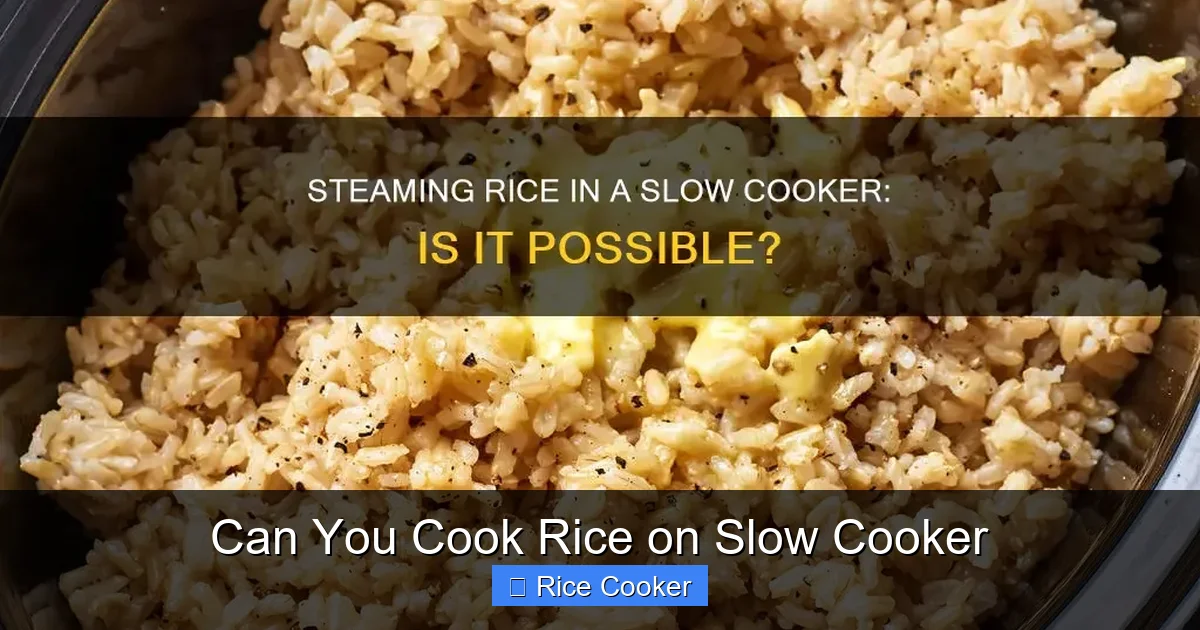
Can you cook rice on a slow cooker? Absolutely! With the right water-to-rice ratio and proper preparation, your slow cooker can produce tender, fluffy rice that rivals any rice cooker. It’s perfect for busy days when you want a hands-off meal with minimal cleanup. Just remember: timing and liquid are everything.
Key Takeaways
- Yes, it works: A slow cooker can cook rice perfectly if you use the correct water-to-rice ratio and follow simple steps.
- Ratio matters: Use 2 parts water (or broth) to 1 part uncooked rice—this ensures fluffy, non-sticky results.
- Pre-soaking helps: Soaking rice for 30 minutes before cooking reduces cooking time and improves texture.
- Low heat is key: Always set your slow cooker to LOW to prevent burning and allow even cooking.
- Resting is essential: Let the cooked rice sit for 5–10 minutes after cooking to absorb excess moisture and fluff up.
- Experiment with flavors: Add salt, butter, herbs, or broth to customize your rice without extra effort.
- Cleanup is easy: Most slow cooker inserts are dishwasher-safe, making post-meal cleaning a breeze.
[FEATURED_IMAGE_PLACEHOLDER]
Introduction: The Surprising Truth About Slow Cookers and Rice
Have you ever stood in the kitchen, staring at your rice cooker, only to realize it’s broken or packed away? Or maybe you’re just in the mood for something warm, comforting, and hands-off—like a pot roast or chili—and you wonder: “Wait… can I actually cook rice in my slow cooker?”
The answer is a resounding yes—but not without some important caveats. While slow cookers weren’t originally designed as rice cookers, they can do the job beautifully if you know how. Think of it like baking bread in an oven versus using a dedicated bread machine: both work, but one was built specifically for the task. Still, with patience and the right technique, your slow cooker becomes a versatile kitchen ally.
In this guide, we’ll walk you through everything you need to know about cooking rice in a slow cooker—from the science behind it to pro tips that’ll make your grains fluffier than ever. Whether you’re preparing a side dish for dinner or building a one-pot meal, mastering slow-cooker rice opens up a world of convenient, flavorful possibilities.
Understanding How Slow Cookers Work (And Why They Can Cook Rice)
The Science Behind Slow Cooking
At its core, a slow cooker uses low, consistent heat over several hours to gently cook food. Unlike stovetop methods that rely on direct flame or electric coils, slow cookers transfer heat through conduction and convection within a sealed environment. This means moisture stays in the pot, creating a steamy, humid atmosphere ideal for braising meats, simmering soups, and—yes—cooking rice.
Rice is essentially starch granules that absorb water and expand when heated. In a slow cooker, this process happens gradually. The constant, gentle heat allows the rice to absorb all the liquid slowly, preventing scorching while ensuring even cooking from the inside out. Because there’s no boiling involved (which can make rice mushy), the result is usually tender and separate—not gummy.
Why Not All Slow Cookers Are Created Equal
Not every slow cooker performs the same when it comes to rice. Some models have thicker ceramic pots that retain heat better, while others may dry out too quickly due to poor insulation. If your slow cooker tends to run hot or dries out during longer cooks, you might need to adjust your method slightly.
Additionally, most modern slow cookers come with two settings: LOW and HIGH. For rice, always use LOW. High heat can cause the bottom layer of rice to burn before the top is fully cooked—a common frustration for beginners. The LOW setting gives you the steady, moist heat needed for perfect grains.
Choosing the Right Rice for Your Slow Cooker
Short-Grain vs. Long-Grain Rice
When it comes to slow-cooking rice, long-grain rice varieties like jasmine or basmati work best. These types have lower starch content, which helps keep them fluffy instead of clumpy. Short-grain rice (like sushi or arborio) has more amylopectin, making it stickier and better suited for risotto or desserts—not ideal for a light, separate grain.
White rice is generally easier to control than brown rice because it cooks faster and doesn’t require soaking beforehand. However, brown rice can also be made in a slow cooker—just expect longer cooking times (around 2–3 hours on LOW) and a chewier texture.
Instant vs. Parboiled Rice
If you’re short on time, consider using parboiled or instant rice. Parboiled rice has been partially boiled in the husk, so it’s less likely to fall apart during long cook times. Instant rice (like Minute Rice) can even be prepared directly in the slow cooker—just reduce the liquid slightly since it’s already pre-cooked.
Step-by-Step Guide: How to Cook Rice in a Slow Cooker
Gathering Your Ingredients and Tools
Before you start, make sure you have:
- 1 cup uncooked white long-grain rice
- 2 cups water or chicken/vegetable broth
- A slow cooker with removable insert
- A fine-mesh strainer (optional, for rinsing)
- A fork or rice paddle for fluffing
Preparing the Rice
Start by rinsing your rice under cold water until the water runs clear. This removes excess starch and prevents stickiness. Then, let it soak for 30 minutes—this softens the grains slightly and shortens cooking time.
Drain the soaked rice well before adding it to the slow cooker. Avoid skipping the rinse step, especially if you’re using jasmine or basmati rice, which can become overly sticky otherwise.
Setting Up Your Slow Cooker
Add the rinsed (and optionally soaked) rice to the inner pot. Pour in the water or broth. Stir once to distribute evenly, then place the lid on securely. Set your slow cooker to LOW and cook for 1 hour and 45 minutes to 2 hours. Don’t lift the lid during this time—each time you do, you lose precious steam!
Finishing and Fluffing
Once the timer goes off, turn off the slow cooker but leave the lid on for another 5–10 minutes. This resting period lets residual heat finish cooking the rice and allows any remaining liquid to absorb. Afterward, carefully remove the lid, fluff the rice with a fork, and serve immediately.
Tips for Perfect Slow-Cooker Rice Every Time
Use the Right Liquid Ratio
The golden rule: 2 parts liquid to 1 part rice. Too little water = dry, crumbly rice. Too much = soupy, mushy results. If you’re using broth instead of water, taste before seasoning—many broths already contain salt.
Don’t Skip the Resting Period
This final steeping phase is crucial. Skipping it leads to uneven texture—some grains overcooked, others underdone. Think of it like letting a cake cool before slicing; patience pays off.
Add Flavor Without Extra Effort
Want garlic-infused rice? Toast minced garlic in olive oil before adding the rice. Craving coconut rice? Swap half the water for coconut milk. Even a pat of butter or sprinkle of parsley at the end adds richness and aroma.
Adjust for Altitude and Humidity
If you live at high altitude, rice may cook faster due to lower air pressure. Watch the clock closely and check for doneness around the 75-minute mark. In humid climates, you might need slightly less liquid since ambient moisture contributes to evaporation.
Clean Up Is Simple
Most slow cooker inserts are ceramic or nonstick and safe for the dishwasher. For stubborn residue, fill with warm soapy water and let sit for 15 minutes before scrubbing gently. Never use metal utensils on the insert—they can scratch the surface.
Troubleshooting Common Issues
My Rice Is Sticky or Gummy
This usually happens when too much starch isn’t rinsed off or when the rice isn’t allowed to rest. Always rinse thoroughly, avoid overcrowding the pot, and never stir while cooking. Also, ensure you’re using the correct water ratio.
The Bottom Burned
If you see a dark crust forming, it’s likely due to high heat or insufficient liquid. Stick to LOW and double-check your measurements. You can also try placing a small trivet or folded paper towel between the pot and insert to elevate the rice slightly.
Rice Isn’t Fully Cooked
Undercooked rice often results from opening the lid too frequently or using cold liquid. Keep the lid closed throughout cooking, and always use room-temperature or warm broth/water—cold liquids slow down the heating process.
Too Much Water Left Over
If your rice looks wet after cooking, transfer it to a baking sheet lined with parchment, spread it out loosely, and let it sit uncovered at room temperature for 10–15 minutes. This evaporates excess moisture and restores fluffiness.
Creative Ways to Use Slow-Cooker Rice
One-Pot Meals Made Easy
Why cook rice separately when you can bake it into a casserole? Try making fried rice by sautéing vegetables and protein in the slow cooker first, then adding cooked rice, soy sauce, and eggs toward the end. The result is a cohesive, restaurant-quality dish with zero stirring required.
Breakfast Bowls and Grain Salads
Cook quinoa or wild rice in the slow cooker overnight for a nutty, hearty base for breakfast burritos or cold salads. Just drain any excess liquid before mixing in fresh herbs, cheese, or diced veggies.
Dessert Rice Pudding
Swap water for whole milk, add cinnamon, sugar, and raisins, and let it simmer on LOW for 2.5–3 hours. The slow cooker creates a creamy, custardy texture perfect for a cozy dessert with minimal attention.
Slow Cooker Rice vs. Other Methods: What’s Best?
Slow Cooker vs. Rice Cooker
A dedicated rice cooker uses precise temperature control and automated timers to deliver consistently fluffy rice every time. But if you don’t own one, a slow cooker gets close—especially for white rice. The downside? Less precision and longer cook times. However, it excels at multitasking: cook rice while simmering beans or roasting vegetables.
Slow Cooker vs. Stovetop
Stovetop rice requires constant monitoring and stirring to prevent sticking. The slow cooker eliminates guesswork—just set it and forget it. That said, stovetop methods give you faster results (about 20–30 minutes), while slow cookers take 2+ hours.
Slow Cooker vs. Oven-Baked Rice
Baking rice in the oven (using a covered Dutch oven) mimics the slow cooker method and yields similar results. But the slow cooker wins on convenience—no preheating, fewer dishes, and automatic shutoff features.
Final Thoughts: Should You Use a Slow Cooker for Rice?
Absolutely—if you’re willing to adapt your expectations a bit. While it won’t replace a rice cooker for daily use, your slow cooker becomes a powerful tool for batch-cooking grains, building flavorful meals, and saving energy. Plus, it frees up your stovetop during busy weeknights.
Remember: consistency, patience, and the right ratio are your best friends. Once you nail those basics, you’ll find yourself reaching for your slow cooker more often—not just for meat and stews, but for golden, fragrant bowls of rice that feed the whole family.
FAQs
Can you cook brown rice in a slow cooker?
Yes, but it takes longer—typically 2–3 hours on LOW. Brown rice has more fiber and bran, so it needs extra time to soften. You may also need to increase the liquid slightly. Soak it first to speed things up.
Do I need to soak rice before cooking it in a slow cooker?
Soaking isn’t mandatory, but it helps reduce cooking time and improves texture by softening the grains. Rinse the rice well either way to remove excess starch.
What happens if I use too much water?
Excess water leads to mushy, glue-like rice. Drain any leftover liquid after cooking, or spread the rice flat to let it dry at room temperature for 10–15 minutes.
Can I cook other grains in a slow cooker?
Definitely! Quinoa, barley, farro, and wild rice all work well. Adjust cook times accordingly—quinoa cooks fastest (about 30 minutes), while barley may take up to 2.5 hours.
Is it safe to leave rice in a slow cooker overnight?
It’s not recommended. Perishable foods left in the “danger zone” (40°F–140°F) for too long can grow bacteria. Cook rice within 4 hours of setting it on, or refrigerate it promptly after cooking.
Can I cook frozen rice in a slow cooker?
No—frozen rice should never be cooked from frozen. Thaw it completely first, then proceed with your recipe. Otherwise, uneven heating could lead to unsafe temperatures or burnt bottoms.
This is a comprehensive guide about can you cook rice on slow cooker.
Key Takeaways
- Understanding can you cook rice on slow cooker: Provides essential knowledge
Frequently Asked Questions
What is can you cook rice on slow cooker?
can you cook rice on slow cooker is an important topic with many practical applications.