
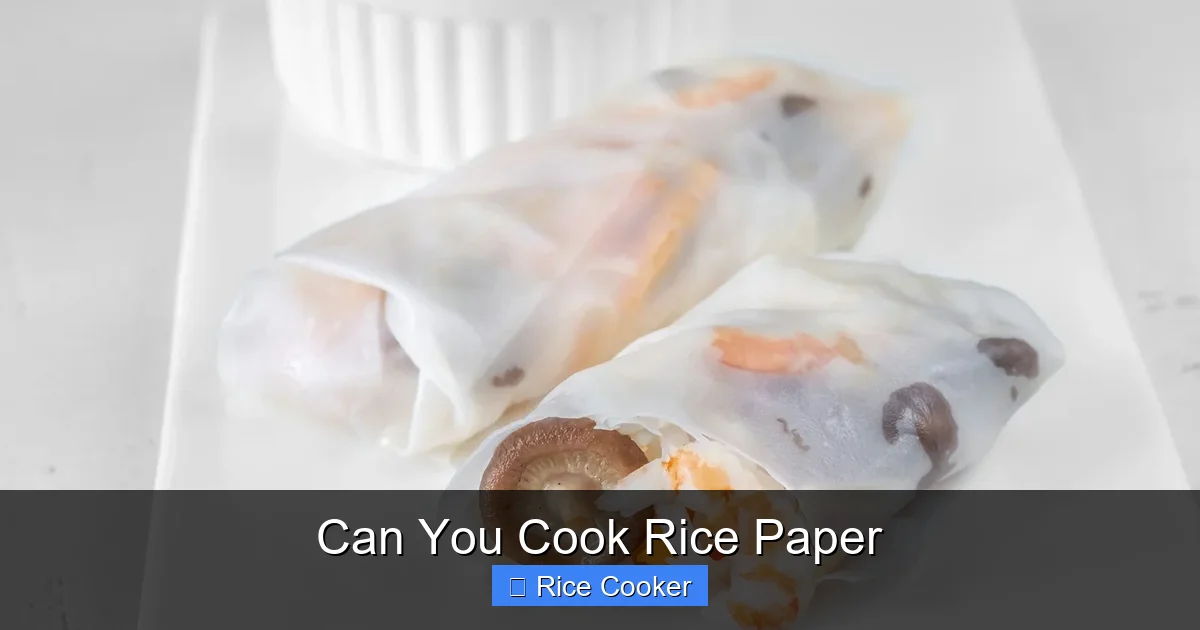
Can you cook rice paper? While it’s not traditionally boiled like noodles, rice paper can be softened and cooked using steaming, soaking, or even microwaving. These versatile sheets are commonly used in Vietnamese spring rolls, dumplings, and fresh spring roll wraps. With a few simple techniques, you can prepare rice paper perfectly for both hot and cold dishes.
Key Takeaways
- Rice paper isn’t boiled: Unlike rice noodles or dumpling wrappers, rice paper is made from rice flour, water, and tapioca starch, so it doesn’t require high heat to cook.
- Steaming is ideal: The gentlest way to soften rice paper is by steaming it briefly—usually 30–60 seconds—to make it pliable without tearing.
- Soaking works too: Submerging rice paper in cool water for 15–30 seconds makes it flexible enough to wrap fillings.
- Microwave method: For a quick fix, microwave rice paper with a damp paper towel for 10–15 seconds to soften it.
- Don’t over-soak: Leaving rice paper in water too long causes it to become sticky or disintegrate.
- Use immediately after softening: Once softened, rice paper should be filled and served right away for best results.
- Storage matters: Keep dry rice paper in an airtight container away from moisture to prevent clumping.
📑 Table of Contents
- Can You Cook Rice Paper? A Complete Guide to Softening & Using It
- What Is Rice Paper and Why Can’t It Be Boiled?
- Best Methods to Cook (or Rather, Soften) Rice Paper
- How Long Does Rice Paper Take to Cook?
- Tips for Working with Rice Paper Like a Pro
- Common Mistakes to Avoid
- Creative Recipes Using Rice Paper
- Health Benefits of Rice Paper
- Where to Buy High-Quality Rice Paper
- Final Thoughts: Can You Cook Rice Paper?
Can You Cook Rice Paper? A Complete Guide to Softening & Using It
Have you ever stood at your kitchen counter, holding a delicate round of white rice paper, trying to figure out how to make it work for your recipe? You’re not alone. Rice paper—also known as banh trang trung—is a staple in Vietnamese cuisine, used for making fresh spring rolls, summer rolls, and even some steamed dumplings. But unlike noodles or tortillas, rice paper behaves differently when exposed to heat and water. So, can you cook rice paper? The short answer is: yes, but not in the way you might expect.
Rice paper isn’t meant to be boiled or fried like traditional noodles. Instead, its magic happens when it’s gently softened using water or steam. Once pliable, it becomes a perfect vessel for fresh vegetables, herbs, proteins, and dipping sauces. Whether you’re making healthy appetizers for a party or experimenting with gluten-free wraps, knowing how to handle rice paper properly makes all the difference. In this guide, we’ll walk through everything you need to know—from storage tips to cooking methods—so you can confidently work with rice paper every time.
What Is Rice Paper and Why Can’t It Be Boiled?
The Science Behind Rice Paper
Rice paper is made from a mixture of rice flour, tapioca starch, water, and sometimes salt. It’s then spread thin onto a surface (traditionally bamboo mats) and steamed until semi-transparent. This process creates a translucent, slightly chewy sheet that’s incredibly lightweight yet durable—when handled correctly.
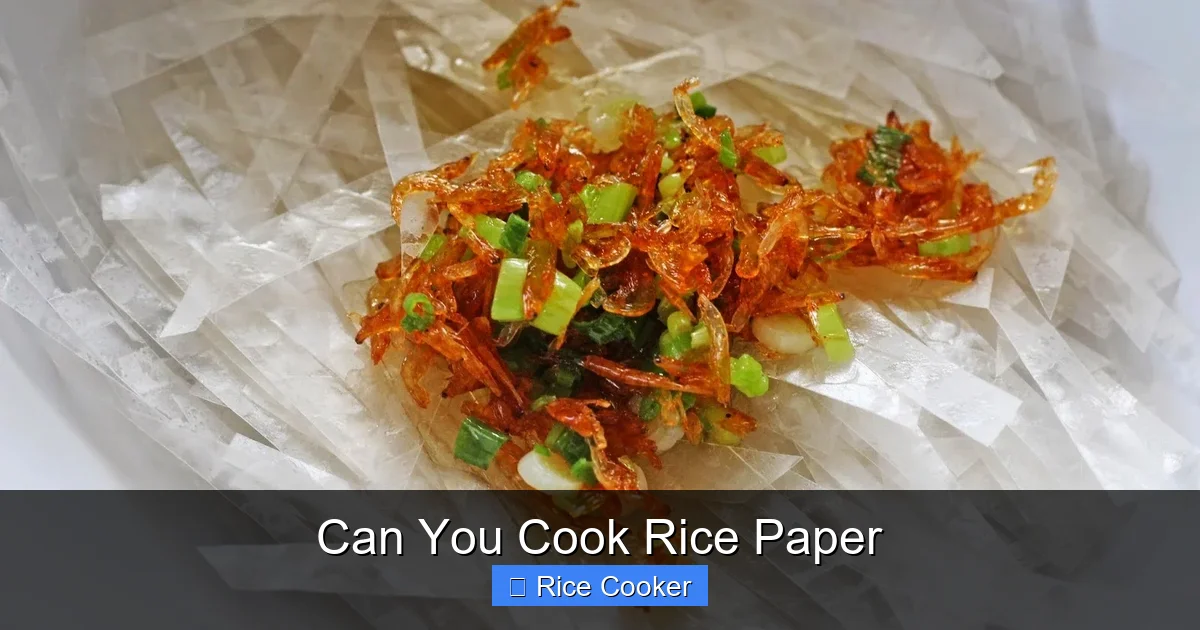
Visual guide about Can You Cook Rice Paper
Image source: tanisagroup.com
Because rice paper contains no eggs or wheat gluten, it lacks the elasticity of tortillas or the structural strength of eggroll wrappers. When exposed to boiling water, it doesn’t “cook” like pasta. Instead, it absorbs water rapidly, becomes mushy, and falls apart. That’s why traditional methods rely on gentle soaking or steaming rather than boiling.
Common Uses of Rice Paper
- Fresh Spring Rolls: The classic Vietnamese dish where rice paper wraps herbs, shrimp, pork, and vermicelli.
- Summer Rolls: Lighter versions often served with peanut sauce or nuoc cham (fish sauce dip).
- Dumpling Wraps: Some recipes use rice paper to wrap steamed dumplings instead of wonton skins.
- Snack Wraps: Perfect for bite-sized fruit or cheese rolls during parties.
If you’ve ever ordered a bowl of pho or bun bo hue, chances are you’ve seen rice paper nearby—either as a side or as part of the meal itself.
Best Methods to Cook (or Rather, Soften) Rice Paper
1. Steaming Rice Paper (Recommended Method)
Steaming is the most reliable way to soften rice paper while maintaining its structure. Here’s how to do it:
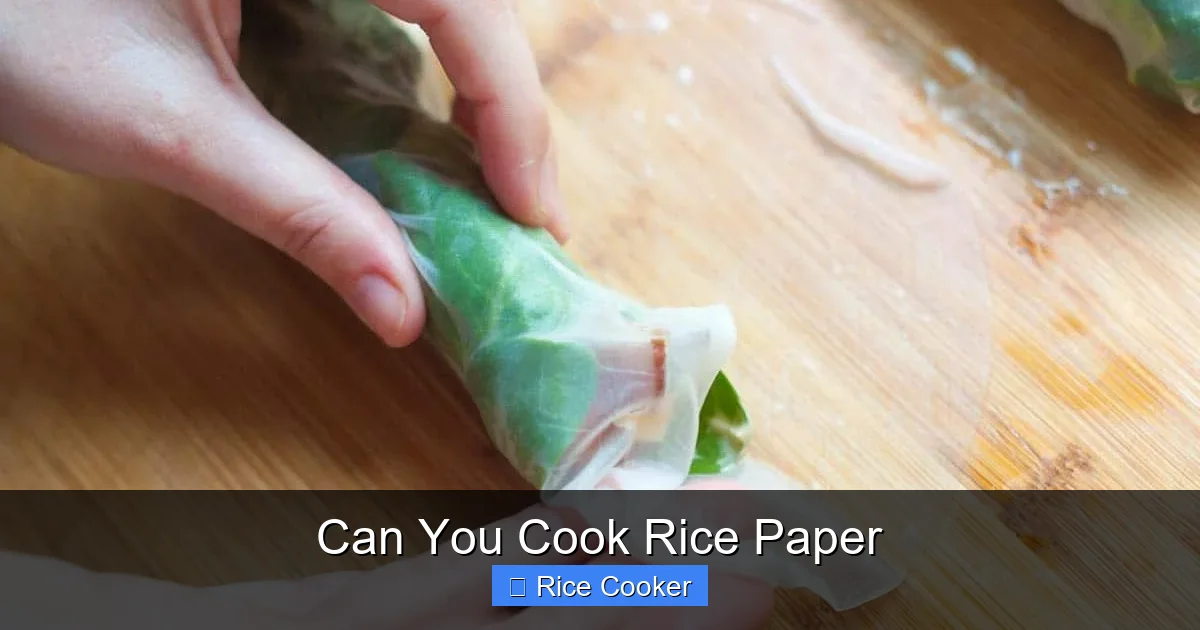
Visual guide about Can You Cook Rice Paper
Image source: inspiredtaste.net
- Bring a small pot of water to a boil.
- Place a steamer basket inside, lined with parchment or a clean cloth.
- Fold a dry rice paper in half and place it in the center of the basket.
- Steam for 30–45 seconds, checking frequently. It should become slightly transparent and pliable.
- Remove immediately and use right away.
Pro Tip: Don’t stack rice papers before steaming—they’ll stick together and tear when separated.
2. Soaking in Cold Water (Quick and Easy)
This is the go-to method for most home cooks. Simply:
- Fill a shallow dish or large plate with cool tap water.
- Gently place the rice paper flat into the water.
- Wait 10–30 seconds, then lift it out.
- Blot gently with a paper towel to remove excess moisture.
- Use immediately to wrap fillings.
Why it works: The water rehydrates the dried starch, making the paper soft and bendable without breaking.
3. Microwaving with a Damp Towel
For those in a hurry, the microwave method saves time:
- Place a rice paper sheet between two damp paper towels.
- Microwave on high for 10–15 seconds.
- Check for softness. If still stiff, add 5 more seconds.
- Carefully peel off and use immediately.
Warning: Overheating causes bubbling or tearing. Always monitor closely.
4. Using Warm Water (Alternative Soaking)
Some chefs prefer warm (not hot) water for faster rehydration. Fill a bowl with lukewarm water and soak rice paper for 5–10 seconds. This speeds up the process slightly while reducing risk of drying out.
Note: Avoid hot water—it can cause uneven softening or weaken the paper’s integrity.
How Long Does Rice Paper Take to Cook?
Technically, rice paper doesn’t “cook” in the traditional sense. Instead, it “softens” or “rehydrates.” Here’s a quick reference guide:
| Method | Time | Best For |
|---|---|---|
| Steaming | 30–60 sec | Precise control, professional results |
| Cold Water Soak | 10–30 sec | Home kitchens, beginners |
| Warm Water Soak | 5–10 sec | Faster prep without tools |
| Microwave | 10–15 sec | Quick fixes, small batches |
Remember: timing varies slightly based on brand and thickness. Always test one piece first!
Tips for Working with Rice Paper Like a Pro
Keep Your Hands Dry
When handling softened rice paper, always keep your hands dry. Moisture from fingers can cause sticking or premature tearing. Use tongs or a fork if needed.
Work Quickly
Rice paper dries out fast once removed from water or steam. Have all your fillings ready before you start wrapping. If you’re making multiple rolls, keep unused softened paper covered with a damp cloth to retain moisture.
Use Fresh Ingredients
Since rice paper doesn’t seal tightly, avoid heavy or wet fillings like raw meat or overly juicy fruits. Stick to shredded carrots, cucumbers, herbs, tofu, or cooked shrimp for clean, easy wraps.
Store Properly
Unused dry rice paper should be stored in an airtight container or ziplock bag with a paper towel to absorb excess humidity. Keep it in a cool, dry place away from direct sunlight.
Experiment with Flavors
Try adding a drop of sesame oil or soy sauce to softened rice paper for extra flavor. Or brush lightly with hoisin or peanut sauce before filling for a tasty twist.
Common Mistakes to Avoid
Mistake #1: Boiling Rice Paper
As mentioned earlier, boiling turns rice paper into a soggy mess. Never submerge it in boiling water for longer than a few seconds—even that can ruin it.
Mistake #2: Over-Soaking
Leaving rice paper in water for more than 45 seconds causes it to lose shape and become gluey. Set a timer!
Mistake #3: Stacking Before Use
Stacking dry rice paper sheets leads to clumping and difficulty separating. Store them individually between wax paper or in a single layer.
Mistake #4: Using Old or Expired Sheets
Rice paper has a shelf life. Check expiration dates and discard any sheets that feel brittle or discolored.
Creative Recipes Using Rice Paper
Vietnamese Summer Rolls (Goi Cuon)
Ingredients:
– 4 rice paper sheets
– 1 cup cooked shrimp or tofu
– ½ cup vermicelli rice noodles
– Handful mint, basil, and lettuce
– Sliced cucumber and carrot
– Hoisin or peanut dipping sauce
Instructions:
1. Soak one rice paper at a time in cool water for 20 seconds.
2. Lay flat and add a line of noodles, herbs, and veggies in the center.
3. Fold bottom edge over filling, then roll tightly.
4. Serve immediately with sauce on the side.
Sweet Fruit Rolls
Perfect for dessert lovers! Use softened rice paper to wrap sliced mango, strawberries, and a dollop of yogurt. Dust with powdered sugar for elegance.
Rice Paper Tacos (Gluten-Free Twist)
Instead of corn tortillas, try using rice paper as a base. Layer with grilled chicken, avocado, cabbage slaw, and lime crema. Fold into triangles and enjoy!
Health Benefits of Rice Paper
Rice paper is naturally low in calories and fat, making it a great option for light meals. It’s also free of gluten, dairy, and eggs, appealing to many dietary restrictions. Plus, since it’s primarily made from rice and tapioca, it provides a quick source of carbohydrates for energy.
However, because it’s usually eaten raw or minimally processed, it retains minimal nutrients. Pair it with colorful vegetables rich in vitamins and antioxidants for a balanced bite.
Where to Buy High-Quality Rice Paper
You’ll find rice paper at most Asian grocery stores, health food markets, and online retailers. Look for brands labeled “fresh” or “pre-steamed” for better texture. Popular options include:
- Thai Kitchen
- Lotus Foods
- Trader Joe’s
- Viet Delight
Read labels carefully—some contain added preservatives or fillers. Opt for simple ingredient lists: rice flour, water, tapioca starch.
Final Thoughts: Can You Cook Rice Paper?
Yes, you can work with rice paper—but remember, you’re not “cooking” it in the conventional sense. Instead, you’re reactivating its natural flexibility through gentle hydration. Whether you choose soaking, steaming, or microwaving, the key is patience and attention to detail. With practice, you’ll master the art of creating beautiful, edible wraps that impress guests and satisfy cravings alike.
Next time you reach for a sheet of rice paper, don’t panic. Just grab a bowl of water, set a timer, and let chemistry do the rest. Before you know it, you’ll be rolling up summer rolls like a pro—no chef’s hat required!
Frequently Asked Questions
Can rice paper be frozen?
Yes, rice paper can be frozen for up to three months. Wrap individual sheets in plastic wrap or place them in a sealed freezer bag. Thaw at room temperature before use. Note that freezing may slightly affect texture, so it’s best for storage rather than immediate wrapping.
Is rice paper safe to eat raw?
Absolutely! Rice paper is designed to be consumed without cooking. In fact, most traditional recipes call for raw or minimally processed ingredients wrapped in softened rice paper. Just ensure it’s properly soaked and handled to avoid choking hazards.
Why does my rice paper tear when I try to wrap it?
Tearing usually happens if the paper is too dry or handled roughly. Always soften rice paper fully before use, and work quickly. Also, avoid overfilling—too much stuffing puts pressure on weak spots. Practice with smaller portions first.
Can I reuse leftover rice paper?
No, once rice paper is softened and dried again, it becomes brittle and unusable. It’s best to use each sheet only once. Plan ahead and measure out exactly how many sheets you’ll need for your recipe.
Does rice paper have calories?
A single rice paper sheet (about 10 inches in diameter) contains roughly 30–40 calories, depending on size and brand. It’s considered a low-calorie wrap option compared to tortillas or pita bread.
Can kids eat rice paper?
Yes, but supervision is recommended, especially for young children. Ensure the paper is fully softened and cut into manageable sizes. Avoid hard or crunchy fillings that could pose a choking risk.