
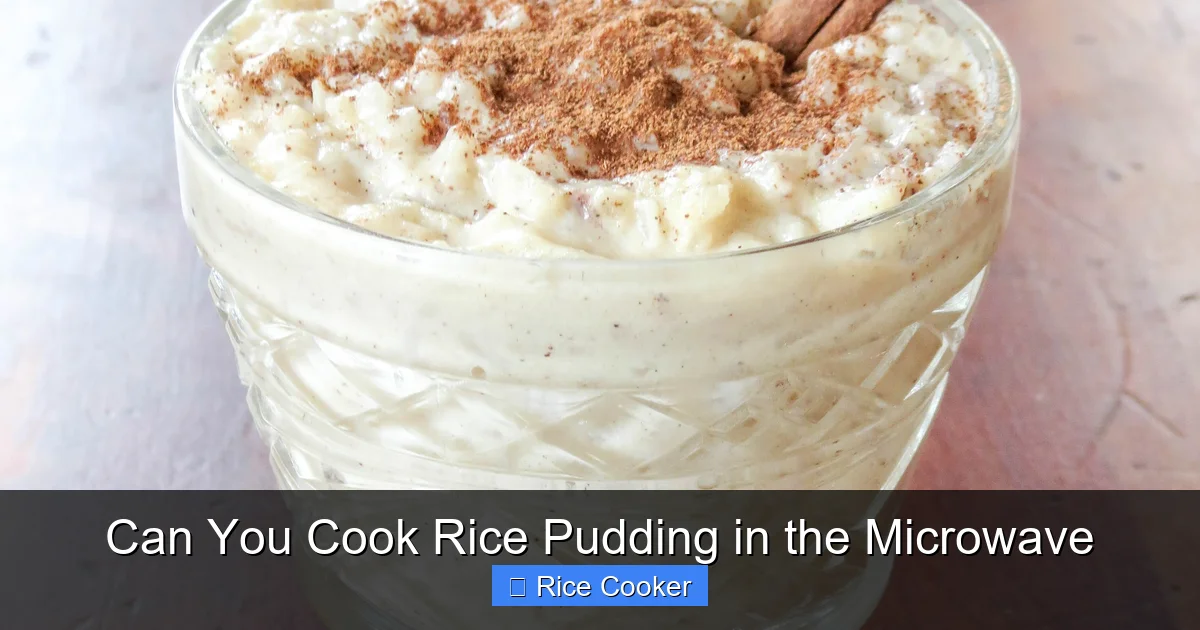
Cooking rice pudding in the microwave is not only possible but also faster than traditional stovetop methods. With the right ingredients and technique, you can enjoy a warm, comforting dessert in under 10 minutes. This method saves time and energy while still delivering rich flavor and creamy texture.
Key Takeaways
- Understanding can you cook rice pudding in the microwave: Provides essential knowledge
📑 Table of Contents
- Can You Cook Rice Pudding in the Microwave?
- The Science Behind Microwave Cooking
- Essential Ingredients for Perfect Microwave Rice Pudding
- Step-by-Step Guide: Making Rice Pudding in the Microwave
- Troubleshooting Common Issues
- Flavor Variations and Global Twists
- Storage and Reheating Tips
- Benefits of Using the Microwave Method
- Frequently Asked Questions
Can You Cook Rice Pudding in the Microwave?
Imagine this: it’s a chilly evening, you’re craving something warm and sweet, but you don’t have time to stand over the stove. Enter microwave rice pudding—a cozy, comforting treat that comes together in minutes. Yes, you read that right—you can make rice pudding in the microwave, and it turns out deliciously creamy without much effort. Whether you’re new to cooking or just looking to simplify dessert prep, this method is a game-changer.
Rice pudding has long been a favorite across cultures, from Indian kheer to French riz au lait. Traditionally, it’s made by slowly simmering rice in milk over low heat, allowing the grains to break down and thicken into a velvety custard. But what if you want the same result without the wait? The microwave makes this process surprisingly easy, especially when you know the right techniques. No fancy equipment needed—just a microwave-safe bowl, basic kitchen tools, and a little patience.
In this guide, we’ll walk through everything you need to know about making microwave rice pudding. From ingredient selection to timing tips and flavor variations, you’ll be whipping up a batch that rivals your grandmother’s recipe—in half the time.
The Science Behind Microwave Cooking
How the Microwave Works on Starchy Foods
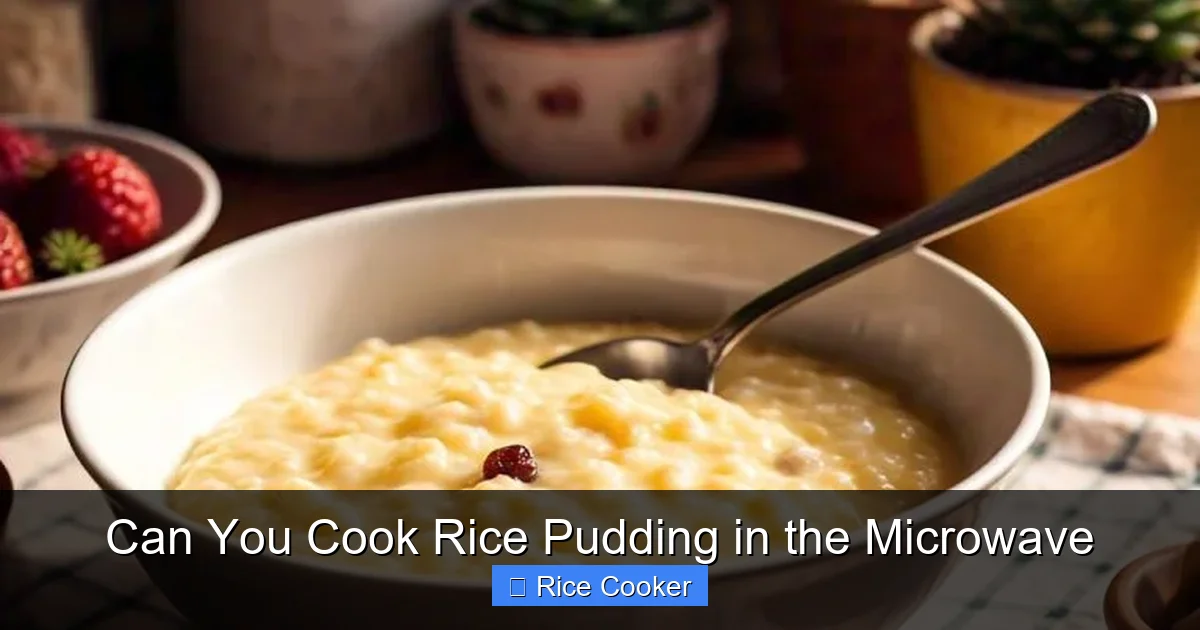
Before diving into recipes, it’s helpful to understand why the microwave works so well for rice pudding. Unlike boiling, which relies on external heat transfer, microwaves excite water molecules inside the food, generating heat directly. This means the liquid in your pudding heats up quickly, and as the rice absorbs it, the starches gelatinize—creating that signature creamy texture.
Visual guide about Can You Cook Rice Pudding in the Microwave
Image source: canyoumicrowavewiki.com
Because rice contains plenty of starch, it responds beautifully to microwave energy. When cooked properly, the rice swells and softens, releasing its natural sugars and thickening the mixture. The key is controlling the power level and stirring regularly to prevent hot spots and uneven cooking.
Why Not All Rices Are Created Equal
Not every grain behaves the same way under microwave treatment. Long-grain white rice, for example, tends to stay separate and slightly chewy, even when fully cooked. Short-grain varieties—like Arborio, sushi rice, or even leftover cooked short-grain rice—are far better choices. These contain higher starch content, which helps bind the pudding together and creates a smoother consistency.
If you’re using instant rice or parboiled types, adjust the cooking time downward slightly—they’ve already undergone partial processing and cook faster.
Essential Ingredients for Perfect Microwave Rice Pudding
Core Components
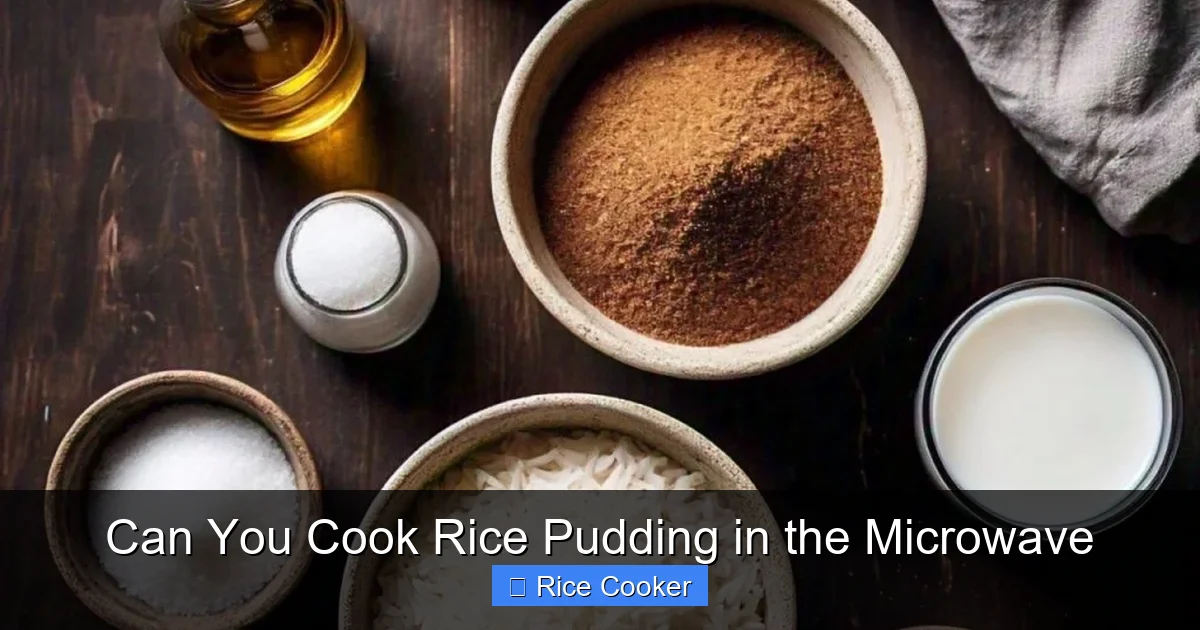
At its heart, rice pudding is simple: rice, milk, sugar, and flavorings. Here’s what you’ll need for a classic version:
Visual guide about Can You Cook Rice Pudding in the Microwave
Image source: canyoumicrowavewiki.com
- Short-grain rice: ½ cup (about 90g)
- Whole milk: 2 cups (480ml) – whole milk yields richer results; skim works too but may be thinner
- Sugar: 2–3 tablespoons (adjust to taste)
- Vanilla extract: 1 teaspoon
- Cinnamon: ¼ teaspoon (optional but highly recommended)
- Salt: A pinch (enhances flavor)
For added richness, some recipes call for a tablespoon of butter or a splash of heavy cream. These aren’t mandatory but do deepen the flavor and improve mouthfeel.
Optional Add-Ins for Variety
Once you’ve mastered the basics, get creative! Try folding in:
- Raisins or dried cranberries
- Chopped nuts (almonds, pecans, or walnuts)
- Fresh fruit (strawberries, peaches, or apples diced small)
- Coconut flakes or chocolate chips
- A dash of nutmeg or cardamom for warmth
Remember: if adding wet ingredients like fresh fruit, reduce the milk slightly to maintain thickness. Dry add-ins can go in at the end—just stir gently to distribute them evenly.
Step-by-Step Guide: Making Rice Pudding in the Microwave
Gathering Your Tools
You won’t need much beyond what’s listed above, but here are two must-haves:
- A large microwave-safe bowl (glass or ceramic works best)
- A fork or whisk for stirring
- A measuring cup and spoon
Airtight containers are great for storing leftovers, and a lid or microwave cover helps trap steam during cooking.
Preparation Tips
Start by rinsing your rice briefly under cold water. This removes excess surface starch, which can make the pudding gummy if overused. Drain well—excess water will dilute your milk.
Measure all dry ingredients first: rice, sugar, salt, and any spices. This keeps things organized and ensures consistent flavor.
Mixing the Base
Combine the rinsed rice, sugar, salt, cinnamon, and vanilla in your microwave-safe bowl. Pour in the milk and stir until smooth. There should be no clumps—if there are, mash them gently with the back of your spoon.
Pro tip: If you’re using cold milk straight from the fridge, let it sit at room temperature for 10–15 minutes. Cold liquid takes longer to heat evenly.
Cooking Time and Power Levels
Here’s where timing becomes critical. Most microwaves operate at high power (around 700–1200 watts). For best results, use medium-high power (60–70% of max) and cook in intervals.
Recommended schedule:
- First interval: 4 minutes on medium-high
- Stir thoroughly—check for doneness
- Second interval: 3–4 minutes
- Stir again; test rice texture
- Final interval: 1–2 minutes if needed
Total active cooking time rarely exceeds 8–10 minutes. Keep an eye on it—microwaves vary, and rice can go from perfect to mushy quickly.
Testing Doneness
After the last interval, remove the bowl and stir. The rice should be tender with no hard kernels. The pudding should coat the back of a spoon lightly. If it seems too thin, microwave in 30-second bursts and stir until desired consistency is reached.
Resting and Serving
Let the pudding rest for 1–2 minutes after microwaving. This allows residual heat to finish softening any remaining rice and lets flavors meld. Then give it one final stir before serving.
Top with a sprinkle of cinnamon, a dollop of whipped cream, or a handful of toasted almonds for extra flair.
Troubleshooting Common Issues
Too Thin or Watery?
This usually happens if you used too much milk or didn’t cook long enough. To fix it post-cooking, return the pudding to the microwave in 30-second bursts until thickened. Alternatively, mix in a teaspoon of cornstarch dissolved in water—it acts as a thickener and mimics traditional pudding-making methods.
Gummy or Overcooked Texture
Excessive stirring or prolonged heating breaks down the rice too much, leading to a gluey mess. Avoid this by using medium power and minimal stirring—only once or twice during cooking. Also, stick to short-grain rice; long-grain doesn’t develop this issue as easily but won’t give you the right texture either.
Burned or Burnt Bottom
This often occurs when the bowl isn’t large enough or the rice settles at the bottom. Use a wide-mouth container and stir vigorously halfway through. If burning happens early, reduce power further or shorten intervals by 30 seconds.
Lumps in the Pudding
Undissolved sugar or unmixed rice causes lumps. Always stir well before microwaving, and ensure sugar is fully incorporated. For stubborn lumps, press them against the bowl’s side with the back of your spoon during stirring.
Flavor Variations and Global Twists
Classic American Style
The traditional version uses whole milk, sugar, cinnamon, and vanilla—sometimes with raisins. Serve warm, optionally chilled. This is the foundation most people know.
Indian Kheer (Cardamom & Saffron)
Inspired by Indian desserts, kheer swaps cinnamon for green cardamom pods (crushed), adds a pinch of saffron threads soaked in warm milk, and sometimes includes nuts like pistachios or cashews. Cook similarly, but add spices toward the end to preserve aroma.
French Crème de Riz
European-style rice pudding uses egg yolks to create a silky custardy base. While trickier in the microwave (due to curdling risks), you can simulate this by adding a beaten egg yolk at the very end, mixing constantly, and microwaving in 15-second bursts until set.
Fruit-Infused Options
Add diced apples during the last minute of cooking. Or fold in stewed peaches or mashed bananas after removing from heat. Berries should go in raw and stirred in gently—they release too much moisture if cooked.
Vegan and Dairy-Free Versions
Replace milk with unsweetened almond, oat, or coconut milk. Note that plant-based milks may lack fat, resulting in a thinner texture. Add a tablespoon of cornstarch slurry to help thicken.
Storage and Reheating Tips
Refrigeration and Shelf Life
Store leftover rice pudding in an airtight container in the fridge for up to 3 days. It thickens further upon cooling—perfect if you prefer it chilled!
Reheating Without Ruining Texture
To rewarm, microwave in 30-second intervals, stirring between each, until hot. Add a splash of milk if it’s too thick. Avoid overheating—this can cause separation or rubberiness.
Freezing Option
While not ideal due to texture changes, you can freeze portions for up to 1 month. Thaw overnight in the fridge, then reheat as directed. Expect slight graininess—but still edible and satisfying.
Benefits of Using the Microwave Method
Speed and Convenience
Compared to stovetop cooking (which can take 30–45 minutes), microwave rice pudding is ready in under 15 minutes total. Ideal for single servings or quick snacks.
Energy Efficiency
Microwaves use significantly less electricity than ovens or stoves. Plus, you don’t need to preheat anything—just add ingredients and go.
Less Cleanup
One bowl is all you need. No pots, pans, or scrubbing required. Just pop the bowl in the dishwasher (if safe) or wash by hand.
Portion Control
Make one cup instead of a full pot. Great for meal prep, weight management, or testing new flavors without waste.
Frequently Asked Questions
Can I use brown rice for microwave rice pudding?
Yes, but it requires longer cooking times and may yield a chewier texture. Brown rice has bran layers that resist softening quickly. Soak it overnight or increase cooking intervals by 2–3 minutes per cycle. Results will be nuttier and denser.
Do I need to cover the bowl while microwaving?
It’s optional but helpful. A microwave-safe lid or vented plastic wrap traps steam, helping the rice cook more evenly. If uncovered, stir more frequently to prevent dry patches.
Can I make rice pudding ahead of time?
Absolutely. Refrigerate for up to 3 days. When ready to serve, reheat in 30-second bursts, adding milk if needed. It thickens as it cools, so plan accordingly.
Is rice pudding good for breakfast?
Definitely! Swap cinnamon for nutmeg and top with fresh fruit or yogurt. It’s a balanced mix of carbs, protein, and fat—satisfying without being heavy.
What’s the difference between rice pudding and risotto?
Both use rice and liquid, but risotto is savory, uses broth, and requires constant stirring to release starch gradually. Rice pudding is sweet, uses milk, and aims for a custardy consistency.
Can kids eat microwave rice pudding?
Yes, as long as it’s cooled to a safe temperature. Supervise young children to prevent burns. Avoid added nuts or choking hazards unless finely ground.
Frequently Asked Questions
Can I use brown rice for microwave rice pudding?
Yes, though it cooks slower and yields a chewier texture. Soaking beforehand helps, but expect a heartier bite compared to white rice.
Do I need to cover the bowl while microwaving?
Covering with a lid or vented plastic wrap helps retain steam and promotes even cooking. If uncovered, stir more often to avoid dry spots.
Can I make rice pudding ahead of time?
Absolutely. Store in the fridge for up to 3 days. Reheat gently in short bursts, adding milk if it thickens too much.
Is rice pudding good for breakfast?
Yes! Swap spices for warmth and top with fruit or yogurt. It provides sustained energy without feeling overly rich.
What’s the difference between rice pudding and risotto?
Risotto is savory, uses broth, and needs constant stirring. Rice pudding is sweet, uses milk, and focuses on a creamy, custard-like texture.
Can kids safely eat microwave rice pudding?
Yes, once cooled slightly. Always check temperature before serving to young children and avoid hard add-ins like whole nuts.