

Can you cook rice that has been baked? Absolutely! Baked rice can often be revived and turned into delicious dishes like fried rice or rice pudding. With the right technique, even slightly dried or overcooked rice can regain its texture and flavor when rehydrated properly.
Key Takeaways
- Baked rice is edible and often reusable: Rice that has been baked in an oven or slow cooker isn’t ruined—it can be repurposed into new meals.
- Proper rehydration is key: Adding liquid slowly and gently reheating helps restore moisture without making it mushy.
- Cooking method affects revival success: Steaming works better than boiling for preserving texture; microwaving with a damp cloth prevents drying.
- Flavor can be enhanced: Adding broth, sauces, herbs, or spices during reheating improves taste significantly.
- Safety first: Always check for spoilage signs—off smells, mold, or sliminess mean the rice should be discarded.
- Creative uses abound: Use baked rice in casseroles, salads, stuffing, or desserts like rice puddings.
- Prevention beats revival: Proper storage (in airtight containers, cooled quickly) reduces the chance of needing to revive rice later.
📑 Table of Contents
- Introduction: The Surprising Life After Baking
- Understanding Baked Rice: What Happens When Rice Is Baked?
- Can You Cook Rice That Has Been Baked? Yes—Here’s How
- Creative Ways to Use Baked Rice Beyond Basic Reheating
- Storage Tips to Prevent Future Baked Rice Issues
- Special Considerations: Different Types of Rice After Baking
- When Baked Rice Should Be Discarded
- Conclusion: Embrace the Versatility of Baked Rice
Introduction: The Surprising Life After Baking
Have you ever found yourself staring at a pot of rice that was meant to be fluffy and separate but instead came out dry, dense, or oddly chewy? Maybe you followed a recipe that called for baking rice in the oven—like a creamy risotto-style dish—and now you’re wondering: Can you cook rice that has been baked?
Short answer: Yes, you absolutely can! In fact, baked rice is just as edible—and often more versatile—than traditionally cooked rice. Whether it’s leftover from a holiday feast, a failed attempt at a one-pot meal, or rice that got too hot in the oven, there are smart ways to bring it back to life. And the best part? You don’t need fancy equipment or special ingredients. A little patience, the right technique, and a few kitchen tricks can turn yesterday’s baked rice into today’s star ingredient.
In this guide, we’ll walk through everything you need to know about reviving, repurposing, and reimagining baked rice. From understanding why baking changes rice’s structure to mastering the art of rehydration, you’ll learn how to make the most of every grain. Plus, we’ll share real-life examples, common mistakes to avoid, and creative recipes so you never have to waste another bowl of rice again.
Understanding Baked Rice: What Happens When Rice Is Baked?
The Science Behind Baked Rice
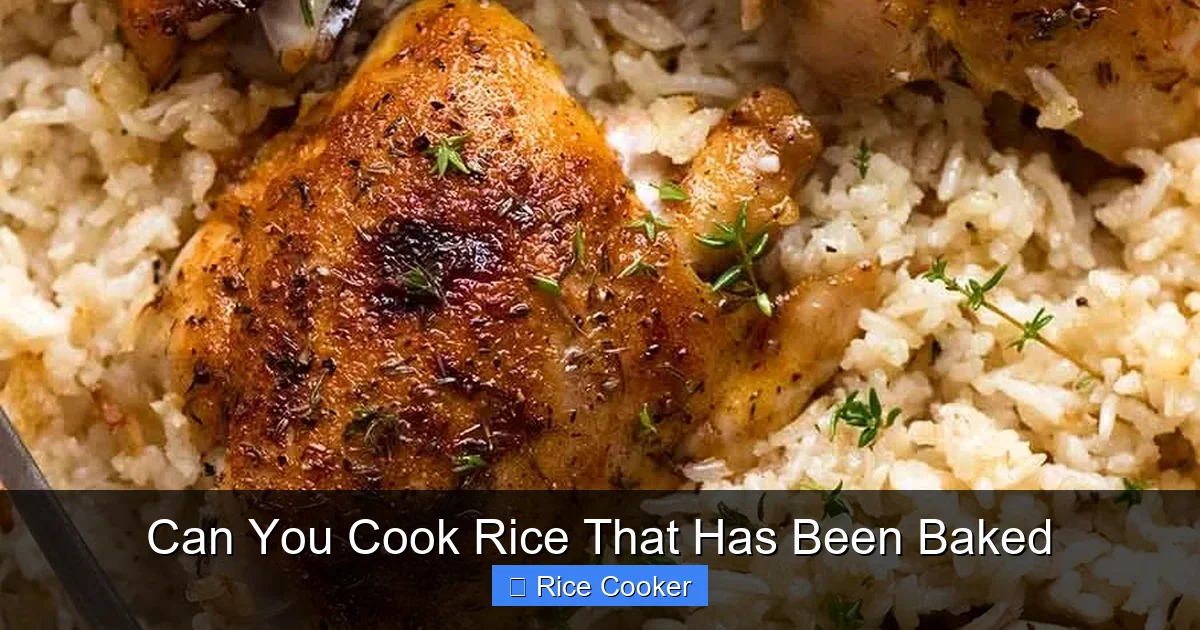
Rice, especially long-grain varieties like jasmine or basmati, contains starch molecules that absorb water and expand when heated. Normally, this happens in a pot on the stove with constant stirring or in a rice cooker with precise timing. But when rice is baked, the cooking process is different—moisture evaporates more slowly, heat penetrates evenly, and the starch gelatinization occurs differently.
Visual guide about Can You Cook Rice That Has Been Baked
Image source: recipetineats.com
This leads to a denser, firmer texture. Think of baked rice like a cake versus steamed bread: both use similar ingredients, but the method creates distinct results. Baked rice tends to be stickier and less fluffy, which can be a downside if you were expecting individual grains—but it also means it holds together well when used in recipes where binding is needed.
Common Reasons People Bake Rice
- One-Pan Meals: Recipes like baked ziti with rice or chicken and rice casserole save cleanup and add depth of flavor.
- Hands-Off Cooking: Oven-baked rice frees up your stovetop for other dishes—perfect for busy weeknights.
- Creamy Textures: Baking with butter, cream, or broth can create rich, porridge-like dishes akin to risotto.
- Holiday Leftovers: Stuffing, casseroles, and pilafs often call for pre-cooked or baked rice.
Even if your baked rice didn’t turn out as planned, remember: texture doesn’t equal failure. It just means it’s ready for transformation.
Can You Cook Rice That Has Been Baked? Yes—Here’s How
Assessing Your Baked Rice First
Before you start reheating, take a moment to evaluate your rice. Ask yourself:
Visual guide about Can You Cook Rice That Has Been Baked
Image source: expertreviewsbestricecooker.com
- Is it still soft or has it hardened into a solid block?
- Does it smell fresh, or is there a sour or off odor?
- Are there any visible signs of mold or discoloration?
If the answer to the last two questions is yes, it’s safer to discard the rice—especially if it’s been sitting at room temperature for more than two hours. Bacteria like Bacillus cereus, which causes food poisoning, thrive in moist, warm environments and produce toxins that aren’t destroyed by reheating.
But if your rice looks and smells okay—even if it’s dry or clumpy—you’re good to go!
Step-by-Step Guide to Reheating Baked Rice
There are several methods to revive baked rice, each suited to different textures and desired outcomes:
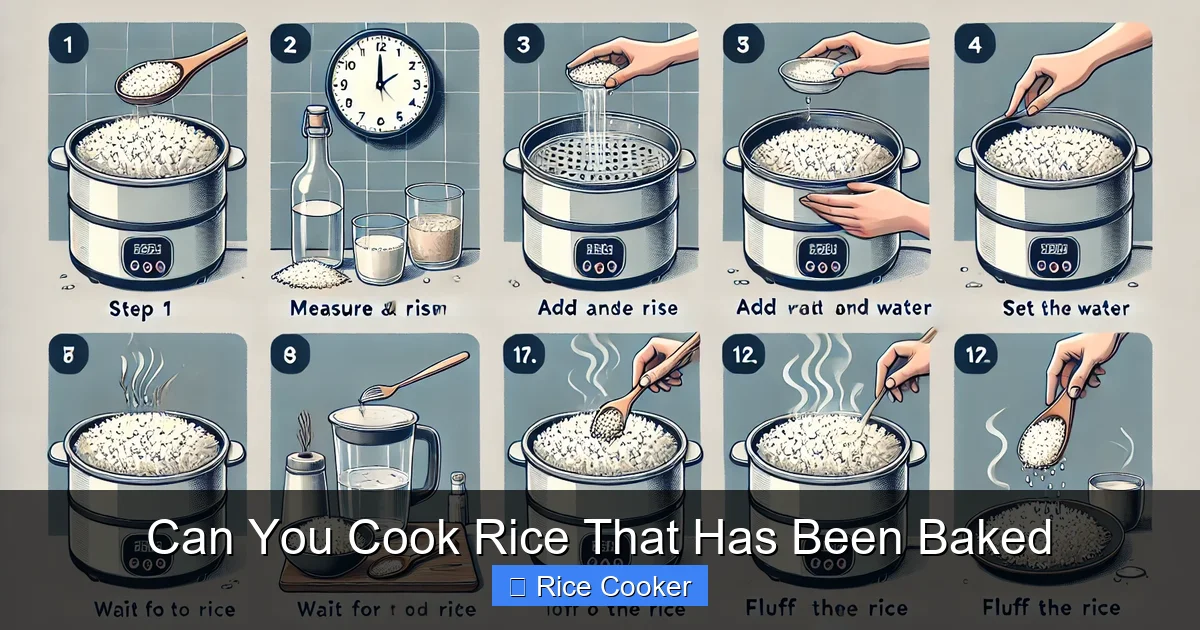
1. Steaming Method (Best for Preserving Texture)
This gentle approach mimics how rice cooks the first time—slowly absorbing moisture without becoming soggy.
- Place the baked rice in a heatproof container with a lid (or cover tightly with foil).
- Add 1–2 tablespoons of water or broth per cup of rice.
- Steam in a pot with a few inches of simmering water for 10–15 minutes, checking halfway through.
- Let it rest covered for 5 minutes before fluffing with a fork.
This works especially well if your rice is still somewhat soft but just needs moisture.
2. Microwave Method (Quick & Convenient)
For speed and convenience, the microwave does the job—if you use the right technique.
- Transfer rice to a microwave-safe bowl.
- Drizzle with water or broth and mix gently.
- Cover with a damp paper towel (not plastic wrap—this traps steam and prevents drying).
- Microwave on high for 1–2 minutes per cup of rice, stirring halfway.
The damp towel acts like a mini steamer, keeping the surface moist while allowing vapor to escape.
3. Pan Reheating with Liquid (For Fluffy Results)
If you want to mimic fresh rice, try this stovetop trick:
- Heat a nonstick skillet over medium-low.
- Add a splash of water, broth, or oil.
- Break up clumps and stir constantly for 2–3 minutes.
- Cover and let sit for 2 minutes to finish steaming internally.
This method gives you control over seasoning and helps redistribute moisture evenly.
Tips to Avoid Common Mistakes
- Don’t boil dried rice: Boiling can turn it into glue-like mush. Always add liquid gradually.
- Avoid high heat: High temperatures cause uneven cooking and further dehydration.
- Don’t skip resting: Letting reheated rice sit covered allows steam to distribute evenly.
- Season as you go: Salt, pepper, herbs, or soy sauce added during reheating enhance flavor better than after.
Creative Ways to Use Baked Rice Beyond Basic Reheating
1. Fried Rice Perfection
Baked rice is actually ideal for fried rice because it doesn’t fall apart when stir-fried. Here’s how:
- Cut cold, baked rice into bite-sized pieces or break into chunks.
- Heat oil in a wok or large skillet over high heat.
- Add beaten egg, push to one side, then add rice and veggies.
- Stir-fry with soy sauce, sesame oil, garlic, and ginger.
The firmer texture holds up beautifully, and the residual moisture steams the rice as it cooks—no extra liquid needed!
2. Rice Pudding or Custard
If your baked rice has a creamy consistency (like from a milk-based recipe), transform it into dessert:
- Warm the rice with milk, cinnamon, sugar, and vanilla.
- Simmer until thickened, stirring often.
- Top with fruit, nuts, or a drizzle of honey.
This turns a savory leftovers issue into a cozy treat.
3. Stuffed Peppers or Veggie Bowls
Use baked rice as a filling for bell peppers, tomatoes, or even tacos:
- Mix rice with black beans, corn, diced onions, and spices.
- Stuff into hollowed-out vegetables or serve over greens.
- Bake at 375°F (190°C) for 20–25 minutes until heated through.
This adds protein and fiber while using up old rice efficiently.
4. Rice Bread or Flatbreads
Yes, really! For gluten-free options, blend cooled baked rice with eggs, salt, and optional cheese, then pan-fry like a crêpe.
Serve with avocado, hummus, or scrambled eggs for a hearty breakfast.
Storage Tips to Prevent Future Baked Rice Issues
Cooling Quickly Is Essential
Never leave cooked rice sitting out for more than one hour. Bacteria multiply rapidly between 40°F and 140°F (the “danger zone”). Instead:
- Spread rice in a thin layer on a baking sheet to cool faster.
- Refrigerate within 30–60 minutes.
Store Properly
Keep rice in shallow, airtight containers to allow quick reheating. Label with the date—leftover rice should be eaten within 3–4 days.
Freezing Makes Long-Term Storage Possible
Portion rice into freezer bags, squeeze out excess air, and freeze for up to 6 months. Thaw overnight in the fridge before reheating.
Reheat Only Once
Repeatedly heating and cooling rice increases the risk of bacterial growth. Always reheat fully, not half-heat.
Special Considerations: Different Types of Rice After Baking
Long-Grain White Rice
Most commonly baked in casseroles. Revives well with steaming or microwaving. Best for fried rice or stuffing due to firmness.
Brown Rice
Denser and more nutritious, but takes longer to rehydrate. Add extra liquid and extend steaming time by 5–10 minutes.
Jasmine and Basmati
Aromatic varieties retain their fragrance when properly revived. Add a drop of coconut oil or lime juice to restore aroma.
Sushi Rice
Stickier than regular white rice. Steam with a splash of rice vinegar for authentic texture.
Instant or Quick-Cook Rice
Less forgiving when overbaked. May require blending with broth to achieve desired consistency.
When Baked Rice Should Be Discarded
Despite our best efforts, some situations call for tossing the rice:
- Spoiled smell: Sour, ammonia-like, or rotten odors indicate bacterial growth.
- Mold visible: Even if only on the surface, discard immediately.
- Hardened beyond recovery: If it won’t absorb liquid no matter what, it’s not worth salvaging.
- Left unrefrigerated too long: More than 2 hours at room temperature risks toxin production.
When in doubt, throw it out. Foodborne illness is serious, and the consequences aren’t worth saving a few dollars on wasted rice.
Conclusion: Embrace the Versatility of Baked Rice
So, can you cook rice that has been baked? Without a doubt—yes. Whether you’re dealing with a batch from last night’s casserole or rice that got too hot in the oven, there are countless ways to breathe new life into it. The key lies in understanding how baking alters rice’s structure and applying the right revival technique: gentle steaming, careful microwaving, or creative repurposing.
Rather than viewing baked rice as a kitchen mistake, think of it as an opportunity. It becomes a blank canvas for flavors, textures, and cuisines. From comforting fried rice to decadent rice pudding, the possibilities are limited only by your imagination.
Next time you find yourself with a pot of baked rice, don’t despair—grab your favorite pan, add a splash of liquid, and get cooking. You might just discover your new favorite dish.
Frequently Asked Questions
Can you eat baked rice?
Yes, baked rice is perfectly safe to eat as long as it hasn’t spoiled. The texture may be different from boiled rice, but it’s still nutritious and delicious when prepared correctly.
How do you reheat baked rice without making it mushy?
To avoid mushiness, add liquid gradually and use low, indirect heat. Steaming or microwaving with a damp paper towel works best—never boil dry rice.
Is baked rice healthier than boiled rice?
Not necessarily. Both methods provide similar nutrition, but baked rice can absorb more fat or sodium from added ingredients like butter or cheese, depending on the recipe.
How long can you store baked rice in the fridge?
Baked rice should be refrigerated within 1 hour of cooking and consumed within 3–4 days for optimal safety and quality.
Can you freeze baked rice?
Absolutely. Portion into airtight containers or freezer bags and freeze for up to 6 months. Thaw in the refrigerator before reheating.
Why does my baked rice taste bland?
Baked rice often lacks seasoning since it’s usually cooked plain before being mixed into dishes. Add salt, herbs, sauces, or spices during reheating to boost flavor.