
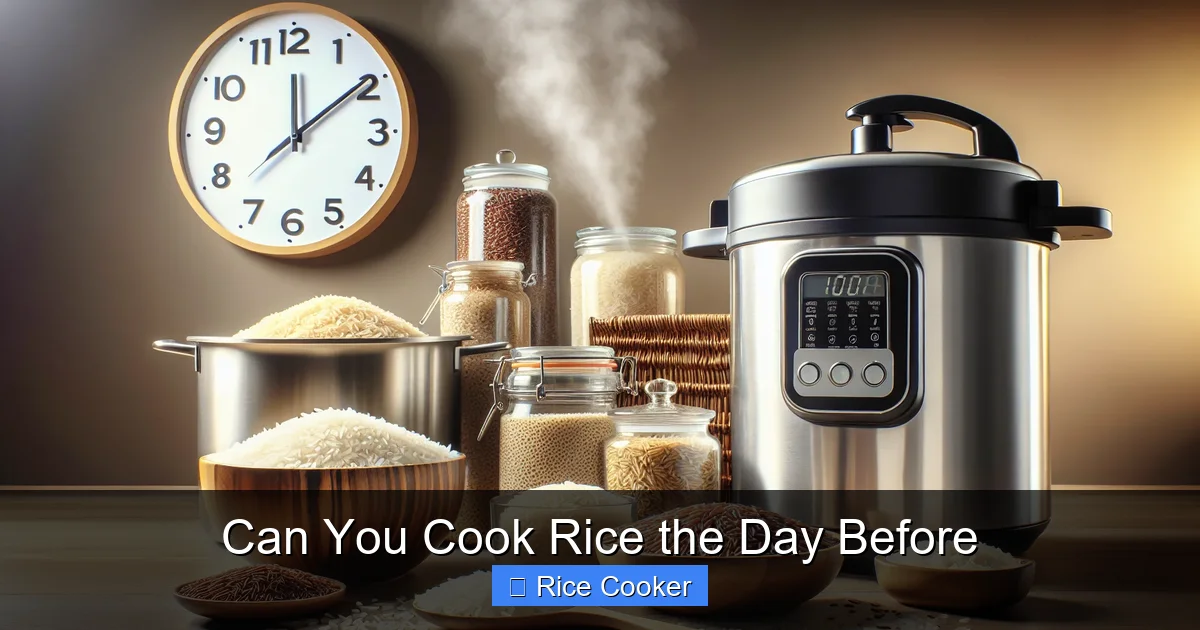
Can you cook rice the day before? Absolutely—and doing it right means your leftover rice stays safe, tasty, and ready for quick meals. With proper storage in the fridge and smart reheating techniques, cooked rice becomes a time-saving staple in any kitchen. Whether you’re meal prepping or saving leftovers, this guide covers everything from safety to flavor preservation so your rice always turns out great.
Key Takeaways
- Yes, you can safely cook rice the day before as long as it’s stored properly in the refrigerator within two hours of cooking.
- Proper cooling is essential—spread rice on a tray before refrigerating to prevent bacterial growth and sogginess.
- Reheating makes all the difference—use a microwave with a splash of water or steam to restore softness and prevent dryness.
- Cooking in bulk saves time and reduces waste, making it ideal for meal prep or feeding a crowd.
- Flavor and texture improve over time when rice is cooled and stored correctly, especially with grains like basmati or jasmine.
- Always check rice before eating—smell and inspect for off odors or slimy texture to ensure food safety.
📑 Table of Contents
- Can You Cook Rice the Day Before? Your Complete Guide
- Why Cooking Rice Ahead Makes Sense
- How to Cook Rice Perfectly for Overnight Use
- Storing Cooked Rice Safely
- Reheating Rice Without Ruining It
- Cooking Rice the Day Before in Different Cuisines
- Common Concerns About Storing Rice
- Creative Ways to Use Leftover Rice
- Final Thoughts: Make Rice Prep Part of Your Routine
Can You Cook Rice the Day Before? Your Complete Guide
Imagine this: you’ve just finished preparing a big pot of fragrant jasmine rice for dinner, but there’s more than enough for tomorrow’s lunch. Instead of tossing the extras, you wonder—can you cook rice the day before and still enjoy it later? The short answer is yes, and not only is it possible, but it’s also a smart strategy for busy weeknights, meal prep warriors, and anyone who loves having ready-to-eat grains on hand.
With a little know-how, leftover rice can be just as delicious—or even better—than when it was first cooked. Whether you’re using a traditional stovetop method or a modern rice cooker, storing and reheating rice properly ensures it stays fresh, safe, and full of flavor. In this comprehensive guide, we’ll walk you through every step: from cooking and cooling to refrigeration and reheating. You’ll learn how to avoid common pitfalls like mushy textures, bacterial growth, and lost aroma. Plus, we’ll share tips on how to use your rice cooker like a pro to make the process even easier. By the end, you’ll feel confident turning yesterday’s rice into tomorrow’s star ingredient—whether it’s in fried rice, grain bowls, or creamy risottos.
Why Cooking Rice Ahead Makes Sense
Life gets busy. Between work, school, errands, and family dinners, finding time to cook from scratch every day isn’t always realistic. That’s where cooking rice the day before comes in handy. Not only does it save time during hectic mornings or midweek lunches, but it also helps reduce food waste. Leftover rice is incredibly versatile—it can become fried rice, rice salads, stuffed peppers, or even rice pudding. And let’s face it: nothing beats the convenience of pulling a warm bowl of rice out of the microwave when hunger strikes.
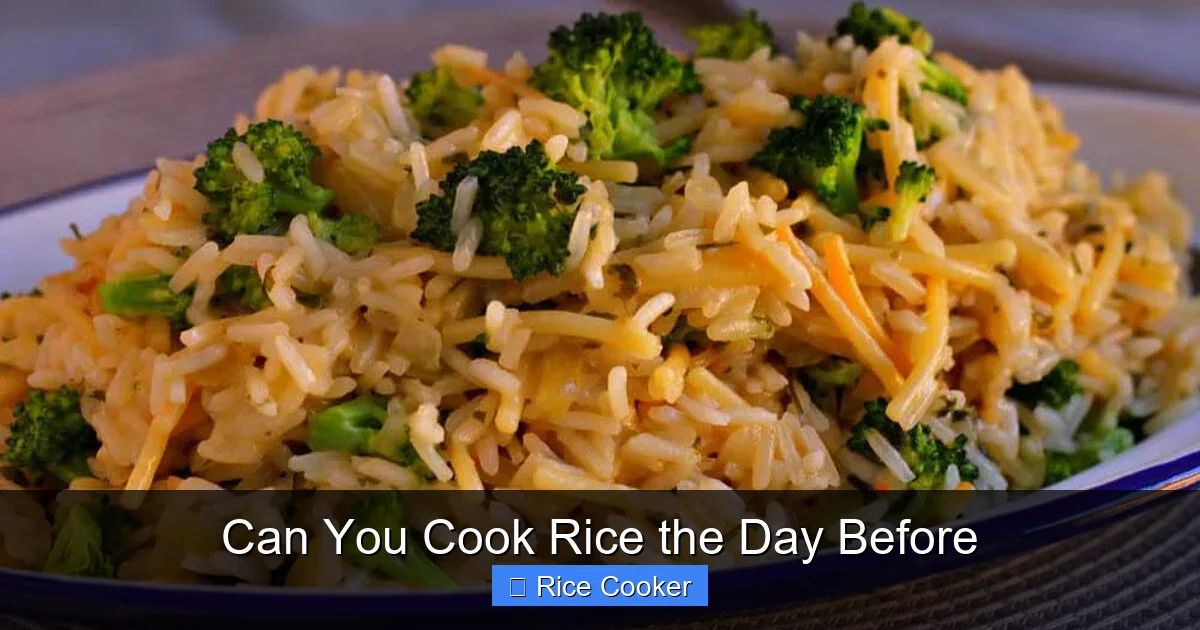
Visual guide about Can You Cook Rice the Day Before
Image source: kitchenflock.com
The Science Behind Safe Storage
You might be wondering: isn’t rice risky if left out overnight? Actually, raw rice is low in moisture and naturally contains spores of Bacillus cereus, a bacteria that can survive cooking and multiply in warm, moist environments. If rice cools slowly (like sitting in a hot pot), these spores can produce toxins that cause food poisoning. However, when rice is cooled quickly and stored at or below 40°F (4°C), the risk drops significantly.
This is why rapid cooling matters. Spreading rice thinly on a baking sheet after cooking allows heat to escape faster, reducing the chance of bacterial growth. Once cooled to room temperature—usually within 60 minutes—the rice should go straight into the fridge. Never leave rice sitting at room temperature for more than two hours, especially in warm climates.
Benefits of Pre-Cooking Rice
Beyond convenience, cooking rice ahead offers several advantages:
- Better texture control: Cooled rice holds its shape better when stir-fried or used in salads.
- Enhanced flavor development: Some grains, like basmati, develop deeper aromas when allowed to rest and chill.
- Energy efficiency: Using a rice cooker for large batches uses less energy than boiling small portions repeatedly.
- Meal planning made easy: Having pre-cooked rice on hand streamlines recipes like bibimbap, paella, or rice-based soups.
How to Cook Rice Perfectly for Overnight Use
Not all rice is created equal when it comes to storage. Long-grain varieties like white jasmine, basmati, and American long-grain tend to hold up best because they’re drier and less starchy than short-grain or sushi rice. But regardless of type, following a few key steps will ensure your rice survives the night—and thrives upon reheating.

Visual guide about Can You Cook Rice the Day Before
Image source: i.pinimg.com
Choosing the Right Type of Rice
If you plan to store rice overnight (or longer), opt for:
- White long-grain rice: Fluffy, light, and neutral in flavor—ideal for most dishes.
- Basmati rice: Fragrant and slightly chewy; develops a lovely aroma when cooled.
- Jasmine rice: Aromatic Thai-style rice that pairs well with curries and stir-fries.
Avoid sticky short-grain rice (like sushi or glutinous) unless you’re making cold rice salads, as they tend to clump when reheated. Brown rice can also be stored but requires longer cooking times and may dry out faster due to its higher oil content.
Step-by-Step: Cooking Rice for Later
Here’s a foolproof method using both stovetop and rice cooker techniques:
- Measure carefully: Use a 1:2 ratio of rice to water (1 cup rice, 2 cups water). Adjust slightly if using salt or broth.
- Rinse the rice: Place rice in a fine-mesh strainer and rinse under cold water until the water runs clear. This removes excess starch and prevents gumminess.
- Cook thoroughly: Bring water to a boil (stovetop) or follow your rice cooker’s settings. Once cooked, let it sit covered for 5–10 minutes to absorb remaining moisture.
- Fluff gently: Use a fork to loosen the grains without mashing them.
- Cool rapidly: Spread rice evenly on a large, shallow tray or baking sheet lined with parchment paper. Let it cool at room temperature for 20–30 minutes.
This rapid cooling phase is crucial. Skipping it increases the risk of spoilage and leads to soggy results.
Using a Rice Cooker Like a Pro
Modern rice cookers simplify the entire process. Many models include a “Keep Warm” function, which maintains temperature without overcooking. Here’s how to use yours effectively:
- After the “Cook” cycle ends, press “Cancel” and open the lid slightly to release steam.
- Transfer the rice immediately to an airtight container or cooling tray.
- Do not rely solely on the “Keep Warm” setting overnight—it’s designed for short-term holding (under 2 hours).
- For best results, clean your rice cooker thoroughly after each use to prevent residue buildup.
Some advanced rice cookers even have a “Cooling” mode or recommend transferring rice to another container post-cooking—follow your manufacturer’s guidelines for optimal performance.
Storing Cooked Rice Safely
Once your rice has cooled completely, it’s time to store it properly. How you store it determines how long it lasts and whether it tastes good next time you eat it.
Best Containers for Storage
Choose containers that are:
- Air-tight: Prevents drying out and odor absorption (e.g., glass jars, BPA-free plastic containers).
- Easy to seal: Avoid bowls with loose lids; they allow air exchange and promote moisture buildup.
- Microwave-safe: Essential if you plan to reheat frequently.
Portion your rice into individual servings if you’re meal prepping—this minimizes repeated reheating cycles, which can degrade quality over time.
Refrigeration Guidelines
Store cooled rice in the refrigerator at 40°F (4°C) or below. Under these conditions:
- Maximum shelf life: 4 days for white rice; 2–3 days for brown rice due to higher fat content.
- Label containers: Include the date so you don’t forget when you cooked it.
- Avoid cross-contamination: Use clean utensils each time you scoop out rice.
Never store rice in the same container used for raw ingredients unless it’s specifically labeled for cooked foods. Always wash containers before reuse.
Freezing Rice for Long-Term Use
Want to keep rice for up to a month? Freezing is an excellent option. Simply place cooled rice in freezer-safe bags or containers, flattening them to speed up thawing. Label with the date and consume within one month. Thaw overnight in the fridge or reheat directly from frozen (adding a splash of water helps prevent dryness).
Reheating Rice Without Ruining It
This is where many people fail. Reheating rice improperly leads to hard, dry, or crumbly grains. But with the right technique, your leftover rice can taste almost as good as fresh.
Microwave Method (Quick & Easy)
The most common approach, and often the best for small portions:
- Place rice in a microwave-safe dish.
- Add 1–2 teaspoons of water per cup of rice. Cover with a damp paper towel or vented lid to trap steam.
- Heat on high for 1 minute, stir, then continue in 30-second intervals until heated through.
Stirring redistributes heat and moisture evenly. Don’t skip the water—rice absorbs it during storage, so adding back a bit restores tenderness.
Stovetop Revival (Best for Large Batches)
For larger quantities, the stovetop delivers superior control:
- Transfer rice to a saucepan with a tight-fitting lid.
- Add 1 tablespoon of water per cup of rice. Stir gently.
- Cover and heat over low-medium heat for 3–5 minutes, stirring occasionally.
- Remove from heat and let stand covered for 2–3 minutes before serving.
This method mimics the original cooking process and revives moisture effectively.
Oven Reheating (For Breaded or Fried Rice)
If your rice is part of a crispy dish like fried rice or baked rice casseroles, reheat in the oven at 350°F (175°C) for 10–15 minutes, covered with foil. This helps maintain texture without drying out.
Tips to Avoid Common Mistakes
- Don’t overheat: High heat kills flavor and creates uneven spots.
- Use a splatter guard: Water and steam can spray when microwaving.
- Test temperature: Ensure rice reaches 165°F (74°C) internally for safety.
- Season lightly: A pinch of salt or a squeeze of lime juice brightens stale flavors.
Cooking Rice the Day Before in Different Cuisines
Rice plays a starring role across global cuisines—and knowing how to prepare it ahead enhances authenticity and practicality.
Asian-Inspired Meals
In many Asian cultures, pre-cooked rice is standard. For example:
- Fried rice: Best made with cooled rice—it doesn’t clump and fries beautifully.
- Chicken teriyaki bowls: Cook rice the night before, then assemble with grilled chicken and veggies next day.
- Sushi rice: Though traditionally made fresh, leftover sushi rice can be repurposed into onigiri (rice balls) after chilling.
Latin American Dishes
In Latin cuisine, rice is often cooked in advance for dishes like arroz con pollo or Mexican rice:
- Arroz rojo: Tomato-based rice that benefits from resting—flavors meld beautifully overnight.
- Rice pilafs: Add dried fruits and nuts before storing; they absorb extra moisture during cooling.
American Comfort Food
Even classic American meals benefit from pre-cooked rice:
- Chicken and dumplings: Use leftover rice instead of pasta for heartier dumpling dough.
- Shepherd’s pie: Swap mashed potatoes for rice layers—cooled rice holds its shape well under topping.
Common Concerns About Storing Rice
Despite its popularity, storing rice raises questions—especially about safety and quality. Let’s address the most frequent worries.
Is Leftover Rice Dangerous?
When handled correctly, leftover rice is perfectly safe. The real danger comes from improper cooling and storage. As long as rice is cooled within 2 hours and refrigerated promptly, the risk of Bacillus cereus toxin is minimal. Always discard rice that smells sour, feels slimy, or shows signs of mold.
Does Rice Lose Flavor?
Freshly cooked rice has vibrant aroma and soft texture. After storage, some flavor may fade, but this is usually offset by added seasonings during reheating. In fact, certain grains like basmati deepen their fragrance when chilled—a phenomenon chefs exploit in professional kitchens.
Can I Reheat Rice More Than Once?
It’s technically possible, but not recommended. Each reheating cycle dries out the rice and increases bacterial risk. Plan portions accordingly: cook just enough for immediate needs plus extras for one more meal.
What About Wild Rice or Quinoa?
Wild rice and quinoa behave similarly to long-grain white rice. They can be stored for 3–4 days in the fridge and freeze well. Note that quinoa may become slightly grainy after freezing, so consider cooking extra only when needed.
Creative Ways to Use Leftover Rice
Don’t let rice go to waste! Here are inventive ideas to transform yesterday’s meal into today’s delight.
- Rice pudding: Combine cooled rice with milk, sugar, cinnamon, and raisins. Simmer until thickened.
- Risotto: Toast Arborio rice with onions, deglaze with wine, then add broth gradually—even leftover rice works!
- Rice flour: Dry leftover rice in a blender to make gluten-free flour for baking.
- Burrito fillings: Mix with beans, cheese, and salsa for handheld meals.
- Breakfast bowls: Top with eggs, avocado, and hot sauce for a savory morning twist.
Final Thoughts: Make Rice Prep Part of Your Routine
Cooking rice the day before isn’t just practical—it’s a game-changer for home cooks everywhere. With simple steps—rapid cooling, proper storage, and smart reheating—you can enjoy safe, delicious rice anytime. Whether you’re using a trusty rice cooker or boiling on the stove, consistency is key. Experiment with different grains, portion sizes, and flavor combinations to find what works best for your lifestyle.
Remember: the goal isn’t perfection—it’s sustainability and satisfaction. By mastering this technique, you’re not only saving time but also building a foundation for stress-free, flavorful meals all week long. So next time you open that rice cooker, think beyond tonight’s dinner. Imagine tomorrow’s lunch, next week’s stir-fry, or even next month’s freezer stash. The possibilities are endless—and delicious.
Frequently Asked Questions
Can you cook rice the day before and eat it the next day?
Yes, cooked rice can be safely eaten the next day if stored properly in the refrigerator within two hours of cooking. Cool it quickly, seal it in an airtight container, and reheat thoroughly before eating.
How long can cooked rice last in the fridge?
White rice lasts up to 4 days in the refrigerator when stored correctly. Brown rice lasts 2–3 days due to its higher oil content. Always check for off smells or sliminess before consuming.
Should I rinse rice before cooking it for storage?
Yes, rinsing removes excess starch and prevents clumping. Place rice in a fine-mesh strainer and rinse under cold water until clear—this improves texture and safety.
Can I freeze cooked rice?
Absolutely. Cooled rice freezes well for up to one month. Store in freezer-safe bags, label with the date, and thaw overnight in the fridge or reheat directly from frozen.
Why does my reheated rice turn out mushy?
Mushiness usually results from slow cooling or insufficient reheating. Always cool rice rapidly on a tray, store properly, and add a splash of water when reheating to restore moisture.
Is it safe to reheat rice multiple times?
Reheating once is safest. Repeated reheating increases bacterial risk and dries out the rice. Plan portions carefully to avoid multiple cycles.