
Can you cook rice the night before? Absolutely! Cooking rice ahead of time is not only possible but also practical for busy lifestyles. With proper storage and reheating techniques, your leftover rice stays fresh, safe, and delicious—ready to serve whenever you need a quick meal.
Key Takeaways
- Yes, you can safely cook rice the night before: Rice remains edible and safe when stored properly in the refrigerator.
- Proper cooling prevents spoilage: Cooling rice quickly reduces bacterial growth and keeps it fresh longer.
- Reheating restores texture: Use a microwave or stovetop method to revive dry or stale rice without turning it mushy.
- Long-term freezer storage works: Freezing cooked rice extends shelf life up to one year while preserving quality.
- Different rice types behave differently: Basmati, jasmine, and sushi rice may hold their shape better than short-grain varieties.
- Hygiene is key: Always use clean containers and utensils to avoid contamination during storage.
- Meal prep benefits: Pre-cooking rice saves time and streamlines cooking on busy days.
📑 Table of Contents
- Introduction: The Convenience of Advanced Rice Cooking
- Understanding Rice Types and Their Storage Behavior
- The Science Behind Safe Rice Storage
- Step-by-Step Guide: How to Cook and Store Rice Safely
- Best Practices for Meal Prep with Cooked Rice
- Troubleshooting Common Rice Issues
- Environmental and Economic Benefits of Pre-Cooking Rice
- Expert Tips from Professional Chefs
- Conclusion: Embrace the Power of Prepared Rice
Introduction: The Convenience of Advanced Rice Cooking
Have you ever stood in your kitchen at 7 p.m., staring into an empty pantry after a long day at work? You remember making a big batch of rice that morning for lunch, but now dinner feels like a chore. What if we told you that cooking rice the night before isn’t just possible—it’s one of the most efficient ways to simplify your meals?
Rice is more than a side dish; it’s a global staple that fuels everything from stir-fries to casseroles. But many people assume that cooked rice must be eaten immediately to stay fresh or safe. That myth doesn’t hold up when you understand food safety basics and smart storage techniques. In fact, pre-cooking rice has become a game-changer for home cooks, meal prep enthusiasts, and families alike.
Whether you’re using a traditional pot, an electric rice cooker, or even a pressure cooker, the principles remain the same. This guide will walk you through everything you need to know about cooking rice the night before—how to do it right, store it safely, and bring it back to life when you’re ready to eat.
From choosing the right rice type to mastering reheating tricks, you’ll learn how to turn yesterday’s dinner into today’s quick fix. Let’s dive into the world of advanced rice preparation!
Understanding Rice Types and Their Storage Behavior
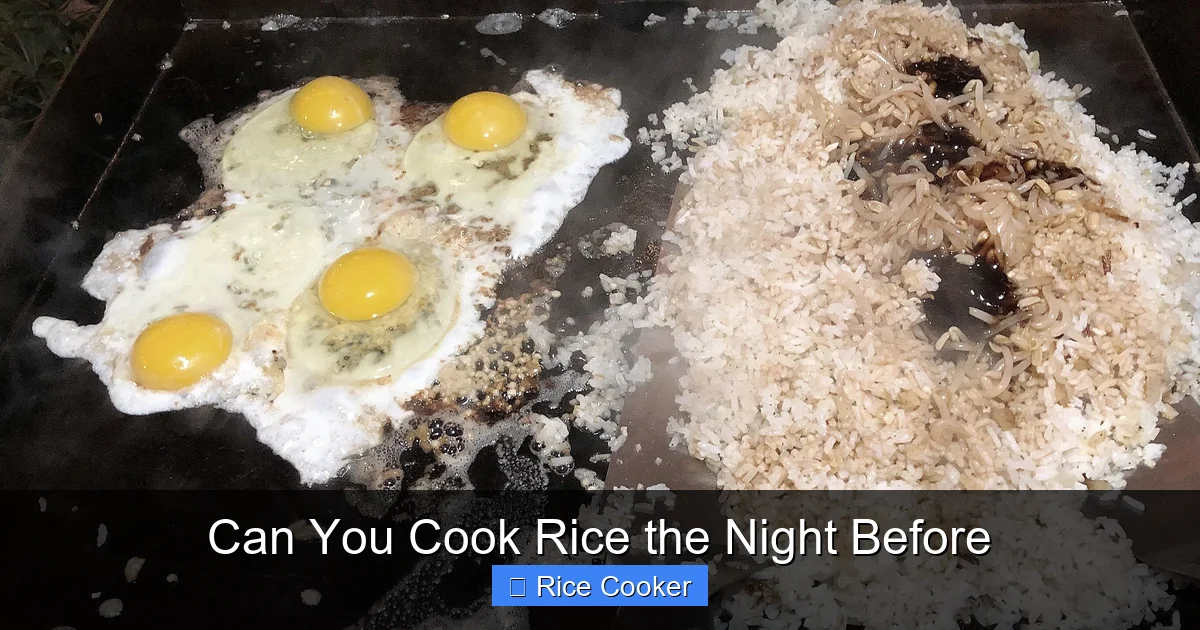
Visual guide about Can You Cook Rice the Night Before
Image source: pastimebarandgrill.com
Not all rice is created equal—and this matters when deciding whether to cook it ahead. Different varieties absorb water differently, have varying starch structures, and react uniquely during storage and reheating.
Short-Grain vs. Long-Grain Rice
Short-grain rice, like Japanese sticky rice or arborio used in risotto, tends to clump together when cooled due to its high amylopectin content. While this makes it great for sushi or creamy dishes, it can become tough or gummy if stored improperly. On the other hand, long-grain rice such as basmati or jasmine retains individual grains better after cooking and cooling, making it ideal for salads, pilafs, or reheated stir-fries.
Brown Rice Considerations
Brown rice takes longer to cook and contains more fiber and oil, which can cause it to spoil faster if stored incorrectly. It’s best to cool brown rice within two hours and refrigerate promptly. Also, because of its higher fat content, brown rice may go rancid if frozen for too long, so consume within six months for optimal flavor.
Sushi and Sticky Varieties
If you’re making sushi rice, you might worry that cooking it the night before ruins its texture. However, sushi rice can be prepared early and chilled—just make sure it’s wrapped tightly to prevent drying out. When ready to use, gently fluff with a fork and add a bit of rice vinegar before serving.
Practical Tip:
Label your containers with the date and rice type. This helps you rotate stock and avoid eating old rice by mistake.
The Science Behind Safe Rice Storage
Visual guide about Can You Cook Rice the Night Before
Image source: ediblenosh.com
You might wonder: “Is it really safe to leave rice out overnight?” The short answer is no—but only if you leave it sitting at room temperature. Cooked rice is a breeding ground for *Bacillus cereus*, a bacteria that produces heat-stable toxins causing food poisoning. These spores survive boiling and multiply rapidly between 40°F and 140°F (the “danger zone”).
However, once rice is cooled quickly and refrigerated below 40°F, bacterial growth slows significantly. That’s why speed is essential.
Cooling Techniques That Work
Instead of letting rice sit in the pot, spread it on a large baking sheet or divide it into shallow containers. A wide surface area allows faster heat loss. Aim to cool rice from 140°F to below 70°F within two hours. Then transfer it to airtight containers and refrigerate within the next hour.
Room Temperature Myth
Leaving rice uncovered on the counter overnight is risky—even if it smells fine. Bacteria don’t always change taste or appearance. Always refrigerate or freeze within two hours of cooking.
Freezing for Future Meals
For longer storage, freezing is your best friend. Portion rice into freezer-safe bags or containers, removing as much air as possible. Frozen rice lasts up to one year, though quality starts declining after six months. Thaw in the fridge overnight or reheat directly from frozen with added moisture.
Step-by-Step Guide: How to Cook and Store Rice Safely
Ready to try cooking rice the night before? Follow these simple steps for foolproof results every time.
Step 1: Measure and Rinse
Use a 1:2 ratio of rice to water for most white varieties (e.g., ½ cup rice to 1 cup water). Rinse until water runs clear to remove excess starch. Skip rinsing for sticky or parboiled rice if desired.
Step 2: Cook Perfectly
Cook using your preferred method—rice cooker, pot, or Instant Pot. For electric models, set to “white rice” mode. Once done, let it sit covered for 5 minutes to finish steaming. Fluff gently with a fork.
Step 3: Rapid Cooling
Spread cooked rice on a rimmed baking sheet or divide into small portions. Place in the refrigerator or freezer immediately. Avoid stirring too much—this helps prevent clumping.
Step 4: Store Properly
Transfer cooled rice to airtight containers or resealable plastic bags. Label with the date. Refrigerate for up to 5 days or freeze for up to 6–12 months.
Step 5: Reheat Like a Pro
When ready to eat, add a splash of water or broth to steamed rice. Cover while microwaving in 30-second bursts, stirring between each interval. Alternatively, steam over boiling water for 5–7 minutes.
Pro Tip:
Keep a container of leftover vegetable or chicken broth in the fridge. Use it to revive dried-out rice—it adds flavor and moisture naturally.
Best Practices for Meal Prep with Cooked Rice
Meal prepping with cooked rice transforms your weekly routine. Imagine having perfectly seasoned, ready-to-eat bases for bowls, wraps, soups, and fried rice—all waiting in your fridge.
Bowl Ideas
Create grain bowls with roasted veggies, grilled protein, tahini dressing, and pickled onions. Cook a double batch of rice once and build four lunches from it.
Wraps and Rolls
Fill tortillas or nori sheets with rice, cucumber, avocado, and your favorite sauce. Assemble in advance and wrap individually in parchment paper for easy grab-and-go options.
Soups and Stews
Add cold cooked rice directly to hot broths—it absorbs flavors beautifully and thickens soups. No need to precook!
Fried Rice Magic
Leftover rice fries up best because it’s slightly dry. Heat oil in a wok, toss in rice with soy sauce, garlic, and scrambled eggs. Add peas, carrots, or bell peppers for color and crunch.
Casserole Base
Use rice as the foundation for baked dishes like mac and cheese, shepherd’s pie, or lasagna. Cold rice holds up well under heat and doesn’t get soggy.
Storage Hacks
– Use glass containers instead of plastic—they’re safer and last longer.
– Freeze rice in ice cube trays for single-serving portions.
– Keep a stash of frozen rice cubes in the freezer for emergency meals.
Troubleshooting Common Rice Issues
Even experienced cooks run into problems. Here’s how to fix them.
Problem: Rice is too dry after reheating
Solution: Add liquid gradually—start with 1 tablespoon of water per cup of rice. Microwave covered for 1 minute, then check. Repeat until moist but not soggy.
Problem: Rice is mushy or clumpy
Cause: Over-stirring during cooling or reheating breaks apart grains. Prevention: Handle gently and avoid compacting rice in storage.
Problem: Off smell or taste
Action: Discard immediately. If rice smells sour or has mold, it’s spoiled. Trust your senses—when in doubt, throw it out.
Problem: Stale texture
Revive with a damp paper towel in the microwave for 30 seconds. This reintroduces steam and softness.
Problem: Uneven heating during reheating
Rotate the container halfway through microwaving. Stirring halfway ensures even warmth.
Environmental and Economic Benefits of Pre-Cooking Rice
Beyond convenience, cooking rice ahead supports sustainability and budgeting.
Reduces Food Waste
By planning meals around leftover rice, you minimize unused ingredients. One cooked batch can fuel multiple dishes.
Saves Energy
Cook once, reheat often. Using a microwave or stovetop later consumes far less energy than boiling fresh water daily.
Cut Down on Packaging
Buy rice in bulk and repackage into smaller containers. Less packaging means less landfill waste.
Time Efficiency
Imagine skipping breakfast prep because you already have warm, fluffy rice waiting. Breakfast burrito bowls, fried rice, or rice pudding become instant meals.
Supports Dietary Goals
Batch-cooking plain rice allows you to control portion sizes and pair it with healthy proteins and vegetables throughout the week.
Expert Tips from Professional Chefs
Chefs swear by pre-cooked rice—here’s what they recommend.
Chef Maria Lopez (Mediterranean Cuisine):
“I always cook a large batch of basmati rice on Sunday. I divide it into portions, add a pinch of salt and olive oil to prevent sticking, and freeze half. On busy nights, I thaw one portion and toss it with lemon zest, parsley, and chickpeas for a salad.”
Chef Kenji Tanaka (Japanese Kitchen):
“Sushi rice can be made a day ahead. Just keep it in an airtight container in the fridge. Before rolling, sprinkle a little rice vinegar over it—it brings back that fresh aroma.”
Culinary Institute Trainer:
“Never leave cooked rice at room temperature for more than two hours. Speed is non-negotiable for safety.”
Home Cook Insight:
“I use my rice cooker’s ‘keep warm’ function overnight—but only if it shuts off automatically. Never rely on manual settings past the recommended time.”
Conclusion: Embrace the Power of Prepared Rice
So, can you cook rice the night before? Without hesitation—yes. With the right techniques, your rice stays safe, tasty, and versatile. Whether you’re meal prepping for the week, hosting guests, or simply saving time, pre-cooking rice is a smart habit worth adopting.
From understanding rice varieties to mastering reheating hacks, you now have all the tools to make cooked rice work for your lifestyle. Remember: speed in cooling, cleanliness in storage, and gentle handling during reheating are your best allies.
Next time you open your pantry, don’t panic. Smile. Reach for that container of perfectly cooked rice—your future self will thank you.
Frequently Asked Questions
Is it safe to eat rice that’s been refrigerated for 5 days?
Yes, if stored properly in an airtight container and kept below 40°F. Most cooked white rice lasts 5–7 days in the fridge. Check for off smells, mold, or sliminess before eating.
Can you freeze cooked rice?
Absolutely. Divide into portion-sized containers or bags, label with the date, and freeze for up to 1 year. Thaw in the refrigerator overnight or reheat directly from frozen.
Why does my reheated rice taste bland?
Cold rice loses flavor over time. Revive it by adding a splash of broth or water before reheating, and cover to trap steam. Season lightly with salt, pepper, or herbs after warming.
Does cooking rice the night before affect its nutritional value?
No significant loss occurs if stored correctly. Some vitamins may degrade slowly, but the overall nutrient profile remains intact. Cooking ahead actually helps with portion control and balanced meals.
What’s the best way to reheat refrigerated rice?
Microwave in 30-second intervals with a damp paper towel or lid on. Stir between cycles to ensure even heating. For stovetop, place in a saucepan with a teaspoon of water, cover, and heat on low until warm.
Can I cook rice in advance for sushi?
Yes, sushi rice can be made a day ahead. Store in an airtight container in the fridge. Before using, gently fluff and mix in a bit of rice vinegar to restore its signature tang and shine.