
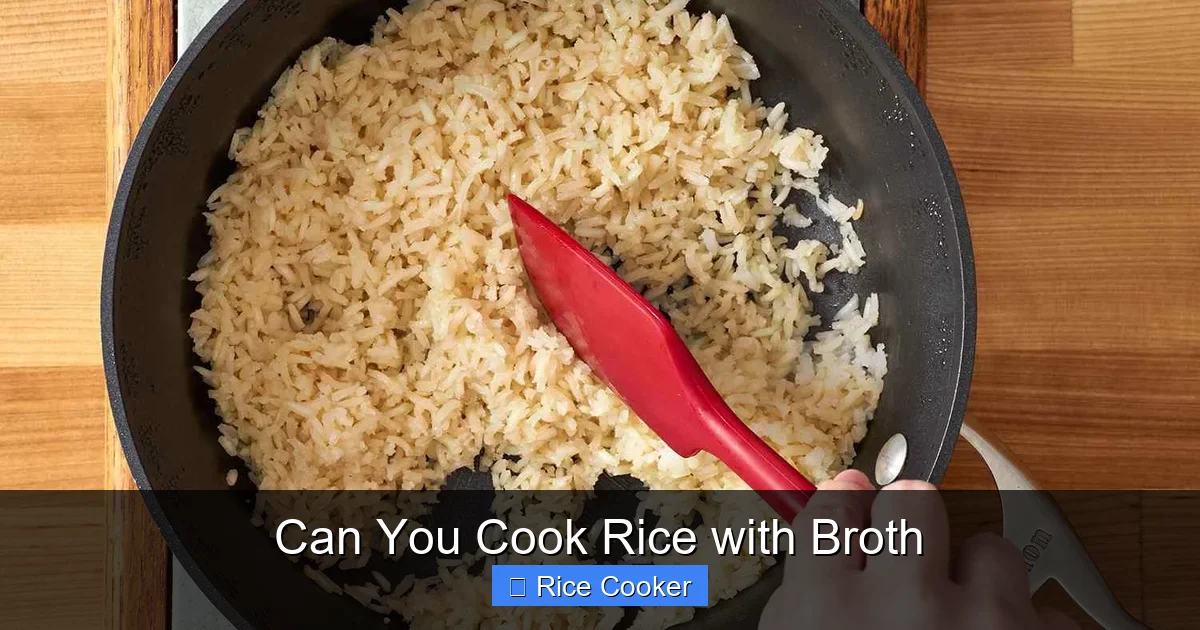
Can you cook rice with broth? Absolutely! Using broth instead of water when cooking rice not only enhances flavor but also adds depth and nutrition. Whether you’re making jasmine rice in a pot or using a rice cooker, swapping water for broth is simple, delicious, and perfect for soups, stews, or side dishes. This method works with most types of rice and delivers a more savory, aromatic result.
Key Takeaways
- Broth adds rich flavor: Cooking rice with broth instead of plain water infuses it with savory notes from herbs, vegetables, or proteins.
- Works in any method: You can use broth in a pot, Instant Pot, or rice cooker—no special equipment needed.
- Nutritional boost: Broth contributes vitamins, minerals, and collagen, making your meal more nutritious.
- Best for long-grain rice: Basmati, jasmine, and white long-grain rice absorb liquid well and shine with broth.
- Adjust salt levels: Since broth is often salty, taste before seasoning to avoid over-salting your dish.
- Experiment with flavors: Try chicken, vegetable, or mushroom broth to customize your rice’s taste profile.
- Keep it simple: Use equal parts broth and rice (1:1 ratio), just like with water.
📑 Table of Contents
- Introduction: Why Swap Water for Broth When Cooking Rice?
- Why Use Broth Instead of Water?
- Which Types of Rice Work Best with Broth?
- How to Cook Rice with Broth: Step-by-Step Guide
- Flavor Variations: What Kind of Broth Should You Use?
- Common Mistakes to Avoid When Cooking Rice with Broth
- Creative Recipes: Turn Your Broth-Rice Into a Meal
- Frequently Asked Questions
- Conclusion: Embrace the Flavor Upgrade
Introduction: Why Swap Water for Broth When Cooking Rice?
Cooking rice might seem straightforward—just add water, rice, maybe a pinch of salt, and let it simmer. But what if we told you there’s a way to transform your plain bowl of grains into something deeply flavorful, fragrant, and nourishing? Yes, you guessed it: by using broth instead of water. The question “can you cook rice with broth” isn’t just valid—it’s revolutionary.
Whether you’re a home cook looking to elevate everyday meals or someone who loves experimenting in the kitchen, using broth opens up a world of culinary possibilities. From savory risottos to fragrant biryanis, broth-based rice cooking adds layers of taste that water alone simply can’t match. Plus, it’s incredibly easy. All you need is the right type of rice, a good-quality broth, and your preferred cooking method—be it a stovetop pot, electric rice cooker, or pressure cooker.
In this complete guide, we’ll walk through everything you need to know about cooking rice with broth. We’ll cover which types of rice work best, how to adjust ratios, tips for avoiding mushy results, and even some creative recipe ideas. By the end, you’ll be confident saying yes—not just to the question “can you cook rice with broth,” but to making it a regular part of your kitchen routine.
Why Use Broth Instead of Water?
At first glance, using broth instead of water might seem like a small change, but it makes a world of difference. Water delivers hydration and helps rice cook evenly, but broth brings complexity. Think of it as giving your rice a flavor bath before it even starts absorbing liquid.
Enhanced Flavor Profile
When rice cooks in broth, it soaks up the essence of whatever you’ve simmered it in—whether that’s rich chicken bones, aromatic mushrooms, or slow-cooked vegetables. This infusion creates a more satisfying bite with every spoonful. Imagine serving a plate of jasmine rice next to a creamy soup—your rice doesn’t just sit there; it complements and elevates the entire dish.
Nutritional Benefits
Many broths are made from simmered bones, vegetables, and herbs, which release collagen, vitamins, and minerals during cooking. While rice itself isn’t a powerhouse of nutrition, cooking it in nutrient-rich broth adds subtle health benefits. For example, bone broth contains calcium, magnesium, and amino acids that support joint and gut health. Even store-bought low-sodium vegetable or chicken broth offers a cleaner alternative to plain water with added flavor and minimal sodium.
Mood-Boosting Comfort
There’s something deeply comforting about eating food that tastes like warmth and care. Broth-based rice feels homely, especially on cold days or after a long week. It’s no wonder dishes like pilafs, risotto, and biryanis have stood the test of time—they’re built around the idea of building flavor from the inside out.
Which Types of Rice Work Best with Broth?
Not all rice is created equal when it comes to absorbing liquid and flavor. Some varieties hold up better than others, especially in broth-based preparations. Let’s break down the top contenders:
Long-Grain White Rice
Rice like basmati, jasmine, and American long-grain white rice are excellent choices. They have slender grains that don’t clump easily, even when cooked with extra liquid. Their neutral base makes them perfect for soaking up the nuances of different broths without becoming too heavy.
Brown Rice
While brown rice takes longer to cook, it can absolutely be cooked in broth. Its nutty flavor pairs beautifully with earthy vegetable or mushroom broths. Just remember to soak it beforehand or increase the cooking time slightly to ensure tenderness.
Sushi Rice
Short-grain sushi rice is sticky and clingy—ideal for absorbing liquid deeply. Cook it in seasoned broth (like dashi or miso-based stock) for a flavorful twist on traditional sushi rice. The result? A fragrant, slightly sweet grain that’s perfect for bowls or sushi rolls.
Avoid Short-Grain Varieties for Certain Dishes
While you *can* cook short-grain rice like arborio in broth (great for risotto!), avoid using it for fluffy, separate grains unless you’re aiming for a creamy texture. For everyday side dishes, stick with long-grain options.
How to Cook Rice with Broth: Step-by-Step Guide
Now that we’ve covered why and which rice to use, let’s get practical. Here’s how to cook rice with broth like a pro—no matter your kitchen setup.
Using a Stovetop Pot
Start by rinsing your rice under cold water to remove excess starch. This prevents gummy textures. Then, combine one cup of rinsed rice with one cup of broth (or a mix of broth and water if you want milder flavor). Add a pinch of salt and bring to a boil. Reduce heat to low, cover tightly, and simmer for 18–20 minutes for white rice (25–30 minutes for brown rice). Let it rest off the heat for 5 minutes before fluffing with a fork.
In a Rice Cooker
This is arguably the easiest method. Simply measure your rice and broth using the same ratio (1:1), add a dash of salt, and press “cook.” Most rice cookers automatically switch to warm mode once done, so you don’t have to babysit it. The electric heat distribution ensures even cooking every time.
In an Instant Pot or Pressure Cooker
For hands-off convenience, use the pressure cook setting. Rinse rice, add broth, salt, and a teaspoon of oil to prevent sticking. Seal the lid, set to high pressure for 4 minutes (white rice) or 6 minutes (brown rice), then do a quick release. Natural release works too, but may make the rice softer.
Tips for Perfect Texture
– Don’t lift the lid while cooking—steam escapes and affects timing.
– Use room-temperature broth to avoid shocking the rice.
– Stir once halfway through if using a pot to prevent sticking.
– Always let rice rest after cooking—this allows steam to distribute evenly and finish the process gently.
Flavor Variations: What Kind of Broth Should You Use?
The beauty of cooking rice with broth lies in its versatility. You can tailor the taste to suit your meal. Here are some popular options:
Chicken Broth
Rich and savory, chicken broth pairs wonderfully with white rice. It’s ideal for Asian-inspired dishes, grain bowls, or even fried rice. Opt for low-sodium versions to control salt intake.
Vegetable Broth
Light and refreshing, vegetable broth works great with brown rice or wild rice blends. Load it up with carrots, celery, onions, and thyme for maximum flavor. Great for vegetarian or vegan meals.
Mushroom Broth
Umami lovers rejoice! Mushroom broth adds deep, earthy notes that enhance grain dishes beautifully. Try it with arborio for a mushroom risotto or with jasmine rice for a savory side.
Dashi (Japanese Broth)
Made from kombu seaweed and bonito flakes, dashi is a classic in Japanese cuisine. Cook sushi rice or short-grain white rice in dashi for an authentic, delicate flavor. Finish with a touch of soy sauce or mirin if desired.
Beef Broth
Hearty and robust, beef broth shines with pilafs or with long-grain rice for a rustic dinner. Slow-cooked beef bones yield the richest flavor—but even store-bought versions work in a pinch.
Common Mistakes to Avoid When Cooking Rice with Broth
Even experienced cooks make mistakes. Here’s how to sidestep them and keep your broth-infused rice perfectly fluffy.
Over-Salting
Most broths contain salt, so tasting before adding extra seasoning is crucial. Start with half the amount you’d normally use in water-based rice.
Using Cold Broth
Cold liquid slows down cooking. Warm or room-temperature broth ensures consistent heat transfer and prevents uneven cooking.
Skipping the Resting Period
Resist the urge to fluff immediately after turning off the heat. Letting rice sit for 5 minutes allows moisture to redistribute, yielding separated grains instead of mush.
Not Rinsing the Rice
Unrinsed rice releases excess starch, leading to clumpy, glue-like results—especially problematic in broth, which already has viscosity.
Using Low-Quality Broth
If your broth tastes bland or artificial, your rice will too. Invest in high-quality store brands or make your own at home for the best results.
Creative Recipes: Turn Your Broth-Rice Into a Meal
Ready to put theory into practice? Try these easy, delicious ideas:
Coconut Curry Jasmine Rice
Cook jasmine rice in coconut milk blended with vegetable broth, curry powder, and a squeeze of lime. Serve over roasted vegetables or grilled tofu.
Lemon Herb Chicken Rice Bowl
Simmer chicken thighs in low-sodium chicken broth with garlic, lemon zest, and rosemary. Remove meat, shred, and serve over cooked white rice. Drizzle with olive oil and fresh parsley.
Mushroom & Thyme Brown Rice Pilaf
Sauté sliced mushrooms and shallots in butter, add brown rice, then pour in mushroom broth. Simmer covered until tender. Finish with thyme and a sprinkle of Parmesan.
Spicy Tomato Basil Grain Salad
Cook farro or quinoa in vegetable broth infused with crushed tomatoes, garlic, and red pepper flakes. Mix in chopped basil and serve chilled or warm.
Beef & Barley Risotto
Use beef broth instead of water when cooking arborio rice. Stir frequently and add broth gradually for a creamy, luxurious texture. Top with grated Parmesan and chives.
Frequently Asked Questions
Can I use broth instead of water in a rice cooker?
Absolutely! Most rice cookers work perfectly with broth. Just follow the same 1:1 ratio as you would with water. The appliance handles the rest, delivering consistently fluffy results every time.
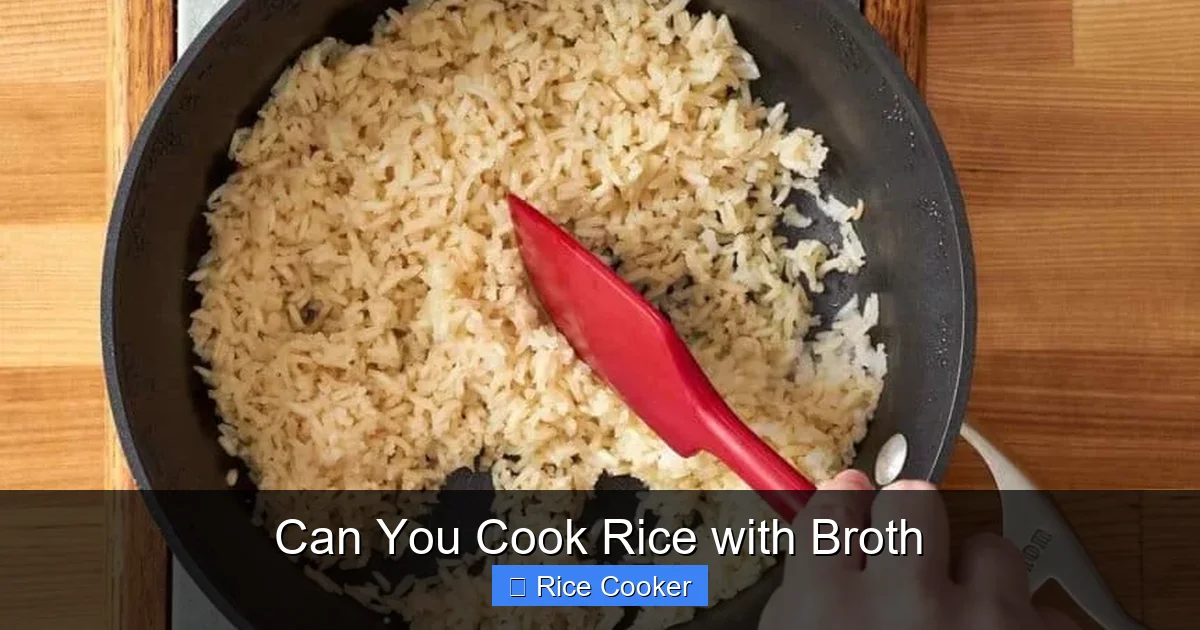
Visual guide about Can You Cook Rice with Broth
Image source: terraskitchen.com
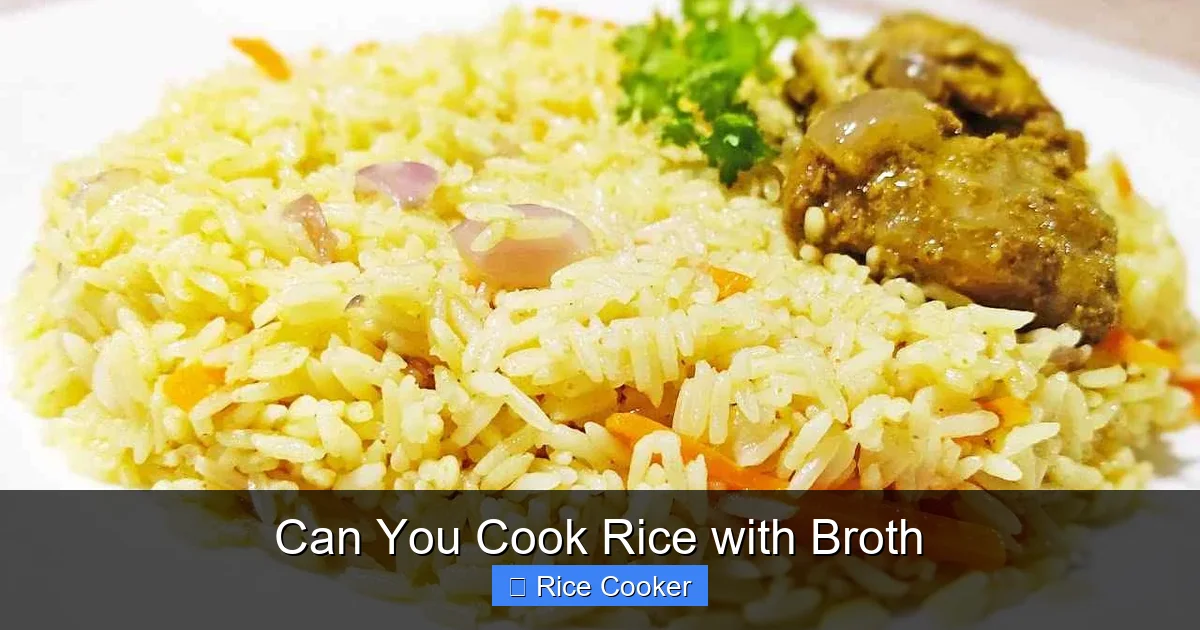
Visual guide about Can You Cook Rice with Broth
Image source: terraskitchen.com
Will cooking rice in broth make it salty?
Not necessarily—if you choose low-sodium broth and taste before adding extra salt. Many people find broth-based rice has balanced flavor without needing much seasoning at all.
Can I mix broth and water?
Yes! If you want a milder flavor or are cooking a delicate rice like sushi, try a 50/50 mix of broth and water. This softens the intensity while still adding depth.
Does broth change how long rice takes to cook?
Generally, no. Broth behaves similarly to water in terms of boiling point and absorption rate. However, if broth is thicker (like bone broth), it may require slightly less time. Stick to standard timers unless testing indicates otherwise.
Is it healthier to cook rice in broth?
Yes, especially if you use homemade or low-sodium broths rich in vegetables, herbs, or bones. You gain additional nutrients without significantly increasing calories or fat.
Can I freeze leftover broth rice?
Definitely! Let it cool completely, portion into containers, and freeze for up to 3 months. Reheat gently on the stove with a splash of broth or water to revive moisture.
Conclusion: Embrace the Flavor Upgrade
So, can you cook rice with broth? Not only can you—you should. It’s simple, delicious, and transforms an ordinary grain into something extraordinary. Whether you’re feeding a family, meal-prepping for the week, or impressing guests with restaurant-quality sides, cooking rice with broth is a game-changer.
From choosing the right rice variety to mastering the technique across different appliances, this method fits seamlessly into any cooking style. And the best part? It requires nothing more than a little curiosity and a good stockpot (or rice cooker).
Next time you’re prepping dinner, skip the plain water. Reach for that carton of homemade vegetable broth or open a box of artisanal chicken stock. Your taste buds—and your whole meal—will thank you. After all, why settle for good when you can have unforgettable?
Frequently Asked Questions
Can I use broth instead of water in a rice cooker?
Absolutely! Most rice cookers work perfectly with broth. Just follow the same 1:1 ratio as you would with water. The appliance handles the rest, delivering consistently fluffy results every time.
Will cooking rice in broth make it salty?
Not necessarily—if you choose low-sodium broth and taste before adding extra salt. Many people find broth-based rice has balanced flavor without needing much seasoning at all.
Can I mix broth and water?
Yes! If you want a milder flavor or are cooking a delicate rice like sushi, try a 50/50 mix of broth and water. This softens the intensity while still adding depth.
Does broth change how long rice takes to cook?
Generally, no. Broth behaves similarly to water in terms of boiling point and absorption rate. However, if broth is thicker (like bone broth), it may require slightly less time. Stick to standard timers unless testing indicates otherwise.
Is it healthier to cook rice in broth?
Yes, especially if you use homemade or low-sodium broths rich in vegetables, herbs, or bones. You gain additional nutrients without significantly increasing calories or fat.
Can I freeze leftover broth rice?
Definitely! Let it cool completely, portion into containers, and freeze for up to 3 months. Reheat gently on the stove with a splash of broth or water to revive moisture.