

Can you cook rice with butter instead of oil? Absolutely! Butter adds rich flavor and a slightly nutty aroma to your rice, making it a delicious alternative to oil. While the cooking method remains mostly the same, using butter requires a few adjustments to prevent burning and achieve fluffy grains. With the right technique, butter can elevate your rice from plain to gourmet in just minutes.
Key Takeaways
- Flavor Boost: Butter imparts a rich, creamy taste that enhances the overall flavor profile of your rice.
- Texture Consideration: Rice cooked with butter may have a softer, more tender texture compared to oil-cooked versions.
- Cooking Adjustments: Reduce heat slightly and stir occasionally to prevent the butter from burning.
- Safety Note: Use unsalted butter for better control over salt content in your dish.
- Versatility: This method works well with white, brown, jasmine, or basmati rice.
- Health Impact: Butter adds saturated fats, so moderation is key if you’re watching your fat intake.
- Equipment Friendly: Works perfectly in pots, rice cookers, and even electric pressure cookers.
Have you ever wondered whether you can swap oil for butter when cooking rice? The short answer is yes, you absolutely can—and doing so might just transform your everyday side dish into something extraordinary. While most recipes call for vegetable oil or another neutral-flavored oil, butter brings warmth, richness, and a subtle golden hue that can elevate your meal. Whether you’re preparing a simple weeknight dinner or aiming to impress guests at a dinner party, using butter instead of oil offers both culinary creativity and comfort.
But before you reach for your favorite pat of butter, there are a few things to consider. Cooking rice with butter isn’t as straightforward as pouring in a spoonful and walking away. Unlike oil, which heats quickly and evenly without residue, butter has a lower smoke point and contains milk solids that can burn if overheated. That means timing, temperature control, and maybe even a little stirring are essential to achieving perfectly fluffy, non-sticky rice every time. Don’t worry—once you master these basics, you’ll wonder why you ever used anything else!
In this article, we’ll walk through everything you need to know about cooking rice with butter: from understanding how it affects flavor and texture to step-by-step instructions for different types of rice and kitchen tools. You’ll also learn pro tips for avoiding common pitfalls like burnt butter or mushy grains. So grab your measuring cup, fire up your stove (or rice cooker), and let’s dive into the delicious world of buttery rice!
Key Takeaways
- Understanding can you cook rice with butter instead of oil: Provides essential knowledge
📑 Table of Contents
- Understanding the Basics: Why Swap Oil for Butter?
- Step-by-Step Guide: How to Cook Rice with Butter
- Butter vs. Oil: What’s the Difference in Taste and Texture?
- Tips for Perfect Buttery Rice Every Time
- Can You Use Butter in a Rice Cooker?
- Common Mistakes to Avoid
- Health Considerations: Is Butter Safe?
- Creative Ways to Serve Buttery Rice
- Conclusion: Embrace the Richness of Buttery Rice
Understanding the Basics: Why Swap Oil for Butter?
When it comes to cooking rice, the liquid fat you use plays more than just a functional role—it influences aroma, mouthfeel, and even how the grains absorb moisture. Traditionally, oils like vegetable, canola, or sunflower are preferred because they have high smoke points, meaning they won’t break down or burn easily during the initial sautéing phase. They’re also odorless and tasteless, allowing the natural flavors of the rice and any accompanying ingredients to shine.
Butter, on the other hand, is a whole different story. Made from churned cream, it contains water, milk proteins, and fat—all of which contribute to its signature golden color, nutty aroma, and creamy richness. When heated properly, butter develops a beautiful golden-brown crust known as the Maillard reaction, adding depth and complexity to your dish. However, those same milk solids can scorch quickly if the heat is too high or the pan isn’t monitored closely.
So why choose butter over oil? Many home cooks opt for it because of the enhanced flavor it delivers. A small amount of butter can make plain steamed rice taste luxurious, especially when paired with herbs, garlic, or a sprinkle of Parmesan cheese afterward. It’s also a great option for dishes where you want a hint of indulgence—think creamy risotto-inspired textures or fragrant pilafs with caramelized onions.
That said, butter does come with trade-offs. For one, it’s higher in saturated fat than most plant-based oils, so portion control matters if you’re mindful of your diet. Additionally, because butter melts and coats grains differently than oil, you might notice subtle changes in texture—more tenderness, perhaps, or a slightly stickier consistency if not stirred enough.
Ultimately, whether to use butter depends on your goals. If you’re after maximum flavor and don’t mind a bit more hands-on cooking, butter is an excellent choice. Just be prepared to adjust your technique accordingly.
Step-by-Step Guide: How to Cook Rice with Butter
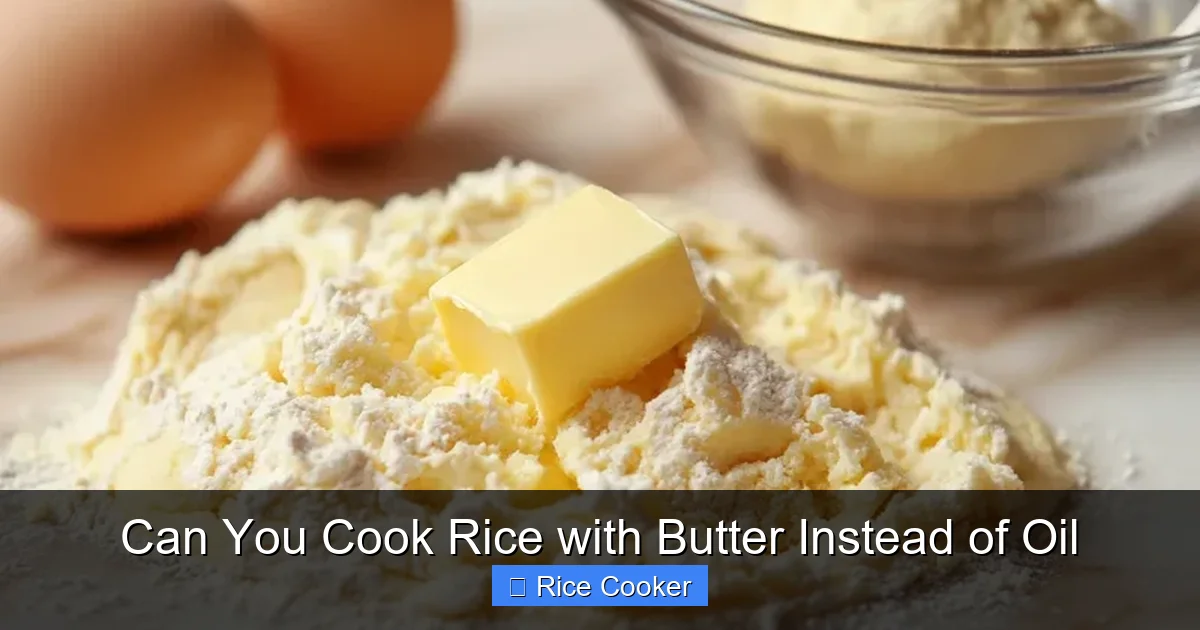
Visual guide about Can You Cook Rice with Butter Instead of Oil
Image source: cookingtastes.com
Ready to try cooking rice with butter? Follow this foolproof method for consistent, delicious results:
Gather Your Ingredients and Tools
You’ll need:
– 1 cup long-grain rice (white or brown)
– 2 cups water (adjust for brown rice—see below)
– 1 tablespoon unsalted butter (melted or softened)
– Salt to taste
– A medium-sized pot with a tight-fitting lid
– Wooden spoon or spatula
Using unsalted butter gives you full control over the seasoning, so avoid salted varieties unless you plan to adjust the added salt later.
Measure and Rinse the Rice
Start by rinsing your rice under cold running water until the water runs clear. This removes excess starch, preventing clumping and ensuring each grain stays separate. For every 1 cup of rice, aim for about 2 cups of water if using white rice; increase to 2.5 cups for brown rice, which takes longer to cook and absorbs more liquid.
Heat the Butter Gently
Place your pot over medium heat and add the butter. Let it melt slowly—don’t rush this step. Once fully melted and slightly foamy (but not smoking), add the rinsed rice and stir gently to coat each grain evenly. Browning the butter too much will ruin the flavor, so keep an eye on it.
Add Water and Bring to Boil
Pour in the measured water, then add a pinch of salt. Stir once more, bring the mixture to a rolling boil, cover the pot tightly, and reduce the heat to low. Simmer undisturbed for 18–20 minutes (white rice) or 40–45 minutes (brown rice). Resist the urge to lift the lid—peeking releases steam and can lead to uneven cooking.
Rest and Fluff
After the timer goes off, turn off the heat and let the rice sit, covered, for 5–10 minutes. Then fluff gently with a fork to separate the grains. Serve hot as a side dish or base for curries, stir-fries, or stuffed peppers.
Pro Tip: For extra flavor, toast your rice in the butter for 1–2 minutes before adding water. This adds a toasty, nutty note reminiscent of pilafs.
Butter vs. Oil: What’s the Difference in Taste and Texture?
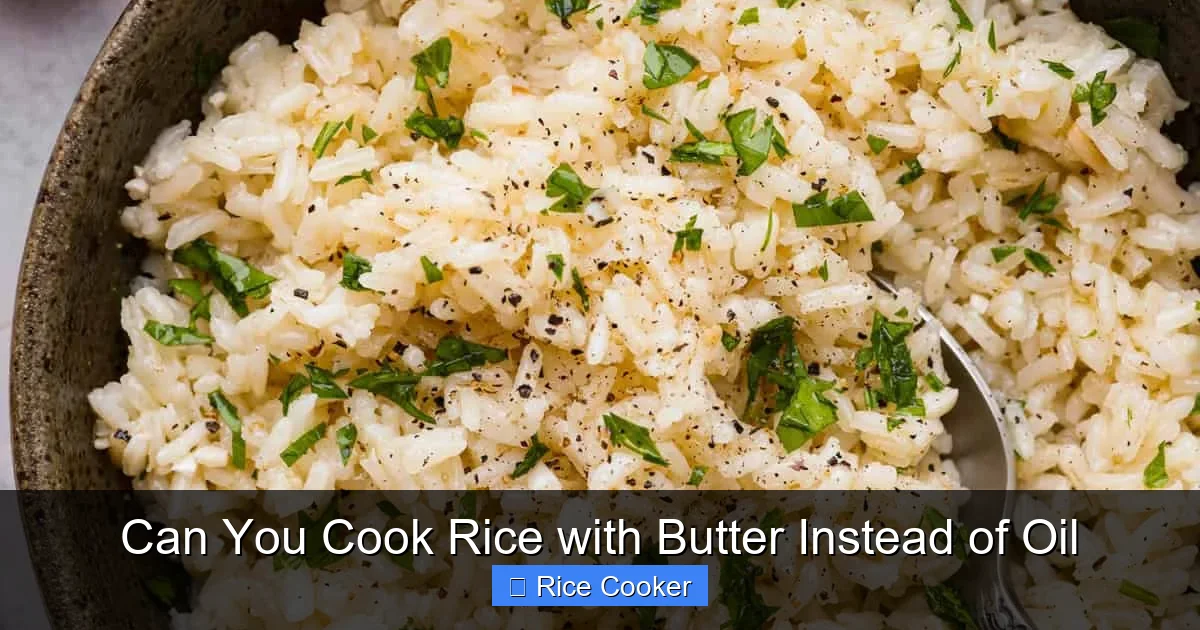
Visual guide about Can You Cook Rice with Butter Instead of Oil
Image source: therecipecritic.com
While both butter and oil can cook rice successfully, they deliver distinctly different experiences. Oil tends to produce lighter, cleaner-tasting rice—ideal when you want the dish to highlight other ingredients like vegetables, meat, or spices. Its neutral profile lets the main flavors take center stage.
Butter, however, introduces layers of flavor. Even a small amount leaves behind a delicate golden hue and a warm, aromatic scent. Some describe the taste as slightly sweet or nutty, especially if the butter was lightly browned. This makes it ideal for pairing with earthy mushrooms, roasted garlic, or a drizzle of honey.
Texture-wise, rice cooked in oil usually turns out fluffier and less sticky. Butter, being thicker and containing emulsified milk solids, can create a creamier consistency—especially noticeable in shorter-grain varieties like arborio (used for risotto). However, with proper stirring and timing, even long-grain rice can achieve separation without gumminess.
One common misconception is that butter makes rice greasy. In reality, it’s all about technique. Using too much butter or letting it burn is what leads to a heavy, unpleasant texture. Stick to 1 tablespoon per cup of rice, and always monitor the heat.
Tips for Perfect Buttery Rice Every Time
Even seasoned cooks can struggle with rice from time to time—but following these expert tips will help you avoid mistakes and get consistently great results:
Use Unsalted Butter
Salted butter contains added sodium, which can throw off the balance of your dish. Unsalted butter allows you to control exactly how much salt goes into your rice.
Don’t Skip Rinsing
Rinsing removes surface starch that causes clumping. Even if you’re in a hurry, try to rinse your rice—it’s worth the extra minute.
Control the Heat
Butter burns faster than oil, so keep the heat low to medium-low after melting. If the butter starts to sizzle violently or smell bitter, remove the pot from heat immediately and start over.
Stir Once at the Beginning
Coating the rice in butter at the start ensures even distribution. After that, avoid constant stirring—rice needs to simmer undisturbed to cook evenly.
Let It Rest
Residual heat finishes cooking the rice while allowing steam to redistribute moisture. Skipping this step often results in dry or undercooked centers.
Adjust Water Ratio Slightly
Because butter holds some moisture, you may find you need slightly less water than usual. Start with the standard ratio and add more only if needed.
Experiment with Flavors
Add a bay leaf, crushed peppercorns, or a splash of broth along with the butter for extra depth. You can also finish the rice with a knob of butter and a handful of chopped parsley for brightness.
Can You Use Butter in a Rice Cooker?
Yes! Most modern rice cookers allow you to add butter directly into the inner pot before starting the cycle. Here’s how:
1. Add rinsed rice and butter to the inner pot.
2. Pour in the appropriate amount of water (check your rice cooker manual for ratios).
3. Close the lid and select the “White Rice” or “Normal” setting.
4. Wait for the cooker to switch to “Keep Warm” mode.
5. Rest the rice for 5–10 minutes before fluffing.
Note: Some rice cookers have auto-shutoff features that prevent burning, but always monitor the first few times you use butter. Electric models tend to retain heat better than stovetop methods, so be cautious with browning.
If your rice cooker doesn’t have a sauté function, you can still add butter—just mix it in after the rice is fully cooked and the machine is in keep-warm mode. This avoids the risk of burning during the cooking phase.
Common Mistakes to Avoid
Even with the best intentions, things can go wrong when cooking rice with butter. Here are the most frequent errors and how to fix them:
Burned Butter
This happens when the heat is too high or the butter isn’t monitored. Fix: Use medium-low heat and stir constantly for the first minute after melting.
Mushy or Sticky Rice
Caused by overcooking, insufficient rinsing, or not letting the rice rest. Fix: Stick to the recommended cook time and always drain any excess water before serving.
Underseasoned Dish
Butter can mask subtle flavors, so don’t forget to salt your rice. Add a generous pinch when boiling the water.
Using Too Much Butter
Too much butter creates a greasy, heavy texture. Fix: Stick to 1 tbsp per cup of rice.
Not Covering the Pot
Uncovered rice loses moisture and becomes dry. Always use a tight-fitting lid.
By keeping these pitfalls in mind, you’ll be well on your way to mastering buttery rice.
Health Considerations: Is Butter Safe?
Butter is a dairy product rich in saturated fat, which has been linked to increased LDL cholesterol levels when consumed excessively. Health organizations generally recommend limiting saturated fat intake to less than 10% of daily calories. One tablespoon of butter contains about 7 grams of fat, including 4.5 grams of saturated fat.
However, butter also provides small amounts of vitamins A, D, E, and K, as well as conjugated linoleic acid (CLA), which some studies suggest may support immune function and muscle growth. Moderation is key—using butter sparingly for flavor enhancement rather than as a primary cooking fat aligns with balanced nutrition guidelines.
For those following a low-fat or heart-healthy diet, alternatives like olive oil or avocado oil offer similar culinary benefits with less saturated fat. But if you enjoy the taste and aren’t overdoing it, a little butter now and then is perfectly fine.
Creative Ways to Serve Buttery Rice
Once you’ve mastered the basics, the possibilities are endless. Here are a few inspired ideas to take your buttery rice to the next level:
– **Garlic Herb Rice:** Sauté minced garlic in butter before adding rice. Finish with fresh thyme, rosemary, or parsley.
– **Cheesy Cauliflower Rice:** Mix in grated Parmesan and a handful of steamed cauliflower florets for a low-carb twist.
– **Spiced Pilaf:** Toast cumin, coriander, and cinnamon in butter with onions and carrots before adding rice.
– **Lemon Butter Rice:** Stir in lemon zest and a knob of cold butter at the end for a burst of citrus.
– **Saffron Rice:** Infuse water with saffron threads and simmer with rice and butter for a luxurious side dish.
These variations showcase how butter acts as a flavor carrier, absorbing and distributing aromatics beautifully.
Conclusion: Embrace the Richness of Buttery Rice
Cooking rice with butter instead of oil is not only possible—it’s delicious. While it requires a bit more attention than using oil, the payoff in flavor and aroma is undeniable. From savory pilafs to aromatic side dishes, butter adds a comforting richness that elevates any meal.
Remember, success hinges on gentle heat, proper technique, and a willingness to experiment. Whether you’re using a traditional pot, a rice cooker, or an electric pressure cooker, butter can adapt to your preferred method with minor tweaks.
So the next time you open your pantry, don’t overlook that tub of butter. Grab it, measure it carefully, and watch as your ordinary bowl of rice transforms into something truly special. After all, sometimes the simplest ingredient—when used with care—can make all the difference.
Frequently Asked Questions
Can I use margarine instead of butter for cooking rice?
Yes, but margarine has a higher water content and may result in a slightly different texture. It also lacks the rich flavor of real butter. For best results, stick to unsalted butter.
How much butter should I use per cup of rice?
A good rule of thumb is 1 tablespoon of butter per 1 cup of uncooked rice. This provides enough flavor without making the dish overly greasy.
Will butter make my rice greasy?
Only if too much butter is used or it’s allowed to burn. Using the right amount and controlling the heat prevents greasiness and ensures fluffy, well-coated grains.
Can I cook brown rice with butter?
Absolutely! Brown rice takes longer to cook, so increase the water ratio slightly (about 2.5 cups per 1 cup rice) and extend the simmer time to 40–45 minutes.
Do I need to preheat the pan before adding butter?
No, but heating the empty pan briefly helps distribute heat evenly. Just make sure it’s not smoking before adding melted butter and rice.
Is it okay to add butter after the rice is already cooked?
Yes! Adding a small knob of butter to finished rice while it rests creates a creamy finish. This is commonly done in European-style dishes.