
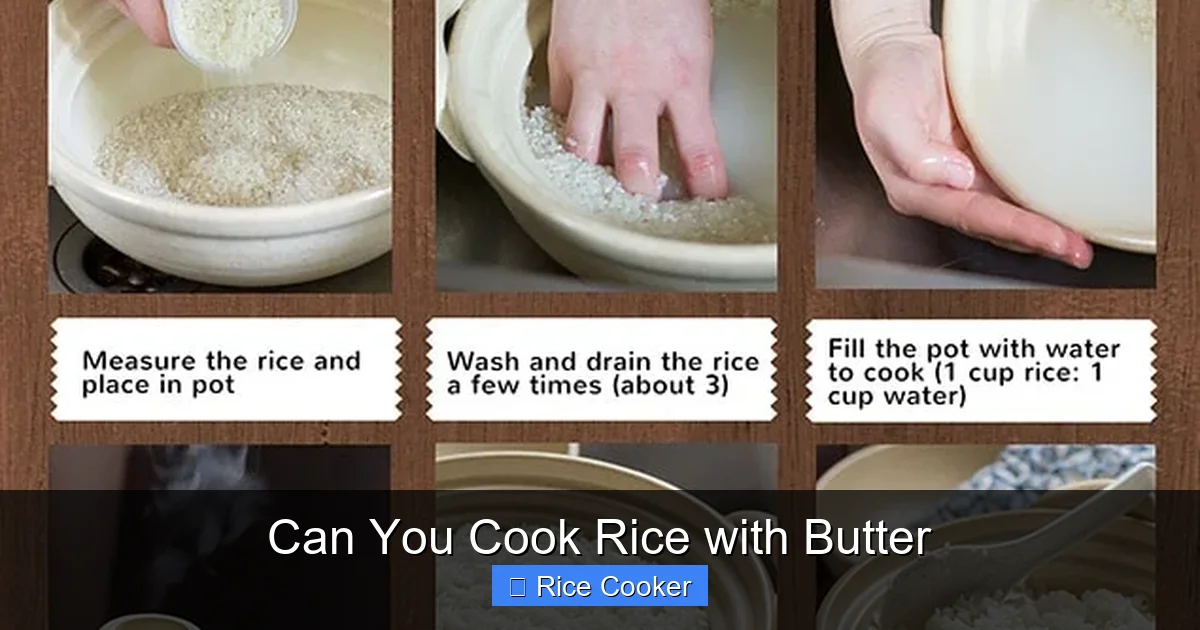
Can you cook rice with butter? Absolutely—and it’s a delicious twist on the classic method. While traditional rice recipes call for water or broth, adding butter during cooking enhances flavor, creates a richer texture, and works beautifully in creamy rice dishes. This method is especially useful for risotto, pilafs, and even fried rice.
Key Takeaways
- Yes, you can cook rice with butter: Butter adds richness and depth of flavor compared to plain water or broth.
- Best for certain rice types: Ideal for long-grain varieties like basmati or jasmine, and especially effective in creamy rice dishes.
- Flavor enhancement: Butter introduces a subtle nuttiness that complements spices and herbs perfectly.
- Texture benefits: The fat in butter helps create a softer, more tender grain without overcooking.
- Simple technique: Sauté rice in butter first, then add liquid and cook as usual—no special equipment needed.
- Perfect pairings: Great with garlic, onions, cheese, herbs, and proteins like chicken or shrimp.
- Safety note: Use unsalted butter if you want full control over salt levels in your dish.
📑 Table of Contents
- Can You Cook Rice with Butter? Yes — And It Might Be Your New Favorite Way!
- Why Use Butter When Cooking Rice?
- Which Types of Rice Work Best with Butter?
- How to Cook Rice with Butter — Step by Step
- Delicious Recipes Using Butter-Cooked Rice
- Common Mistakes to Avoid
- Butter vs. Other Cooking Fats — What’s the Difference?
- Health Considerations and Nutritional Impact
- Tips for Perfect Butter-Cooked Rice Every Time
- Final Thoughts: Butter Makes Rice Better—But Only If Done Right
Can You Cook Rice with Butter? Yes — And It Might Be Your New Favorite Way!
Imagine serving a bowl of rice so flavorful, creamy, and aromatic that everyone at the table asks for seconds. Now imagine that rice was cooked not with plain water or bland broth, but with butter. Sounds indulgent? Absolutely. But also delicious? Without a doubt.
So, can you cook rice with butter? The short answer is yes — and the longer answer is even more exciting. Cooking rice with butter isn’t just possible; it’s a culinary technique that elevates simple grains into something extraordinary. Whether you’re making a fluffy basmati pilaf, a golden fried rice, or a luxurious risotto-style dish, butter brings warmth, richness, and complexity that water simply can’t match.
In this comprehensive guide, we’ll walk through everything you need to know about cooking rice with butter—from why it works so well to step-by-step instructions, recipe ideas, and even pro tips for perfect results every time. By the end, you’ll be ready to ditch the plain old pot of water and upgrade your rice game forever.
Why Use Butter When Cooking Rice?
At first glance, using butter in rice might seem unnecessary—after all, rice is a staple food that doesn’t require fancy ingredients. But butter does more than just add calories. It transforms the entire character of the dish.
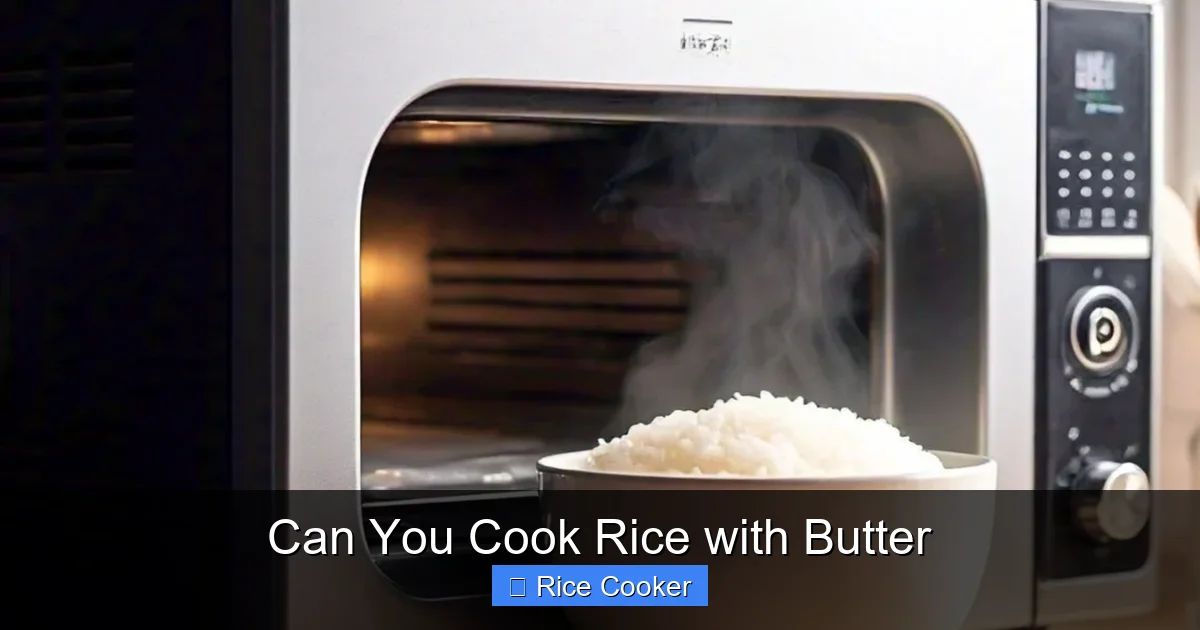
Visual guide about Can You Cook Rice with Butter
Image source: canyoumicrowavewiki.com
The Flavor Boost
Water and broth are functional, but they don’t contribute much in the way of taste. Butter, on the other hand, introduces a rich, savory depth right from the start. When you sauté rice grains in butter, they absorb that golden-brown flavor and slight nuttiness, creating a foundation that makes each bite taste more intentional and satisfying.
This is especially noticeable in long-grain rice varieties like basmati or jasmine. These grains are naturally light and slightly fragrant, and when paired with butter, they become even more aromatic and flavorful. Think of it like seasoning before cooking—you’re building layers of taste that develop over time.
Creamy Texture Without Extra Effort
Butter contains milk solids that melt and coat each rice grain as it cooks. This creates a soft, slightly glossy finish that mimics the creaminess of risotto—even if you’re using regular rice and a regular pan. The result? A comforting, almost velvety mouthfeel that feels luxurious without requiring constant stirring or special techniques.
This is particularly useful if you’re making a one-pot meal or want to keep things simple. No need for heavy cream or cheese at the end—just a little butter at the beginning gives you that indulgent texture naturally.
Enhanced Aromatics and Visual Appeal
When butter hits the hot pan, it releases its natural oils and begins to sizzle. This is the perfect opportunity to add garlic, onions, ginger, or other aromatics. As they cook in the butter, their flavors infuse directly into the rice, creating a deeply layered base.
Plus, the golden hue that butter gives to rice looks incredibly appetizing. Instead of dull, pale grains, your rice becomes visibly richer and more inviting—something that makes home-cooked meals feel special.
Which Types of Rice Work Best with Butter?
Not all rice is created equal when it comes to cooking with butter. Some varieties absorb fat better than others, and some benefit more from the added richness. Here’s what to look for:
Visual guide about Can You Cook Rice with Butter
Image source: storables.com
Long-Grain Rices (Basmati, Jasmine, American)
These are your best bets. Their elongated shape and slightly separate grain structure allow them to soak up butter without becoming mushy. Basmati, in particular, has a delicate floral aroma that pairs beautifully with the mild sweetness of butter.
Try this: Cook jasmine rice in butter and a splash of coconut milk for an exotic Thai-inspired side dish. Or use basmati with saffron-infused butter for a Middle Eastern-inspired feast.
Medium-Grain Rices (Calrose, Bomba)
These have more starch than long-grain types, which means they can get stickier. However, they still work well with butter—especially if you rinse them first to remove excess surface starch. Medium-grain rice is excellent for dishes where you want a bit more chew, like paella or Spanish-style rice.
Short-Grain Rices (Sushi Rice, Glutinous Rice)
These are starchier and more adhesive, so they tend to clump when cooked with butter. That said, if you’re making sticky rice desserts (like mango sticky rice), butter can add richness and prevent dryness. Just be careful not to overdo it—these varieties usually rely on their natural stickiness rather than added fats.
Avoid Instant or Pre-Cooked Rice
These are already processed and meant to be rehydrated quickly. Adding butter won’t improve their texture or flavor significantly, and they may become too soft or greasy.
How to Cook Rice with Butter — Step by Step
You don’t need a fancy rice cooker or special technique to cook rice with butter. In fact, the process is simpler than you think. Follow these steps for foolproof results:
Step 1: Choose Your Rice and Measure Accurately
Use a clean measuring cup to measure your rice. A general rule is 1 cup of uncooked rice per 2 cups of liquid. If you’re using butter, you can reduce the liquid slightly since butter adds moisture.
Step 2: Rinse the Rice (Optional but Recommended)
Rinsing removes excess starch, preventing clumping and ensuring fluffier grains. Place rice in a fine-mesh strainer and rinse under cold running water until the water runs clear.
Step 3: Heat the Pan and Add Butter
Use a medium saucepan with a tight-fitting lid. Melt 1–2 tablespoons of butter over medium heat. If you want extra flavor, use half butter and half oil (like olive or avocado oil) to prevent burning.
Step 4: Toast the Rice in Butter
Add rinsed rice to the pan and stir gently for 1–2 minutes until grains are coated and begin to smell nutty. This toasting step is crucial—it develops flavor and prevents mushiness later.
Step 5: Add Liquid and Seasonings
Pour in water, broth, or a mix of both. For every 1 cup of rice, use 1.5 to 2 cups of liquid. Add salt, pepper, or herbs now. Bring to a boil.
Step 6: Simmer Covered
Reduce heat to low, cover the pan tightly, and simmer for 18–20 minutes (long-grain rice). Don’t peek—this keeps steam inside and ensures even cooking.
Step 7: Let It Rest
Turn off the heat and let the rice sit covered for 5–10 minutes. This allows residual steam to finish cooking the grains evenly and makes fluffing easier.
Step 8: Fluff and Serve
Use a fork to gently fluff the rice, separating any clumps. Serve immediately while warm.
Delicious Recipes Using Butter-Cooked Rice
Now that you know how to do it, let’s talk about how to use this technique in real meals. Here are three crowd-pleasing ideas:
Golden Garlic Butter Rice Pilaf
Start by melting 3 tablespoons of butter in a pan. Add 1 diced onion and 3 minced garlic cloves. Sauté until soft. Add 1 cup basmati rice and stir for 2 minutes. Pour in 2 cups chicken or vegetable broth and bring to a boil. Reduce heat, cover, and simmer for 18 minutes. Stir in chopped parsley before serving.
Cheesy Herb Butter Rice Bake
Cook 1 cup jasmine rice in 2 cups milk and 1 tablespoon butter until tender. Mix in ½ cup shredded cheddar, 2 tbsp chopped chives, and a pinch of black pepper. Transfer to a baking dish, top with extra cheese, and broil for 2–3 minutes until bubbly and golden.
Spicy Coconut Butter Fried Rice
Heat 2 tbsp butter in a wok or large skillet. Add 1 cup cooked chilled rice and stir-fry for 3 minutes. Toss in 1 tbsp coconut oil, 1 diced green chili, and 2 tbsp soy sauce. Cook until heated through. Garnish with lime juice and crushed peanuts.
Common Mistakes to Avoid
Even with the right technique, mistakes can happen. Here are the most common pitfalls—and how to fix them:
- Using too much butter: While butter adds flavor, too much can make rice greasy. Stick to 1–2 tablespoons per cup of rice.
- Not rinsing the rice: Skipping this step leads to gummy, clumpy rice—especially with high-starch varieties.
- Peeking during cooking: Every time you lift the lid, steam escapes, which can dry out the rice or make it unevenly cooked.
- Using cold butter: Cold butter doesn’t melt properly and can create uneven heating. Always use softened or melted butter.
- Overcooking after resting: Rice continues to cook slightly during the rest period. If it’s still wet after 10 minutes, turn off the heat completely—don’t keep it on.
Butter vs. Other Cooking Fats — What’s the Difference?
Butter isn’t the only fat you can use when cooking rice. Let’s compare it to alternatives:
Butter
Pros: Rich flavor, melts easily, enhances aroma. Cons: Lower smoke point than oils, can burn if overheated.
Olive Oil
Pros: High smoke point, healthy fats, great for Mediterranean dishes. Cons: Can dominate flavor if used alone.
Vegan Butter or Margarine
Pros: Dairy-free option. Cons: May lack depth of flavor and contain additives.
Clarified Butter (Ghee)
Pros: Burn-resistant, nutty flavor, no milk solids to separate. Cons: Less creamy texture than regular butter.
For maximum flavor and ease, many chefs recommend starting with butter and finishing with a drizzle of olive oil. That way, you get the best of both worlds—richness and stability.
Health Considerations and Nutritional Impact
Let’s address the elephant in the room: Is cooking rice with butter bad for you?
The short answer? Moderation is key. One or two tablespoons of butter per batch of rice adds about 100–120 calories and a modest amount of saturated fat. That’s fine for most people—especially if you’re cooking for family or enjoying it as part of a balanced meal.
If you’re watching your fat intake, consider using half butter and half broth or water. Or opt for plant-based butter alternatives made from olive oil or avocado oil.
On the positive side, the fat in butter helps your body absorb fat-soluble vitamins (like A, D, E, and K) found in vegetables served alongside the rice—a nutritional bonus you don’t get from plain water-cooked rice.
Tips for Perfect Butter-Cooked Rice Every Time
Want consistent, restaurant-quality results? Try these pro tips:
- Use unsalted butter: This lets you control the salt level precisely.
- Toast slowly: Don’t rush the initial sauté—patience builds better flavor.
- Pre-warm your liquid: Cold broth can slow down cooking. Warm it slightly before adding.
- Don’t skip the rest: Even 5 minutes makes a big difference in texture.
- Store leftovers properly: Cool completely before refrigerating. Reheat with a splash of water or broth to revive moisture.
Final Thoughts: Butter Makes Rice Better—But Only If Done Right
So, can you cook rice with butter? Yes. Will it change your life? Maybe not literally—but it will definitely change your meals. From everyday sides to impressive dinner parties, butter-cooked rice brings warmth, richness, and flavor that elevate any dish.
It’s not about replacing water entirely—it’s about enhancing. Butter doesn’t just cook rice; it seasons it, scents it, and turns a humble ingredient into something memorable. Whether you’re making a quick weeknight dinner or preparing a special occasion meal, this simple swap can make all the difference.
Give it a try tonight. Start with a basic pilaf, add some garlic and herbs, and see how much better it tastes than plain rice. You might never go back.
Frequently Asked Questions
Can you cook white rice with butter?
Yes, white rice works very well with butter. Long-grain whites like jasmine or basmati absorb the butter nicely and become fluffier and more flavorful. Just remember to rinse them first to avoid stickiness.
Does cooking rice with butter make it creamier?
Indirectly, yes. Butter coats each grain with a thin layer of fat, giving rice a soft, slightly glossy texture that feels rich—similar to cream but achieved without heavy dairy.
Should I use salted or unsalted butter for rice?
Unsalted is recommended because it lets you control the salt content in your dish. Salted butter can make the rice too salty, especially if you’re using broth that’s already seasoned.
Can I substitute oil for butter when cooking rice?
Absolutely. Olive oil, avocado oil, or even ghee are great substitutes. They offer different flavors and higher smoke points, but won’t provide the same creamy mouthfeel as butter.
Will cooking rice in butter burn easily?
Yes, if the heat is too high or the butter isn’t monitored. To prevent burning, use medium-low heat and consider mixing butter with a small amount of oil for stability.
Is butter-cooked rice healthier than water-cooked rice?
Nutritionally similar, but butter adds healthy fats and aids vitamin absorption. The key is portion control—stick to 1–2 tablespoons per batch to keep it balanced.