
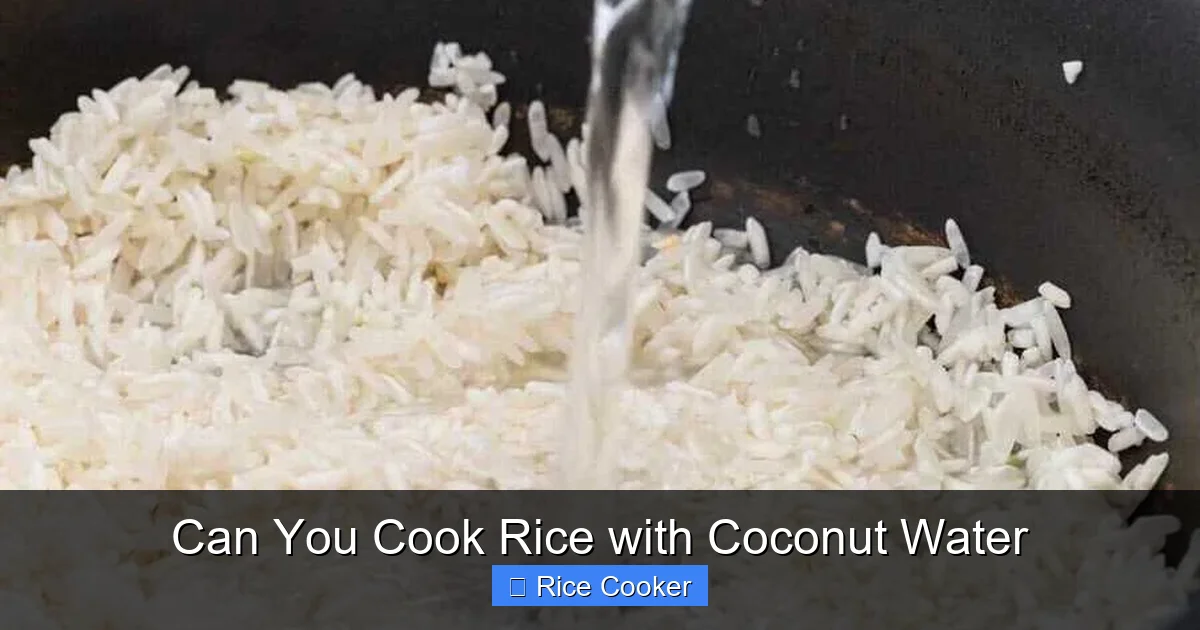
Yes, you can absolutely cook rice with coconut water! This method adds a subtle sweetness, rich aroma, and extra creaminess while boosting your meal’s nutritional profile. It’s simple, healthy, and perfect for those seeking a flavorful alternative to plain water. Whether you’re using a rice cooker or stovetop, coconut water transforms ordinary rice into something extraordinary.
Key Takeaways
- Coconut water is safe and effective: It contains electrolytes and minerals that complement rice, making it a healthier cooking liquid than plain water.
- Enhanced flavor: The natural sweetness and nutty undertones of coconut water add depth to rice without needing extra salt or sugar.
- Nutritional benefits: Cooking with coconut water increases potassium intake and provides hydration-boosting properties.
- Texture improvement: Rice cooked in coconut water becomes fluffier, softer, and more aromatic than traditional rice.
- Versatile application: Works great with jasmine, basmati, brown rice, and even quinoa for diverse dishes.
- Easy preparation: Simply replace half or all of your water with coconut water in standard rice recipes.
- Suitable for dietary needs: Naturally gluten-free and low in fat—ideal for keto, paleo, or plant-based diets.
📑 Table of Contents
- Introduction: A Tropical Twist on Everyday Grains
- Why Choose Coconut Water Over Regular Water?
- How to Cook Rice with Coconut Water: Step-by-Step Guide
- Taste Test: What Does It Actually Taste Like?
- Creative Ways to Serve Coconut Water Rice
- Common Concerns & Myths Debunked
- Tips for Perfect Every Time
- Conclusion: A Simple Swap with Big Rewards
Introduction: A Tropical Twist on Everyday Grains
Rice is one of the most beloved staple foods around the world, whether it’s fluffy white jasmine rice in Thai stir-fries, hearty brown rice bowls in the Mediterranean, or fragrant basmati pilafs served with Indian curries. But what if you could take that classic dish to the next level? Enter coconut water—the clear, slightly sweet liquid from young coconuts that’s celebrated not just for its refreshing taste but also for its impressive health perks. Now, imagine cooking your next pot of rice using this tropical elixir instead of plain water. Sounds intriguing? You’re about to discover why more home cooks are swapping their H₂O for coconut water.
Cooking rice with coconut water isn’t some exotic culinary experiment—it’s a simple swap that yields surprising results. Not only does it infuse the grain with a delicate sweetness and rich aroma, but it also amps up the nutritional value. Think enhanced hydration, added electrolytes like potassium, and a naturally creamy texture that makes every bite feel indulgent yet wholesome. And here’s the best part: it works in any standard rice cooker or on the stovetop, no special equipment required. Whether you’re meal-prepping for the week, hosting guests, or just craving something new, this technique is easy to master and instantly elevates your grain game.
Why Choose Coconut Water Over Regular Water?
Let’s face it—water gets the job done, but it doesn’t bring much personality to the table (or bowl). While plain water hydrates and softens grains, it lacks flavor and nutrients beyond basic hydration. That’s where coconut water shines. Packed with essential electrolytes such as potassium, magnesium, and sodium, it supports muscle function, digestion, and overall wellness. Plus, its subtle sweetness balances out the starchiness of rice, creating a harmonious flavor profile that pairs beautifully with both savory and mildly sweet dishes.

Visual guide about Can You Cook Rice with Coconut Water
Image source: m.media-amazon.com
The Science Behind Flavor Infusion
When rice absorbs liquid during cooking, it soaks up more than just moisture—it takes in flavor compounds too. By substituting coconut water, you introduce natural sugars, trace minerals, and aromatic oils that gently permeate each grain. This infusion process enhances mouthfeel, reduces the need for added fats or seasonings, and delivers a sensory experience that feels luxurious without being overpowering. Studies have shown that using alternative liquids like broth or milk can significantly alter the final texture and taste of grains—so why not try a nutrient-rich option like coconut water?
Nutritional Perks You Didn’t Expect
Beyond taste, coconut water offers tangible health advantages. One cup contains roughly 600 mg of potassium—more than a banana—which helps regulate blood pressure and heart rhythm. It’s also low in calories (about 45 per cup) and contains no cholesterol or saturated fat. When used as a cooking medium, these benefits transfer into your rice, offering a gentle nutritional boost with every serving. For people managing sodium intake or following low-carb diets, opting for unsweetened versions ensures maximum benefit without unwanted additives.
How to Cook Rice with Coconut Water: Step-by-Step Guide
Ready to give it a try? Don’t worry—you don’t need to be a professional chef or own a fancy rice cooker. This method works with any standard kitchen setup and takes less than 30 minutes from prep to plate.
Visual guide about Can You Cook Rice with Coconut Water
Image source: cookingtipsblog.com
Gathering Your Ingredients
- Rice type: Jasmine, basmati, arborio, or brown rice all work well. Brown rice may require longer soaking due to its bran layer.
- Coconut water: Use fresh, BPA-free bottled variety or strain homemade juice from a young green coconut.
- Water: Optional—if the coconut water seems too concentrated, dilute it slightly with plain water.
- Seasoning: A pinch of salt or a splash of lime juice can brighten the flavor.
Basic Ratio Recommendation
A good starting point is replacing half your water with coconut water. For example, if a recipe calls for 2 cups of water, use 1 cup of coconut water + 1 cup of regular water. If you want bolder coconut notes, go all-in with 2 cups of coconut water for every 2 cups of rice. Adjust based on your taste preference and the type of rice—jasmine tends to absorb liquids faster than brown rice, so monitor consistency closely.
Prep Work: Washing and Soaking
Just like with traditional rice, washing removes excess starch and prevents clumping. Rinse until the water runs clear under cool tap flow. For optimal results, soak white rice for 15–20 minutes; brown rice benefits from 30–60 minutes. Soaking softens the outer husk and shortens cooking time, ensuring even absorption of the coconut-infused liquid.
Cooking Methods That Work Best
In a Rice Cooker: Add rinsed rice, coconut water (and optional water), and seasoning. Press “Cook” and let the machine do its magic. Most models automatically switch to warm mode once done—no need to watch the clock!
On the Stovetop: Bring the liquid to a boil in a saucepan, then add rice, reduce heat to low, cover tightly, and simmer according to package instructions (usually 15–20 mins for white rice, 35–40 for brown). Let it rest off-heat for 5 minutes before fluffing.
Taste Test: What Does It Actually Taste Like?
If you’ve never tasted coconut water rice, prepare for a pleasant surprise. The flavor is not overwhelmingly sweet—think more like lightly sugared tea than dessert. There’s a clean, vegetal undertone reminiscent of steamed vegetables with a hint of vanilla, depending on the rice variety. Jasmine rice develops a floral aroma, while basmati leans earthy and nutty. Brown rice retains its nutty character but feels silkier and more moist due to the coconut water’s richness.
Texture-wise, expect a noticeably creamier mouthfeel without any greasiness. Each grain stays distinct yet tender, absorbing just enough liquid to stay light rather than mushy. This makes it ideal for scooping up sauces, pairing with grilled proteins, or serving alongside spicy dishes—the mildness of the rice balances fiery flavors effortlessly.
Creative Ways to Serve Coconut Water Rice
This versatile grain isn’t just a side dish—it’s a blank canvas for global inspiration. Here are a few ideas to spark your imagination:
- Thai Coconut Jasmine Rice Bowl: Top with pan-seared tofu, shredded carrots, cilantro, and a drizzle of tamarind sauce.
- Mediterranean Herb Pilaf: Mix in roasted bell peppers, sun-dried tomatoes, feta crumbles, and fresh dill.
- Indian-Spiced Basmati: Cook with cardamom pods, cinnamon stick, and a bay leaf for authentic flavor.
- Sweet Breakfast Porridge: Stir in mashed banana, chopped nuts, and a touch of maple syrup for a healthy morning treat.
- Vegan Paella Base: Use as the foundation for a colorful vegetable paella with saffron and artichokes.
Pairing Tips for Maximum Flavor
Because coconut water rice has a naturally mild profile, it complements bold spices, tangy condiments, and umami-rich ingredients. Try serving it with:
- Curries (red, green, or massaman)
- Grilled fish or chicken marinated in citrus
- Stir-fries with soy-ginger glaze
- Vegetable skewers brushed with peanut sauce
The key is contrasting textures and temperatures—hot rice against cool salsas, crispy edges from pan-toasting, or chilled fruit on top for balance.
Common Concerns & Myths Debunked
Some people hesitate to try coconut water rice because they worry it might be too sweet, gimmicky, or unsuitable for certain diets. Let’s clear the air:
Myth: “It Will Make Rice Too Sweet”
False. Coconut water has a subtle sweetness that enhances rather than overwhelms. Unlike sugary syrups, it doesn’t coat the tongue—it simply adds nuance. If you prefer less sweetness, reduce the ratio or use filtered water instead.
Myth: “Only People Who Love Tropical Food Should Try It”
Nope! Anyone who enjoys rice will appreciate the upgrade. Even picky eaters often find the result comforting and familiar, just with a little extra zing.
Myth: “Coconut Water Isn’t Healthy Enough to Cook With”
Actually, raw coconut water retains most of its nutrients even after heating. While high heat can degrade some vitamins, the mineral content—especially potassium—remains stable. Plus, you’re getting hydration plus flavor in one step.
Concern: “What If I Don’t Have Fresh Coconut Water?”
No problem! Store-bought versions are widely available in supermarkets. Look for brands labeled “raw” or “unsweetened” to avoid unnecessary sugars. Avoid those with added thickeners or preservatives if possible.
Concern: “Will It Change the Color of Rice?”
Minimal change occurs—rice may appear slightly paler or milky during cooking but returns to normal color when cooled. No discoloration or weird hues should appear if using quality ingredients.
Tips for Perfect Every Time
Even small adjustments make a big difference. Here’s how to nail it consistently:
- Use room-temperature liquids: Cold coconut water can slow down absorption and affect timing.
- Don’t over-stir: Once boiling begins, keep the lid on to trap steam and ensure even cooking.
- Fluff gently: Use a fork, not a spoon, to avoid mashing delicate grains.
- Store leftovers properly: Keep covered in the fridge for up to 4 days or freeze in portions.
- Reheat with care: Add a splash of water or coconut milk to revive dryness.
Experimenting with Blends
Mix coconut water with other liquids for layered flavors—try half coconut water, half vegetable broth, or blend with almond milk for a dairy-free creamy base. You can also infuse the liquid with herbs (lemongrass, mint) or spices (turmeric, cumin) before adding rice.
Conclusion: A Simple Swap with Big Rewards
Cooking rice with coconut water isn’t just trendy—it’s practical, delicious, and nourishing. By replacing plain water with this electrolyte-rich liquid, you’re enhancing both flavor and nutrition without extra effort. Whether you’re aiming for better hydration, reduced sodium, or simply a tastier meal, this technique delivers on all fronts. And since it works across rice types, cooking methods, and cuisines, there’s no limit to how you can enjoy it.
Next time you reach for the kettle, consider grabbing a bottle of coconut water instead. Your taste buds and body will thank you. Plus, you’ll impress dinner guests with a dish that looks and tastes gourmet—even though it took less than five minutes to prepare. So go ahead: brew up a pot, breathe in that lovely aroma, and savor every spoonful of your new favorite way to cook rice.
Frequently Asked Questions
Can you cook rice with coconut water in a rice cooker?
Absolutely! Just substitute part or all of the water in your recipe with coconut water. The rice cooker handles the rest, giving you perfectly fluffy, aromatic rice every time. No special settings needed.
Is cooking rice with coconut water healthier than using plain water?
Yes, in terms of added nutrients. Coconut water brings natural electrolytes like potassium and magnesium, which support hydration and muscle function—making it a nutritionally superior choice compared to plain water alone.
Does coconut water make rice too sticky?
Not if measured correctly. Using the right ratio (typically half coconut water, half water) keeps rice fluffy. Overusing liquid can cause stickiness, so follow recommended amounts and avoid stirring mid-cook.
Can I use flavored coconut water for cooking?
It’s best to avoid heavily sweetened or artificially flavored varieties, as they can overpower the rice. Opt for plain, unsweetened coconut water to maintain balance and let the natural flavors shine.
Will coconut water change the color of my rice?
There may be a slight milky appearance during cooking, but once cooled, rice returns to its usual color. No lasting discoloration occurs unless contaminated ingredients are used.
How long does cooked coconut water rice last in the fridge?
Properly stored in an airtight container, it stays fresh for up to 4 days. For longer storage, freeze in portioned containers for up to 2 months—just reheat gently with a splash of liquid to restore texture.