
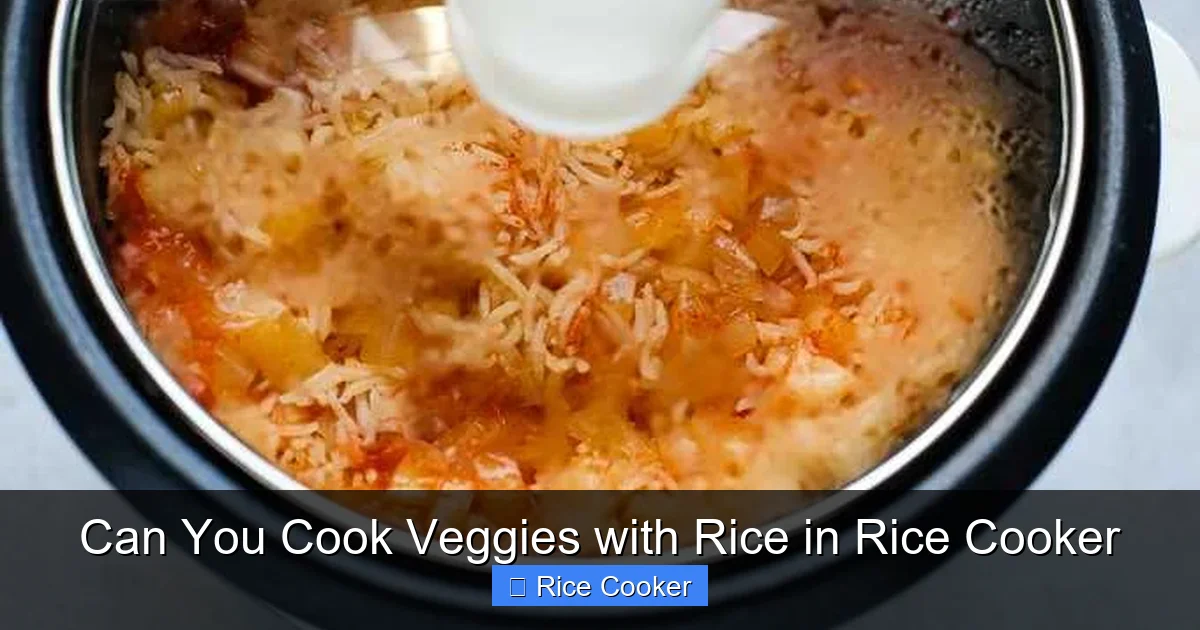
You don’t need separate pots or pans to enjoy a complete meal. Cooking vegetables with rice in a rice cooker is simple, efficient, and surprisingly delicious. With the right prep and timing, your veggies stay crisp-tender while the rice cooks perfectly every time.
Key Takeaways
- Yes, it works: Most vegetables can be cooked alongside rice in a rice cooker without affecting the rice’s texture.
- Prep matters: Cut veggies evenly and choose ones that cook at similar speeds to avoid over- or undercooking.
- Water levels are key: Adjust liquid amounts based on vegetable density to prevent soggy rice or dry veggies.
- Flavor boosts: Add herbs, spices, or broth to elevate both rice and vegetables during cooking.
- Clean-up is easier: One pot means fewer dishes—ideal for quick meals and small kitchens.
- Experiment freely: Try combinations like carrots and peas, broccoli and mushrooms, or even leafy greens with jasmine rice.
- Not all veggies belong: Avoid delicate greens like spinach until after cooking if you want them vibrant and not mushy.
📑 Table of Contents
- Can You Cook Veggies with Rice in a Rice Cooker?
- Why People Love Cooking Veggies with Rice in a Rice Cooker
- Which Vegetables Work Best with Rice in a Rice Cooker
- Step-by-Step Guide: How to Cook Veggies with Rice in a Rice Cooker
- Creative Recipe Ideas Using Veggies and Rice in a Rice Cooker
- Common Mistakes to Avoid When Cooking Veggies with Rice
- Tips for Perfecting Your Veggie-Rice Combos
- Conclusion: Why Every Kitchen Needs This Hack
Can You Cook Veggies with Rice in a Rice Cooker?
Imagine this: It’s 6 p.m., you’re tired after work, and all you want is a warm, satisfying meal. You open the fridge, see some leftover rice from last night, plus a few colorful veggies—broccoli, carrots, maybe some bell peppers—and wonder: *Can I just throw it all in the rice cooker and let it work its magic?* The answer is a resounding yes! In fact, cooking vegetables with rice in a rice cooker is one of the simplest, most effective ways to prepare a complete, balanced meal in under 30 minutes. No stirring required. No babysitting. Just add ingredients, press a button, and walk away.
The beauty of using a rice cooker lies in its precise temperature control and automated cooking cycle. These appliances are designed to maintain steam and moisture at optimal levels, which benefits both grains and vegetables. When you combine rice and veggies properly, the steam gently cooks the vegetables while the rice absorbs water and expands into fluffy perfection. The result? A one-pot meal that’s nutritious, flavorful, and ridiculously convenient. Whether you’re meal prepping, feeding a family, or just craving something healthy on the fly, this method checks all the boxes.
Why People Love Cooking Veggies with Rice in a Rice Cooker
Visual guide about Can You Cook Veggies with Rice in Rice Cooker
Image source: recipes.net
Cooking rice and vegetables together in a rice cooker has become increasingly popular among home cooks, chefs, and busy parents alike. There are several reasons why this method stands out:
- Saves time and effort: Instead of boiling water for pasta, sautéing vegetables separately, and then cooking rice, everything happens in one appliance.
- Reduces cleanup: Fewer pots and pans mean less scrubbing afterward. Many modern rice cookers also have non-stick inner pots that are dishwasher-safe.
- Preserves nutrients: Steaming vegetables locks in vitamins and minerals better than boiling, which can leach nutrients into water.
- Customizable flavors: You can infuse your meal with garlic, ginger, soy sauce, or coconut milk depending on your taste preferences.
- Great for batch cooking: Make a big batch of veggie-rice mix on Sunday and eat it throughout the week—no reheating needed!
But before you start tossing everything into the cooker, there are a few important considerations. Not all vegetables behave the same way, and rice needs specific water ratios. Let’s break down how to do it right.
Which Vegetables Work Best with Rice in a Rice Cooker
Visual guide about Can You Cook Veggies with Rice in Rice Cooker
Image source: recipes.net
Not every vegetable will thrive when cooked alongside rice. Some take too long and become mushy; others disappear entirely. Here’s a guide to the best and worst choices:
Top Veggie Picks
- Broccoli: Cuts into florets and cooks quickly. Retains its bright green color and crunch when added midway through the rice cycle.
- Carrots: Slice uniformly (about ½-inch thick) so they cook evenly. They add natural sweetness and vibrant orange color.
- Green beans: Trim ends and cut into 1-inch pieces. They hold their shape well and absorb surrounding flavors.
- Cauliflower: Break into small florets. Cooks faster than denser veggies and pairs beautifully with cumin or turmeric.
- Mushrooms: Sliced button or cremini mushrooms release moisture but still develop a nice sear-like texture from steam.
- Peas: Add frozen peas at the end—they’ll thaw and cook perfectly without turning to mush.
- Bell peppers: Diced medium-sized pieces cook through without getting slimy. Red peppers add extra sweetness.
Veggies to Use Caution With
- Spinach or kale: These leafy greens wilt quickly. If using, add them near the end or stir them in after cooking.
- Zucchini or eggplant: Very watery and can make rice soggy if overused. Pat them dry before adding and limit quantity.
- Onions: While onion rings or wedges can caramelize nicely, finely chopped onions may burn unless you cover the pot.
Pro tip: Always cut vegetables into similar sizes. This ensures even cooking and prevents some parts from being underdone while others turn to pulp.
Step-by-Step Guide: How to Cook Veggies with Rice in a Rice Cooker
Ready to give it a try? Follow these easy steps for foolproof success every time.
Gather Your Ingredients
Start by choosing your base grain—white rice, brown rice, jasmine, basmati, or even quinoa. Then select 2–4 cups of mixed vegetables. Don’t forget aromatics like garlic cloves, ginger, or onions (use sparingly), plus salt, pepper, and optional seasonings.
Prepare the Rice
Rinse your rice under cold water until the water runs clear. This removes excess starch and stops the rice from becoming gummy. Drain thoroughly. For every cup of rice, use about 1¼ to 1½ cups of water (adjust slightly for brown rice, which needs more liquid).
Add Veggies Strategically
Place the rinsed rice in the inner pot of your rice cooker. Arrange vegetables around the rice—don’t bury them underneath. If some veggies take longer (like carrots), put them closer to the bottom where heat is strongest. Quick-cooking items like peas go on top.
Season and Liquid Levels
Add water according to your rice type. If you’re adding high-moisture veggies like tomatoes or zucchini, reduce total water by 1–2 tablespoons to avoid overflow or mushy rice. Sprinkle in salt, pepper, or spices now—you can also pour in a splash of broth instead of plain water for extra flavor.
Cook and Wait
Close the lid and select the standard “White Rice” or “Cook” setting. Avoid the “Quick” or “Pressure Cook” modes unless your cooker manual says otherwise—these can cause uneven cooking. Once the cycle finishes, let it sit for 5–10 minutes with the lid closed. This allows residual heat to finish tenderizing any stubborn veggies.
Fluff and Serve
Open the lid, fluff the rice gently with a fork, and fold in any final touches—like fresh herbs, lemon juice, or a drizzle of olive oil. Stir everything together so flavors blend beautifully.
Creative Recipe Ideas Using Veggies and Rice in a Rice Cooker
Want to get inspired? Here are five delicious, easy-to-follow recipes that prove how versatile this method really is.
1. Spicy Thai Basil Veggie Fried Rice
Use leftover day-old jasmine rice (or cook fresh rice first). Add diced bell peppers, snap peas, carrots, and mushrooms. Toss in a minced garlic clove, a teaspoon of chili flakes, and 2 tbsp of soy sauce. Cook with 1 cup water. After the cycle, stir in a fried egg on top and garnish with fresh basil.
2. Moroccan-Spiced Chickpea & Carrot Pilaf
Combine 1 cup basmati rice with 1 can drained chickpeas, 1 cup sliced carrots, and ½ cup frozen corn. Season with cumin, cinnamon, paprika, and a pinch of saffron threads. Cook with 1¾ cups broth (vegetable or chicken). Serve with a dollop of plain yogurt.
3. Creamy Mushroom & Wild Rice Medley
For wild rice, increase liquid to 2 cups per 1 cup grain. Add sliced mushrooms, a sprig of thyme, and ½ cup heavy cream or coconut milk. Cook until tender. Finish with grated Parmesan and black pepper.
4. Mediterranean Herb Rice with Zucchini & Tomatoes
Dice zucchini and cherry tomatoes. Mix with 1 cup white rice, 1 cup water, oregano, thyme, and a bay leaf. Cook until done. Remove bay leaf before serving. Top with feta cheese and olives.
5. Asian-Inspired Green Bean & Ginger Rice
Sauté ginger in oil before adding rice (optional but adds depth). Add green beans cut into 1-inch pieces, soy sauce, and mirin. Cook with 1¼ cups water. After cooking, stir in sesame seeds and scallions.
Each recipe takes less than 40 minutes and delivers bold flavors with minimal effort. Plus, they’re perfect for customizing based on what’s in your fridge!
Common Mistakes to Avoid When Cooking Veggies with Rice
Even seasoned cooks can stumble when combining rice and vegetables. Here are the most frequent errors—and how to fix them.
Overloading the Pot
Too many vegetables can block airflow and create uneven cooking. Stick to filling no more than two-thirds of the pot. Overcrowding leads to steamed, unappetizing results.
Wrong Water Ratios
Using too much water makes rice gluey; too little leaves it dry. Always check your cooker’s manual for baseline ratios, then adjust downward if adding juicy veggies like tomatoes or squash.
Adding All Veggies at Once
Some vegetables need different cooking times. For example, carrots take longer than peas. Consider layering: put slower-cooking veggies at the bottom, faster ones on top, or cook in two batches if necessary.
Skipping the Rinse
Unrinsed rice releases excess starch, leading to clumpy, sticky grains. Always rinse before cooking—especially with instant or parboiled varieties.
Opening the Lid Too Early
Steam escapes when you lift the lid during cooking, disrupting the temperature and prolonging cook time. Only open after the cycle completes and the keep-warm phase begins.
Ignoring Natural Release Time
Letting the rice rest for 5–10 minutes helps redistribute moisture evenly. Skipping this step often results in lopsided textures—some parts wet, others dry.
By avoiding these pitfalls, you’ll consistently end up with perfectly cooked, restaurant-quality meals at home.
Tips for Perfecting Your Veggie-Rice Combos
Want to level up your game? Try these pro-level tricks:
- Toast the rice: Lightly sauté rice in oil before adding water and veggies. This gives a nutty flavor and prevents mushiness.
- Use broth instead of water: Chicken, vegetable, or mushroom broth adds deep umami without extra prep.
- Add acid at the end: A squeeze of lime or lemon juice brightens dull flavors and cuts through richness.
- Try pre-cooking dense veggies: Blanch hard vegetables like potatoes or sweet potatoes briefly before adding to speed up overall cook time.
- Layer ingredients wisely: Place heavier, denser items near the heating element (bottom of pot) and lighter ones on top.
- Experiment with grains: Brown rice needs longer time; quinoa or barley work great too and add protein.
These small adjustments make a big difference in taste and texture. And honestly, once you master the basics, the possibilities feel endless.
Conclusion: Why Every Kitchen Needs This Hack
Cooking vegetables with rice in a rice cooker isn’t just a shortcut—it’s a lifestyle upgrade. It embraces simplicity, nutrition, and creativity all at once. Whether you’re feeding a crowd, packing school lunches, or just craving comfort food, this method delivers consistent, delicious results with zero stress.
The best part? You don’t need fancy equipment or hours of prep. Just a good rice cooker, a handful of fresh produce, and a little imagination. From creamy mushroom risotto-style bowls to spicy Thai-inspired dishes, the combinations are limited only by your appetite.
So next time you’re standing in front of an empty counter wondering what to make, remember: your rice cooker isn’t just for grains. Open the door to a world of wholesome, hands-off meals where vegetables shine alongside perfectly cooked rice. And trust us—once you try it, you’ll never go back to separate pots again.
Frequently Asked Questions
Can you cook frozen vegetables with rice in a rice cooker?
Yes! Frozen vegetables work great, especially quick-thawing types like peas, corn, or broccoli florets. Add them directly to the rice—no need to thaw first. Just reduce the water slightly (by 1–2 tablespoons) since frozen veggies release moisture during cooking.
How long does it take to cook rice and vegetables together?
Most combinations take 20–30 minutes on the standard “White Rice” setting. Brown rice or wild rice may require up to 50 minutes. Check your cooker’s manual for specific timings based on your model and ingredient mix.
Do you need special vegetables to cook with rice?
Nope! Regular supermarket veggies like carrots, broccoli, zucchini, and mushrooms work perfectly. Focus on cutting them evenly and choosing types that cook at similar rates to ensure everything turns out tender and ready.
Can I cook meat or beans with rice and vegetables?
Absolutely! Add cooked chicken, shrimp, tofu, lentils, or canned beans during the last 10 minutes of cooking. They’ll heat through without drying out. Just avoid raw meat unless your rice cooker has a dedicated “Soup” or “Meat” mode.
Will the rice get soggy if I add too many vegetables?
Possibly. High-moisture veggies like zucchini, tomatoes, or mushrooms can make rice damp if used excessively. Reduce water accordingly and consider patting veggies dry before adding. Also, avoid overfilling the pot to allow proper steam circulation.
What’s the best way to store leftovers?
Store in an airtight container in the refrigerator for up to 4 days. Reheat in the microwave with a splash of water to restore moisture. These meals also freeze well—portion into containers and thaw overnight before reheating.