
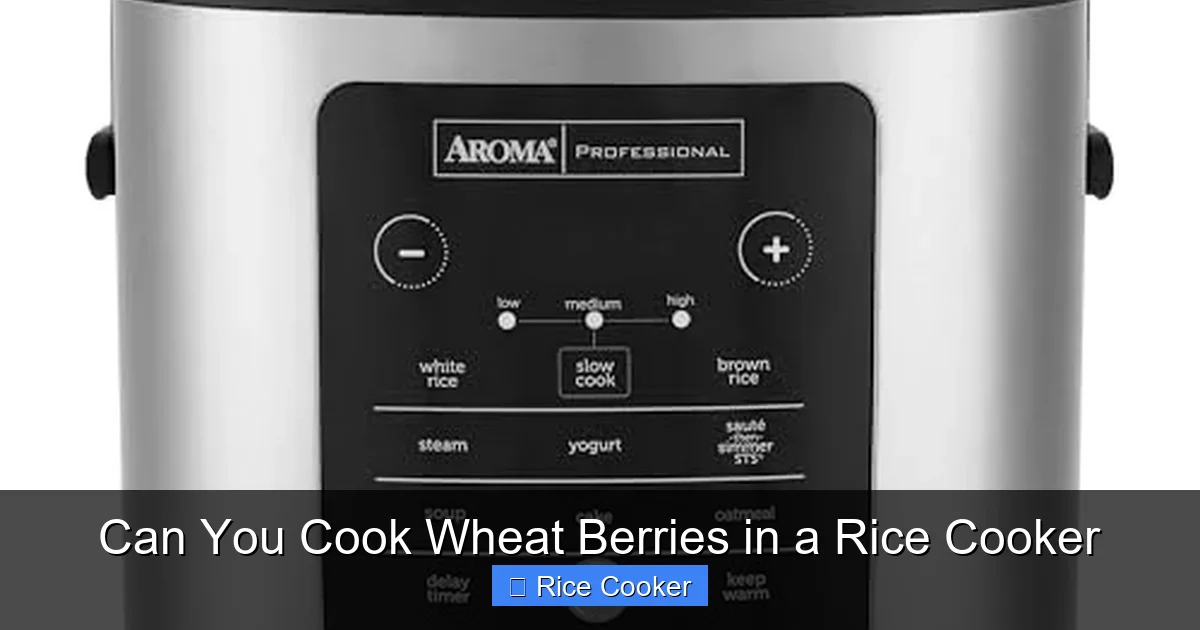
Can you cook wheat berries in a rice cooker? Absolutely! With the right ratio of water to grain and a few simple steps, your rice cooker can produce tender, fluffy wheat berries every time. Whether you’re meal prepping or exploring ancient grains, this method saves time and delivers consistent results.
Key Takeaways
- Yes, you can cook wheat berries in a rice cooker: It’s one of the easiest and most reliable methods for achieving perfect texture and flavor.
- Proper soaking is key: Soaking overnight reduces cooking time and improves digestibility, making the grains softer and easier to chew.
- Use the right water-to-ratio: A 3:1 ratio (water to wheat berries) is ideal for most rice cookers, but adjustments may be needed based on variety and altitude.
- Rinse before cooking: Removing surface starch helps prevent clumping and ensures even cooking throughout.
- Cooking time varies: Whole wheat berries typically take 45–60 minutes, while pre-soaked ones may finish in 30–45 minutes.
- Flavor and nutrition boosts: Cooking with broth instead of water adds depth, and adding salt enhances taste without extra sodium later.
- Storage and reheating are easy: Leftovers store well in the fridge for up to 5 days and reheat beautifully in the microwave or stovetop.
📑 Table of Contents
- Can You Cook Wheat Berries in a Rice Cooker? The Ultimate Guide
- Why Choose Wheat Berries Over Other Grains?
- Understanding Wheat Berries: Types and Varieties
- Do You Need to Soak Wheat Berries Before Cooking?
- Step-by-Step: How to Cook Wheat Berries in a Rice Cooker
- Tips for Perfectly Cooked Wheat Berries Every Time
- Creative Ways to Use Cooked Wheat Berries
- Common Mistakes to Avoid When Cooking Wheat Berries
- Frequently Asked Questions
Can You Cook Wheat Berries in a Rice Cooker? The Ultimate Guide
Have you ever stared at a bag of raw wheat berries in your pantry, wondering how to turn them into something delicious and edible? Maybe you’ve heard they’re nutritious, packed with fiber and protein, but the thought of boiling them for an hour on the stove seems daunting. Well, here’s great news: yes, you absolutely can cook wheat berries in a rice cooker, and it’s easier than you think.
The rice cooker isn’t just for white rice anymore. These handy appliances have become versatile tools in modern kitchens, capable of handling everything from quinoa to lentils—and yes, even ancient grains like wheat berries. In fact, using a rice cooker for wheat berries offers several advantages: consistent heat, automatic shutoff, and minimal hands-on time. Plus, once they’re done, you’ll have a perfectly cooked batch that’s ready to eat, add to salads, or use as a base for bowls.
In this complete guide, we’ll walk you through everything you need to know about cooking wheat berries in a rice cooker. From soaking techniques to flavor enhancements and storage tips, we’ll cover all the bases so you can enjoy wholesome, chewy, and satisfying wheat berries with confidence. Whether you’re a beginner or a seasoned home cook, this method will save you time and deliver reliable results every time.
Why Choose Wheat Berries Over Other Grains?
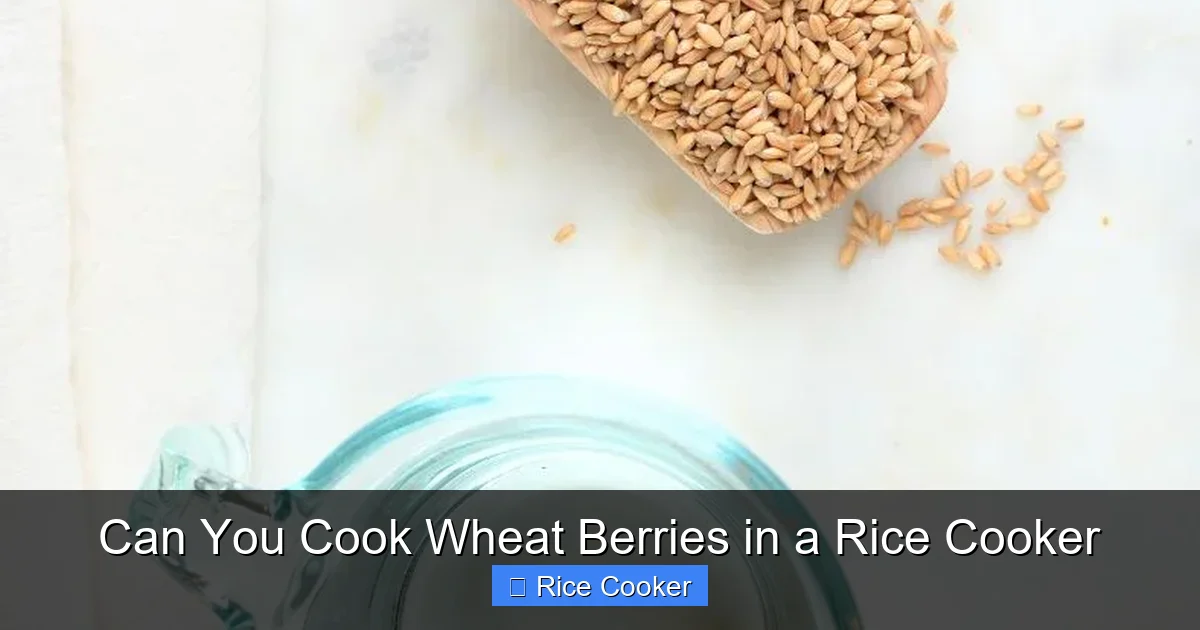
Before diving into the cooking process, let’s talk about why wheat berries are worth your attention. Unlike refined grains such as white rice or bread flour, wheat berries are the whole, unprocessed form of wheat—meaning the entire seed (bran, germ, and endosperm) remains intact. This makes them incredibly nutrient-dense.
Visual guide about Can You Cook Wheat Berries in a Rice Cooker
Image source: moonandmagnolia.com
One cup of cooked wheat berries provides about 25 grams of carbohydrates, 8 grams of protein, and 6 grams of dietary fiber. They’re also rich in B vitamins, iron, magnesium, and selenium. Because they’re high in fiber, they help support digestive health, stabilize blood sugar levels, and keep you feeling full longer. For these reasons, many people include wheat berries in their diet as part of a balanced, plant-forward eating plan.
But beyond nutrition, wheat berries have a unique texture and mild, nutty flavor that works well in both savory and sweet dishes. You can use them in soups, stews, grain salads, breakfast porridges, or even as a crunchy topping for yogurt and smoothie bowls. Their versatility makes them a favorite among health-conscious cooks and culinary adventurers alike.
Understanding Wheat Berries: Types and Varieties
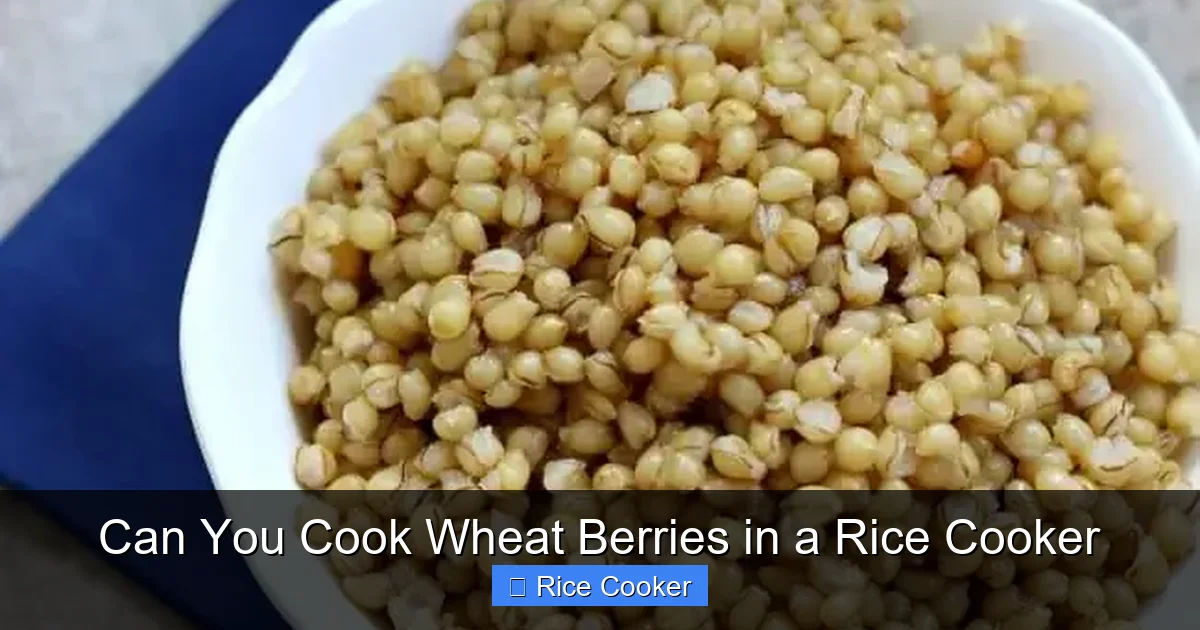
Not all wheat berries are created equal. There are several types, each with slightly different properties when it comes to cooking and texture. The most common varieties you’ll find in stores include:
Visual guide about Can You Cook Wheat Berries in a Rice Cooker
Image source: 365daysofcrockpot.com
Hard Red Winter Wheat
This is the most widely grown type in North America. Hard red winter wheat berries are darker in color and have a firmer texture. They tend to absorb more liquid during cooking and hold their shape well, making them ideal for salads and side dishes.
Hard White Wheat
Slightly lighter in color than red wheat, hard white wheat has a milder flavor and softer texture. It cooks faster and is often used in gluten-free baking when combined with other flours.
Soft Wheat
Less common for cooking whole, soft wheat berries are typically milled into pastry flour. However, some specialty stores carry them for making traditional sourdough starters or for use in certain ethnic recipes.
For rice cooker cooking, hard red or hard white wheat berries are your best bets. They respond well to the moist-heat environment and yield a satisfying bite after cooking. Always check the packaging—some brands specify whether the berries are hulled (which means the outer bran layer has been removed) or not. Hulled wheat berries are closer to the true “wheat berry” and retain more nutrients.
Do You Need to Soak Wheat Berries Before Cooking?
Here’s a common question: should you soak wheat berries before cooking them in your rice cooker? The short answer is yes, soaking is highly recommended. While you can technically skip this step, soaking dramatically improves the cooking process.
Soaking softens the outer bran layer, which is naturally tough and fibrous. Without soaking, wheat berries can remain undercooked in the center even after an hour of boiling. By soaking them overnight (or at least 4–6 hours), you reduce cooking time by up to half and ensure a more uniform texture throughout.
To soak wheat berries:
- Rinse 1 cup of wheat berries under cold running water.
- Place them in a bowl and cover with 2 cups of filtered water.
- Add a pinch of salt if desired (this helps break down some of the starches).
- Let them sit at room temperature for 6–12 hours, or refrigerate for up to 24 hours.
After soaking, drain and rinse the berries again before transferring them to your rice cooker. This final rinse removes any excess starch and prevents the grains from sticking together.
Step-by-Step: How to Cook Wheat Berries in a Rice Cooker
Now that you’ve got your wheat berries prepped, it’s time to cook them. Follow these simple steps for foolproof results:
Ingredients You’ll Need
- 1 cup raw or soaked wheat berries
- 3 cups water (or vegetable/chicken broth for added flavor)
- Pinch of salt (optional)
- 1 tablespoon olive oil or butter (optional, for richness)
Instructions
- Prepare Your Rice Cooker: Make sure the inner pot is clean and dry. If you’re using a non-stick model, line it with parchment paper to prevent sticking.
- Add Wheat Berries and Liquid: Transfer the rinsed wheat berries to the pot. Pour in the water (or broth), add salt if using, and stir gently.
- Start Cooking: Close the lid and press the “Cook” button. Most rice cookers will automatically switch to “Keep Warm” mode when done.
- Wait Patiently: Cooking time depends on whether the berries were soaked. Expect 45–60 minutes for unsoaked berries and 30–45 minutes for soaked ones.
- Test for Doneness: When the cycle ends, open the lid and check. The berries should be tender but still have a slight bite. If they’re too firm, return to cook for another 10 minutes.
- Let Them Rest: Allow the wheat berries to rest for 5–10 minutes with the lid closed. This helps redistribute moisture and fluff them up.
- Fluff and Serve: Use a fork to gently fluff the berries. Add a pat of butter or a drizzle of olive oil if desired.
Pro tip: If your rice cooker doesn’t have a timer or indicator, set a kitchen timer. Some models may take longer to detect doneness, especially with denser grains like wheat berries.
Tips for Perfectly Cooked Wheat Berries Every Time
Even with the right recipe, small details can make a big difference. Here are some expert tips to ensure your wheat berries come out soft, fluffy, and delicious:
Use Filtered Water
Tap water can contain minerals that affect taste and texture. Filtered water ensures cleaner flavor and better results, especially if you’re sensitive to chlorine or fluoride.
Don’t Rush the Soak
If you’re short on time, you can do a quick soak: place the wheat berries in hot water (not boiling) for 30–60 minutes. But overnight soaking is still ideal.
Adjust Water Based on Altitude
At higher elevations, water boils at a lower temperature, which can extend cooking time. Increase water slightly (up to 3.5 cups per 1 cup of berries) and monitor closely.
Try Broth Instead of Water
Cooking wheat berries in chicken, vegetable, or mushroom broth adds deep umami flavor. Just make sure the broth isn’t overly salty, or reduce salt added later.
Season After Cooking
While a pinch of salt during cooking helps, you can also toss the finished berries with herbs, lemon juice, garlic powder, or smoked paprika for extra flavor.
Avoid Overfilling the Pot
Most rice cookers work best when filled no more than halfway. Overfilling can lead to uneven cooking and sticking.
Store Properly
Refrigerate leftovers in an airtight container for up to 5 days. Reheat in the microwave with a splash of water or broth to restore moisture.
Creative Ways to Use Cooked Wheat Berries
Once your wheat berries are cooked, the possibilities are endless. Here are just a few ideas to inspire your next meal:
Warm Grain Bowls
Top cooked wheat berries with roasted vegetables, grilled chicken, avocado, and tahini dressing for a hearty, nutritious bowl.
Hearty Salads
Toss cooled wheat berries with chopped cucumbers, cherry tomatoes, parsley, feta cheese, and a lemon-olive oil vinaigrette.
Breakfast Porridge
Warm wheat berries with almond milk, cinnamon, maple syrup, and fresh berries for a comforting breakfast that keeps you full until lunch.
Soup Base
Add cooked wheat berries to soups like minestrone, lentil soup, or creamy tomato basil for extra texture and fiber.
Bread and Muffins
Grind cooled wheat berries into flour and use them in baked goods for added fiber and a nutty flavor.
Dessert Topping
Toast wheat berries lightly and sprinkle over oatmeal, yogurt, or fruit compote for a crunchy, healthy twist.
Wheat berries are incredibly adaptable. Experiment with spices, herbs, and sauces to match your mood or the season.
Common Mistakes to Avoid When Cooking Wheat Berries
Even experienced cooks can run into issues with wheat berries. Here are some common pitfalls and how to avoid them:
Not Soaking Long Enough
Skipping soaking or doing a quick soak leads to inconsistent textures—some berries soft, others hard in the middle.
Using Too Little Water
The 3:1 ratio is a good starting point, but if your berries seem dry or chalky, add a bit more water next time.
Overcooking
Leaving wheat berries in the rice cooker too long can make them mushy. Once they’re tender, remove them from heat immediately.
Not Fluffing
Skipping the fluffing step leaves the berries clumpy and difficult to serve. Always use a fork to aerate them gently.
Storing in the Cooker
Never leave cooked grains sitting in the rice cooker for hours—transfer them to a serving dish or container promptly.
Ignoring Salt Timing
Adding salt at the beginning helps season the grains evenly. If you add it at the end, the flavor won’t penetrate as well.
Using Low-Quality Berries
Buy wheat berries from reputable sources. Stale or rancid grains won’t cook properly and can ruin the flavor.
Frequently Asked Questions
How long does it take to cook wheat berries in a rice cooker?
Unsoaked wheat berries typically take 45–60 minutes, while soaked ones cook in 30–45 minutes. Always check for doneness before removing from heat.
Can I cook wheat berries in a pressure cooker instead?
Yes! Use a 1:1.5 ratio (wheat berries to liquid) and cook on high pressure for 25–30 minutes, then natural release for 10 minutes.
Are wheat berries gluten-free?
No, wheat berries contain gluten. People with celiac disease or gluten sensitivity should avoid them unless labeled certified gluten-free (rare).
Can I freeze cooked wheat berries?
Absolutely. Portion them into freezer-safe containers and store for up to 3 months. Thaw in the fridge overnight before reheating.
Why are my wheat berries gummy or sticky?
This usually happens from too much water, not enough rinsing, or overcooking. Try reducing water slightly and ensuring thorough rinsing before cooking.
Can I cook multiple batches at once?
Yes, but only if your rice cooker has a large capacity. Otherwise, cook in smaller batches to ensure even heating and cooking.
Frequently Asked Questions
How long does it take to cook wheat berries in a rice cooker?
Unsoaked wheat berries typically take 45–60 minutes, while soaked ones cook in 30–45 minutes. Always check for doneness before removing from heat.
Can I cook wheat berries in a pressure cooker instead?
Yes! Use a 1:1.5 ratio (wheat berries to liquid) and cook on high pressure for 25–30 minutes, then natural release for 10 minutes.
Are wheat berries gluten-free?
No, wheat berries contain gluten. People with celiac disease or gluten sensitivity should avoid them unless labeled certified gluten-free (rare).
Can I freeze cooked wheat berries?
Absolutely. Portion them into freezer-safe containers and store for up to 3 months. Thaw in the fridge overnight before reheating.
Why are my wheat berries gummy or sticky?
This usually happens from too much water, not enough rinsing, or overcooking. Try reducing water slightly and ensuring thorough rinsing before cooking.
Can I cook multiple batches at once?
Yes, but only if your rice cooker has a large capacity. Otherwise, cook in smaller batches to ensure even heating and cooking.