

Can you cook wheat like rice? Absolutely — and it’s easier than you think! Wheat grains, when cooked properly, yield a satisfying, fluffy texture much like rice, making them a great alternative. Whether you’re using a rice cooker or stovetop, this versatile grain can become your new go-to staple.
Key Takeaways
- Wheat and rice share cooking similarities: Both are cereal grains that absorb water and expand during cooking, making them interchangeable in many recipes.
- A rice cooker works perfectly for wheat: Just use the same ratio as rice — typically 1:2 (grain to liquid) — and adjust cooking time slightly.
- Types of wheat matter: Bulgur, cracked wheat, and whole wheat berries differ in texture and cook time; choose based on your dish and desired consistency.
- Nutritionally superior: Wheat is higher in fiber, protein, and B vitamins compared to white rice, offering more sustained energy.
- Cooking tips for perfect results: Rinse before cooking, soak when possible, and let it rest after cooking to avoid mushiness.
- Versatile uses: Use cooked wheat in pilafs, salads, soups, or as a side dish — it’s a flexible base for countless meals.
- Storage and reheating: Cooked wheat keeps well in the fridge for up to 5 days or can be frozen for longer storage.
📑 Table of Contents
- Can You Cook Wheat Like Rice?
- The Basics: Wheat vs. Rice
- How to Cook Wheat in a Rice Cooker
- Best Types of Wheat to Cook Like Rice
- Troubleshooting Common Issues
- Creative Ways to Use Cooked Wheat
- Health Benefits of Cooking Wheat Like Rice
- Storage and Reheating Tips
- Tips for Perfect Wheat Every Time
- Conclusion: Wheat Is the Future of Grains
Can You Cook Wheat Like Rice?
Have you ever stood in front of your rice cooker, staring at the pantry full of wheat, wondering if they could do the same job? Yes, you can cook wheat like rice — and it might just become your new favorite grain. Wheat and rice both belong to the grass family and share similar properties: they absorb liquid, swell during cooking, and transform into a soft, edible form. While rice is often seen as the default grain, wheat offers a richer flavor, heartier texture, and better nutrition. With a little know-how, turning wheat into something resembling fluffy rice is not only possible but simple.
In this article, we’ll walk you through how to cook various types of wheat using a rice cooker, compare them to rice, and give you practical tips to get the best results every time. Whether you’re a health-conscious eater, someone looking to reduce carbs, or just curious about alternative grains, this guide will show you why wheat deserves a spot in your kitchen — right next to your rice cooker.
The Basics: Wheat vs. Rice
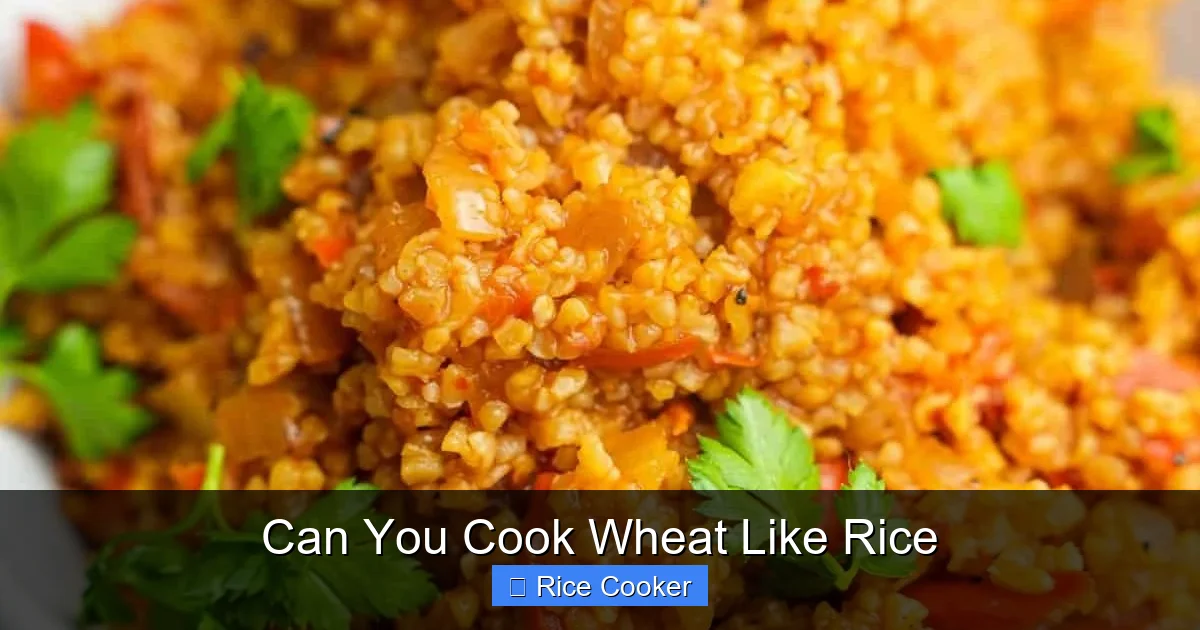
Visual guide about Can You Cook Wheat Like Rice
Image source: recipes.net
Before diving into the cooking process, it helps to understand what sets wheat and rice apart — and where they overlap.
Rice is a staple grain harvested from the Oryza sativa plant. It comes in many varieties — white, brown, basmati, jasmine — each with distinct textures and flavors. Brown rice, for instance, retains its bran and germ, making it more nutritious than white rice.
Wheat, on the other hand, comes from the Triticum genus and is one of the oldest cultivated crops. It’s commonly used in bread, pasta, and couscous, but certain forms — like bulgur and cracked wheat — are cooked similarly to rice.
While rice is naturally gluten-free (except for some processed types), wheat contains gluten, so it’s not suitable for those with celiac disease or gluten sensitivity. But for the rest of us, wheat offers a more complex taste and better nutrient profile.
Why Choose Wheat Over Rice?
Nutritionally speaking, wheat edges out rice in several areas:
- Higher fiber content: Whole wheat berries and cracked wheat have significantly more fiber than white rice, aiding digestion and promoting satiety.
- More protein: Wheat contains around 6–7 grams of protein per cooked cup, compared to about 4 grams in rice.
- Rich in B vitamins: Especially B1 (thiamine) and B3 (niacin), which support energy metabolism and brain function.
- Lower glycemic index: This means wheat causes a slower rise in blood sugar, making it a better option for diabetics or those managing weight.
Flavor-wise, wheat has a nutty, earthy taste that pairs well with herbs, vegetables, and spices. It also holds its shape better than rice in dishes like tabbouleh or pilafs.
How to Cook Wheat in a Rice Cooker
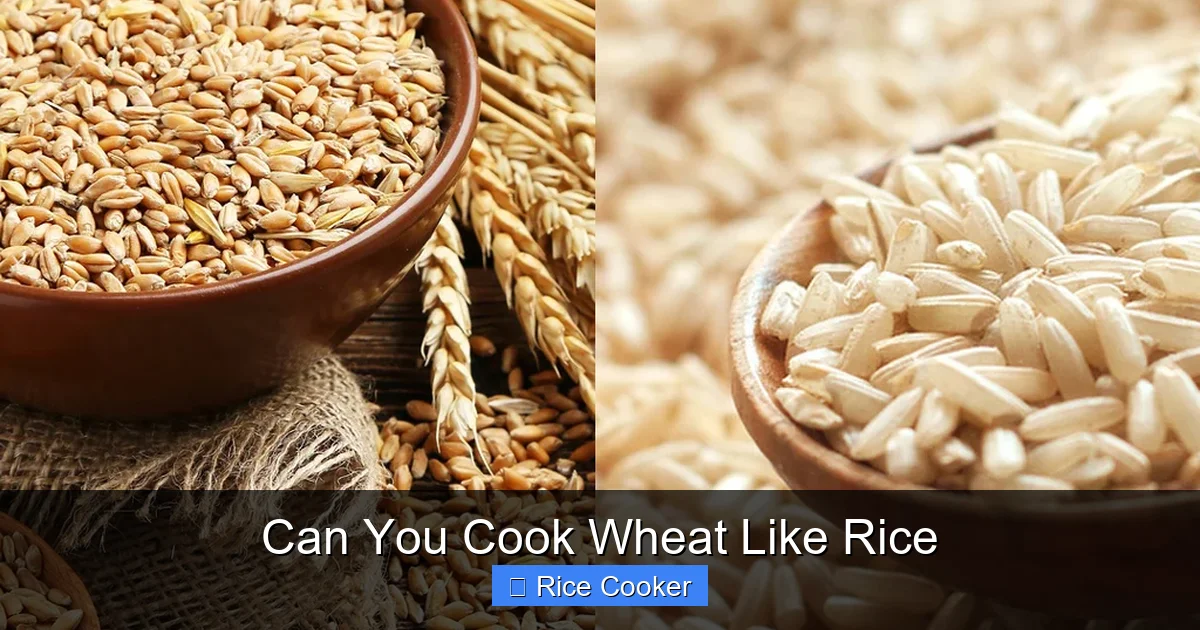
Visual guide about Can You Cook Wheat Like Rice
Image source: siddham.in
Using a rice cooker to cook wheat is one of the easiest ways to achieve consistent, foolproof results. The process mirrors that of cooking rice, but with a few key adjustments.
What You’ll Need
- 1 cup of wheat (bulgur, cracked wheat, or whole wheat berries)
- 2 cups of water or broth (for bulgur); 2.5 to 3 cups for whole wheat berries
- Pinch of salt
- Rice cooker
- Optional: olive oil or butter for added richness
Step-by-Step Instructions
- Wash the wheat: Place the wheat in a fine-mesh strainer and rinse under cold water until the water runs clear. This removes excess starch and prevents gunkiness.
- Add ingredients to the rice cooker: Combine washed wheat, liquid, salt, and any optional additions (like a splash of olive oil or a bay leaf) in the inner pot.
- Start cooking: Close the lid and press the “Cook” button. For most rice cookers, this will automatically switch to “Keep Warm” once done.
- Let it rest: After the cycle ends, wait 5–10 minutes with the lid closed. This allows the steam to finish softening the grain and improves texture.
- Fluff and serve: Use a fork to gently fluff the wheat before serving.
Cooking Times by Type of Wheat
Different forms of wheat cook at different speeds:
- Bulgur: 10–12 minutes (very quick due to partial pre-cooking)
- Cracked Wheat (durum): 15–20 minutes
- Whole Wheat Berries: 25–30 minutes (longest, but yields the chewiest texture)
If your rice cooker doesn’t have a timer, you can always check for doneness by tasting a grain. It should be tender but still have a slight bite.
Best Types of Wheat to Cook Like Rice
Not all wheat is created equal. Some are better suited for a rice-like preparation than others.
Bulgur: The Fast and Fluffy Choice
Bulgur is partially cooked, dried wheat that rehydrates quickly. It’s the star ingredient in Middle Eastern dishes like tabbouleh and kibbeh. When cooked in a rice cooker, bulgur becomes soft and slightly chewy — perfect as a side or salad base.
Cracked Wheat (Farro): The Hearty Option
Cracked wheat, especially from durum wheat, has a firm texture and nutty flavor. It’s a type of farro and takes longer to cook than bulgur but less than whole berries. It holds up well in soups and stews, or can be served as a warm pilaf.
Whole Wheat Berries: The Nutrient Powerhouse
These are the whole kernels of hard red wheat, including bran, germ, and endosperm. They take the longest to cook but offer the most fiber and nutrients. Once cooked, they’re slightly firmer than rice — great for grain bowls or stuffing.
Spelt: An Ancient Grain Alternative
Spelt is an older variety of wheat with a milder, sweeter taste than modern wheat. It cooks similarly to whole wheat berries and is often preferred by those with mild gluten sensitivities. Spelt berries can be cooked in a rice cooker and used in place of rice in stir-fries or casseroles.
Troubleshooting Common Issues
Even with the best techniques, things can go wrong. Here’s how to fix common wheat-cooking problems.
Too Mushy?
If your wheat turned out gluey or mushy, you likely used too much liquid or didn’t rinse it first. Try reducing the water by half next time, or cook it a bit less.
Undercooked?
If the center of the grain is hard, it needs more time or water. Add a splash of hot water, cover, and let it simmer on “Keep Warm” for 5–10 minutes.
Bitter Taste?
This usually happens with whole wheat berries that haven’t been rinsed well. Always wash thoroughly, and consider soaking them overnight to reduce bitterness.
Sticking to the Pot?
To prevent sticking, add a tablespoon of oil to the water before cooking, or use a non-stick rice cooker insert.
Creative Ways to Use Cooked Wheat
Once you’ve mastered cooking wheat, the possibilities are endless.
As a Rice Substitute
Use cooked bulgur or cracked wheat in place of rice in fried rice, risotto, or even sushi rolls. It adds a unique texture and depth of flavor.
In Salads
Cool cooked wheat and mix it with cucumbers, tomatoes, parsley, lemon juice, and olive oil for a refreshing salad. Bulgur makes a great base for tabbouleh.
For Stuffing
Combine cooked wheat with diced onions, celery, herbs, and broth for a hearty stuffing or dressing.
In Baked Goods
Ground wheat can be used in muffins, pancakes, or breads for added fiber and texture.
As a Porridge
Simmer cooked wheat with milk, cinnamon, and honey for a warm breakfast porridge.
In International Cuisine
Wheat appears in dishes from across the globe — from Israeli couscous (which is technically a form of wheat) to Indian khichdi, which combines rice and lentils but can easily include wheat.
Health Benefits of Cooking Wheat Like Rice
Choosing wheat over rice isn’t just about texture — it’s about nourishment.
Heart Health
The high fiber content in wheat helps lower cholesterol levels and reduces the risk of heart disease.
Blood Sugar Control
With a lower glycemic index, wheat helps maintain steady blood sugar levels, making it ideal for people with diabetes or insulin resistance.
Satiety and Weight Management
Fiber-rich wheat keeps you fuller longer, reducing the urge to snack between meals.
Digestive Health
Regular consumption of whole grains like wheat promotes healthy gut bacteria and prevents constipation.
Antioxidant Content
Wheat contains lignans and phenolic acids, which act as antioxidants and may help fight inflammation.
Storage and Reheating Tips
Leftover cooked wheat keeps well and can be repurposed in many dishes.
Refrigeration
Store in an airtight container in the fridge for up to 5 days. Cool it completely before sealing to prevent moisture buildup.
Freezing
Portion into freezer-safe bags or containers. Frozen wheat lasts up to 3 months and can be reheated directly from frozen.
Reheating
Add a splash of water or broth to steamed wheat in the microwave or on the stovetop to restore moisture. Avoid overcooking.
Flavor Boosting
Revive old wheat with sautéed garlic, herbs, or a squeeze of lemon juice.
Tips for Perfect Wheat Every Time
Want consistently great results? Follow these expert tips.
- Soak overnight: For whole wheat berries, soaking reduces cook time and improves digestibility.
- Use broth instead of water: Adds flavor and nutrients.
- Don’t lift the lid: Opening the rice cooker mid-cycle releases steam and slows cooking.
- Experiment with ratios: If you like it softer, try 2.5:1 water to wheat. For chewier, use 2:1.
- Toast lightly: Sauté dry wheat in oil for 1–2 minutes before adding liquid to enhance nutty flavor.
Conclusion: Wheat Is the Future of Grains
So, can you cook wheat like rice? The answer is yes — and it’s better than you imagined. With a rice cooker, a little prep, and some patience, you can enjoy a grain that’s nutritious, versatile, and delicious. From bulgur’s quick rehydration to whole wheat berries’ chewy satisfaction, wheat offers something for everyone.
Whether you’re aiming to improve your diet, explore global cuisines, or just try something new, cooking wheat like rice opens up a world of possibilities. Swap your usual side dish, experiment with salads and pilafs, and enjoy the rich flavors and lasting energy that wheat brings to the table.
Your rice cooker isn’t just for rice anymore — it’s ready to make wheat shine.
Frequently Asked Questions
Can I substitute wheat for rice in recipes?
Yes, wheat can often replace rice in recipes like stir-fries, casseroles, and salads. Adjust cooking liquid and time based on the type of wheat used.
Is wheat healthier than rice?
Generally, yes. Wheat is higher in fiber, protein, and B vitamins, and has a lower glycemic index than white rice.
Do I need a special rice cooker for wheat?
No, any standard rice cooker works. Just ensure it has enough water capacity for the volume of wheat you’re cooking.
How long does cooked wheat last?
Cooked wheat stays fresh in the refrigerator for up to 5 days or can be frozen for up to 3 months.
Can I cook different types of wheat together?
It’s best to cook them separately due to different cook times. Mixing them can result in uneven texture.
Is wheat gluten-free?
No, wheat contains gluten. People with celiac disease or gluten intolerance should avoid it and opt for gluten-free grains like quinoa or rice.