
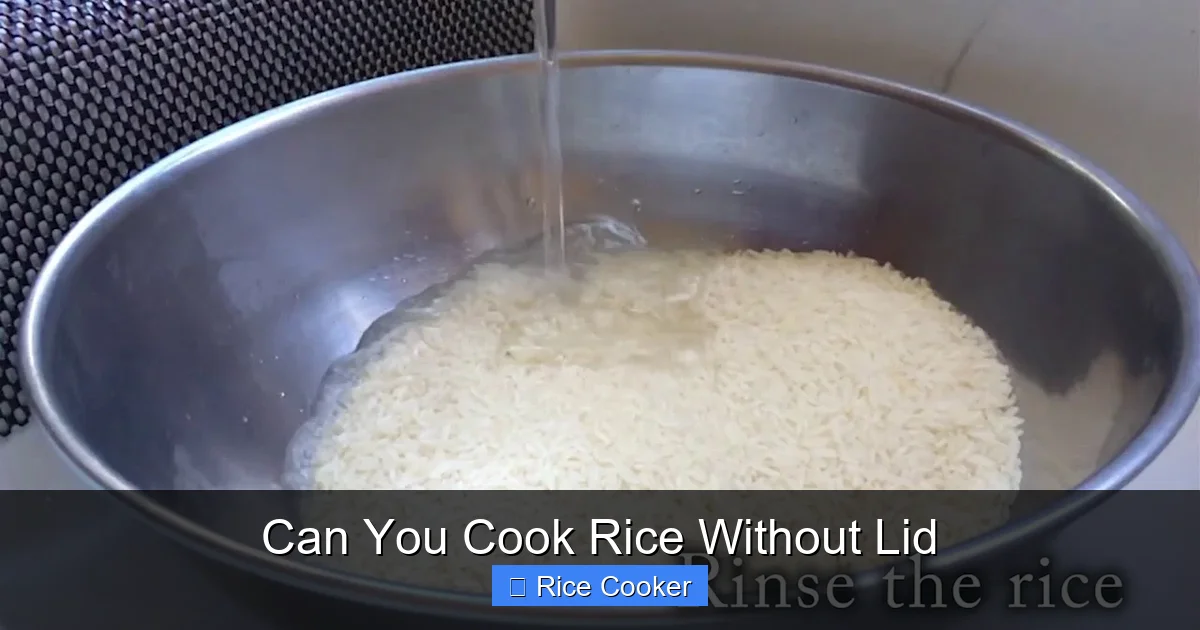
Yes, you can cook rice without a lid, but results vary depending on your method and equipment. Using a lid helps retain moisture and heat, leading to more consistent outcomes. Without one, you’ll need to monitor cooking closely and adjust liquid levels or heat to avoid dry or unevenly cooked grains.
Key Takeaways
- Yes, it’s possible: You can cook rice without a lid using alternative methods like the oven, slow cooker, or direct stovetop monitoring.
- Heat retention matters: A lid traps steam and maintains consistent temperature—without it, evaporation increases, requiring careful attention.
- Liquid adjustments are key: Expect to use slightly less water or add it in smaller increments when cooking uncovered.
- Method affects texture: Uncovered rice tends to be fluffier and drier than covered rice, which stays softer and stickier.
- Electric rice cookers usually require lids: Most models rely on sealed environments; opening the lid mid-cycle can disrupt timing and results.
- Microwave cooking works without lids: Covering with a damp paper towel or vented lid still helps, but full sealing isn’t always necessary.
- Patience is essential: Without a lid, you’ll need to stir occasionally and check doneness manually to prevent burning or drying out.
📑 Table of Contents
- Can You Cook Rice Without Lid? The Truth About Cooking Methods
- Why Do People Use Lids When Cooking Rice?
- Electric Rice Cookers: Can They Work Without Lids?
- Microwave Rice: Fast & Flexible
- Slow Cooker Rice: Low-and-Slow Perfection
- Tips for Cooking Rice Without a Lid Like a Pro
- Common Mistakes When Cooking Rice Uncovered
- Final Thoughts: Is It Worth It?
Can You Cook Rice Without Lid? The Truth About Cooking Methods
Have you ever found yourself staring into an open pot of rice, wondering if skipping the lid was a mistake? Maybe you forgot to cover it while prepping other ingredients, or perhaps you prefer a certain texture that comes from letting steam escape. Whatever the reason, you’re not alone—many home cooks wonder whether cooking rice without a lid will ruin their dish or just change its outcome.
The short answer? Yes, you absolutely can cook rice without a lid. But here’s the catch: doing so changes how your rice turns out. Unlike traditional covered methods where steam builds up and softens the grains evenly, uncovered cooking allows moisture to evaporate faster. That means your rice might come out flakier, drier, or even slightly crunchy if you’re not careful. However, with the right technique and a bit of adjustment, you can still achieve delicious results—even without that trusty kitchen lid.
Why Do People Use Lids When Cooking Rice?
Before we dive into alternatives, let’s understand why lids are commonly used in the first place. The primary purpose of covering rice during cooking is simple physics: steam retention. When water heats up inside a sealed environment, it creates pressure and humidity that keeps the rice moist throughout the process. This helps ensure even cooking and prevents the bottom layer from drying out or burning.
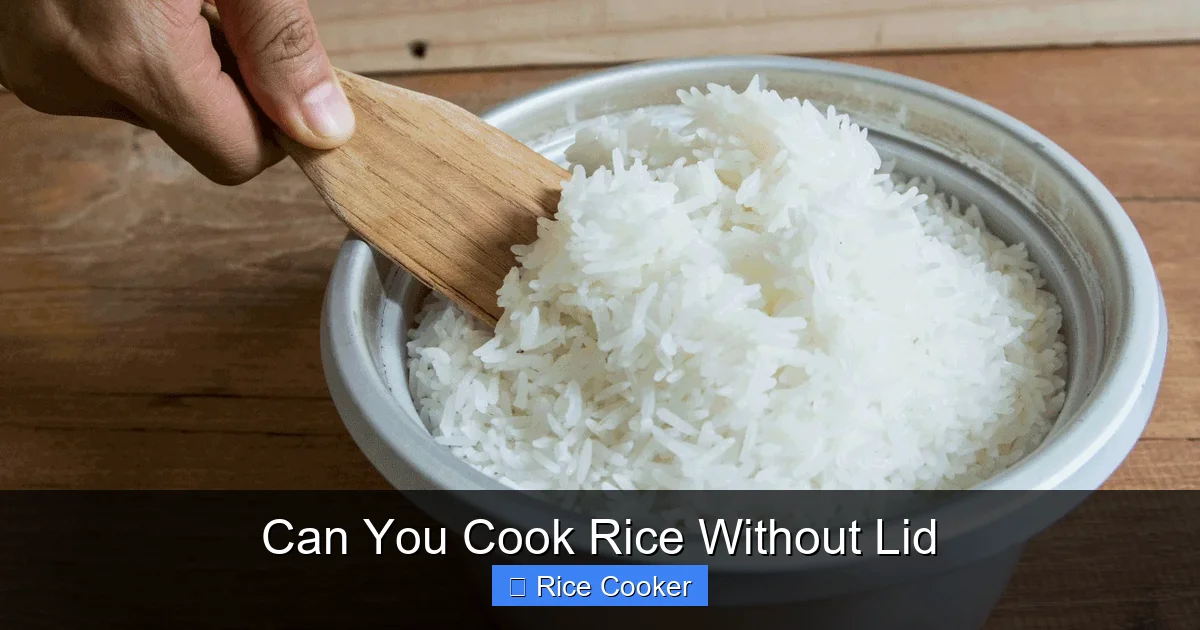
Visual guide about Can You Cook Rice Without Lid
Image source: expertreviewsbestricecooker.com
Most recipes call for a tight-fitting lid because:
- It maintains consistent internal temperature
- Prevents excess evaporation
- Allows rice to absorb water gradually
- Reduces the need for constant stirring or checking
But what happens if you remove the lid? Let’s break down the effects across different cooking styles.
Stovetop Rice Without a Lid
Cooking rice directly on the stove is one of the most common methods—and yes, you can do it without covering the pot. However, you’ll notice a few differences. First, the surface of the rice may develop a thin crust or become more brittle as moisture escapes. Second, you’ll likely need to stir occasionally to prevent sticking, especially if using a thinner-walled pan.
To succeed without a lid:
- Use a wide, shallow pan to increase surface area (reduces localized drying)
- Keep heat moderate—too high accelerates evaporation too quickly
- Check after 10–12 minutes (for white rice) and add splashes of water if needed
- Let it rest off-heat for 5 minutes before fluffing
This method works best for dishes like fried rice or pilafs where a drier texture is desired. Just be ready to adapt as you go!
Oven-Baked Rice: A Hands-Off Alternative
If you’ve got time, baking rice in the oven offers excellent control—and you don’t need a lid! Place rinsed rice and water in an oven-safe dish, cover loosely with foil, then bake at 375°F (190°C) for about 45–50 minutes. While this still uses some form of covering (foil counts!), you could also leave it completely uncovered for a crisper finish.
Uncovered oven rice tends to have:
- A nuttier flavor due to Maillard reactions
- More separation between grains
- Less risk of mushiness
Just remember: oven temperatures fluctuate, so use an instant-read thermometer to confirm internal temp reaches 198–203°F (92–95°C).
Electric Rice Cookers: Can They Work Without Lids?
This is where things get tricky. Most modern electric rice cookers are designed to operate within a sealed chamber—their heating elements and timers depend on consistent internal conditions. Opening the lid mid-cycle disrupts both temperature and pressure balance, often leading to undercooked or unevenly textured rice.
Visual guide about Can You Cook Rice Without Lid
Image source: cookingtipsblog.com
That said, there are exceptions:
- Some older models lack automatic shut-off and may allow manual intervention
- Specialty cookers labeled “open-lid capable” exist but are rare
- You can pause and check, but only if your model supports it (not recommended for beginners)
In general, it’s safer and smarter to keep the lid on during electric cooking. If yours doesn’t seal well, consider replacing it—or try another method entirely.
Microwave Rice: Fast & Flexible
The microwave is surprisingly versatile when it comes to rice preparation. And guess what? You rarely need a lid! Simply combine rice and water in a microwave-safe bowl or dish, cover loosely with a damp paper towel or vented plastic wrap, and cook on high for 10–15 minutes (depending on quantity). The towel acts as a makeshift lid by trapping steam while allowing excess moisture to escape.
Advantages of microwaving without a full lid:
- Faster cleanup
- Less chance of overcooking
- Better for small batches
Pro tip: Stir once halfway through and test doneness with a fork before serving.
Slow Cooker Rice: Low-and-Slow Perfection
Who knew a crockpot could make great rice? Yes—especially when you want hands-off cooking. Add rinsed rice, water (or broth), and a pinch of salt to your slow cooker. Set it on low for 2–3 hours or high for 1 hour. No lid required! In fact, leaving the lid off slightly (just cracked open) helps reduce sogginess.
Why it works:
- Even heat distribution
- Minimal evaporation
- Fluffy, separate grains
This method shines for meal prep or when you’re multitasking around the kitchen.
Tips for Cooking Rice Without a Lid Like a Pro
Ready to give it a try? Follow these expert-approved strategies to minimize frustration:
1. Measure Accurately
Rice expands as it cooks—usually doubling or tripling in volume. Always start with a precise ratio (typically 1:2 for white rice, 1:2.5 for brown). Too little water = dry disaster; too much = soupy mess.
2. Rinse Before Cooking
Washing removes excess starch, reducing stickiness—especially useful when going uncovered. Swirl rice in cold water until it runs clear, then drain thoroughly.
3. Preheat Your Pan (If Stovetop)
Lightly heating your pot before adding rice and water ensures even absorption and prevents hot spots that burn the base.
4. Monitor Closely
Set a timer every 5 minutes after boiling begins. Look for bubbling, steam rising, and grains splitting open. Adjust heat downward if necessary.
5. Rest Before Fluffing
Even without a lid, letting rice sit for 5–10 minutes post-cooking allows residual heat to finish hydration and improves texture.
6. Season Smartly
Add salt, butter, or herbs toward the end—uncovered cooking makes early additions more prone to burning.
Common Mistakes When Cooking Rice Uncovered
Newcomers often stumble here. Here’s what to watch out for:
- Not stirring enough: Leads to clumping or scorching
- Using cold water: Slows gelatinization of starches
- Overfilling the pot: Makes monitoring difficult and increases spillage
- Skipping the rinse: Results in gummy texture
- Ignoring grain type: Basmati, jasmine, arborio—each behaves differently without coverage
When in doubt, consult a trusted rice chart based on variety and desired consistency.
Final Thoughts: Is It Worth It?
So, can you cook rice without a lid? Absolutely—but whether it’s worth your effort depends on your priorities. If you value convenience and consistently soft, tender grains, then keeping the lid on is hard to beat. On the flip side, if you enjoy experimenting, want firmer bites, or simply ran out of lids, uncovered methods offer flexibility and unique textures.
Remember: rice is forgiving. Even if your first attempt isn’t perfect, you’ll learn something valuable. Try adjusting one variable at a time—water amount, heat level, resting time—and soon enough, you’ll master the art of lid-free rice.
And hey, now you know: next time someone asks, “Can you cook rice without lid?”—you’ll have all the answers!
Frequently Asked Questions
Is it okay to cook rice without covering it?
Yes, it’s perfectly fine to cook rice without a lid, though the texture will differ. Uncovered rice typically dries out slightly and becomes flakier, making it ideal for dishes like fried rice or pilafs.
Will rice cook faster without a lid?
Actually, rice may take longer or cook unevenly without a lid because moisture escapes more quickly. However, some chefs prefer the extra time as it allows better control over consistency.
Does uncovered rice taste different?
Yes—uncovered rice often has a nuttier, chewier flavor due to reduced steam and increased surface contact with air. It’s less sticky and more distinct between individual grains.
Can I use a towel instead of a lid?
Absolutely! A damp paper towel or cheesecloth draped over your pot mimics a lid by trapping steam while allowing excess moisture to escape. This works especially well in microwaves or covered pans.
What type of rice benefits most from being cooked uncovered?
Long-grain varieties like basmati, jasmine, or American long-grain respond best to uncovered cooking. Their slender shape and low starch content help maintain separation and prevent mushiness.
How do I prevent my rice from getting too dry without a lid?
Start with slightly more liquid than usual, reduce heat as it approaches completion, and add small amounts of water if needed during cooking. Also, using a wide pan increases evaporation, so choose deeper pots when possible.