
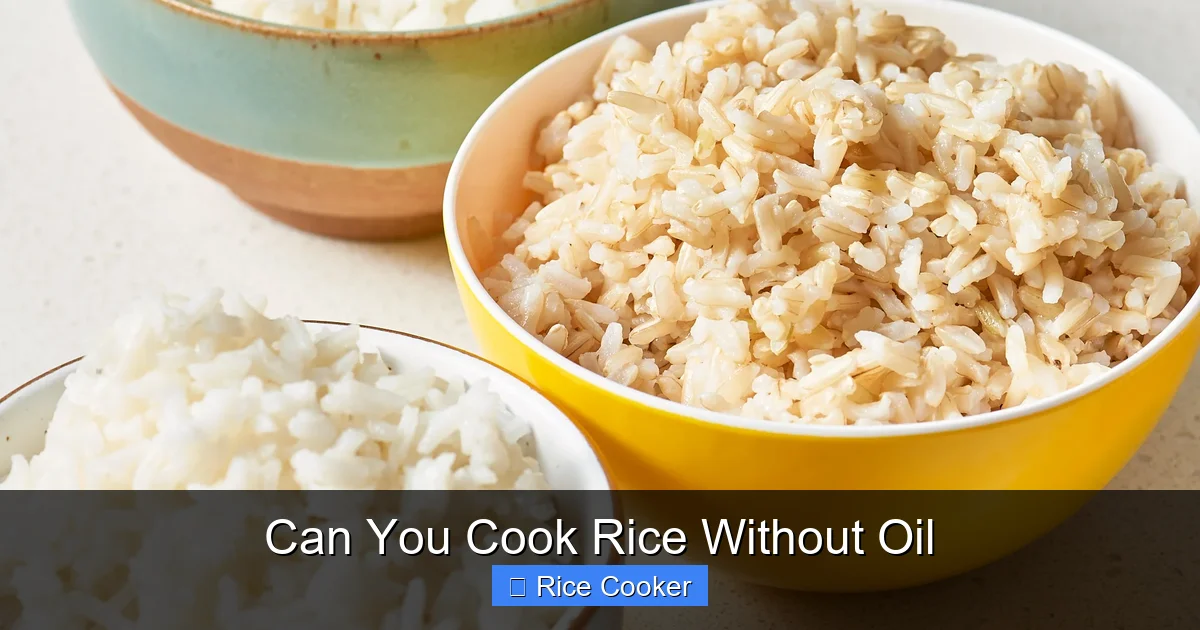
Cooking rice without oil is not only possible but often healthier and simpler. Whether you’re using a rice cooker, stovetop, or microwave, you can achieve perfectly cooked, fluffy rice using just water. This guide walks you through safe, effective methods that preserve flavor, reduce calories, and keep your dishes oil-free.
Key Takeaways
- You can cook rice without oil using water alone—no oil needed for basic white or brown rice.
- Rice cookers make oil-free cooking effortless, with automatic settings that prevent sticking and overcooking.
- Stovetop methods work too, especially with a tight-fitting lid to trap steam and moisture.
- Soaking rice before cooking improves texture and reduces cooking time, even without oil.
- Brown rice may require slightly more liquid than white rice when cooked without oil due to its bran layer.
- Adding salt or herbs early enhances flavor without needing oil for seasoning.
- Resting cooked rice helps separate grains, resulting in fluffier, less sticky results.
📑 Table of Contents
- Introduction: The Truth About Cooking Rice Without Oil
- Why People Think Oil Is Necessary (And Why It’s Not)
- Can You Really Cook Rice Without Oil? The Science Behind It
- How to Cook Rice Without Oil Using a Rice Cooker
- Stovetop Methods for Oil-Free Rice Cooking
- Alternative Ways to Cook Rice Without Oil
- Health Benefits of Cooking Rice Without Oil
- Troubleshooting Common Issues When Cooking Rice Without Oil
- Flavor Enhancements Without Adding Oil
- Conclusion: Embrace Oil-Free Rice with Confidence
Introduction: The Truth About Cooking Rice Without Oil
Have you ever wondered if you can cook rice without oil? Maybe you’re trying to eat healthier, manage calorie intake, or simply avoid adding extra fats to your meals. Or perhaps you’ve noticed that most recipes call for a splash of oil—but you’re curious whether it’s truly necessary. The good news? You absolutely can cook rice without oil, and doing so doesn’t mean sacrificing taste, texture, or ease.
Rice is one of the world’s most versatile and widely consumed staple foods. From biryanis to stir-fries to simple side dishes, rice plays a starring role in countless cuisines. But traditional recipes often include oil—either to sauté aromatics like onions and garlic, or to prevent sticking during cooking. However, modern rice cookers and updated cooking techniques have made oil-free rice not just possible, but easier than ever. In this article, we’ll explore how to cook perfect, fluffy rice without any oil at all—whether you’re using a rice cooker, stovetop, or even a microwave. We’ll also debunk myths, share pro tips, and show you why going oil-free might be the best decision you make for your next bowl of rice.
Why People Think Oil Is Necessary (And Why It’s Not)
Many people assume that oil is essential when cooking rice because it helps prevent the grains from sticking together. After all, who hasn’t had a burnt or clumpy mess on the bottom of their pot? But here’s the truth: oil isn’t about preventing sticking—it’s about enhancing texture and flavor. When rice is cooked properly with adequate water and heat control, sticking isn’t an issue. In fact, modern non-stick cookware and high-quality rice cookers are specifically designed to handle rice without any added fat.
Another common belief is that oil helps distribute heat evenly. While oil does conduct heat well, rice cooks primarily through steam and direct contact with hot surfaces—not through conduction like frying. So unless you’re browning rice or making fried rice, oil isn’t required for even heating. Plus, skipping the oil reduces saturated fat and calories without compromising the final result.
Can You Really Cook Rice Without Oil? The Science Behind It
Let’s talk science for a moment. Rice is essentially starchy seed—specifically, the endosperm of cereal grains like jasmine, basmati, or short-grain white rice. When heated in water, the starches absorb moisture and swell, eventually gelatinizing to create a soft, edible grain. This process relies entirely on water and heat—not fat.
The misconception that oil prevents sticking likely comes from old cooking methods or low-quality pots. If your pot has scratches or poor non-stick coating, rice *can* stick. But with a good-quality pot or rice cooker, rice glides freely without any oil. In fact, some professional chefs prefer cooking rice without oil because it allows the natural flavor of the rice and any added seasonings to shine through.
Moreover, cooking rice without oil aligns with many dietary preferences—low-fat, vegan, keto-adjacent (in moderation), or simply mindful eating. And contrary to popular belief, removing oil doesn’t make rice bland. With the right technique, your rice will be light, fluffy, and full of flavor.
How to Cook Rice Without Oil Using a Rice Cooker
If you own a rice cooker—and let’s be honest, most households do—this is the easiest way to cook oil-free rice. Rice cookers are designed to deliver consistent, precise results with minimal effort. Here’s how to do it:
Step-by-Step Guide
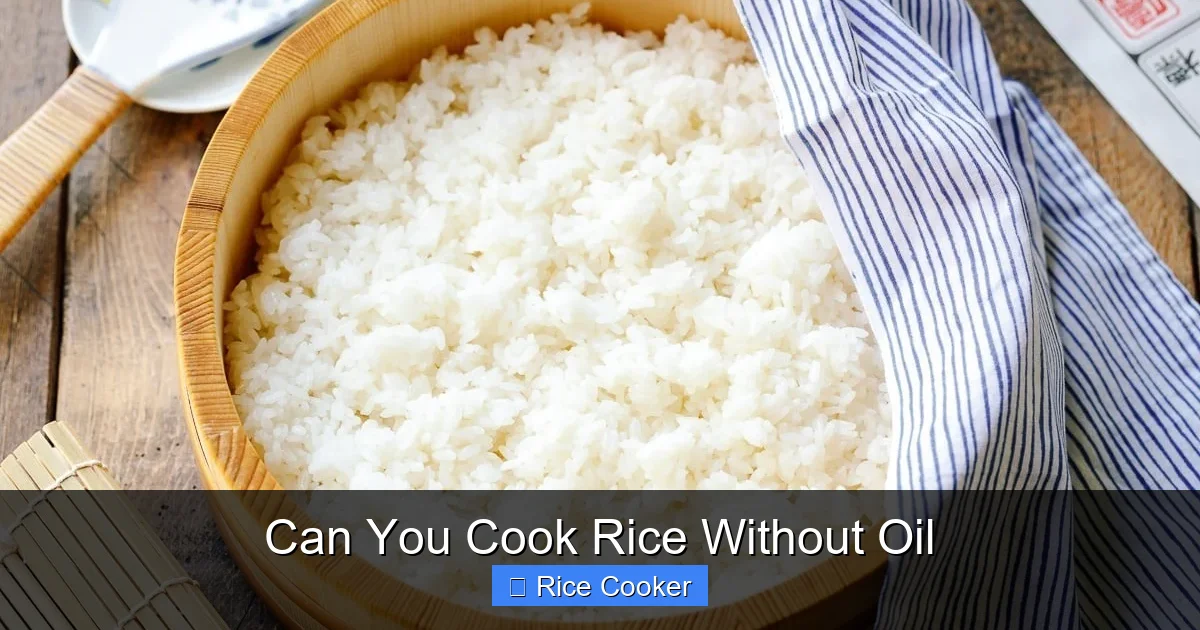
Step 1: Rinse your rice under cold running water until the water runs clear. This removes excess starch and prevents gummy results.
Visual guide about Can You Cook Rice Without Oil
Image source: pastimebarandgrill.com
Visual guide about Can You Cook Rice Without Oil
Image source: recipes.net
Step 2: Add the rinsed rice to the inner pot of your rice cooker.
Step 3: Measure the correct amount of water. A general rule is 1 cup of uncooked rice to 1.5 cups of water for white rice, or 1.75–2 cups for brown rice.
Step 4: Close the lid and press the “Cook” button. Most rice cookers have preset modes—white rice, brown rice, quick cook, etc.—so choose accordingly.
Step 5: Once the cycle completes, let the rice rest for 5–10 minutes with the lid closed. This allows residual steam to finish cooking the rice gently.
Step 6: Fluff the rice with a fork and serve!
One of the biggest advantages of using a rice cooker is its ability to maintain consistent temperature throughout the cooking process. Unlike stovetop methods, where heat fluctuations can lead to uneven cooking, rice cookers automatically switch to “warm” mode once done—keeping your rice ready to eat without burning.
Pro Tips for Perfect Oil-Free Rice Cooker Rice
- Don’t skip rinsing: Even if your rice package says “no rinse required,” rinsing removes dust and excess starch.
- Use filtered water: Tap water can contain chlorine or minerals that affect taste and texture.
- Add flavor without oil: Try adding a pinch of salt, a bay leaf, or a sprig of fresh herbs like thyme or parsley to the water before cooking.
- For extra aroma: Swap plain water for vegetable broth or coconut milk (for a subtle sweetness) instead of oil.
Stovetop Methods for Oil-Free Rice Cooking
Not everyone has a rice cooker, and that’s totally okay. You can still cook delicious, oil-free rice on the stove—it just requires a bit more attention. The key is using a heavy-bottomed pot with a tight-fitting lid and controlling the heat carefully.
The Classic Stovetop Method
This method works great for small batches and gives you full control over the process.
- Rinse 1 cup of rice and add it to a medium saucepan.
- Add 2 cups of water (or broth) and a pinch of salt.
- Bring to a boil over high heat.
- Once boiling, reduce heat to low, cover tightly with a lid, and simmer for 18–20 minutes for white rice or 40–45 minutes for brown rice.
- Turn off the heat and let it sit, covered, for 10 minutes.
- Fluff with a fork before serving.
Tips for Avoiding Sticking on the Stove
- Use a non-stick pan: If your regular pot sticks easily, consider investing in a high-quality non-stick skillet or stainless steel pot with good heat distribution.
- Don’t stir while cooking: Stirring releases starch and causes mushiness. Let the rice cook undisturbed after covering.
- Check the seal: Make sure your lid fits snugly. Steam builds pressure inside, which is essential for tender rice.
- Adjust heat as needed: Too much heat can scorch the bottom; too little may leave rice undercooked.
Alternative Ways to Cook Rice Without Oil
There are several other methods beyond the standard rice cooker and stovetop. Each has its own advantages depending on your kitchen setup and desired outcome.
Microwave Method
This is ideal for quick single servings or dorm-room cooking.
- Place ½ cup of rinsed rice in a microwave-safe dish.
- Add ¾ cup of water and a pinch of salt.
- Cover with a microwave-safe lid or plastic wrap (leave a small vent).
- Microwave on high for 10 minutes, then let stand 5 minutes.
- Fluff and enjoy!
Note: Microwaving works best for short-grain or instant rice. Long-grain types like basmati may need longer times and more stirring.
Around-the-Rim Cooking (No Lid Required)
This ancient Chinese method involves boiling rice in shallow water and then letting it steam around the edges using a wok or special pot.
- Boil 2 cups of water in a large pot.
- Add 1 cup of rinsed rice and bring back to a boil.
- Reduce heat to low, tilt the pot so water pools on one side, and place a heatproof plate or lid at an angle.
- Steam for 15–20 minutes until rice is done.
- Remove the plate and fluff.
This method uses convection to cook rice without a lid—great for hands-off preparation.
Pressure Cooker (Instant Pot) Method
If you have an Instant Pot or similar pressure cooker, you can cook rice in under 10 minutes.
- Add 1 cup rice + 1.25 cups water to the pot.
- Close the lid, set valve to sealing, and select “Manual/Pressure Cook” for 3 minutes (white rice) or 12 minutes (brown rice).
- Let natural release for 10 minutes, then quick-release remaining pressure.
- Fluff and serve.
This method saves time and energy while producing consistently tender rice.
Health Benefits of Cooking Rice Without Oil
Choosing to cook rice without oil isn’t just about convenience—it offers real health perks. Let’s break down why ditching the oil makes sense for your well-being.
Lower Calorie Intake
One tablespoon of oil contains about 120 calories. By skipping it, you save those calories without sacrificing satiety or nutrition. For someone eating multiple servings of rice daily, this adds up quickly.
Reduced Saturated Fat
Most oils—especially refined ones—contain high levels of unsaturated fats, but some cooking oils (like palm or coconut) are mostly saturated. Cutting oil lowers overall fat content, supporting heart health.
Cleaner Ingredients
Oil-free rice means fewer processed ingredients. No need to worry about hydrogenated oils, additives, or artificial flavors lurking in your meal.
Better for Digestive Health
Some people find that heavy oils can cause bloating or discomfort. Light, clean rice is gentler on the stomach, especially when paired with fiber-rich vegetables.
Supports Dietary Goals
Whether you’re following a low-fat diet, intermittent fasting, or simply counting macros, oil-free rice fits seamlessly into many eating plans.
Troubleshooting Common Issues When Cooking Rice Without Oil
Even with the best intentions, mistakes happen. Here’s how to fix common problems when cooking rice without oil.
Problem: Rice Sticks Together
Cause: Overcrowding, insufficient rinsing, or not letting rice rest.
Fix: Always rinse thoroughly. Cook in smaller batches if needed. Always rest rice after cooking to allow steam to redistribute moisture.
Problem: Rice Is Gummy or Mushy
Cause: Too much water or prolonged cooking.
Fix: Use accurate water ratios. For stovetop, don’t lift the lid during cooking. Drain excess water if necessary.
Problem: Undercooked or Hard Grains
Cause: Insufficient heat or wrong water ratio.
Fix: Ensure proper simmering time. Brown rice takes longer than white rice. Consider soaking brown rice for 30 minutes beforehand.
Problem: Burnt Bottom Layer
Cause: Uneven heat or poor-quality pot.
Fix: Use a heavy-bottomed pot. Reduce heat after boiling. Stir occasionally during initial stages (before covering).
Flavor Enhancements Without Adding Oil
Just because there’s no oil doesn’t mean your rice has to be boring. There are plenty of ways to infuse flavor using water, spices, and aromatics.
Infused Water
Instead of plain water, try:
- Veggie broth or mushroom stock
- Coconut water for a tropical twist
- Apple cider vinegar (¼ tsp) for tangy basmati
- Bay leaves, cinnamon stick, or star anise for Indian-style fragrant rice
Seasoning During Cooking
Add a pinch of salt early—it penetrates deeper than when added at the end. You can also toss in garlic cloves, ginger slices, or lemongrass for subtle background notes.
Serving Suggestions
Elevate your plain rice by serving it with:
- Roasted vegetables drizzled with lemon juice
- Grilled chicken or tofu seasoned with turmeric and paprika
- A dollop of hummus or avocado crema
- A sprinkle of nutritional yeast for a cheesy, savory kick
Conclusion: Embrace Oil-Free Rice with Confidence
Cooking rice without oil is not only possible—it’s practical, healthy, and surprisingly simple. Thanks to modern appliances like rice cookers and improved cooking techniques, you no longer need to rely on oil to achieve perfect results. Whether you’re cooking for weight management, dietary restrictions, or just want cleaner meals, ditching oil opens up new possibilities without sacrificing taste or texture.
From stovetop mastery to microwave shortcuts, there’s a method for every home chef. Remember: the secret isn’t oil—it’s rinsing, measuring water accurately, and respecting the cooking time. With these basics down, you’ll never look at rice the same way again.
Next time you reach for that bottle of oil, ask yourself: Do I really need it? More often than not, the answer is no. Go ahead—make a pot of fluffy, oil-free rice today. Your future self (and your waistline) will thank you.
Frequently Asked Questions
Is it safe to cook rice without oil?
Yes, it’s completely safe and actually recommended by many nutritionists. Rice cooks perfectly fine using just water and heat—oil isn’t required for safety or edibility.
Will rice stick to the pot if I don’t use oil?
Not if you’re using a quality non-stick pot or rice cooker. Sticking usually happens due to poor cookware or overcrowding, not lack of oil.
Can I cook brown rice without oil?
Absolutely! Brown rice just needs more water and longer cooking time, but no oil is necessary. Try 1 cup rice to 2 cups water on the stovetop or in a rice cooker.
Does cooking rice without oil change the taste?
It actually enhances the natural flavor of rice. Without oil masking the taste, you’ll notice subtle nuances in aroma and texture—especially in long-grain varieties like basmati.
How do I keep my rice fluffy without oil?
Let rice rest covered for 5–10 minutes after cooking. Then fluff gently with a fork. This redistributes steam and separates grains naturally.
Can I add flavor to oil-free rice?
Yes! Use infused water (broth, coconut water, or herbal teas), whole spices (bay leaves, cardamom), or herbs. Salt early for deeper penetration—no oil needed.