
Can you cook risotto like rice? While both use rice, risotto requires slow cooking with constant stirring to release starch for creaminess—something a standard rice cooker can’t replicate. However, with the right tools and technique, you can make rich, restaurant-quality risotto at home without hours of effort.
Can you cook risotto like rice? It’s a question many home cooks ask when they see creamy, golden bowls of risotto on restaurant menus but only have a rice cooker at home. At first glance, risotto looks like just another type of rice—but appearances can be deceiving. While both dishes begin with uncooked rice, their textures, flavors, and cooking techniques are worlds apart. The magic of risotto lies not in boiling it like plain white rice, but in coaxing out the starch through slow, careful cooking.
In this guide, we’ll explore what makes risotto unique, whether your rice cooker can handle it, and how you can make an amazing version at home—even if you’ve never stirred a pot before. Whether you’re a beginner or a seasoned cook looking to expand your repertoire, understanding the difference between risotto and regular rice will change the way you think about cooking grains forever.
Key Takeaways
- Risotto isn’t just cooked rice: Unlike plain rice, risotto demands gradual addition of broth and constant stirring to build its signature creamy texture.
- Traditional method matters: Authentic risotto uses Arborio or Carnaroli rice, simmered slowly with warm broth and stirred frequently over low heat.
- A rice cooker can help: Some advanced models offer “risotto” settings that mimic the process by cycling between high and low temperatures.
- You can adapt recipes: With patience and attention, even stovetop-only methods can yield great results—no fancy equipment required.
- Timing is everything: Risotto takes about 18–22 minutes from start to finish, so plan accordingly and keep broth warm during cooking.
- Flavor builds in layers: Toasting rice first, using homemade stock, and finishing with butter and Parmesan elevate your dish beyond basic rice.
- Don’t skip the final step: Adding cold butter and cheese off the heat creates a silky finish that sets risotto apart from boiled rice.
📑 Table of Contents
- What Makes Risotto Different from Regular Rice?
- Can a Rice Cooker Make Risotto?
- The Classic Stovetop Method: Step-by-Step
- Adapting Rice Cooker Recipes for Risotto
- Common Mistakes When Making Risotto
- Pairing Risotto with Food and Drinks
- Storing and Reheating Leftover Risotto
- Final Thoughts: Is It Worth the Effort?
What Makes Risotto Different from Regular Rice?
To answer the big question—can you cook risotto like rice?—we need to understand why they’re so different. Most people grow up eating rice as a side dish: fluffy, separate grains that absorb water and steam until tender. Risotto, on the other hand, is more like a sauce than a grain. Its defining feature is its creamy, velvety consistency, achieved by slowly releasing starch from short-grain rice into the liquid.
The rice used matters too. Traditional risotto relies on special varieties like Arborio, Vialone Nano, or Carnaroli—all Italian short-grain rices packed with starch but low in amylose, which prevents them from turning mushy. These rices hold their shape while becoming incredibly creamy. In contrast, long-grain rice like basmati or jasmine breaks down when cooked this way and would result in a gluey mess.
Another key difference is the cooking method. Plain rice is usually boiled quickly in plenty of water or broth until all liquid is absorbed. Risotto, however, involves adding small amounts of hot broth one ladle at a time, stirring constantly. This allows each grain to gradually absorb moisture while releasing starch into the surrounding liquid. The result? A luscious, unified texture where every bite feels rich and satisfying.
Can a Rice Cooker Make Risotto?
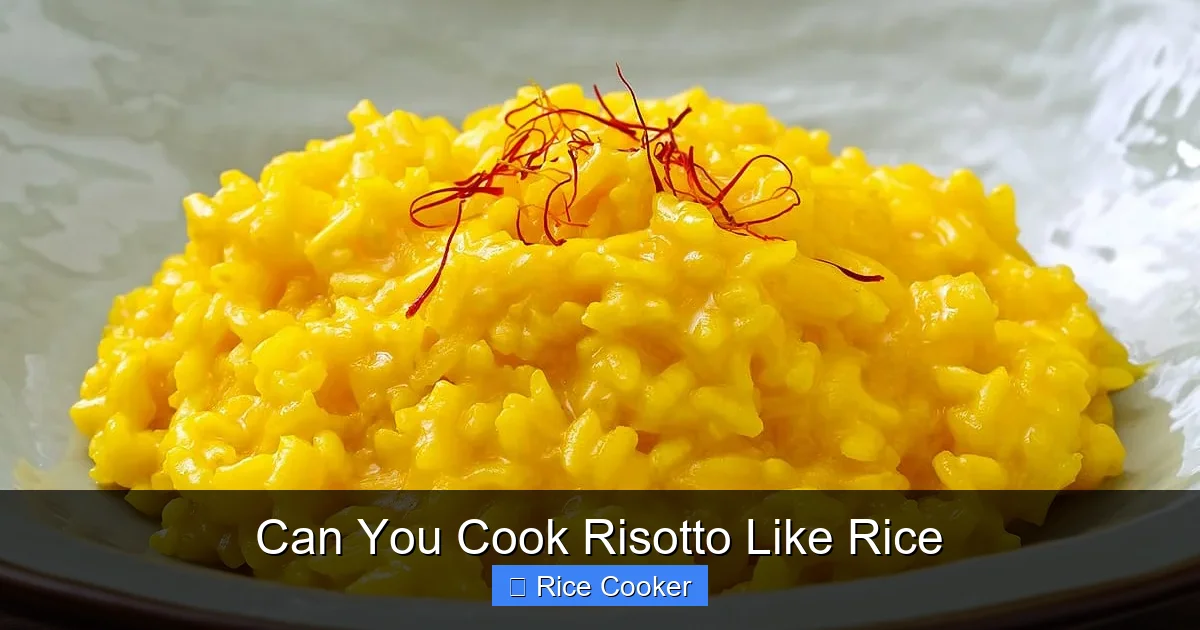
Visual guide about Can You Cook Risotto Like Rice
Image source: gocookyummy.com
Now for the million-dollar question: Can you cook risotto like rice using just a rice cooker? The short answer is yes—but with caveats. Standard rice cookers aren’t designed to stir or monitor temperature changes like a chef’s pan. They follow preset programs: boil, steam, then hold. But some modern models come with specialized settings—including a “risotto” mode.
These advanced cookers work by mimicking the traditional method. Instead of letting everything sit, they cycle between high and low heat phases, gently heating the mixture and encouraging starch release without scorching. You still need to add broth gradually and stir occasionally, but the cooker handles the timing and heat control.
If you don’t have a smart rice cooker, you’re not out of luck. Many cooks successfully make risotto on the stovetop using simple pots and a bit of focus. The key is patience and attention—not complicated gadgets.
Pros and Cons of Using a Rice Cooker for Risotto
- Pros: Hands-off cooking, consistent results, fewer chances for burning or sticking.
- Cons: Limited control over texture, may require manual intervention (stirring, checking doneness).
- Best for: Beginners who want ease without sacrificing authenticity.
For those invested in the process, stovetop risotto offers deeper flavor development and tactile feedback—you feel the creaminess building with each stir. But if convenience is your goal, a risotto-friendly rice cooker is a solid choice.
The Classic Stovetop Method: Step-by-Step
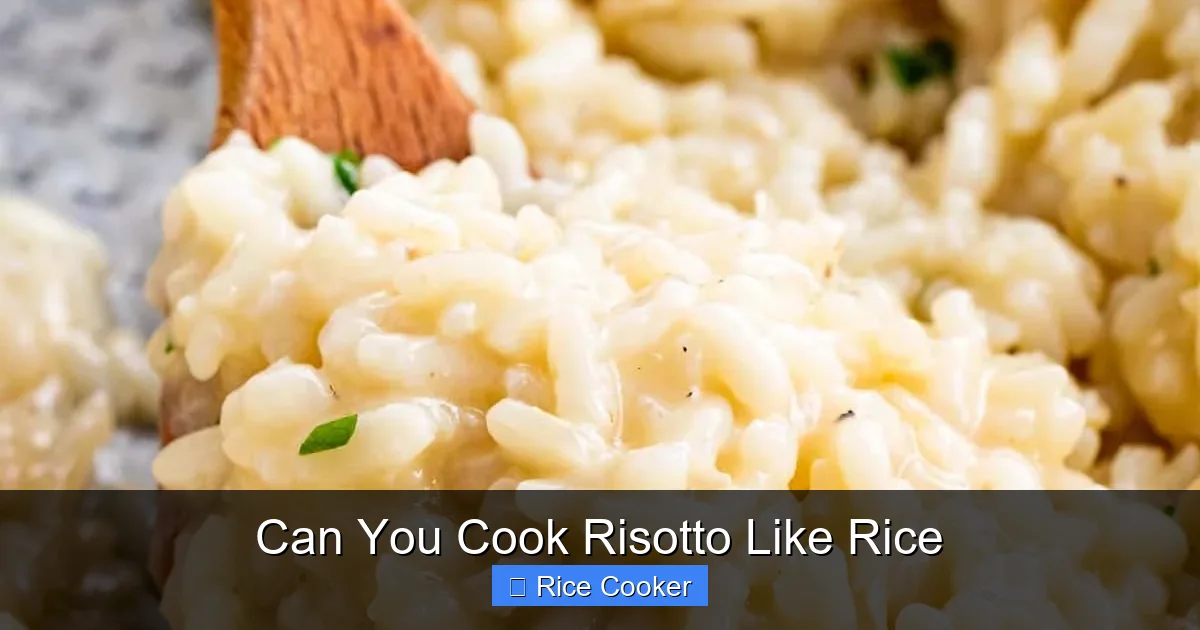
Visual guide about Can You Cook Risotto Like Rice
Image source: cravinghomecooked.com
Even without a rice cooker, making risotto at home is simpler than you might think. Here’s how to do it the old-fashioned way:
Start by heating olive oil or butter in a wide saucepan over medium heat. Add finely chopped onions or shallots and sauté until soft and translucent—about 4–5 minutes. Don’t rush this step; it builds foundational flavor.
Next, add your rinsed risotto rice (Arborio works best) and toast it gently for 1–2 minutes, stirring constantly. This caramelizes the surface starches, enhancing creaminess later. If you skip this, your risotto won’t develop that deep, nutty aroma.
Now comes the core technique: add a splash of dry white wine and stir until mostly absorbed. Then begin adding warm broth—about ½ cup at a time—stirring after each addition. Wait until almost all liquid is absorbed before adding more. This slow absorption releases starch gradually, creating that signature silkiness.
Continue this process for 18–22 minutes total, tasting occasionally. The rice should be al dente—tender but still slightly firm to the bite. Resist the urge to speed things up; rushing ruins the texture.
Once done, remove from heat and stir in cold butter (about 2 tablespoons per cup of rice) plus freshly grated Parmigiano-Reggiano. The cold fat cools the rice instantly, locking in creaminess. Season with salt and pepper, and serve immediately.
Tips for Perfect Stovetop Risotto
- Use warm broth—cold liquid slows cooking and disrupts starch release.
- Keep a ladle nearby and a second pot of broth simmering.
- Stir often—especially during the first 5 minutes—to prevent sticking.
- Never cover the pot; steam builds pressure and changes texture.
- Add cheese and butter off the heat for best results.
With practice, this method becomes second nature. And once mastered, you’ll wonder why you ever thought risotto was hard.
Adapting Rice Cooker Recipes for Risotto
Many rice cooker recipes claim to make “risotto-like” dishes by using extra liquid and longer cook times. But unless your machine has a dedicated risotto function, these often fall short. That said, you can adapt your favorite rice cooker method with a few tweaks.
Start by increasing the liquid ratio. For every 1 cup of rice, use 3–3½ cups of broth instead of the usual 2. Add your aromatics (onions, garlic) early in the cycle, and consider toasting the rice briefly in a skillet before transferring it to the cooker.
Some users swear by pre-stirring the rice halfway through the cook cycle, then resuming. Others recommend switching to “keep warm” mode once done, then finishing with butter and cheese off-heat. While not identical to traditional risotto, these hacks can yield a decent, creamy result—especially if you love the convenience of one-pot cooking.
Just remember: true risotto is about technique, not shortcuts. If you’re willing to put in the time, the stovetop always wins on flavor and texture.
Common Mistakes When Making Risotto
Even experienced cooks stumble when making risotto. Here are the most frequent errors—and how to avoid them:
- Using the wrong rice: Stick to short-grain varieties. Long-grain rice turns gummy.
- Skipping the toasting step: This removes raw flavor and reduces stickiness.
- Adding cold broth: Cold liquid halts starch release and extends cook time unnecessarily.
- Overcooking: Risotto should be al dente, not mushy. Taste frequently near the end.
- Not stirring enough: Constant motion ensures even cooking and starch distribution.
- Ignoring resting time: Let risotto sit for 1–2 minutes after cooking—it firms up slightly.
Avoiding these pitfalls will save you from disappointment and ensure every bowl is restaurant-worthy.
Pairing Risotto with Food and Drinks
Risotto shines as a versatile canvas. Its creamy base pairs beautifully with bold flavors: mushrooms (wild or porcini), seafood (shrimp, scallops, or clams), roasted vegetables, or even sweet elements like butternut squash or truffle oil. Top with herbs such as parsley, chives, or thyme for freshness.
As for drinks, crisp white wines like Pinot Grigio, Sauvignon Blanc, or Vermentino complement risotto perfectly—they cut through richness without overpowering subtle flavors. Red wines can work too, especially earthy styles like Barbera or Chianti, but avoid heavy tannins if serving with seafood.
And don’t forget sides! A simple green salad or crusty bread makes a great accompaniment, helping balance the dish’s decadence.
Storing and Reheating Leftover Risotto
Leftover risotto is delicious the next day—if handled correctly. Let it cool completely, then store in an airtight container in the fridge for up to 3 days. Avoid plastic wrap touching the surface; instead, cover with parchment first.
Reheat gently: place in a saucepan over low heat with a splash of broth or water. Stir constantly until warmed through—don’t microwave it straight from the fridge, as it can become soggy or rubbery.
For best results, finish reheated risotto with a knob of butter and a sprinkle of cheese to restore creaminess.
Final Thoughts: Is It Worth the Effort?
So, can you cook risotto like rice? Technically, yes—but only if you adjust your expectations. True risotto isn’t just about boiling rice in broth; it’s an art form built on patience, technique, and respect for ingredients. While a rice cooker can simplify the process, nothing beats the hands-on experience of stovetop cooking.
That said, with the right tools and mindset, anyone can master risotto. Start small, embrace imperfection, and enjoy the journey. Once you taste that first spoonful—creamy, aromatic, and deeply satisfying—you’ll agree: the effort is absolutely worth it.
Whether you’re using a traditional pot or a smart rice cooker, the joy of making risotto at home lies in the transformation: from plain grains to something extraordinary. So go ahead—grab your rice, fire up the stove, and let’s cook!
Frequently Asked Questions
Can I use any type of rice to make risotto?
No, only short-grain rices like Arborio, Carnaroli, or Vialone Nano work best. Their high starch content creates the creamy texture essential for risotto. Long-grain rice lacks this property and will turn mushy or sticky.
How much broth should I use for risotto?
Use about 6 cups of broth for every 1 cup of rice. The liquid should be kept warm throughout cooking, and added gradually—about ½ cup at a time—until absorbed.
Why does my risotto turn out watery?
Watery risotto usually means the broth wasn’t added gradually or enough starch was released. Make sure to stir constantly and wait for each batch of broth to absorb before adding more.
Can I make risotto in advance?
It’s best served immediately, but leftover risotto can be refrigerated for up to 3 days. Reheat gently on the stove with a little broth, stirring until creamy again.
Do I need to rinse the rice before cooking?
Not necessarily. Some chefs rinse to remove excess starch, but others prefer unrinsed rice for better creaminess. If skipping rins, use cooler water to avoid breaking grains.
Is risotto healthier than regular rice?
Risotto has similar calorie counts but higher fat from butter and cheese. However, it provides more nutrients from broth and vegetables, making it a balanced choice when made mindfully.