
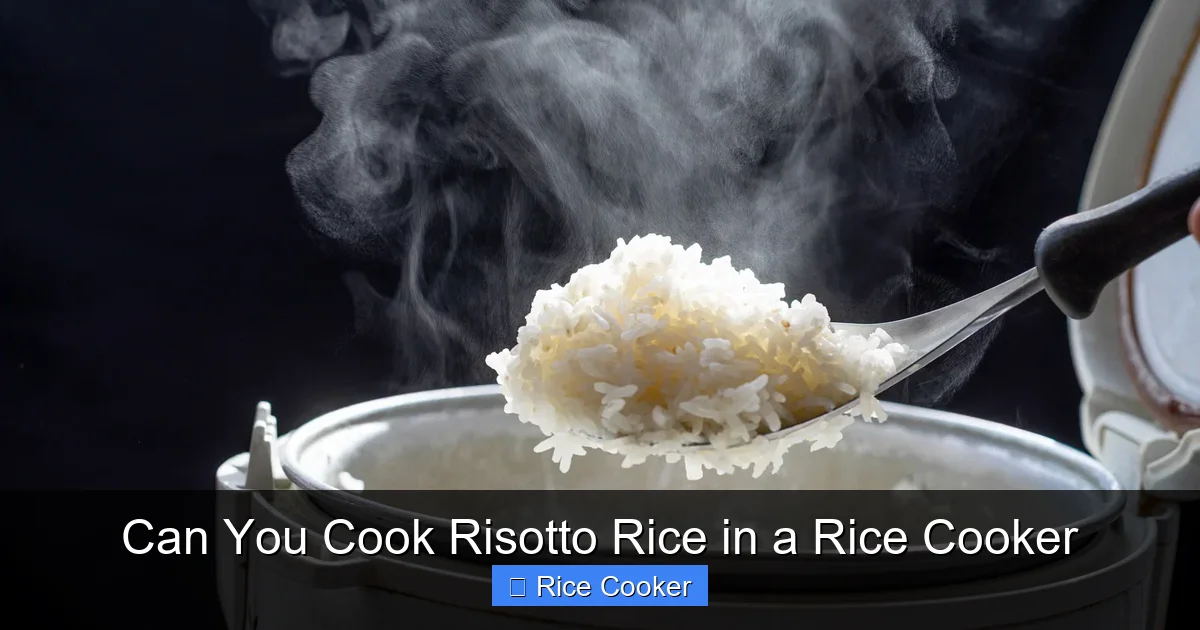
Can you cook risotto rice in a rice cooker? Absolutely! While traditional risotto requires constant stirring, a rice cooker automates the process for hands-off, foolproof results. With the right technique, rice cookers deliver creamy texture and rich flavor—just like stovetop risotto, but easier.
Key Takeaways
- Yes, it’s possible: A rice cooker can make risotto, especially with short-grain varieties like Arborio or Carnaroli.
- Texture matters: Use high-starch rice and stir occasionally to prevent sticking while the cooker does the rest.
- Broth is key: Add warm broth gradually to maintain even cooking and achieve creaminess.
- Don’t skip sautéing: Sautéing rice first enhances flavor and reduces cooking time inside the cooker.
- Experiment with flavors: Add cheese, herbs, or wine during the final stages for a gourmet touch.
- Cleanup is easy: Most rice cookers have non-stick inner pots that make cleanup simple.
- Not all recipes are equal: Follow tested methods to avoid mushy or undercooked rice.
📑 Table of Contents
- Can You Cook Risotto Rice in a Rice Cooker?
- The Science Behind Risotto and Why a Rice Cooker Works
- Choosing the Right Rice for Risotto in a Rice Cooker
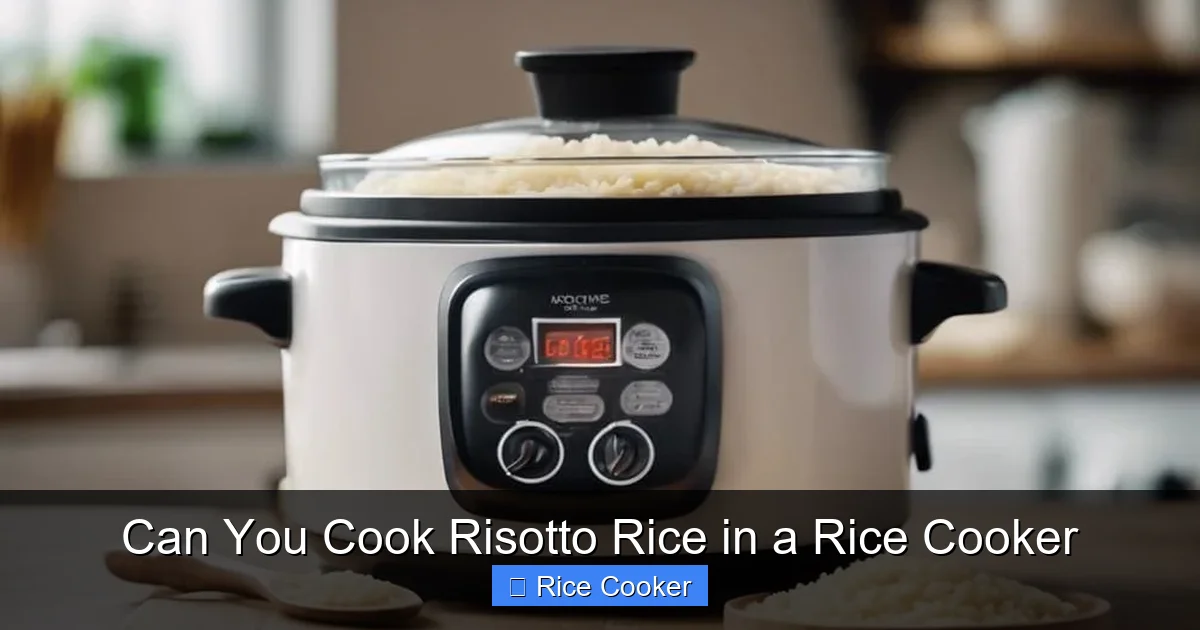
- Essential Equipment: What Your Rice Cooker Needs
- Step-by-Step Guide: How to Make Risotto in a Rice Cooker
- Flavor Variations: Beyond Basic Mushroom Risotto
- Common Mistakes and How to Avoid Them
- Cleaning and Maintenance Tips
- Comparing Rice Cooker Risotto vs. Stovetop Risotto
- Frequently Asked Questions (FAQs)
- Final Thoughts: Embrace the Convenience
Can You Cook Risotto Rice in a Rice Cooker?
Imagine waking up on a chilly evening craving a bowl of rich, creamy risotto—golden grains, savory broth, and that signature velvety mouthfeel. You reach for your favorite Arborio rice, ready to embark on the classic 45-minute stovetop ritual: constant stirring, simmering, and tasting. But what if you could skip the elbow grease and still get restaurant-quality results? Enter the humble rice cooker.
That’s right—you can absolutely cook risotto rice in a rice cooker. It may sound surprising, since risotto is traditionally made on the stove with careful attention. But modern rice cookers, especially newer models with advanced settings, are capable of producing tender, creamy risotto with minimal supervision. Whether you’re a busy parent, a college student, or just someone who hates scrubbing pans, this method could revolutionize your Italian cooking game.
In this guide, we’ll walk you through everything you need to know about making risotto in a rice cooker. From choosing the right rice to timing and seasoning tips, we’ll cover the essentials so you can enjoy perfect risotto every time—without standing over a hot stove.
The Science Behind Risotto and Why a Rice Cooker Works
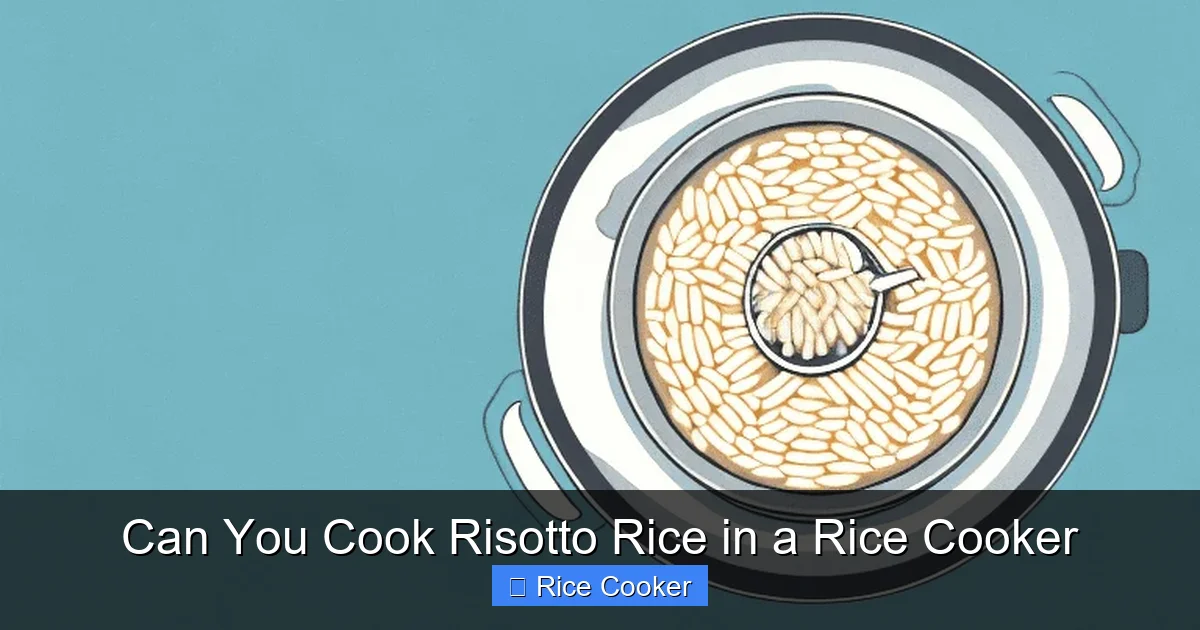
Before we dive into the how-to, let’s talk about the science. Risotto gets its creamy texture from the starch released by the rice as it cooks. Short-grain varieties like Arborio, Vialone Nano, and Carnaroli are ideal because they contain high levels of amylopectin, a starch that breaks down easily when cooked in liquid, creating that luxurious mouthfeel.
Visual guide about Can You Cook Risotto Rice in a Rice Cooker
Image source: ricearray.org
Traditionally, risotto is stirred constantly to help distribute heat evenly and encourage starch release. This also prevents scorching and ensures uniform cooking. But here’s where the rice cooker shines: its automated heating cycles mimic the gentle, consistent warmth needed for rice to absorb liquid slowly and evenly. Many models use a “keep warm” function that maintains a low temperature, allowing the rice to finish cooking without drying out or burning.
So yes, you can cook risotto rice in a rice cooker—but only if you follow a few key steps. The secret lies in preparation, liquid ratio, and timing. Let’s break it down.
Choosing the Right Rice for Risotto in a Rice Cooker
Not all rice is created equal when it comes to risotto. The best choices are short-grain rice varieties known for their high starch content and ability to absorb liquid without becoming mushy. Here are the top picks:
Visual guide about Can You Cook Risotto Rice in a Rice Cooker
Image source: ricearray.org
- Arborio Rice: The most popular choice for risotto. Creamy, slightly chewy, and full of starch. Available in regular and brown versions.
- Carnaroli Rice: Often called the “king of risotto.” It holds its shape better than Arborio and releases more starch, resulting in extra creaminess.
- Vialone Nano: Small, oval-shaped rice from Italy. Mild flavor and excellent texture—ideal for beginners.
- Calrose Rice: A good substitute if you can’t find Italian varieties. Medium-grain and slightly sticky, it works well in a pinch.
Avoid long-grain rice like basmati or jasmine—they lack the starch needed for creaminess and tend to stay separate and dry. Stick to short-grain for best results.
Pro Tip:
If you’re using brown rice, increase the liquid slightly (by about 1/4 cup) and add an extra 5–10 minutes to cooking time. Brown rice takes longer to absorb moisture and may require a bit more patience.
Essential Equipment: What Your Rice Cooker Needs
You don’t need fancy gadgets, but having the right setup makes a big difference. Here’s what to look for in your rice cooker:
- Non-stick inner pot: Makes stirring and cleaning easier.
- Thick base: Ensures even heat distribution.
- Timer or delay function: Handy for meal prep.
- Keep-warm setting: Prevents overcooking after the cycle ends.
Some high-end models even have a “risotto” or “soup” mode—these can be helpful, but they’re not necessary. Most basic rice cookers work fine if you follow the right method.
Also, invest in a good ladle and wooden spoon for stirring. Metal utensils can scratch non-stick surfaces.
Step-by-Step Guide: How to Make Risotto in a Rice Cooker
Ready to try it? Follow these steps for foolproof risotto every time.
1. Prep Ingredients Ahead
Gather your ingredients before starting. For a basic mushroom risotto, you’ll need:
- 1½ cups Arborio or Carnaroli rice
- 6 cups warm chicken or vegetable broth
- 1 small onion, finely diced
- 2 cloves garlic, minced
- ½ cup dry white wine (optional)
- 2 tbsp butter or olive oil
- Salt and pepper to taste
- Optional: grated Parmesan, fresh herbs
Warming the broth ahead of time helps maintain even cooking—cold broth slows things down and can lead to uneven texture.
2. Sauté the Aromatics
Heat oil or butter in your rice cooker pot. Add onions and garlic, and sauté for 3–4 minutes until soft and fragrant. This step builds flavor foundation.
3. Toast the Rice
Add the rice and stir for 1–2 minutes until each grain is coated and slightly translucent. This toasting process helps the rice develop nutty notes and prevents it from becoming gluey.
4. Deglaze with Wine (Optional)
Pour in the wine and stir until mostly absorbed. This adds acidity and depth—skip it if you prefer a simpler version.
5. Add Broth Gradually
Now comes the main event. Pour in 1 cup of warm broth, stir, and let it absorb completely before adding more. Repeat this process 4–5 times, totaling about 4–5 cups of broth. Each addition should be absorbed before the next.
This gradual absorption mimics stovetop risotto and ensures even cooking. Don’t rush—patience is key!
6. Stir Occasionally and Monitor
After the last cup of broth, stir occasionally and check the rice after 15–20 minutes. It should be al dente—tender but with a slight bite. If it’s still firm, add a splash of warm broth and continue cooking.
7. Finish and Serve
Once done, remove from heat, stir in butter and Parmesan (if using), and cover for 2–3 minutes. This lets flavors meld. Taste and adjust salt and pepper as needed.
Flavor Variations: Beyond Basic Mushroom Risotto
Once you master the basics, the possibilities are endless. Here are a few delicious variations:
- Seafood Risotto: Add shrimp, mussels, or scallops in the last 5 minutes of cooking.
- Butternut Squash Risotto: Roast squash and blend into the broth for a sweet, earthy twist.
- Truffle Risotto: Stir in truffle oil or shaved truffles at the end for luxury.
- Tomato Basil Risotto: Use sun-dried tomatoes and fresh basil for a Mediterranean flair.
- Cheese Risotto: Fold in Fontina, Gruyère, or Gorgonzola for a decadent dish.
Remember to reduce broth slightly if using puréed vegetables or fruits to maintain the right consistency.
Common Mistakes and How to Avoid Them
Even experienced cooks can run into issues. Here’s how to troubleshoot:
- Mushy rice: Caused by too much liquid or overcooking. Stick to the recommended broth-to-rice ratio and avoid opening the lid frequently.
- Undercooked center: Usually due to insufficient stirring or cold broth. Warm your broth and stir more often.
- Sticking to the pot: Not enough fat or poor heat distribution. Use a thick-bottomed pot and ensure oil coats the bottom well.
- Bland flavor: Skipping the sautéing step. Always start with aromatics to build depth.
- Rice cooker won’t turn on: Check the power cord and ensure the inner pot is properly seated.
Cleaning and Maintenance Tips
One of the biggest perks of cooking risotto in a rice cooker is cleanup. Most models feature removable, non-stick inner pots that go straight into the dishwasher. For stubborn bits:
- Let the pot cool slightly before washing.
- Soak in warm, soapy water for 10–15 minutes.
- Use a wooden spoon or silicone scraper—not metal.
Always dry the exterior and inner lid thoroughly to prevent rust or mold.
Comparing Rice Cooker Risotto vs. Stovetop Risotto
So, which method wins? It depends on your lifestyle and priorities.
| Aspect | Rice Cooker Risotto | Stovetop Risotto |
|---|---|---|
| Hands-on time | Minimal (mostly stirring) | High (constant stirring) |
| Consistency | Very consistent | Depends on skill level |
| Flavor development | Good, but slightly less nuanced | Rich and complex |
| Best for | Busy people, meal prep | Precision, traditionalists |
For most home cooks, the rice cooker offers a reliable, low-stress alternative that still delivers satisfying results. And honestly—who doesn’t want creamy risotto with zero drama?
Frequently Asked Questions (FAQs)
Can I use any type of rice in a rice cooker for risotto?
No, only short-grain rice like Arborio, Carnaroli, or Vialone Nano works best. These varieties release enough starch to create creaminess. Long-grain rice won’t give you the right texture.
Do I need a special rice cooker to make risotto?
Not necessarily. Any rice cooker with a non-stick pot and keep-warm function will do. Some high-end models have a dedicated “risotto” setting, but it’s not required. Standard models work great with the right technique.
How much liquid do I need?
Use about 4–5 cups of broth for every 1½ cups of rice. The exact amount may vary slightly depending on your cooker and rice variety, so monitor closely.
Can I make risotto ahead of time?
Yes, but it’s best served immediately. Leftovers can be stored in the fridge for up to 2 days and reheated gently with a splash of broth to restore creaminess.
Is risotto in a rice cooker as creamy as stovetop?
It can be very close, especially with practice. While stovetop risotto has more control over texture, many report that rice cooker versions are consistently creamy and reliable—perfect for home cooks who want convenience.
Can I add cheese at the end?
Absolutely! Stir in grated Parmesan, butter, or your favorite cheese during the last minute of cooking. Cover and let it melt into the rice for maximum creaminess.
Final Thoughts: Embrace the Convenience
Making risotto in a rice cooker isn’t just possible—it’s practical, delicious, and surprisingly effective. Whether you’re preparing a weeknight dinner or impressing guests, this method delivers consistent, creamy results with minimal effort.
With the right rice, a little patience, and a trusty rice cooker, you can enjoy restaurant-quality risotto at home—no chef’s hat required. So go ahead, fire up that appliance, and treat yourself to something warm, comforting, and deeply satisfying.
And remember: cooking is about joy, not perfection. Even if your first attempt isn’t flawless, it’s a step toward mastering one of Italy’s greatest culinary traditions—all from the comfort of your kitchen.
Frequently Asked Questions
Can I use any type of rice in a rice cooker for risotto?
No, only short-grain rice like Arborio, Carnaroli, or Vialone Nano works best. These varieties release enough starch to create creaminess. Long-grain rice won’t give you the right texture.
Do I need a special rice cooker to make risotto?
Not necessarily. Any rice cooker with a non-stick pot and keep-warm function will do. Some high-end models have a dedicated “risotto” setting, but it’s not required. Standard models work great with the right technique.
How much liquid do I need?
Use about 4–5 cups of broth for every 1½ cups of rice. The exact amount may vary slightly depending on your cooker and rice variety, so monitor closely.
Can I make risotto ahead of time?
Yes, but it’s best served immediately. Leftovers can be stored in the fridge for up to 2 days and reheated gently with a splash of broth to restore creaminess.
Is risotto in a rice cooker as creamy as stovetop?
It can be very close, especially with practice. While stovetop risotto has more control over texture, many report that rice cooker versions are consistently creamy and reliable—perfect for home cooks who want convenience.
Can I add cheese at the end?
Absolutely! Stir in grated Parmesan, butter, or your favorite cheese during the last minute of cooking. Cover and let it melt into the rice for maximum creaminess.