

Can you cook sausage in a rice cooker? Absolutely! It’s quick, easy, and requires almost no hands-on time. Whether you’re making breakfast sausage links or spicy bratwurst, the rice cooker can handle it with minimal effort and great results. You don’t need special tools—just your rice cooker, some sausage, and maybe a little oil.
Key Takeaways
- Yes, sausage can be cooked in a rice cooker—it’s safe and effective when done properly.
- No pre-cooking is needed for most types of sausage, saving you time.
- Using a trivet or rack keeps sausage elevated and prevents sogginess.
- Adding water or broth creates steam that helps cook the sausage evenly.
- Rice cookers work well with both meat and grains, so you can make one-pot meals like sausage and rice.
- Cooking times vary by sausage type—adjust based on size, thickness, and whether they’re linked.
- Always use a meat thermometer to ensure safe internal temperatures (160°F/71°C).
📑 Table of Contents
- Can You Cook Sausage in Rice Cooker?
- Understanding How Rice Cookers Work
- Types of Sausage That Work Best
- Step-by-Step Guide: How to Cook Sausage in a Rice Cooker
- Creative Recipe Ideas Using Rice Cooker Sausage
- Common Mistakes and How to Avoid Them
- Tips for Different Rice Cooker Models
- Safety Considerations
- Cleaning and Maintenance
- Frequently Asked Questions
- Conclusion
Can You Cook Sausage in Rice Cooker?
Imagine this: you come home tired after work, and instead of standing over a hot stove for 30 minutes, you toss some sausage into your rice cooker and walk away. Within 20 minutes, you’ve got juicy, flavorful sausages ready to serve with rice, potatoes, or just on their own. Sounds too good to be true? It’s not. Yes, you can cook sausage in a rice cooker—and it might just become your new favorite kitchen hack.
The rice cooker isn’t just for white rice anymore. With its ability to maintain steady heat and create steam, this humble appliance has quietly become a versatile cooking tool. From reheating leftovers to steaming vegetables, and even baking cakes, modern rice cookers do more than just cook grains. And yes, that includes protein-rich favorites like sausage. Whether you’re using a basic electric model or a high-tech smart cooker with multiple settings, you can easily adapt it to prepare delicious sausages with minimal effort.
In this article, we’ll walk through everything you need to know about cooking sausage in a rice cooker—from safety tips and preparation steps to recipe ideas and troubleshooting common issues. By the end, you’ll be confident turning your rice cooker into a multi-purpose kitchen hero.
Understanding How Rice Cookers Work
Basic Functionality
A rice cooker uses a heating element at the bottom and a thermostat to monitor temperature. When you add water and rice (or other ingredients), the heat turns the liquid into steam, which cooks the grains from the inside out. The thermostat detects when the moisture has evaporated and automatically switches to “warm” mode to keep food at a safe eating temperature.
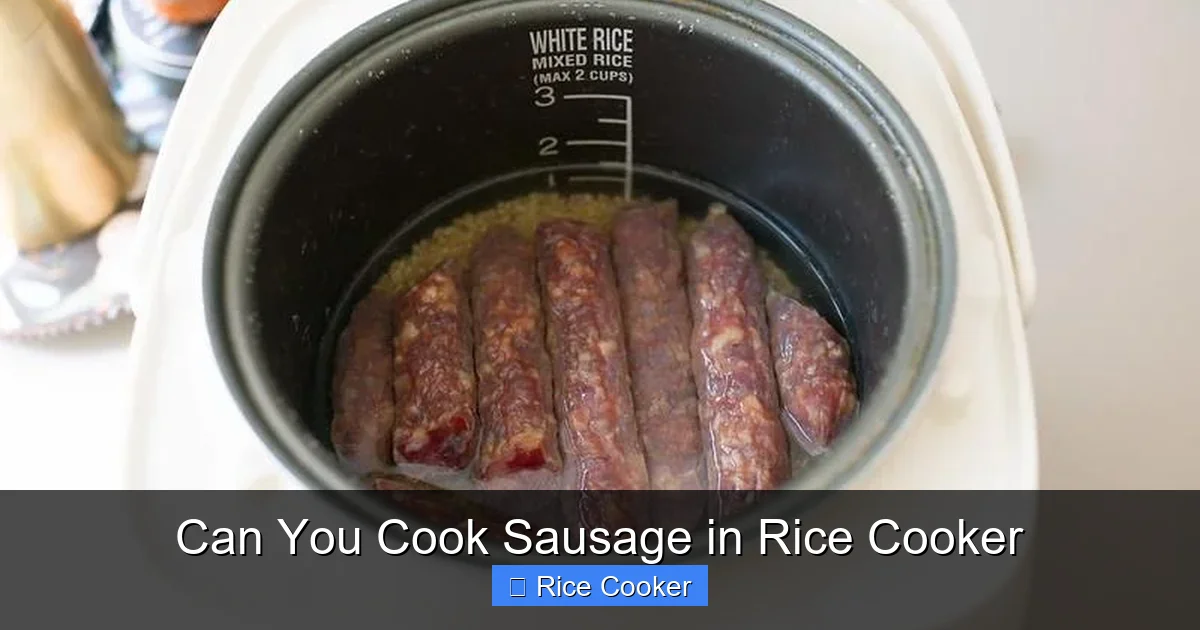
Visual guide about Can You Cook Sausage in Rice Cooker
Image source: onolicioushawaii.com
This same principle applies when cooking sausage. The heat and steam help cook the meat evenly without requiring constant stirring. Unlike frying, where fat renders quickly and can burn, the rice cooker’s gentle, consistent heat ensures the sausage stays moist and tender.
Why It Works for Meat
Many people assume meat needs direct flame or high-heat searing, but that’s not always necessary. Cooking sausage in a rice cooker is possible because:
- Steam transfers heat efficiently—evenly warming the exterior and interior of the sausage.
- Low-and-slow cooking prevents drying, especially important with leaner cuts.
- No risk of burning since there’s no open flame or direct contact with a scorching surface.
This makes it ideal for busy mornings or lazy weekends when you want a hot meal without babysitting the stove.
Types of Sausage That Work Best
Pork and Beef Sausage Links
Traditional pork or beef sausages—like breakfast links or Italian-style sweet sausage—are excellent candidates. Their natural casing holds up well under steam, and they absorb subtle flavors from added liquids like broth or wine.

Visual guide about Can You Cook Sausage in Rice Cooker
Image source: kitchenseer.com
Tip: If using smoked sausage, consider giving it a light sear before placing it in the rice cooker. This enhances flavor and texture while still allowing even internal cooking.
Bratwurst and Kielbasa
These German-style sausages often have a coarser grind and higher fat content, making them perfect for slow, moist cooking. They thrive in environments with steady heat and moisture—exactly what a rice cooker provides.
Turkey or Chicken Sausage
Lighter meats like turkey sausage are also great options. However, they can dry out faster, so it’s best to avoid overcooking them. A shorter cook time (around 15–18 minutes) usually does the trick.
Uncooked vs. Pre-Cooked Sausage
Most sausages sold in stores are uncooked, meaning they require full internal cooking. Some specialty brands (like certain chicken or turkey links) may be pre-cooked and meant for quick heating only. Always check the label!
For uncooked sausage, the rice cooker will fully cook it through. For pre-cooked, just warm it up gently—usually 8–12 minutes is enough.
Step-by-Step Guide: How to Cook Sausage in a Rice Cooker
What You’ll Need
- Your rice cooker
- Sausage (links or patties)
- Optional: oil spray, butter, or cooking spray
- Optional: water, broth, or wine (for extra flavor)
- Trivet or steaming rack (highly recommended)
- Meat thermometer (for accuracy)
Preparation Tips
Before you begin, remove any outer casings if desired (though leave them on for easier handling). Lightly coat the bottom of the inner pot with non-stick spray or a thin layer of oil if you plan to brown the sausages first. But remember—if you’re using the brown function or browning setting (on advanced models), skip the oil step unless instructed.
Setting Up the Rice Cooker
Place a trivet or steaming rack inside the inner pot. This lifts the sausage above any potential liquid, preventing it from sitting in its own juices and becoming soggy. If you don’t have a trivet, crumple a piece of foil into a ring shape—it works just fine!
Adding Liquid (Optional but Recommended)
While not strictly necessary for plain sausages, adding ½ cup of water, chicken broth, or white wine adds moisture and infuses flavor. It also helps regulate temperature during long cook times. Just don’t fill the pot beyond halfway to avoid overflow.
Cooking Process
- Arrange sausages evenly on the trivet—don’t overcrowd.
- Add liquid if desired.
- Close the lid and select the appropriate mode:
- White rice setting: Best for standard sausages (15–20 mins).
- Slow cook or porridge setting: Ideal for thicker or denser sausages (up to 30 mins).
- Browning setting: Only use if your model has one; otherwise, skip to regular cook mode.
- Once cooking completes, let the sausages rest for 2–3 minutes before opening the lid. This allows residual heat to finish the process gently.
Checking Doneness
Use a meat thermometer to verify the internal temperature reaches 160°F (71°C). Insert it into the thickest part of the sausage. If it’s below that, return to cook for another 2–3 minutes.
Creative Recipe Ideas Using Rice Cooker Sausage
Sausage and Rice One-Pot Meal
This classic combo gets a modern twist. Instead of boiling water separately, add 1 cup of rinsed jasmine or basmati rice, 1½ cups of broth, and your favorite sausage to the rice cooker. Cook until rice is tender (about 18–22 minutes). Stir in frozen peas or corn during the last 3 minutes for a complete meal.
Breakfast Sausage Skillet
Slice breakfast links and place them in the rice cooker with a splash of milk and a pat of butter. Add diced potatoes (parboiled first for 5 minutes), cover, and cook on white rice setting for 15 minutes. Top with scrambled eggs made in a separate pan or directly in the pot after sausage is done.
Italian Sausage & Peppers
Brown Italian sausage links slightly (optional), then transfer to the rice cooker with sliced bell peppers, onions, garlic, and a can of crushed tomatoes. Add ½ cup water and cook for 20 minutes. Serve over crusty bread or polenta.
Spicy Bratwurst with Apple Slaw
Simmer brats in apple cider and beer (or broth) for 20 minutes. While they cook, shred cabbage and mix with apple slices, Greek yogurt, and a squeeze of lime for a refreshing slaw. Plate together for a balanced dinner.
Common Mistakes and How to Avoid Them
Overcrowding the Pot
Placing too many sausages at once blocks airflow and leads to uneven cooking. Stick to 4–6 links maximum, depending on size.
Skipping the Trivet
Cooking sausage directly on the bottom of the pot traps moisture, creating a slimy texture. Always elevate it.
Not Checking Temperature
Relying solely on visual cues can result in undercooked meat. Always verify with a thermometer.
Using Too Much Liquid
Excess liquid can dilute flavors and turn the bottom of the pot soggy. Stick to ½–¾ cup unless making soup-like dishes.
Opening the Lid Frequently
Every time you open the lid, heat escapes, extending cook time unnecessarily. Wait until completion unless checking doneness.
Tips for Different Rice Cooker Models
Basic Rice Cookers (No Special Settings)
If your model only has “white rice,” “brown rice,” or “keep warm,” use the white rice setting. Adjust time slightly if needed—some models cook faster than others.
Advanced Models with Multiple Settings
Look for settings like “slow cook,” “porridge,” or “steam.” These are ideal for meat dishes. Use “slow cook” for tougher cuts or longer cook times (up to 30 minutes).
Models with Browning Function
If yours has a browning or sauté feature, you can lightly sear sausage before switching to cook mode. This builds flavor but isn’t required.
Non-Stick vs. Stainless Steel Pots
Both work fine. Non-stick is easier to clean, but stainless steel distributes heat more evenly. Whichever you use, avoid metal utensils that could scratch surfaces.
Safety Considerations
Cooking sausage in a rice cooker is generally safe, but proper hygiene and temperature control are essential. Never leave the appliance unattended during extended cook times. Clean the inner pot thoroughly after each use to prevent bacterial growth.
Also, ensure your rice cooker is rated for meat cooking. Most modern units are, but older models may lack sufficient heat output for thorough cooking. When in doubt, consult the manual.
Cleaning and Maintenance
After cooking sausage, rinse the inner pot immediately to loosen grease. Use warm soapy water and a soft sponge—avoid abrasive scrubbers. For stubborn residue, soak in hot water with a drop of dish soap for 10 minutes before wiping.
Wipe the exterior with a damp cloth and dry completely. Store with the lid slightly ajar to allow air circulation and prevent mold.
Frequently Asked Questions
How long does it take to cook sausage in a rice cooker?
Most sausages take 15–20 minutes on the white rice setting. Thicker or denser types may need up to 25 minutes. Always check internal temperature with a meat thermometer.
Do I need to pre-cook sausage before putting it in the rice cooker?
No, most uncooked sausages do not require pre-cooking. The rice cooker will cook them fully from raw to done. Pre-cooked sausages only need warming up (8–12 minutes).
Can I cook frozen sausage in a rice cooker?
It’s not recommended. Frozen sausage takes much longer to cook and increases the risk of uneven heating. Thaw it in the refrigerator overnight before use.
What if my rice cooker doesn’t have a trivet?
You can use a steaming basket, a folded-up piece of aluminum foil shaped like a ring, or even a small ceramic bowl flipped upside down to lift the sausage off the bottom.
Can I cook sausage patties in a rice cooker?
Yes! Flattened sausage patties work well. Place them on the trivet and cook for 18–22 minutes. Flip halfway through if your model allows it, though most don’t—so patience is key.
Will the rice cooker smell like cooked meat afterward?
Sometimes, especially with strong-smelling sausages like chorizo or bratwurst. To minimize odors, wipe the lid seal and vent area after cooking. Running the appliance empty with water for 5 minutes can also help.
Conclusion
Cooking sausage in a rice cooker is not only possible—it’s practical, efficient, and surprisingly tasty. With just a few simple steps and the right setup, you can enjoy perfectly cooked sausages every time without lifting a finger. Whether you’re preparing a hearty one-pot meal or whipping up breakfast on autopilot, this method fits seamlessly into your routine.
Remember to always prioritize safety—use a thermometer, follow package instructions, and never skip the trivet. Experiment with different sausages, liquids, and side dishes to find your favorite combinations. And don’t forget to clean up promptly to keep your rice cooker in top shape.
So go ahead—turn that ordinary appliance into a kitchen powerhouse. Your future self (and your taste buds) will thank you.
Frequently Asked Questions
How long does it take to cook sausage in a rice cooker?
Most sausages take 15–20 minutes on the white rice setting. Thicker or denser types may need up to 25 minutes. Always check internal temperature with a meat thermometer.
Do I need to pre-cook sausage before putting it in the rice cooker?
No, most uncooked sausages do not require pre-cooking. The rice cooker will cook them fully from raw to done. Pre-cooked sausages only need warming up (8–12 minutes).
Can I cook frozen sausage in a rice cooker?
It’s not recommended. Frozen sausage takes much longer to cook and increases the risk of uneven heating. Thaw it in the refrigerator overnight before use.
What if my rice cooker doesn’t have a trivet?
You can use a steaming basket, a folded-up piece of aluminum foil shaped like a ring, or even a small ceramic bowl flipped upside down to lift the sausage off the bottom.
Can I cook sausage patties in a rice cooker?
Yes! Flattened sausage patties work well. Place them on the trivet and cook for 18–22 minutes. Flip halfway through if your model allows it, though most don’t—so patience is key.
Will the rice cooker smell like cooked meat afterwards?
Sometimes, especially with strong-smelling sausages like chorizo or bratwurst. To minimize odors, wipe the lid seal and vent area after cooking. Running the appliance empty with water for 5 minutes can also help.