

Can you cook salmon with rice in a rice cooker? Absolutely! This clever technique lets you prepare a complete, healthy meal in one pot with minimal effort. By layering rice and salmon together in the right proportions and using just a splash of water, you’ll get perfectly cooked fish and fluffy rice every time.
Have you ever stared into your kitchen, hungry but tired, wondering how to make something tasty without standing over the stove all evening? You’re not alone. Life gets busy, and sometimes the best meals are the ones that practically cook themselves. Enter the humble rice cooker—a kitchen staple that many of us use only for its namesake dish. But what if I told you it could do so much more? Can you cook salmon with rice in a rice cooker? The answer is a resounding yes—and it’s easier than you think.
Cooking salmon and rice together in a rice cooker isn’t just a clever hack; it’s a game-changer for anyone looking to simplify mealtime. This method combines two classic ingredients into one harmonious dish: the rich, flaky flesh of salmon and the comforting chew of perfectly steamed rice. Not only does it save time and reduce cleanup, but it also ensures both components cook evenly and retain their best flavors. Whether you’re feeding a family or prepping lunches for the week, this technique proves that healthy, delicious meals don’t need complicated recipes or hours of attention.
In this article, we’ll walk through everything you need to know about cooking salmon with rice in a rice cooker—from choosing the right ingredients to mastering timing and seasoning. We’ll cover tips for beginners, tricks for elevating flavor, and even how to troubleshoot common issues. So grab your favorite cut of salmon and let’s turn your rice cooker into a full-fledged kitchen workhorse.
Key Takeaways
- Yes, it’s possible: A rice cooker can cook both rice and salmon simultaneously without extra equipment.
- Proper preparation is key: Season and arrange the salmon correctly to avoid overcooking or sticking.
- Use the right rice type: White rice works best for even cooking and texture when paired with salmon.
- Add flavor effortlessly: Lemon slices, herbs, or soy sauce enhance both the fish and rice without extra steps.
- Meal prep friendly: This method scales well for batch cooking and reheating later.
- Safety first: Always ensure internal salmon temperature reaches 145°F (63°C) for safe consumption.
- Clean-up is easy: One-pot cooking means fewer dishes—just rinse the inner pot after use.
📑 Table of Contents
The Science Behind Cooking Salmon and Rice Together
You might wonder how a machine designed to steam rice can possibly handle delicate fish like salmon. After all, salmon cooks quickly and can easily become dry or fall apart if overdone. But the magic lies in how rice cookers manage heat and moisture. Unlike stovetop pots where direct flame affects food unevenly, most modern rice cookers use induction or conduction heating with precise temperature control. They maintain a steady simmer during the cooking phase and then automatically switch to warm mode once done—perfect for foods that benefit from gentle, consistent heat.
When you cook salmon with rice in a rice cooker, the process relies on steam and indirect heat. The rice absorbs water and swells as it cooks, while the salmon rests above it, absorbing subtle aromatics and staying moist. Because the entire system is sealed and self-regulating, there’s little risk of burning either component. In fact, because the rice cooker doesn’t require constant monitoring, you can set it and forget it—ideal for multitasking or relaxing while dinner prepares itself.
Another advantage is moisture retention. Rice cookers trap steam inside, creating an environment where both grains and proteins stay hydrated without becoming soggy or tough. This is especially important for salmon, which can dry out rapidly when exposed to high, direct heat. By letting it cook gently alongside rice, you preserve its natural oils and tenderness.
Choosing the Right Ingredients
Before diving into the cooking process, selecting quality ingredients makes all the difference. Start with fresh, high-quality salmon. Look for firm flesh that springs back when pressed, bright eyes (if whole), and a mild ocean scent—not overly fishy. Wild-caught Alaskan salmon tends to have a cleaner taste and firmer texture, making it ideal for this recipe. If budget is a concern, farmed Atlantic salmon works well too, though it may be slightly softer.
For rice, short-grain white rice is your best bet. It has more starch than long-grain varieties, which helps it absorb liquid evenly and develop a creamy, cohesive texture when cooked with salmon. Jasmine or sushi rice are excellent alternatives if that’s what you have on hand. Avoid brown rice here—it requires longer soaking and cooking times, which can lead to mushy or undercooked results when combined with quick-cooking salmon.
You’ll also want simple seasonings: salt, pepper, lemon, garlic, and maybe some soy sauce or sesame oil. These won’t overwhelm the natural flavors of the fish but will add depth and brightness. Fresh dill, parsley, or chives make great garnishes too.
Preparing the Salmon
Proper prep ensures the salmon cooks evenly and stays intact. Pat the fillets dry with paper towels—this helps prevent excess moisture from diluting the flavors. Remove any pin bones with tweezers if needed. Then, lightly season both sides with salt and pepper. For extra flavor, squeeze fresh lemon juice over the top and tuck thin slices underneath the flesh. This infuses the fish with citrus aroma without making it bitter.
If you’re using thicker cuts, consider scoring the skin lightly with a knife (don’t cut through the flesh). This allows heat to penetrate more evenly and prevents curling during cooking. Don’t remove the skin unless you plan to peel it off later—it acts as a protective barrier and adds richness.
Selecting and Preparing Rice
Rinse your rice thoroughly before cooking to remove excess surface starch. Place it in a fine-mesh strainer and run cool water over it until the water runs clear. This step prevents clumping and ensures fluffier grains. Measure the rice accurately—most rice cookers come with a measuring cup. A general rule is 1 cup of raw rice per serving, plus a bit extra since salmon releases some moisture during cooking.
Soak the rinsed rice for 15–20 minutes if possible. While not mandatory, soaking softens the grains and reduces total cooking time slightly. Drain well before adding to the cooker.
Step-by-Step Guide: Cooking Salmon with Rice in a Rice Cooker
Now comes the fun part—actually making the meal! Follow these steps carefully for consistent success:
Step 1: Add Rice and Water
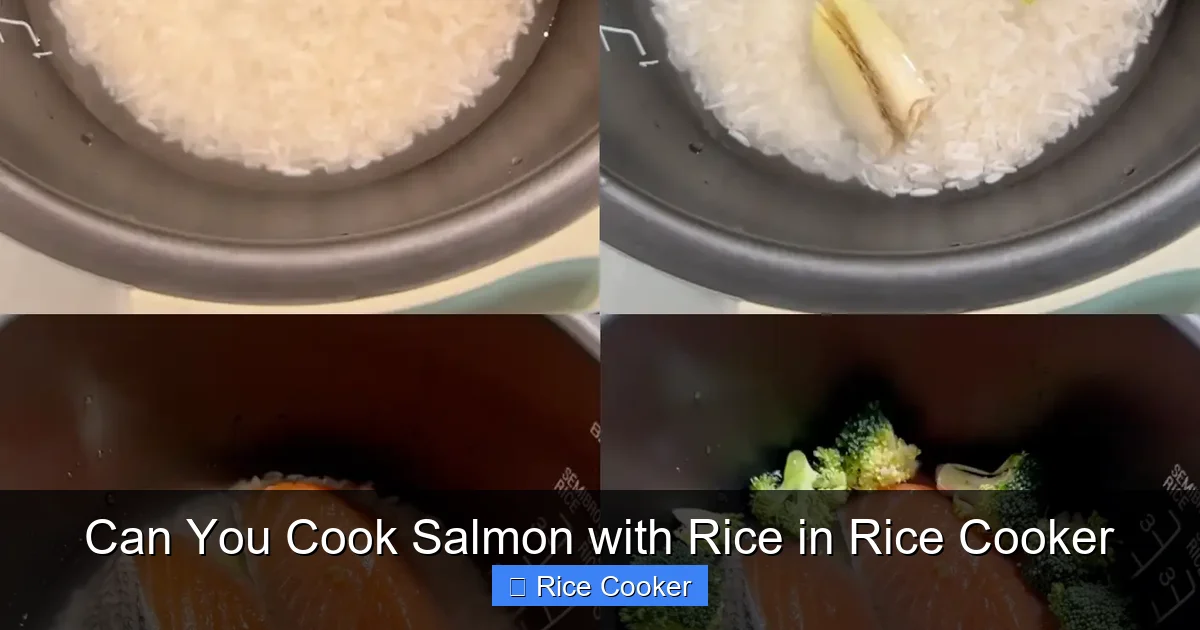
Start by placing the prepared rice into the inner pot of your rice cooker. Add water according to the manufacturer’s instructions—typically about double the volume of rice for white rice. For example, if you’re using 1 cup of rice, add 2 cups of water. If you prefer softer rice, increase water by ¼ cup; for firmer grains, reduce by the same amount.
Step 2: Arrange the Salmon
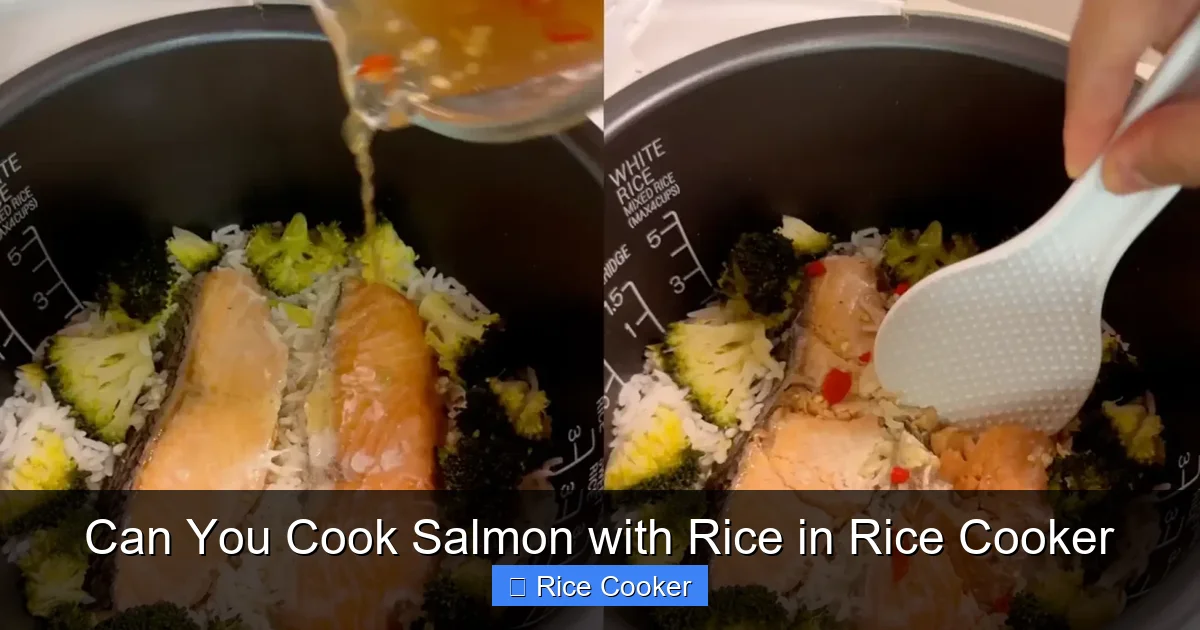
Gently place the seasoned salmon fillets on top of the rice, skin-side down if desired. Space them out evenly so they aren’t touching each other. This ensures uniform cooking. If you have multiple fillets, stagger them to maximize space.
Step 3: Optional Flavor Boosters
Enhance the dish by adding aromatics around the salmon. Tuck lemon slices, halved cherry tomatoes, quartered mushrooms, or sprigs of thyme into the water near the edges. Drizzle a teaspoon of soy sauce or a pinch of sugar over the rice for umami depth. These elements release their essence as steam builds up, flavoring both the fish and grains beautifully.
Step 4: Close and Cook
Secure the lid and select the standard “white rice” setting. Most rice cookers take about 20–25 minutes to complete a cycle. Avoid opening the lid during cooking—steam escapes, which can disrupt timing and texture.
Step 5: Let It Rest
Once the cooker switches to “warm,” wait 5–10 minutes before opening. This resting period allows residual heat to finish cooking the salmon gently and lets flavors meld. Use this time to plate utensils or prep sides like steamed vegetables or a quick salad.
Step 6: Serve Immediately
Fluff the rice with a fork, then carefully lift the salmon out using a spatula. Plate them together with lemon wedges and fresh herbs. Enjoy hot!
Troubleshooting Common Issues
Even experienced cooks encounter hiccups now and then. Here’s how to fix typical problems:
Problem: Salmon is too wet or watery
This usually happens when too much water is used or the rice cooker isn’t draining properly. Try reducing water by ¼ cup next time and ensure the inner pot isn’t warped or damaged—improper sealing leads to steam loss.
Problem: Rice is undercooked or mushy
Undercooked rice often stems from insufficient water or a faulty heating element. Mushy rice? Likely too much liquid or over-stirring after cooking. Stick to measured ratios and avoid poking the rice during the warm phase.
Problem: Fish sticks to the bottom
To prevent sticking, lightly grease the rice surface with oil before adding salmon. Alternatively, line the pot with parchment paper or use a non-stick spray. Also, avoid overcrowding—give each fillet room to breathe.
Problem: Flavor is bland
Boost seasoning by marinating the salmon briefly in soy sauce, ginger, and garlic before cooking. Or add a dash of turmeric or paprika to the rice for color and complexity.
Tips for Elevating Your Dish
Want to take this basic recipe to the next level? Try these pro tips:
Add Creaminess
Stir in a spoonful of plain Greek yogurt or crème fraîche into the finished rice for a rich, tangy contrast to the savory salmon.
Infuse with Umami
Mix diced sun-dried tomatoes, capers, or grated Parmesan into the rice before cooking for bold, salty notes.
Make It Spicy
Sprinkle red pepper flakes over the salmon or mix sriracha into the soy sauce marinade for a kick.
Garnish Generously
Top with crushed pistachios, microgreens, or crispy shallots for crunch and visual appeal.
Bake Extra Portions
Double the recipe and freeze portions in airtight containers for up to three months. Reheat in the rice cooker with a splash of water to revive moisture.
Health Benefits and Nutritional Value
Beyond convenience, cooking salmon with rice delivers serious nutritional benefits. Salmon is packed with omega-3 fatty acids, which support heart and brain health. It’s also a lean source of high-quality protein, essential for muscle repair and satiety. Pairing it with rice provides complex carbohydrates for sustained energy—making this combo ideal for active lifestyles or growing families.
One medium fillet of salmon offers over 20 grams of protein and nearly 2 grams of omega-3s. Brown rice adds fiber, aiding digestion and helping regulate blood sugar. Together, they create a balanced macronutrient profile that keeps you full longer and supports overall wellness.
Just watch your sodium intake if using soy sauce or packaged seasonings. Opt for low-sodium versions or rely mostly on herbs and citrus instead.
Frequently Asked Questions
Can I cook frozen salmon in a rice cooker with rice?
Yes, but it requires adjustments. Thaw frozen salmon completely before cooking to ensure even heating. Increase cooking time by 5–10 minutes and monitor closely. Avoid partially thawed fish, as it may steam rather than bake properly.
Visual guide about Can You Cook Salmon with Rice in Rice Cooker
Image source: nomadette.com
Visual guide about Can You Cook Salmon with Rice in Rice Cooker
Image source: nomadette.com
How do I keep the salmon from drying out?
Don’t overcook! Once the rice cooker switches to “warm,” the salmon should already be done. Overcooking strips moisture. Also, avoid covering the fish tightly—leave the lid slightly ajar during the last few minutes if your model allows it.
What if my rice cooker doesn’t have a “keep warm” function?
Most modern models do, but older ones might not. In that case, transfer the cooked meal to a covered oven-safe dish and finish warming in a low oven (200°F/95°C) for 10 minutes. Alternatively, serve immediately after cooking.
Can I substitute other types of fish?
Absolutely! Cod, tilapia, or halibut work well. Adjust cooking time based on thickness—delicate fish like sole may need less time than chunky cuts like trout.
Is it safe to reuse the same rice cooker pot for raw meat?
Always wash the inner pot thoroughly after each use with hot, soapy water. Some models are dishwasher-safe, but hand-washing preserves coating integrity. Never reuse uncooked rice or cross-contaminate with allergens without proper cleaning.
Can I add vegetables to this dish?
Definitely! Broccoli florets, peas, or carrots can be added between the rice and salmon. Just chop them small enough to cook through within the same timeframe. Avoid leafy greens—they’ll wilt too much and become slimy.
Frequently Asked Questions
Can I cook frozen salmon in a rice cooker with rice?
Yes, but it requires adjustments. Thaw frozen salmon completely before cooking to ensure even heating. Increase cooking time by 5–10 minutes and monitor closely. Avoid partially thawed fish, as it may steam rather than bake properly.
How do I keep the salmon from drying out?
Don’t overcook! Once the rice cooker switches to “warm,” the salmon should already be done. Overcooking strips moisture. Also, avoid covering the fish tightly—leave the lid slightly ajar during the last few minutes if your model allows it.
What if my rice cooker doesn’t have a “keep warm” function?
Most modern models do, but older ones might not. In that case, transfer the cooked meal to a covered oven-safe dish and finish warming in a low oven (200°F/95°C) for 10 minutes. Alternatively, serve immediately after cooking.
Can I substitute other types of fish?
Absolutely! Cod, tilapia, or halibut work well. Adjust cooking time based on thickness—delicate fish like sole may need less time than chunky cuts like trout.
Is it safe to reuse the same rice cooker pot for raw meat?
Always wash the inner pot thoroughly after each use with hot, soapy water. Some models are dishwasher-safe, but hand-washing preserves coating integrity. Never reuse uncooked rice or cross-contaminate with allergens without proper cleaning.
Can I add vegetables to this dish?
Definitely! Broccoli florets, peas, or carrots can be added between the rice and salmon. Just chop them small enough to cook through within the same timeframe. Avoid leafy greens—they’ll wilt too much and become slimy.