
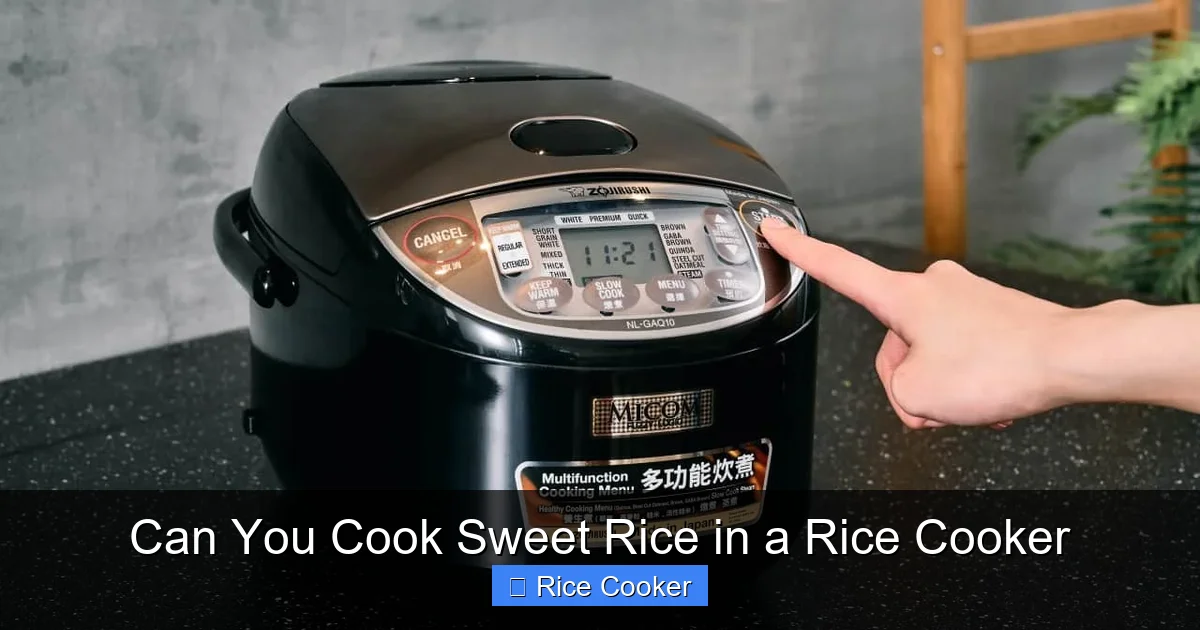
Can you cook sweet rice in a rice cooker? Absolutely! With the right ingredients and technique, your rice cooker can produce tender, fragrant sweet rice just like traditional methods. Whether you’re making it for dessert, breakfast, or a cultural dish, this method saves time and ensures consistent results. It’s easy, reliable, and perfect for beginners.
Key Takeaways
- Yes, it’s possible: A standard rice cooker works perfectly for cooking sweet rice with the right adjustments.
- Ingredients matter: Use glutinous (sticky) rice varieties like mochigome or Thai sticky rice for authentic texture.
- Water ratio is key: Sweet rice needs less water than regular rice—typically 1:1 ratio, but soaking helps reduce cooking time.
- Flavor enhancements: Add coconut milk, sugar, vanilla, or pandan leaves to boost sweetness and aroma.
- Soaking is recommended: Soak rice for at least 30 minutes to 1 hour to improve texture and shorten cooking time.
- Post-cook care: Let the rice rest after cooking, then fluff gently to avoid clumping.
- Uses are endless: Great for desserts, breakfast bowls, onigiri, or as a side with savory dishes.
📑 Table of Contents
- Can You Cook Sweet Rice in a Rice Cooker? The Answer Is Yes!
- What Is Sweet Rice, and Why Do People Love It?
- Can a Standard Rice Cooker Handle Sweet Rice?
- How to Cook Sweet Rice in a Rice Cooker: Step-by-Step Guide
- Tips for Perfect Sweet Rice Every Time
- Creative Ways to Use Sweet Rice
- Common Mistakes and How to Fix Them
- Frequently Asked Questions
- Final Thoughts: Sweet Rice Made Simple
Can You Cook Sweet Rice in a Rice Cooker? The Answer Is Yes!
Ever wondered if your trusty rice cooker can handle more than just plain white or brown rice? If you’re a fan of sweet, chewy, and aromatic rice dishes—like mochi, Thai sticky rice, or coconut-infused desserts—you’ll be thrilled to know: yes, you absolutely can cook sweet rice in a rice cooker. In fact, many home cooks are discovering that their rice cookers are versatile powerhouses capable of handling everything from savory risottos to decadent rice puddings.
Sweet rice, also known as glutinous rice or sticky rice, has a unique texture and rich cultural significance across Asia. Traditionally cooked by steaming over boiling water, it’s prized for its chewiness and ability to hold shape when molded. But steaming isn’t the only way. With a few simple tweaks, your electric rice cooker can deliver delicious, restaurant-quality sweet rice without extra effort. Whether you’re preparing it for a special occasion or craving a comforting bowl of coconut rice for breakfast, this guide will walk you through everything you need to know.
What Is Sweet Rice, and Why Do People Love It?
A Closer Look at Glutinous Rice
Sweet rice—despite its name—is not actually sweet until flavored. It’s made from glutinous rice (Oryza sativa ssp. japonica), a short-grain variety that lacks amylose, giving it a naturally sticky, elastic texture when cooked. Unlike regular rice, which becomes fluffy and separate, sweet rice clumps together, making it ideal for shaping into balls, rolls, or puddings.
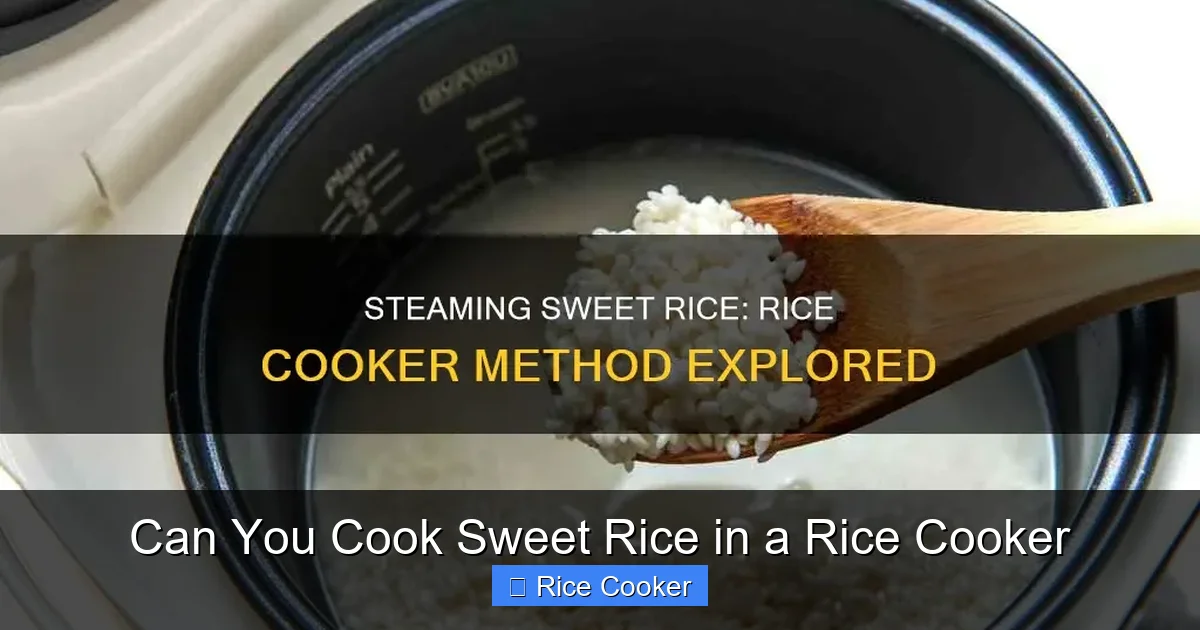
Visual guide about Can You Cook Sweet Rice in a Rice Cooker
Image source: cycookery.com
This type of rice is central to many cuisines. In Thailand, it’s steamed in banana leaves and served with mango or grilled pork. In Japan, it’s used to make mochi (rice cakes pounded to perfection), onigiri (rice balls), and zōni (a festive soup). In the southern United States, it appears in jambalaya and hoppin’ John, while in Latin America, it’s found in dishes like arroz con coco (coconut rice).
The Science Behind the Stickiness
The magic behind sweet rice lies in its starch composition. Regular rice contains both amylose and amylopectin starches. Amylose makes rice fluffy and separates easily, while amylopectin creates stickiness. Sweet rice has almost no amylose, meaning it’s almost entirely amylopectin. When heated and hydrated, these starches swell and gelatinize, binding the grains together into a cohesive mass.
This is why sweet rice doesn’t fall apart like regular rice—it holds its shape. However, this also means it requires careful handling. Over-stirring or using too much liquid can break down the structure, leading to mushy results.
Can a Standard Rice Cooker Handle Sweet Rice?
Understanding Your Rice Cooker’s Capabilities
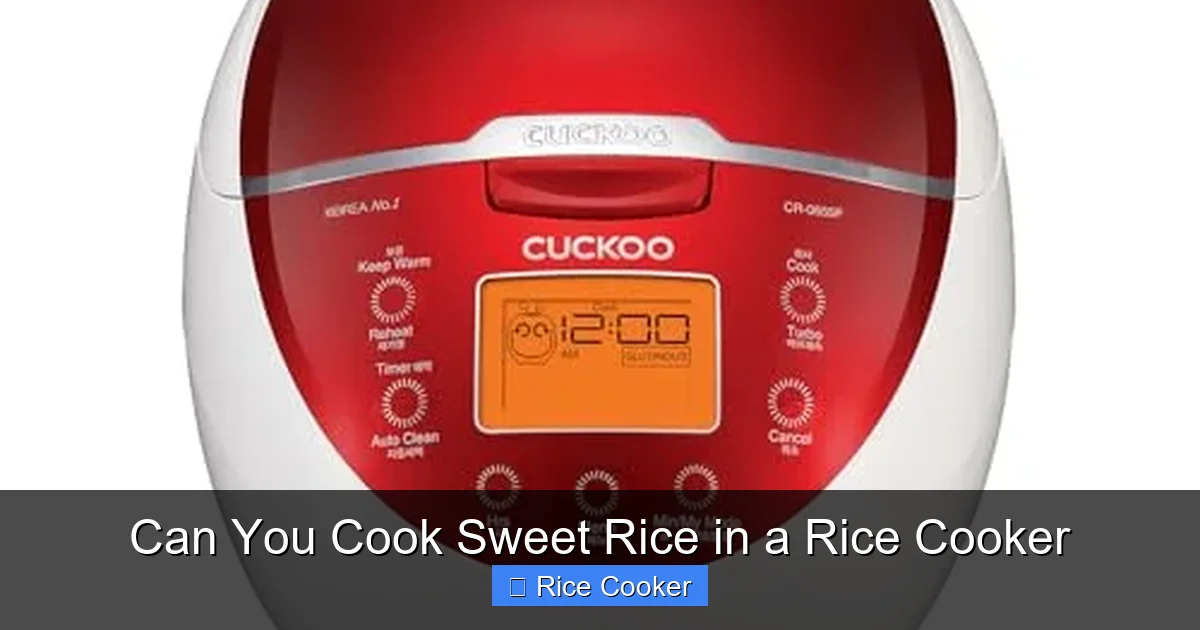
Most modern rice cookers are designed to cook various types of rice, including white, brown, black, and even mixed grains. But can they handle sweet rice? The short answer is yes—but with caveats.
Visual guide about Can You Cook Sweet Rice in a Rice Cooker
Image source: m.media-amazon.com
Traditional rice cookers use heat and steam to cook rice. Some models have multiple settings (like “quick cook” or “porridge”), while others rely on a simple on/off mechanism based on temperature changes. For sweet rice, you’ll want a model with consistent heating and good insulation to mimic steaming conditions.
However, because sweet rice doesn’t require the same drainage process as regular rice (it’s usually steamed, not boiled), some users worry about excess moisture. The good news? Most rice cookers are equipped with a steam release valve and can manage the extra moisture without overflowing—especially if you follow the correct water ratio.
Types of Rice Cookers That Work Best
Not all rice cookers are created equal. Here’s what to look for:
- Pressure cooker-style rice cookers: These use pressure to speed up cooking and are excellent for dense grains like sweet rice.
- Multi-function models: With settings for porridge, pudding, or even yogurt, these offer flexibility.
- Basic automatic rice cookers: Even simple models work fine if you adjust the water and soak the rice first.
If you already own a rice cooker, don’t panic—most can handle sweet rice with minor adjustments. Just avoid ultra-low-cost models with poor temperature control, as they may undercook or burn the rice.
How to Cook Sweet Rice in a Rice Cooker: Step-by-Step Guide
Gathering the Right Ingredients
Before you start, make sure you have the basics:
- Glutinous rice: Also called sweet rice, mochigome, or Thai sticky rice. Available at Asian grocery stores or online.
- Water: Clean, filtered water works best.
- Optional flavorings: Coconut milk, sugar, salt, vanilla extract, or pandan leaves.
For a simple version, you only need rice and water. For enhanced flavor, add ½ cup coconut milk and 1–2 tablespoons sugar per cup of rice.
Step 1: Soak the Rice
Soaking is crucial. Rinse 1 cup of dry sweet rice under cold water until the water runs clear (this removes excess starch and prevents gumminess). Then, submerge it in water and let it soak for at least 30 minutes—ideally 1 to 2 hours. Some recipes recommend overnight soaking, but 30 minutes is sufficient for most home cooks.
Soaking softens the grains and reduces cooking time. It also helps the rice absorb flavors better if you’re adding coconut milk or sugar.
Step 2: Drain and Prepare
After soaking, drain the rice thoroughly using a fine-mesh strainer. Gently press out any excess water—do not rub or squeeze, as this can damage the grains.
If you’re adding flavorings, mix them into the drained rice now. For example, stir in coconut milk and sugar until evenly distributed.
Step 3: Add Water and Cook
Transfer the rice to the inner pot of your rice cooker. Add water—start with a 1:1 ratio (1 cup rice to 1 cup water). For flavored versions, you may reduce the water slightly since coconut milk adds moisture.
Close the lid and select the “white rice” or “regular” setting. Avoid the “quick cook” option unless your model specifically supports it—sweet rice benefits from slow, steady heat.
Step 4: Let It Rest
Once the cycle finishes, let the rice sit, covered, for 10–15 minutes. This allows the moisture to distribute evenly and gives the rice time to firm up slightly.
Step 5: Fluff and Serve
Use a gentle wooden spatula or fork to fluff the rice. Avoid vigorous stirring, which can break the grains. Serve warm as is, or use it in your favorite recipe.
Tips for Perfect Sweet Rice Every Time
Master the Water Ratio
The water-to-rice ratio is the trickiest part. Too much water leads to soggy rice; too little results in dry, hard clumps. Start with 1:1, then adjust next time based on results. If your rice cooker tends to over-drain, add an extra tablespoon of water. If it’s still too wet, reduce water slightly next batch.
Don’t Skip the Soak
Even if you’re short on time, soaking for 30 minutes makes a huge difference. It reduces cooking time by up to 20% and improves texture.
Use a Non-Stick Pot
Sweet rice tends to stick to metal surfaces. Choose a non-stick inner pot if possible, or lightly grease it with oil or butter before cooking.
Experiment with Flavors
Coconut milk adds richness and pairs beautifully with tropical fruits. Pandan leaves give a floral aroma. Try adding a pinch of salt to balance sweetness. For savory versions, mix in sesame oil, soy sauce, or herbs.
Avoid Overfilling
Never fill the pot beyond two-thirds capacity. Overcrowding prevents even heat distribution and leads to uneven cooking.
Clean Immediately
Sweet rice sticks to pots. Rinse the inner pot right after cooking to prevent residue from hardening.
Creative Ways to Use Sweet Rice
Desserts and Breakfast Bowls
Sweet rice is a base for countless desserts. Try making coconut rice pudding by simmering cooked sweet rice with coconut milk, sugar, and a dash of vanilla. Top with fresh mango, toasted coconut flakes, or condensed milk.
For breakfast, serve it warm with honey, cinnamon, and sliced bananas. Or mix in dried cranberries and nuts for a festive brunch dish.
Onigiri and Rice Balls
Let the rice cool slightly, then form it into small balls around fillings like pickled plum (umeboshi), salmon, or tuna mayo. Wrap in nori or banana leaf for easy eating.
Thai and Japanese Dishes
Serve steamed sweet rice with grilled meats, curry, or mango slices. In Japan, it’s often paired with red bean paste (anko) for a traditional treat.
Rice Pudding and Custards
Combine cooked sweet rice with milk, sugar, and eggs to make a silky rice custard. Bake in the oven or microwave for a comforting dessert.
Common Mistakes and How to Fix Them
Mushy or Sticky Rice
This usually happens when too much water is used or the rice isn’t soaked. Next time, reduce water by 1–2 tablespoons and ensure proper soaking.
Undercooked Grains
If parts of the rice remain hard, the issue is likely insufficient soaking or too little water. Try longer soaking times and double-check the water ratio.
Burnt Bottom Layer
This suggests the bottom layer dried out. Use a non-stick pot, add a bit more water, or try cooking on a lower heat setting if available.
Weak Flavor
If your rice tastes bland, add flavorings during soaking or mixing. Coconut milk, sugar, and pandan leaves make a big difference.
Clumpy Texture
Over-fluffing or stirring too hard breaks the rice. Use a gentle folding motion instead.
Frequently Asked Questions
Can I use regular white rice instead of glutinous rice?
No, regular white rice lacks the starch needed for stickiness. You’ll get fluffy, separate grains instead of the desired chewy texture. Always use glutinous rice for sweet rice dishes.
How long does sweet rice take to cook in a rice cooker?
After soaking, cooking usually takes 20–30 minutes on the standard setting. Total time (including soak) is about 1 to 2 hours.
Can I freeze cooked sweet rice?
Yes! Let it cool completely, then store in airtight containers for up to 3 months. Reheat gently in the microwave with a splash of water to restore moisture.
Is sweet rice safe to eat every day?
Moderately, yes—it’s gluten-free and high in carbohydrates. However, due to its sticky nature, it may not be ideal for everyone with digestive issues. Pair it with fiber-rich foods to aid digestion.
Why is my sweet rice too hard?
Hardness usually results from under-soaking or insufficient water. Try soaking longer and increasing the water ratio slightly next time.
Can I cook sweet rice in an Instant Pot?
Absolutely! Use the “Steam” function or set it to “Manual” for 8–10 minutes with a quick release. Adjust water as needed—usually 1:1 ratio works well.
Final Thoughts: Sweet Rice Made Simple
Cooking sweet rice in a rice cooker isn’t just possible—it’s easier than you might think. With the right preparation and a little patience, you can enjoy restaurant-quality results at home. Whether you’re making a traditional Japanese mochi-inspired snack, a Thai dessert, or a cozy breakfast bowl, your rice cooker is ready to rise to the challenge.
Remember: soaking, proper ratios, and gentle handling are your best tools. Don’t be afraid to experiment with flavors—coconut, vanilla, and pandan open up a world of possibilities. And once you master the basics, you’ll find yourself reaching for sweet rice more often, not just for special occasions.
So go ahead—grab that bag of glutinous rice, fire up your rice cooker, and discover the joy of perfectly cooked sweet rice. Your taste buds will thank you.
Frequently Asked Questions
Can I use regular white rice instead of glutinous rice?
No, regular white rice lacks the starch needed for stickiness. You’ll get fluffy, separate grains instead of the desired chewy texture. Always use glutinous rice for sweet rice dishes.
How long does sweet rice take to cook in a rice cooker?
After soaking, cooking usually takes 20–30 minutes on the standard setting. Total time (including soak) is about 1 to 2 hours.
Can I freeze cooked sweet rice?
Yes! Let it cool completely, then store in airtight containers for up to 3 months. Reheat gently in the microwave with a splash of water to restore moisture.
Is sweet rice safe to eat every day?
Moderately, yes—it’s gluten-free and high in carbohydrates. However, due to its sticky nature, it may not be ideal for everyone with digestive issues. Pair it with fiber-rich foods to aid digestion.
Why is my sweet rice too hard?
Hardness usually results from under-soaking or insufficient water. Try soaking longer and increasing the water ratio slightly next time.
Can I cook sweet rice in an Instant Pot?
Absolutely! Use the “Steam” function or set it to “Manual” for 8–10 minutes with a quick release. Adjust water as needed—usually 1:1 ratio works well.