
Yes, you can absolutely cook sweet potatoes in a rice cooker, and it’s one of the easiest ways to make them soft, flavorful, and ready in under an hour. Whether you’re meal prepping or whipping up a quick side dish, this method saves energy and delivers consistent results.
Key Takeaways
- Yes, you can cook sweet potatoes in a rice cooker. This method is quick, energy-efficient, and produces tender, evenly cooked potatoes every time.
- Preparation matters. Scrubbing, poking holes, and choosing the right size potatoes ensures even cooking and prevents explosions.
- Water level is key. Most rice cookers need just 1–2 inches of water at the bottom for steaming, but check your model’s manual for specifics.
- Cooking time varies by size and variety. Smaller potatoes may take 35–40 minutes, while larger ones might need up to 60 minutes.
- You can enhance flavor with seasonings. Try cinnamon, brown sugar, butter, or savory spices before cooking for extra taste.
- Cool before peeling. Let sweet potatoes rest for 5–10 minutes after cooking—they’re easier to peel and less likely to burn you.
- This method works for other root vegetables. Carrots, beets, and yams also cook well using the same technique.
📑 Table of Contents
- Can You Cook Sweet Potatoes in a Rice Cooker?
- Why Use a Rice Cooker for Sweet Potatoes?
- How to Prepare Sweet Potatoes for Your Rice Cooker
- Step-by-Step Guide: Cooking Sweet Potatoes in a Rice Cooker
- Flavor Variations and Toppings
- Troubleshooting Common Issues
- Storage and Leftovers
- Other Vegetables That Work Great in a Rice Cooker
- Final Thoughts: Is It Worth It?
Can You Cook Sweet Potatoes in a Rice Cooker?
If you’ve ever stood over a hot oven waiting for sweet potatoes to bake—only to end up with dry edges and lukewarm centers—you’re not alone. Baking whole sweet potatoes can be unpredictable: too little time means rock-hard flesh; too much leads to burnt skins and mushy insides. But what if I told you there’s a faster, more reliable way to get perfectly tender sweet potatoes without heating up your kitchen? Enter the humble rice cooker.
That’s right—your trusty rice cooker isn’t just for white rice anymore. With its consistent heat and sealed environment, it’s actually one of the best tools for steaming vegetables like sweet potatoes. In fact, cooking sweet potatoes in a rice cooker takes less time than traditional baking and uses far less energy. Plus, you don’t have to babysit the process—just set it and forget it (well, almost).
In this article, we’ll walk through everything you need to know about cooking sweet potatoes in a rice cooker: from preparation tips to flavor ideas, troubleshooting common mistakes, and even how to repurpose leftovers. Whether you’re a busy parent, a college student living off instant meals, or just someone who loves sweet potatoes but hates the hassle of oven-baking, this guide will show you how to do it right—every single time.
Why Use a Rice Cooker for Sweet Potatoes?
Before we dive into the “how,” let’s talk about the “why.” Why would anyone choose a rice cooker over the tried-and-true oven method? The answer lies in simplicity, speed, and consistency.
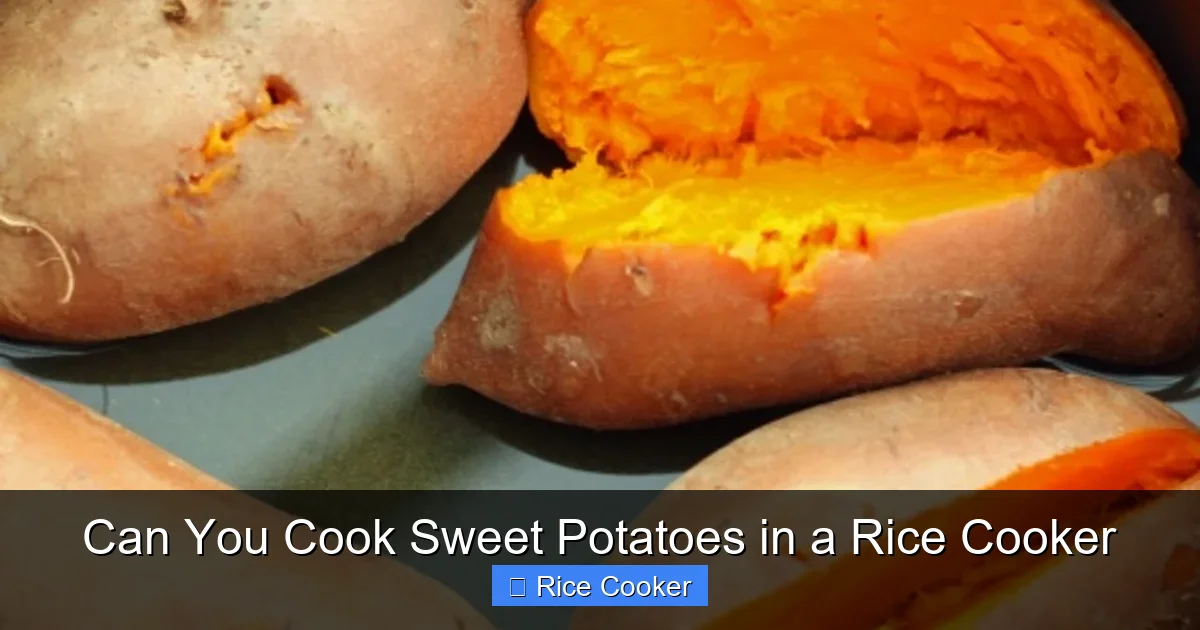
Visual guide about Can You Cook Sweet Potatoes in a Rice Cooker
Image source: storables.com
Energy Efficiency
Rice cookers use significantly less electricity than ovens. While an oven might take 45–60 minutes at 400°F (200°C) to bake a medium sweet potato, a rice cooker can do the job in as little as 40–50 minutes using only steam. That means lower utility bills and less strain on your appliances—especially during summer months when you don’t want to turn on the oven.
Even Cooking
One of the biggest complaints about baked sweet potatoes is uneven texture—some parts are fluffy and sweet, while others remain dense and starchy. A rice cooker circulates moist heat evenly around each potato, ensuring uniform tenderness throughout. No more guessing games!
Hands-Off Convenience
Once you’ve prepped your potatoes and added water, there’s nothing left to do but press a button. No need to rotate pans or peek through the door. This makes rice cooker cooking ideal for multitasking or meal prep days when you’ve got a lot going on.
Preserves Nutrients
Steam cooking helps retain more vitamins and minerals compared to high-heat roasting. Since sweet potatoes are rich in vitamin A, potassium, and fiber, using a gentler cooking method like steaming preserves these nutrients better than prolonged exposure to dry heat.
How to Prepare Sweet Potatoes for Your Rice Cooker
Getting started couldn’t be simpler—but a few small steps make all the difference in the final result.

Visual guide about Can You Cook Sweet Potatoes in a Rice Cooker
Image source: onepotonly.com
Choose the Right Potatoes
Not all sweet potatoes are created equal when it comes to rice cooker cooking. Look for firm, smooth-skinned tubers without soft spots or cracks. Avoid overly large potatoes (over 3 inches thick), as they may not cook through completely. Medium-sized sweet potatoes (about 4–5 inches long) work best for most home rice cookers.
Wash Thoroughly
Sweet potato skins can harbor dirt, especially if you’re buying them from a farmers market or local grower. Rinse under cool running water and gently scrub with a vegetable brush. Don’t peel them yet—cooking whole preserves moisture and prevents drying out.
Poke Holes in the Skin
This step is crucial! Without ventilation, steam buildup inside the potato could cause it to burst during cooking. Use a fork to poke 4–6 holes around the surface of each sweet potato. Make sure the holes go all the way through the skin so steam can escape safely.
Optional: Score the Skin
For extra ease in peeling later, lightly score an “X” into the top of each potato with a knife. This doesn’t affect cooking time but makes removing the skin much simpler once they’re done.
Step-by-Step Guide: Cooking Sweet Potatoes in a Rice Cooker
Ready to give it a try? Follow these easy steps for foolproof results:
- Add Water to the Inner Pot: Pour 1–2 inches of cold water into the rice cooker’s inner pot. Too little water risks burning; too much can dilute flavors. If unsure, start with 1.5 inches.
- Arrange Sweet Potatoes: Place the prepared sweet potatoes upright or sideways on the trivet (the rack that sits above the water). Leave space between them for steam circulation.
- Close Lid & Start Cooking: Secure the lid tightly and select the “Steam” or “Manual” setting. If your rice cooker has multiple settings, aim for 35–45 minutes. Some models default to “White Rice” mode—that’s fine too.
- Let It Rest: Once the cycle ends, wait 5–10 minutes before opening the lid. Residual heat continues cooking the potatoes slightly, and this pause reduces pressure buildup.
- Test for Doneness: Insert a fork or knife into the thickest part. If it slides in easily with little resistance, the potato is ready. If still firm, close the lid and cook in 5-minute increments until tender.
Pro Tip: Use a Trivet or Elevated Rack
Never place sweet potatoes directly on the bottom of the rice cooker. Always use the included trivet or an elevated rack to keep them above the water line. Otherwise, they’ll absorb excess moisture and become soggy instead of creamy.
Flavor Variations and Toppings
The beauty of rice cooker sweet potatoes is their versatility. While plain steamed sweet potatoes are delicious on their own, you can elevate them in countless ways—before, during, or after cooking.
Season Before Cooking
Add flavor while the potatoes cook by sprinkling them with:
- Cinnamon + brown sugar (classic fall combo)
- Paprika + garlic powder (savory twist)
- Lime zest + cilantro (bright, tropical flavor)
- Everything bagel seasoning (for breakfast-style fun)
Just pat the potatoes dry first so seasonings stick better.
Top After Cooking
Once cooled slightly, add toppings like:
- Maple syrup or honey
- Sliced pecans or walnuts
- Greek yogurt or coconut cream
- Melted butter with sea salt
- Crumbled feta cheese (for a savory-sweet balance)
Bake-In-A-Bag Method (Bonus Hack)
Want oven-level crispness with rice cooker ease? Wrap each sweet potato tightly in aluminum foil, then place in the rice cooker with 1 inch of water. Cook for 45–50 minutes. The foil traps steam while allowing browning—resulting in caramelized edges and tender interiors.
Troubleshooting Common Issues
Even with perfect technique, things don’t always go as planned. Here’s how to fix the most frequent problems.
Sweet Potatoes Are Still Hard
If your potatoes are undercooked after the full cooking time, try these fixes:
- Cut larger potatoes into halves or quarters before cooking (smaller pieces conduct heat faster).
- Increase water slightly (up to 2 inches) to boost steam production.
- Cook in 5-minute intervals until desired tenderness is reached.
Potatoes Exploded or Leaked Steam
This usually happens when holes weren’t poked deep enough or the lid wasn’t sealed properly. Always:
- Poke 4–6 holes per potato.
- Ensure the lid clicks shut securely.
- Avoid overcrowding—give each potato room to breathe.
Too Much Water or Soggy Texture
If the inner pot has standing water after cooking, drain it carefully. To prevent sogginess next time:
- Use just 1 inch of water unless cooking very large potatoes.
- Make sure potatoes aren’t touching the water.
- Drain excess liquid before serving.
Storage and Leftovers
Cooked sweet potatoes store beautifully and taste great reheated—whether warm or cold.
Refrigeration
Store leftover sweet potatoes in an airtight container in the fridge for up to 5 days. They hold up well in salads, soups, or mashed as a base for chili.
Freezing
For longer storage, cool completely, then freeze in freezer-safe bags for up to 3 months. Thaw overnight in the fridge before reheating.
Reheating Tips
To revive cooled sweet potatoes:
- Microwave for 1–2 minutes with a damp paper towel over the top.
- Slice and sauté in butter or oil for 3–4 minutes.
- Oven-broil for 5–7 minutes to crisp up the skin again.
Other Vegetables That Work Great in a Rice Cooker
Don’t stop at sweet potatoes! Many root vegetables cook wonderfully using the same method:
- Yams: Similar texture and flavor profile.
- Carrots: Cut into chunks and steam for 30–35 minutes.
- Beets: Wrap in foil and cook for 45–50 minutes (skin peels easily after cooling).
- Butternut Squash: Cube and steam for 25–30 minutes.
These can even be combined in one batch for a colorful, nutrient-packed side dish.
Final Thoughts: Is It Worth It?
After trying dozens of methods—from slow-roasting to microwaving—I can confidently say that cooking sweet potatoes in a rice cooker checks all the boxes: fast, consistent, healthy, and hands-off. It’s especially useful on busy nights when you want a nutritious side without sacrificing time or flavor.
Plus, once you master the basics, you’ll find yourself reaching for your rice cooker more often. Want to steam broccoli? Sure. Cook quinoa alongside? Easy. And now—perfectly tender sweet potatoes every time.
So next time you’re craving that classic roasted sweet potato flavor without the oven hassle, remember: your rice cooker is ready. Just scrub, poke, add water, and press start. In under an hour, you’ll have fluffy, golden goodness waiting for you.
Frequently Asked Questions
How long does it take to cook sweet potatoes in a rice cooker?
Medium-sized sweet potatoes typically take 35–50 minutes on the “Steam” or “Manual” setting. Larger ones may need up to 60 minutes. Always test for doneness with a fork.
Do I need to peel sweet potatoes before cooking them in a rice cooker?
No, you should cook sweet potatoes with the skin on for better moisture retention and easier handling. Peel them after cooking while they’re still warm.
Can I cook frozen sweet potatoes in a rice cooker?
It’s not recommended—frozen sweet potatoes won’t cook evenly and may create unsafe steam conditions. Always thaw and pat dry before cooking.
What type of sweet potato works best?
Any standard orange-fleshed sweet potato works well. Avoid very large varieties (over 3 inches thick) as they may not cook through completely.
Can I cook multiple sweet potatoes at once?
Yes, but leave space between them for proper steam circulation. Up to 4 medium potatoes fit comfortably in most standard rice cookers.
Is it safe to leave the rice cooker unattended while cooking sweet potatoes?
Absolutely. Once the cycle starts, there’s no risk—rice cookers automatically switch to “Keep Warm” mode when done, so you can safely step away.