
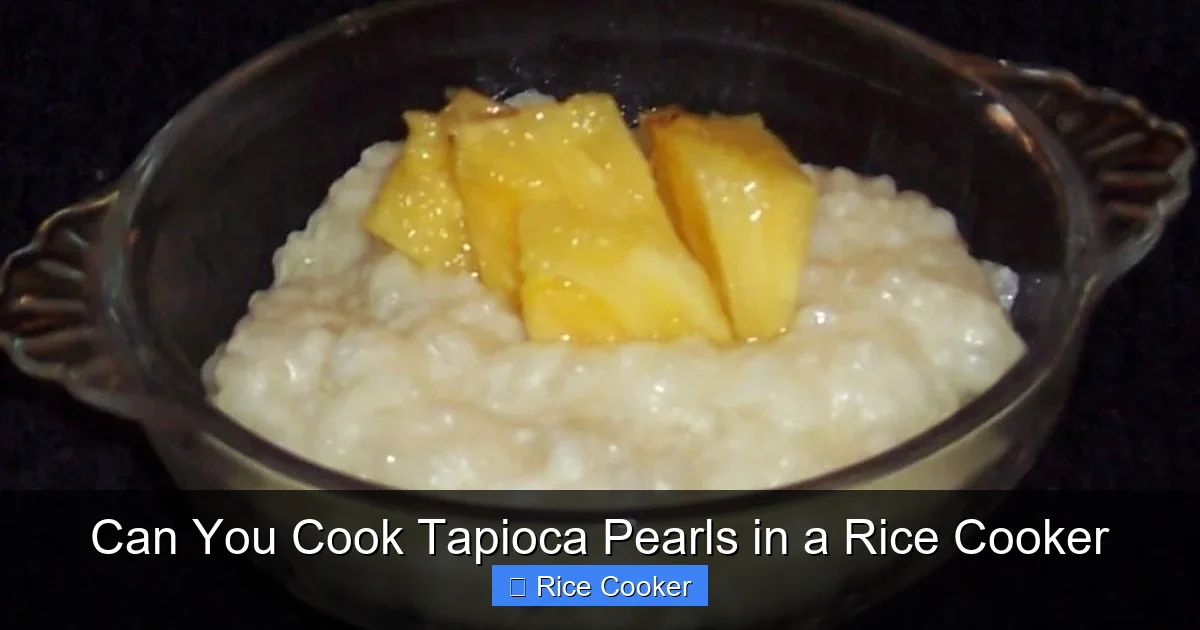
You absolutely can cook tapioca pearls in a rice cooker, and it’s one of the easiest ways to get that perfect chew without babysitting the pot. Unlike traditional stovetop methods, a rice cooker does all the work automatically, freeing you up to focus on other tasks while your pearls cook evenly and thoroughly. Whether you’re making boba milk tea or a sweet tapioca pudding, this foolproof technique ensures fluffy, tender pearls with minimal effort.
Key Takeaways
- Rice cookers are fully capable of cooking tapioca pearls—no special equipment needed beyond what many already own.
- Proper water-to-pearls ratio is crucial; too little water leads to dry, hard pearls, while too much makes them mushy.
- Soaking tapioca pearls before cooking improves texture and reduces cooking time.
- Flavoring the water adds depth—vanilla, brown sugar, or coconut milk can elevate your final dish.
- Post-cooking resting period ensures even softening and prevents undercooked centers.
- Cooling under cold water stops the cooking process and gives pearls their signature glossy finish.
- Rice cooker models vary slightly; consult your manual if you encounter unexpected results.
📑 Table of Contents
- Can You Cook Tapioca Pearls in a Rice Cooker?
- Why Use a Rice Cooker for Tapioca Pearls?
- How to Cook Tapioca Pearls in a Rice Cooker: Step-by-Step Guide
- Tips for Perfect Tapioca Pearls Every Time
- Troubleshooting Common Issues
- Creative Uses for Cooked Tapioca Pearls
- Comparing Rice Cooker vs. Stovetop Methods
- Frequently Asked Questions About Cooking Tapioca in a Rice Cooker
Can You Cook Tapioca Pearls in a Rice Cooker?
If you’ve ever stood over a bubbling pot of tapioca pearls, stirring constantly and wondering why they’re still crunchy in the middle, you’re not alone. Traditional stovetop cooking requires attention, timing, and sometimes a little luck to get those pearls just right—soft on the outside, chewy at the core. But here’s a game-changer: yes, you can absolutely cook tapioca pearls in a rice cooker. In fact, this method has become a favorite among home cooks, bubble tea enthusiasts, and dessert makers who want consistency without the hassle.
A rice cooker isn’t just for white rice anymore. With its automated heating cycle and precise temperature control, it’s surprisingly well-suited for cooking tapioca pearls. The result? Fluffy, evenly cooked pearls every single time—with zero babysitting required. Whether you’re preparing a batch for boba tea night or whipping up a comforting tapioca pudding, using a rice cooker simplifies the process and reduces the risk of overcooking or burning. Plus, it frees up your stove for other dishes while everything happens quietly in the background.
Why Use a Rice Cooker for Tapioca Pearls?
At first glance, a rice cooker might seem like an unlikely tool for something as specific as tapioca pearls. After all, these tiny spheres are usually boiled in large quantities on the stovetop. But when you think about it, both rice and tapioca require similar conditions: enough liquid to hydrate them fully, consistent heat, and time to transform from raw ingredients into edible delicacies.
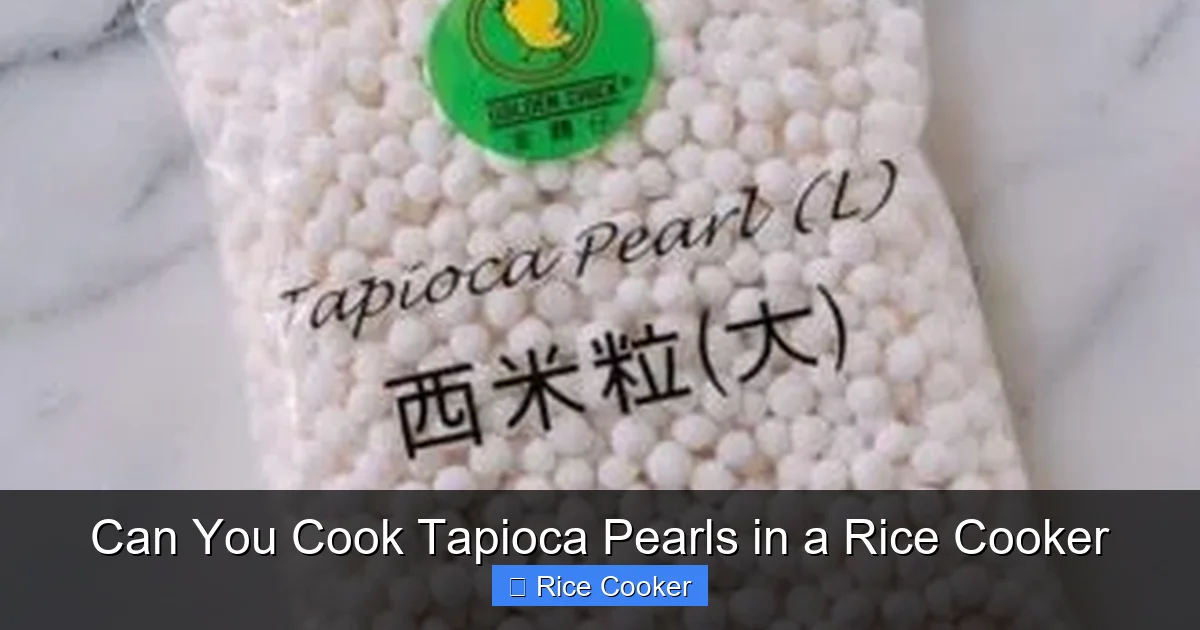
Visual guide about Can You Cook Tapioca Pearls in a Rice Cooker
Image source: thewoksoflife.com
The main advantage of using a rice cooker is convenience. Instead of monitoring bubbles, adjusting heat, and stirring to prevent sticking, you simply add water and pearls, press a button, and walk away. Most modern rice cookers have multiple settings—like “porridge” or “slow cook”—that can be adapted for pearl cooking. Even basic models with just “on” and “off” functions work fine as long as you follow the right steps.
Consistency Over Convenience
One of the biggest challenges with stovetop cooking is uneven heat distribution. If your burner runs hot, parts of the mixture may scorch while others stay underdone. A rice cooker eliminates this problem by maintaining a steady internal temperature throughout the cooking cycle. This means each pearl gets cooked uniformly, leading to that satisfying chewiness we all love.
Another benefit is scalability. Want to make 1 cup or 4 cups of pearls? A rice cooker handles both easily, whereas boiling large batches on the stove often leads to overcrowding and inconsistent results.
How to Cook Tapioca Pearls in a Rice Cooker: Step-by-Step Guide
Cooking tapioca pearls in a rice cooker isn’t rocket science—but it does require attention to detail. Follow these steps carefully, and you’ll end up with restaurant-quality pearls without leaving your kitchen.
Visual guide about Can You Cook Tapioca Pearls in a Rice Cooker
Image source: thewoksoflife.com
Gather Your Ingredients and Tools
Before you begin, make sure you have everything ready:
- Fresh or shelf-stable tapioca pearls (typically 8–12 oz per serving)
- Water (or flavored liquid like coconut milk or brown sugar syrup)
- A rice cooker with a non-stick inner pot
- A measuring cup or scale
- A fine-mesh strainer (for draining later)
- Optional: Brown sugar syrup, vanilla extract, or fruit juice for flavor
Note: If your rice cooker doesn’t come with a measuring cup, use a standard kitchen measuring cup to estimate portions accurately.
Step 1: Measure the Pearls and Water
The golden rule for tapioca pearls is the 1:6 ratio—one part pearls to six parts liquid by volume. So for every cup of pearls, you’ll need six cups of water. This ensures there’s enough room for the pearls to expand and prevents them from sticking together.
For example:
- 1 cup pearls = 6 cups water
- ½ cup pearls = 3 cups water
This ratio works whether you’re making small or large batches.
Step 2: Optional—Soak the Pearls
While not always necessary, soaking tapioca pearls overnight (or at least 30 minutes) softens them slightly and speeds up the cooking process. Simply place the pearls in a bowl, cover them with warm water, and let them sit. Drain and rinse before adding to the rice cooker.
This step is especially helpful if you’re using older pearls or larger ones (like giant tapioca balls).
Step 3: Add Liquid and Pearls to the Rice Cooker
Empty your measured water (or flavored liquid) into the inner pot of the rice cooker. Then add the tapioca pearls. Give the mixture a gentle stir to ensure no pearls are clumped together at the bottom.
Tip: Don’t skip this stir! Clumping can lead to uneven cooking and mushy spots.
Step 4: Start the Cooking Cycle
Close the lid and turn on the rice cooker. Most models will automatically switch to “warm” once the cycle completes—this is normal and actually beneficial, as it allows the pearls to finish cooking gently.
If your rice cooker has multiple settings, choose “White Rice” or “Porridge” mode. Avoid “Quick Cook” unless specified by the manufacturer, as it may not provide enough time for full hydration.
Step 5: Let It Rest
After the cycle ends, let the pearls rest in the hot liquid for another 10–15 minutes. This resting period allows any remaining hard spots to soften completely. Think of it like letting rice steam after cooking—it finishes the job off nicely.
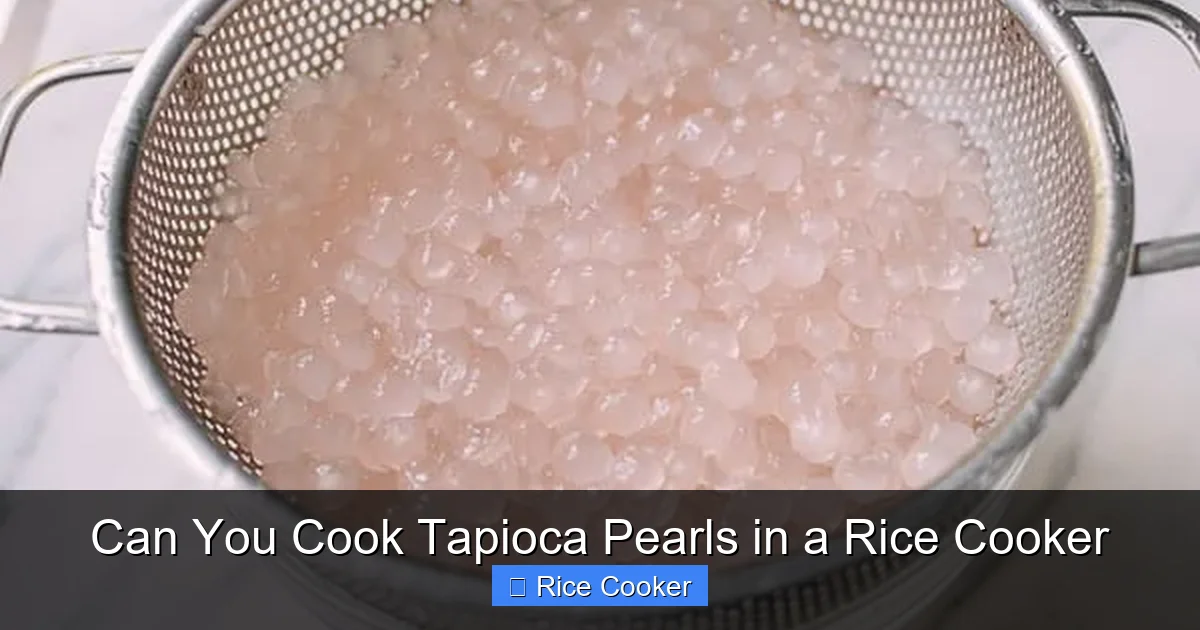
Step 6: Drain and Cool
Once rested, drain the pearls through a fine-mesh strainer. Rinse them briefly under cold running water to stop the cooking process and remove excess starch. This also gives them a shiny, appealing appearance.
Finally, transfer the cooled pearls to a bowl and store them in a light syrup (like simple sugar water or fruit juice) if you’re not using them immediately. This keeps them from drying out and maintains their texture.
Tips for Perfect Tapioca Pearls Every Time
Even with the right method, a few extra tricks can take your tapioca pearls from good to great. Here are some pro tips based on experience and user feedback:
Use Flavored Liquid for Extra Taste
Plain water works fine, but why settle for bland? Try cooking your pearls in:
- Brown sugar syrup (classic for Thai tea or taiyaki)
- Coconut milk (perfect for tropical-inspired drinks)
- Chai-spiced water (add cinnamon, cardamom, and cloves)
- Fruit juices like mango or passionfruit (great for mocktails)
The flavors infuse into the pearls during cooking, so you don’t need to add anything else later.
Don’t Rush the Process
Tapioca pearls typically take 15–25 minutes to cook fully—longer if they’re old or large-sized. Resist the urge to open the lid early; steam escaping can drop the temperature too much, leading to uneven results.
Adjust Ratios Based on Pearl Size
Small pearls (like those used in bubble tea) cook faster than medium or jumbo ones. Jumbo pearls may need up to 40 minutes and even longer soaking. Always check for doneness by tasting a few after the initial cycle.
Keep Pearls Hydrated Post-Cook
If you’re not serving the pearls right away, submerge them in a light sugar solution or fruit juice. This prevents them from hardening and keeps them moist until ready to use.
Clean Your Rice Cooker Promptly
Tapioca leaves sticky residue, so clean the inner pot immediately after use. Warm water and a soft sponge usually do the trick. Avoid abrasive scrubbers that could damage the non-stick coating.
Troubleshooting Common Issues
Even with careful preparation, things don’t always go perfectly. Here’s how to fix common problems:
Pearls Are Too Hard
This usually means insufficient cooking time or too little water. Next time, increase the liquid ratio slightly or extend the cooking cycle by 5–10 minutes. Also, consider pre-soaking the pearls.
Pearls Are Mushy or Sticky
Overcooking causes this. Check for doneness halfway through the cycle. If the pearls mash easily between your fingers, they’ve gone too far. Drain immediately and rinse thoroughly.
Pearls Stick Together
This happens when there isn’t enough liquid or the mixture wasn’t stirred initially. Always use the 1:6 ratio and give the pot a quick stir before closing the lid.
Rice Cooker Doesn’t Heat Properly
Some inexpensive models may struggle with high-heat cooking. If yours seems weak, try covering the pot with a lid from another appliance or placing it on a secondary heat source (like a warming plate) after adding the pearls.
Creative Uses for Cooked Tapioca Pearls
Once you master cooking tapioca pearls in a rice cooker, you’ll discover endless possibilities beyond bubble tea.
Bubble Tea Variations
Make authentic-style milk tea with condensed milk, fresh brewed tea (black, green, or oolong), and ice. Layer flavors by adding matcha powder, taro root paste, or chocolate syrup before mixing.
Dessert Bowls
Top yogurt, granola, and fresh fruit with cooked tapioca pearls for a healthy yet indulgent snack. Drizzle with honey or maple syrup for sweetness.
Breakfast Options
Add pearls to overnight oats or chia pudding. Their chewy texture pairs surprisingly well with creamy bases.
Baked Goods
Incorporate cooled pearls into muffins, pancakes, or puddings. They add fun texture contrast without altering the batter drastically.
Comparing Rice Cooker vs. Stovetop Methods
While both methods yield delicious pearls, each has pros and cons:
| Method | Pros | Cons |
|---|---|---|
| Rice Cooker | Hands-off, consistent results, scalable, safe | Slightly less control over exact timing |
| Stovetop | Full control, traditional approach, good for large batches | Requires constant attention, higher burn risk, harder to scale |
For most home cooks, the rice cooker wins on ease and reliability. But if you prefer full oversight or have specific cultural recipes calling for stovetop techniques, that’s still a valid choice.
Frequently Asked Questions About Cooking Tapioca in a Rice Cooker
Can I use instant tapioca pearls in a rice cooker?
Yes, instant tapioca pearls cook faster—usually in 5–10 minutes—and require less soaking. Just reduce the total cooking time accordingly and check for doneness early.
Do I need to soak tapioca pearls before cooking in a rice cooker?
Not necessarily, but soaking helps speed up the process and improves texture, especially for regular or jumbo pearls. It’s optional but recommended for best results.
Can I cook tapioca pearls in a pressure cooker instead?
Technically yes, but it’s tricky. Pressure cookers cook very quickly and can overdo tapioca pearls. A rice cooker’s gentle, sustained heat is safer and more reliable.
How long do cooked tapioca pearls last in the fridge?
Stored in a sealed container with a bit of syrup, they stay fresh for up to 5 days. Always refrigerate and consume within that window for optimal quality.
Can I freeze tapioca pearls?
Yes! Cool completely, drain well, then freeze in portions. Thaw in syrup before use. Note: Freezing can slightly alter texture, so use within 1 month.
What if my rice cooker doesn’t have a “warm” setting?
That’s okay—just turn it off after the cycle ends and let the residual heat finish the job. Avoid opening the lid unnecessarily to maintain temperature.
Frequently Asked Questions
Can I use instant tapioca pearls in a rice cooker?
Yes, instant tapioca pearls cook faster—usually in 5–10 minutes—and require less soaking. Just reduce the total cooking time accordingly and check for doneness early.
Do I need to soak tapioca pearls before cooking in a rice cooker?
Not necessarily, but soaking helps speed up the process and improves texture, especially for regular or jumbo pearls. It’s optional but recommended for best results.
Can I cook tapioca pearls in a pressure cooker instead?
Technically yes, but it’s tricky. Pressure cookers cook very quickly and can overdo tapioca pearls. A rice cooker’s gentle, sustained heat is safer and more reliable.
How long do cooked tapioca pearls last in the fridge?
Stored in a sealed container with a bit of syrup, they stay fresh for up to 5 days. Always refrigerate and consume within that window for optimal quality.
Can I freeze tapioca pearls?
Yes! Cool completely, drain well, then freeze in portions. Thaw in syrup before use. Note: Freezing can slightly alter texture, so use within 1 month.
What if my rice cooker doesn’t have a “warm” setting?
That’s okay—just turn it off after the cycle ends and let the residual heat finish the job. Avoid opening the lid unnecessarily to maintain temperature.