
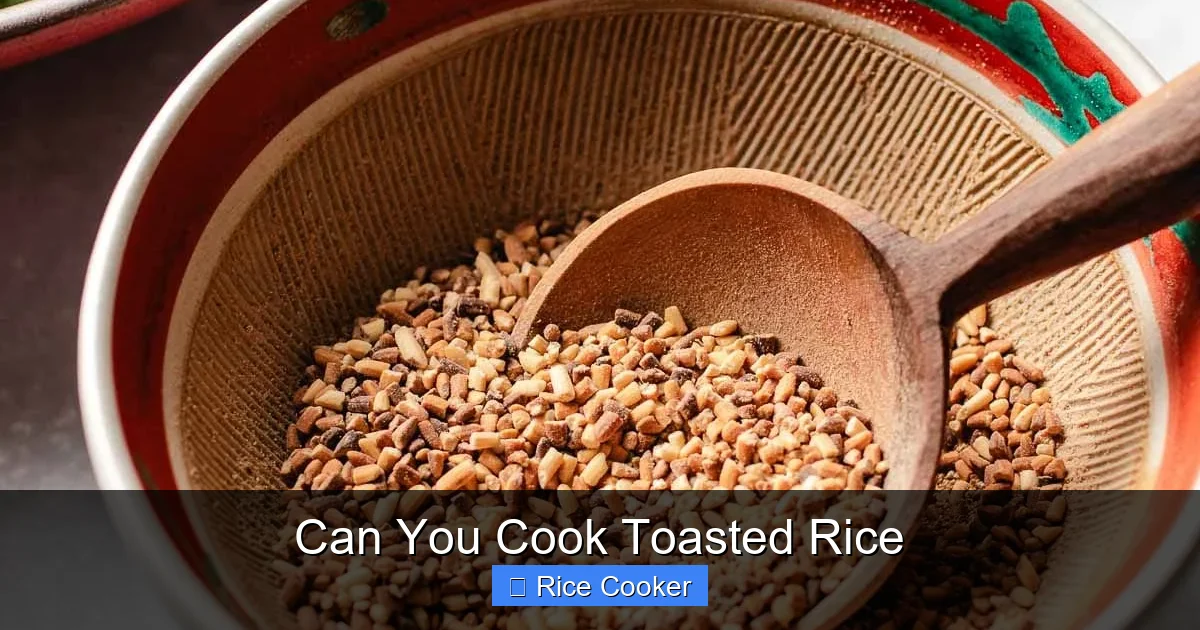
Can you cook toasted rice? Absolutely! With the right technique and tools, including a rice cooker, you can transform regular white or brown rice into a deliciously aromatic, nutty-tasting dish. This method enhances flavor and texture, making it perfect for risottos, pilafs, and grain bowls. Whether you’re using jasmine, basmati, or wild rice, toasting before cooking unlocks deeper tastes and richer meals.
Key Takeaways
- Toasted rice has enhanced flavor: The dry-heat process caramelizes starches, creating a nutty, aromatic profile ideal for savory dishes.
- A rice cooker is perfect for this method: Modern rice cookers handle both toasting and cooking phases with minimal effort and consistent results.
- Not all grains are created equal: Basmati, jasmine, and long-grain brown rice toast beautifully; short-grain varieties like sushi rice may clump.
- Proper moisture control is key: Use the correct water-to-rice ratio after toasting to prevent mushiness or undercooking.
- Toasting boosts nutrition perception: Though actual nutrients remain similar, the enhanced aroma and taste can encourage healthier eating habits.
- Experiment with add-ins during toasting: Toast rice with garlic, onions, or spices for bold flavor without extra steps.
- Cleanup is simple: Non-stick rice cooker pots make scraping and washing easy after cooking.
📑 Table of Contents
- Can You Cook Toasted Rice? A Flavor-Packed Journey from Raw to Golden Perfection
- What Is Toasted Rice and Why Should You Care?
- Can You Use a Rice Cooker to Toast Rice?
- Step-by-Step Guide: How to Toast and Cook Rice in a Rice Cooker
- Best Types of Rice for Toasting
- Flavor Boosters: Make Your Toasted Rice Irresistible
- Troubleshooting Common Issues
- Health and Nutrition Considerations
- Cleaning Your Rice Cooker After Toasting
- Creative Recipes Using Toasted Rice
- Final Thoughts: Why Toasted Rice Deserves a Spot in Your Kitchen
Can You Cook Toasted Rice? A Flavor-Packed Journey from Raw to Golden Perfection
Imagine this: you’re standing at your kitchen counter, ingredients laid out like pieces of a culinary puzzle. On one side, a bag of fragrant basmati rice. On the other, a rice cooker humming softly, ready to transform raw grain into fluffy perfection. But today, you want more than just plain rice. You want depth. You want aroma. You want toasted rice.
Now, most people think of rice as a blank canvas—neutral, mild, and safe for almost any meal. And that’s true to an extent. But what if I told you that by simply changing one step in your cooking process, you could unlock a whole new world of flavor? That’s where toasting rice comes in. It’s not just a trendy technique from high-end restaurants; it’s a game-changer for home cooks who want to elevate their meals without extra equipment or complex methods.
In this guide, we’ll explore everything you need to know about toasting rice—whether it’s possible in a rice cooker (spoiler: it is!), how to do it properly, and why you should consider adding this step to your cooking routine. From understanding the science behind toasting to practical tips for beginners, we’ve got you covered. Let’s dive into the golden, crunchy, irresistible world of toasted rice.
What Is Toasted Rice and Why Should You Care?
The Science Behind the Sizzle
Toasting rice isn’t just about heating it up. It’s a controlled dry-heat process that triggers chemical reactions in the rice’s starches and proteins. When rice grains are heated in a dry pan, the surface moisture evaporates, and the natural sugars begin to caramelize. This creates a nutty, slightly sweet flavor and a rich golden-brown color.
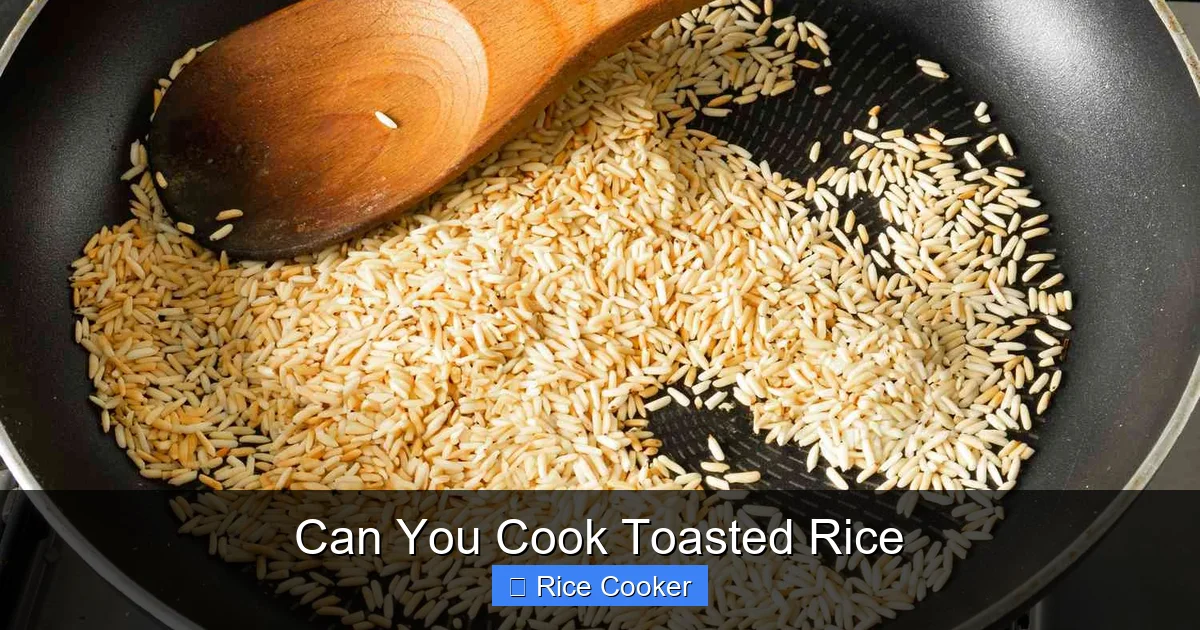
Visual guide about Can You Cook Toasted Rice
Image source: simplyrecipes.com
This transformation is similar to toasting bread or roasting nuts—each grain develops a subtle crunch and complexity that plain boiled rice lacks. The result? A base for risotto, a star in grain bowls, or even a standalone side dish with incredible depth.
Common Uses for Toasted Rice
- Risotto: Toasting Arborio rice first helps release its starch gradually, creating the creamy texture risotto is known for.
- Pilafs: Toasted rice absorbs broth slowly, absorbing flavor while staying tender.
- Soups and Stews: Adds texture and body without turning to mush.
- Fried Rice: Pre-toasted rice fries evenly and holds shape better.
- Meal Prep Bowls: Gives each component a gourmet touch.
If you’ve ever eaten at a restaurant and wondered, “How did they make that rice taste so amazing?”—chances are, it was toasted.
Can You Use a Rice Cooker to Toast Rice?
The Short Answer: Yes!
Absolutely. While traditional toasting happens on a stovetop in a skillet, modern rice cookers are now equipped with features that support this method—especially models with a “brown rice,” “porridge,” or even “slow cook” function. These settings allow you to toast rice directly in the cooker’s inner pot before adding liquid.
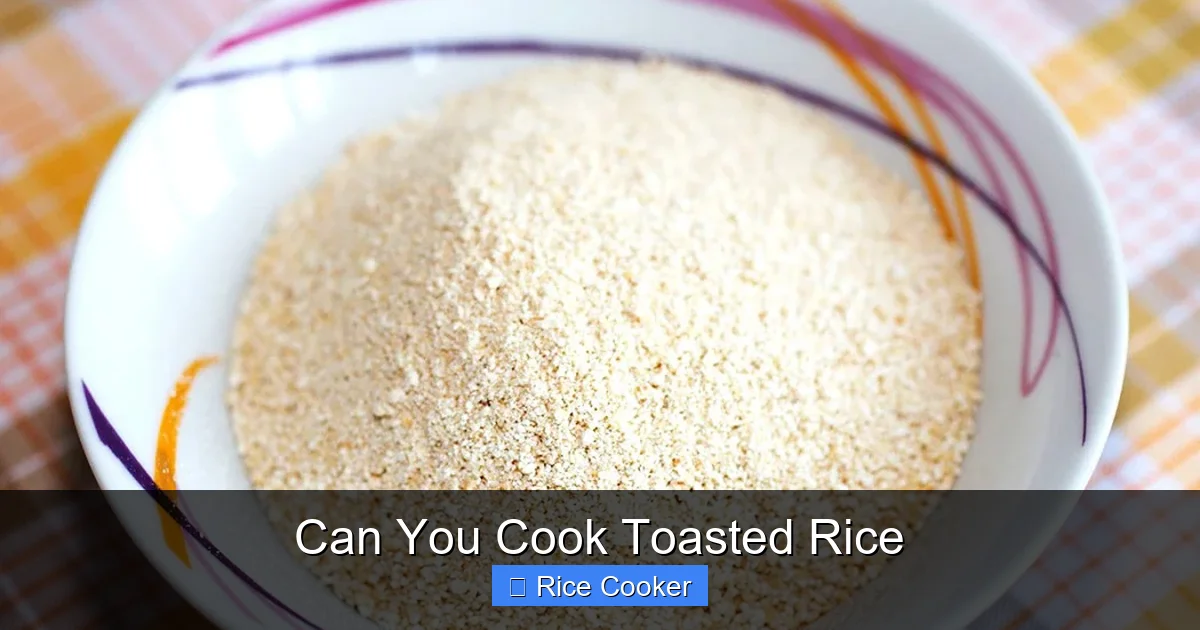
Visual guide about Can You Cook Toasted Rice
Image source: thinkeatdrink.com
How Rice Cookers Help
- Even Heat Distribution: The heating element wraps around the bottom and sides of the pot, preventing hot spots.
- No Stirring Needed: Unlike stovetop toasting, rice cookers tumble the grains gently, reducing the risk of burning.
- Automated Timing: Some models have preset programs that combine toasting and cooking phases seamlessly.
- Ease of Use: Just add rice, press a button, and walk away.
That said, not all rice cookers are created equal. Older models or basic white-rice-only units may lack the power or temperature control needed for proper toasting. Always check your manual or look for keywords like “toast,” “pre-soak,” or “multi-function.”
Step-by-Step Guide: How to Toast and Cook Rice in a Rice Cooker
What You’ll Need
- 1 cup uncooked rice (basmati, jasmine, or long-grain brown recommended)
- 1.5 to 2 cups water (adjust based on rice type)
- Optional: oil, butter, garlic, onion, or herbs
- Non-stick rice cooker pot (standard size, 5-6 cups capacity)
- Measuring cup and spoon
Step 1: Rinse the Rice
Before anything else, rinse your rice under cold running water until the water runs clear. This removes excess starch, which can make rice gluey if overdone—especially important when toasting, as the process concentrates flavors.
Step 2: Dry the Rice Thoroughly
Pat the rinsed rice completely dry with a clean towel or let it air-dry for 10–15 minutes. Moisture on the surface will steam instead of toast, leading to uneven browning.
Step 3: Add Rice to the Cooker
Place the dry rice into the inner pot of your rice cooker. If desired, add a teaspoon of oil or butter for extra richness and to prevent sticking.
Step 4: Select the Toasting Mode (If Available)
On compatible models, choose the “toast” or “brown rice” setting. This usually takes 3–5 minutes. If your cooker doesn’t have this feature, use the “warm” or “keep warm” setting and manually stir occasionally with a non-metal utensil.
Step 5: Observe for Golden Browning
You’ll know it’s ready when the rice turns a light golden hue and you hear a gentle sizzle. Avoid letting it turn dark brown—this means burning.
Step 6: Add Water and Switch to Cooking Mode
Add your measured water (start with 1.5 cups for white rice, 2 cups for brown). Close the lid and select the standard “white rice” or “brown rice” setting. Most rice cookers automatically detect the phase change and adjust timing.
Step 7: Let It Rest
Once done, let the rice sit for 5–10 minutes with the lid closed. This allows residual heat to finish steaming and firms up the texture.
Best Types of Rice for Toasting
Long-Grain Varieties
- Basmati: Light, fluffy, and aromatic. Perfect for pilafs and biryanis.
- Jasmine: Slightly sticky but fragrant. Great for fried rice and Thai dishes.
- Texmati: A hybrid of basmati and American long-grain rice—easy to find and versatile.
Brown Rice Options
- Long-Grain Brown Rice: Higher fiber and nuttier flavor. Toasts well but needs more water.
- Red Rice: Earthy and chewy. Becomes even richer when toasted.
What to Avoid
- Short-Grain Rice (e.g., sushi, arborio): Tends to clump during toasting due to higher starch content.
- Instant Rice: Already processed; won’t benefit from toasting.
Flavor Boosters: Make Your Toasted Rice Irresistible
Add Spices During Toasting
Toast rice with whole spices like cumin seeds, coriander, or mustard seeds for Indian-inspired dishes. In the Middle East, try toasting with cinnamon sticks or bay leaves.
Cook with Broth Instead of Water
Use vegetable, chicken, or beef broth to infuse your rice with savory notes from the start.
Deglaze with Wine or Stock
After toasting, pour in a splash of white wine or stock and swirl it around to lift the fond—those tasty browned bits stuck to the pan.
Finish with Fresh Herbs
Stir in chopped parsley, cilantro, or chives after cooking for brightness.
Dress with Butter and Lemon
A squeeze of lemon juice and a pat of butter elevate plain toasted rice into something gourmet.
Troubleshooting Common Issues
Problem: Rice Sticks Together
Cause: Too much moisture or insufficient rinsing.
Fix: Rinse thoroughly, ensure rice is completely dry before toasting, and don’t overcrowd the pot.
Problem: Burnt or Uneven Toasting
Cause: High heat or lack of stirring (in manual mode).
Fix: Use low-medium heat, stir occasionally if not using auto-mode, and avoid leaving unattended.
Problem: Mushy Texture After Cooking
Cause: Wrong water ratio or overcooking.
Fix: Stick to tested ratios: 1:1.5 for white rice, 1:2 for brown. Don’t lift the lid during cooking.
Problem: No Toasting Function
Solution: Simulate toasting on the stovetop in a separate pan, then transfer to the rice cooker to finish cooking.
Health and Nutrition Considerations
While toasting doesn’t significantly alter the nutritional value of rice, it can influence how your body processes it. The Maillard reaction—the browning process—can slightly increase antioxidant activity. Plus, the enhanced flavor may reduce the need for added salt or fats, encouraging healthier eating habits.
For those watching carbs, stick to portion-controlled servings. Brown rice offers more fiber and protein, making it a better choice for sustained energy.
Cleaning Your Rice Cooker After Toasting
Toasting can leave behind browned residues, especially if you added oil or spices. Here’s how to keep your cooker spotless:
- Let the pot cool slightly before washing.
- Soak in warm, soapy water for 10–15 minutes.
- Use a soft sponge or brush—avoid steel wool.
- For stubborn bits, sprinkle baking soda on the stain and scrub gently.
Most modern rice cookers have removable, dishwasher-safe pots—check your model’s instructions.
Creative Recipes Using Toasted Rice
Simple Garlic Herb Pilaf
- 1 cup long-grain rice, rinsed and dried
- 1 tbsp olive oil
- 2 cloves garlic, minced
- 1.5 cups chicken broth
- 1 tsp dried thyme
- Salt and pepper to taste
Toast rice with garlic in oil for 3 minutes. Add broth and spices, cook until absorbed. Fluff with a fork and serve.
Spiced Golden Rice Bowl
- 1 cup basmati rice
- 1.5 cups vegetable broth
- 1 tsp ground turmeric
- ½ tsp cumin
- Fresh cilantro and diced cucumber for garnish
Toast rice with spices, add broth, and simmer until tender. Top with roasted vegetables and tahini sauce.
Final Thoughts: Why Toasted Rice Deserves a Spot in Your Kitchen
Cooking toasted rice in a rice cooker isn’t just convenient—it’s transformative. It turns a simple ingredient into a flavor powerhouse, perfect for elevating everyday meals. Whether you’re feeding a family or impressing guests, this technique adds sophistication with minimal effort.
And the best part? You don’t need special tools or hours of practice. Just a good rice cooker, a few quality grains, and a willingness to experiment. Next time you open that bag of rice, pause. Shake off the dust, give it a quick rinse, and toast it. Your taste buds will thank you.
So go ahead—unlock the golden potential of your next bowl of rice. Because yes, you absolutely can cook toasted rice… and you should.
Frequently Asked Questions
Can you toast rice in any type of rice cooker?
Not necessarily. Only rice cookers with specific toasting, brown rice, or multi-function modes can toast rice effectively. Basic models may lack the heat control needed. Check your user manual or look for features like “pre-soak” or “keep warm” for manual toasting.
Does toasting rice change its nutritional value?
No major changes occur, but the Maillard reaction during toasting can slightly increase antioxidant levels. The real benefit is enhanced flavor, which may help reduce reliance on salt, sugar, or fat in meals.
How do I know when my rice is properly toasted?
Look for a light golden-brown color and a nutty, aromatic scent. You should hear a gentle sizzle. Avoid letting it turn dark or smoke—this indicates burning.
Can I toast rice on the stovetop instead?
Yes! Heat a dry skillet over medium heat, add rinsed and dried rice, and stir constantly for 3–5 minutes until golden. Then transfer to a rice cooker to finish cooking with water or broth.
Why does my toasted rice come out mushy?
Too much water, incorrect ratio, or overcooking can cause mushiness. For white rice, use 1.5 cups water per 1 cup rice; for brown rice, use 2 cups. Also, avoid lifting the lid during cooking.
Is toasted rice better for risotto?
Absolutely. Traditional risotto starts by toasting Arborio rice in butter or oil to develop flavor and release starch. While rice cookers can mimic this, some chefs prefer stovetop control for risotto’s slow reduction process.