
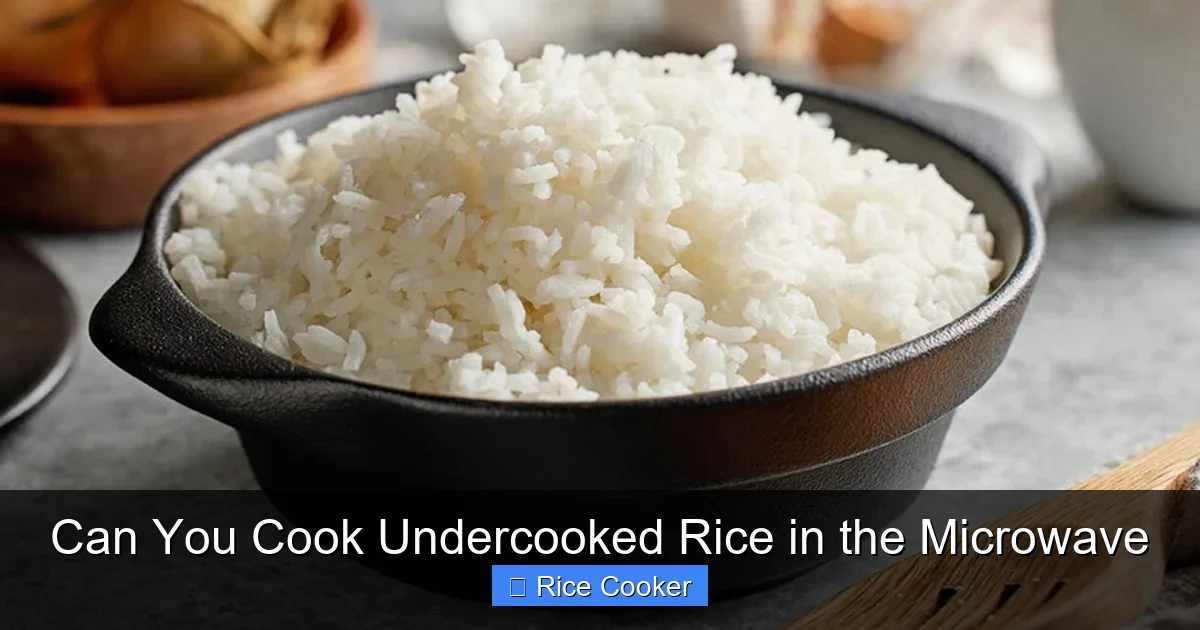
Can you cook undercooked rice in the microwave? Absolutely! If you’ve accidentally cooked rice halfway through or found a batch that didn’t finish properly, don’t toss it out. With the right technique, your microwave can fully cook the rice using steam and heat redistribution. This quick fix saves time, reduces waste, and ensures your meal is ready in minutes.
Key Takeaways
- Safety First: Always ensure undercooked rice reaches a safe internal temperature (165°F/74°C) to kill harmful bacteria like Bacillus cereus.
- Microwave Works: Microwaves are effective at cooking undercooked rice when done correctly with added water and proper timing.
- Use a Ventilated Lid: Covering the container with a lid or damp paper towel helps trap steam, which cooks the rice evenly.
- Stirring Helps: Gently stirring halfway through promotes even heating and prevents hot spots.
- Fluff Before Serving: After microwaving, let the rice rest for 1–2 minutes and fluff it with a fork for perfect texture.
- Not All Rice Is Equal: White rice typically cooks faster than brown or wild rice due to differences in starch and fiber content.
- Prevention Tips: To avoid undercooked rice next time, measure water precisely and use a rice-to-water ratio of 1:2 for white rice.
📑 Table of Contents
- Can You Cook Undercooked Rice in the Microwave?
- Why Does Rice Sometimes Cook Unevenly?
- The Best Way to Finish Undercooked Rice in the Microwave
- Different Types of Rice and Their Microwave Needs
- Safety Considerations When Reheating Rice
- Alternative Methods to Finish Undercooked Rice
- Troubleshooting Common Issues
- Preventing Undercooked Rice in the Future
- Conclusion
Can You Cook Undercooked Rice in the Microwave?
We’ve all been there—you set your timer, walk away, and come back to rice that’s still a bit crunchy or just not fully transformed from raw grains into fluffy goodness. It’s frustrating, especially when you’re hungry and running low on time. But here’s the good news: yes, you can absolutely cook undercooked rice in the microwave. In fact, microwaving is one of the most efficient ways to finish the job quickly and safely. Whether you’re dealing with leftover half-cooked rice from last night’s dinner or a batch that got interrupted, this method can save the day.
Microwaves work by exciting water molecules in food, generating heat that cooks the rice. When rice is undercooked, it means those water molecules haven’t had enough time to fully penetrate the grain and complete the gelatinization process—where starches absorb water and swell, turning the rice soft and tender. By adding a little extra moisture and giving the rice another round in the microwave, you essentially jumpstart this process. The key is to create the right environment: enough steam to soften the grains without making them soggy. With a few simple steps, you can turn that disappointing bowl of half-done rice into something delicious and satisfying.
Why Does Rice Sometimes Cook Unevenly?
Rice is a staple in many households, but cooking it perfectly every time isn’t always easy. Several factors contribute to undercooked rice, and understanding them can help prevent future mishaps.
Visual guide about Can You Cook Undercooked Rice in the Microwave
Image source: canyoumicrowavewiki.com
The Science Behind Rice Cooking
Rice contains starches that need to absorb water and heat to become soft and edible. When you cook rice, the water evaporates gradually, and the grains absorb moisture until they reach the ideal texture. However, if the heat isn’t consistent or the water runs out too soon, some parts of the rice remain hard or chewy. This is especially common in microwaves, where hot spots and uneven energy distribution can leave some grains untouched.
Common Causes of Undercooked Rice
- Insufficient Water: Using too little water means the rice can’t fully hydrate, leaving it firm or chalky.
- Short Cooking Time: Microwaves vary in wattage, so a default timer might not be enough for larger batches or lower-powered appliances.
- Poor Stirring: Not mixing the rice during cooking leads to uneven absorption and inconsistent results.
- Old or Low-Quality Rice: Stale rice absorbs water less efficiently, requiring longer cooking times.
- Container Choice: Using a shallow dish allows steam to escape too quickly, reducing cooking effectiveness.
How to Tell if Rice Is Undercooked
It’s important to know the signs of undercooked rice before attempting to fix it. Look for:
- Hard, separate grains that don’t stick together
- A slightly gritty texture when chewed
- White centers in the middle of the grains
- Steam rising but no full softening after the initial cook time
If your rice shows these traits, it’s likely safe to reheat and finish cooking—but never serve it raw or partially cooked, especially for young children or vulnerable individuals.
The Best Way to Finish Undercooked Rice in the Microwave
Now that we’ve covered why rice might be undercooked, let’s dive into the practical solution: finishing it in the microwave. This method is fast, requires minimal equipment, and uses ingredients you probably already have in your kitchen.
Visual guide about Can You Cook Undercooked Rice in the Microwave
Image source: kitchenflock.com
What You’ll Need
- Undercooked rice (about 1 cup)
- 1 to 2 tablespoons of water (more if the rice feels dry)
- A microwave-safe bowl or container
- A lid or microwave-safe plate to cover it
- A fork or spoon
- A damp paper towel (optional, for added moisture)
Step-by-Step Instructions
- Add Moisture: Place the undercooked rice in a microwave-safe bowl. Add 1 tablespoon of fresh water per cup of rice. This reintroduces the hydration needed to complete the cooking process.
- Cover the Bowl: Use a lid that fits snugly or place a microwave-safe plate over the top. If you don’t have a lid, wrap the bowl with plastic wrap, leaving a small vent for steam to escape.
- Microwave in Intervals: Heat on high for 1–2 minutes. Check the rice—if it still looks dry or crunchy, add another tablespoon of water and microwave again for 30 seconds to 1 minute.
- Stir Gently: After each interval, open the microwave and stir the rice with a fork. This redistributes heat and moisture, ensuring even cooking.
- Test for Doneness: The rice should be tender with no hard centers. If needed, continue microwaving in 30-second bursts until fully cooked.
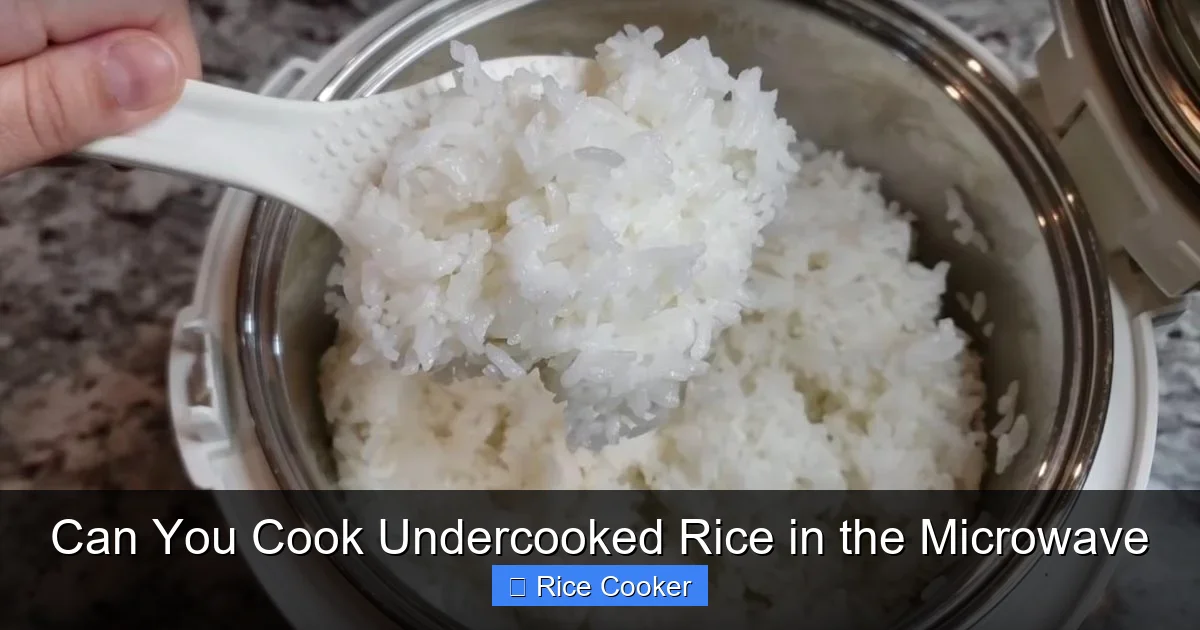
- Rest and Fluff: Let the rice sit covered for 1–2 minutes. Then fluff it with a fork to restore its light, airy texture.
Pro Tips for Success
- Don’t Overfill: Keep the rice level in the bowl to allow steam to circulate evenly.
- Use a Glass Container: Glass retains heat better than plastic and distributes microwave energy more consistently.
- Add a Pinch of Salt: A tiny amount enhances flavor without affecting safety or texture.
- Try a Damp Towel Trick: For extra moisture, place a slightly damp paper towel on top of the rice before covering with a plate.
Different Types of Rice and Their Microwave Needs
Not all rice behaves the same way in the microwave. The type of rice you’re dealing with affects how long it takes to finish cooking and how much water it needs. Understanding these differences will help you adjust your method accordingly.
White Rice
White rice is the most common type and generally the easiest to finish in the microwave. Because it has had the bran and germ removed, it cooks faster and absorbs water more readily. A typical ratio is 1 cup rice to 2 cups water. If your white rice is undercooked, it usually responds well to a 1–2 minute microwave session with added water.
Brown Rice
Brown rice takes longer to cook because of its higher fiber and oil content. It needs more water—usually 1 cup rice to 2.5 cups water—and a longer initial cook time. If brown rice is undercooked, it may require up to 3–4 minutes in the microwave with additional water. Be patient; rushing it can lead to mushiness.
Wild Rice and Other Varieties
Wild rice is technically a seed, not a grain, and has a chewy texture. It also takes longer to cook. If wild rice is undercooked, increase the water slightly and microwave in 1-minute intervals, checking frequently. Other specialty rices like basmati or jasmine may behave similarly to white rice but benefit from a slightly longer resting period after microwaving.
Instant or Pre-Cooked Rice
If you’re dealing with instant rice that’s only partially cooked, follow the same method, but reduce the water slightly since these varieties are designed to cook quickly. Still, always check for doneness—instant rice can go from undercooked to overdone in seconds.
Safety Considerations When Reheating Rice
Rice, especially when cooked and left at room temperature, can harbor spores of Bacillus cereus, a bacterium that produces toxins causing food poisoning. These spores survive normal cooking temperatures but can grow and multiply if rice cools slowly or is stored improperly. While reheating rice thoroughly kills the bacteria, the toxin may already be present and unaffected by heat.
How to Safely Reheat Rice
- Reheat Immediately: Don’t let undercooked rice sit at room temperature for more than 2 hours before finishing it.
- Heat to 165°F: Use a food thermometer to ensure the center of the rice reaches 165°F (74°C).
- Avoid Partial Reheating: Never reheat rice multiple times—do it once and serve immediately.
- Store Properly: If you must store rice, refrigerate it within 1 hour of cooking and consume within 4 days.
- Discard if in Doubt: If the rice smells off, feels slimy, or shows signs of mold, throw it away.
Signs of Spoiled Rice
Even if the rice looks fine, it could be unsafe. Watch for:
- Unpleasant odor (sour or rancid)
- Cloudy appearance or unusual texture
- Presence of mold (visible spots or fuzzy growth)
- Excessive stickiness or clumping
When in doubt, it’s better to err on the side of caution and dispose of questionable rice.
Alternative Methods to Finish Undercooked Rice
While the microwave is convenient, other methods can also rescue undercooked rice—sometimes yielding better texture. Here are a few alternatives worth considering.
Stovetop Method
The stovetop offers more control over temperature and heat distribution. To finish undercooked rice on the stove:
- Transfer the rice to a saucepan.
- Add 2–3 tablespoons of water per cup of rice.
- Cook over medium-low heat, uncovered, for 5–10 minutes, stirring occasionally.
- Check for doneness—the rice should be soft and moist.
This method works especially well for brown rice, which benefits from gentle, sustained heat.
Oven Method
If you have time, baking the rice in the oven can produce evenly cooked results. Preheat the oven to 350°F (175°C). Place the rice in an oven-safe dish with a lid or foil, add a splash of water, and bake for 10–15 minutes. This method is great for large batches but less practical for quick fixes.
Pressure Cooker or Rice Cooker
If you own a rice cooker or pressure cooker, these appliances are ideal for finishing undercooked rice. Simply add a little water, seal the lid, and cook for 3–5 minutes on high pressure or warm setting. This method is foolproof and ensures consistent results.
Troubleshooting Common Issues
Even with the best intentions, things can go wrong when finishing undercooked rice. Here’s how to handle the most common problems.
Rice Is Still Hard After Microwaving
If the rice remains crunchy, it likely didn’t get enough moisture or heat. Try adding another tablespoon of water, covering tightly, and microwaving for an additional minute. Avoid opening the microwave too often during cooking, as this releases steam and slows the process.
Rice Is Mushy or Sticky
Overcooking or using too much water causes mushiness. To fix this, drain excess liquid and fluff the rice with a fork. Serve immediately to maintain texture.
Uneven Texture
If some grains are soft while others are hard, the rice wasn’t stirred properly or heated evenly. Next time, mix the rice halfway through cooking and consider using a turntable or rotating the bowl.
Burnt or Burnt Smell
This usually happens if the rice dries out during microwaving. To prevent it, always use a cover and add water as needed. Never microwave rice without moisture.
Preventing Undercooked Rice in the Future
Once you’ve mastered rescuing undercooked rice, you’ll want to avoid the problem altogether. Prevention is easier than correction.
Measure Accurately
Use measuring cups for both rice and water. A standard rule is 1 cup uncooked rice to 2 cups water for white rice. Adjust slightly for other types—brown rice needs more.
Use the Right Container
Choose a deep, wide bowl that allows rice to expand without overflowing. Avoid shallow dishes that limit steam buildup.
Follow Timing Guidelines
Most microwaves require 10–12 minutes for 1 cup of white rice. Start with the recommended time and adjust based on your appliance’s power. A 1000-watt microwave differs from a 700-watt model.
Let It Rest
After cooking, let the rice stand for 5 minutes. This allows residual heat to finish the cooking process naturally and improves texture.
Invest in a Rice Cooker
If you cook rice often, a rice cooker eliminates guesswork. These devices automatically adjust time and temperature, delivering perfect results every time.
Conclusion
So, can you cook undercooked rice in the microwave? The answer is a confident yes—with the right approach, your microwave can transform half-done rice into a perfectly cooked, fluffy meal. It’s a lifesaver for busy cooks, last-minute meals, or when plans change unexpectedly. The key lies in understanding how rice cooks, knowing the signs of undercooked grains, and using a method that reintroduces moisture and heat effectively.
Remember to prioritize safety by ensuring the rice reaches a safe internal temperature and never reheating rice more than once. Whether you’re dealing with white, brown, or wild rice, the microwave method is adaptable and efficient. And if you’re tired of guessing times and ratios, consider upgrading to a rice cooker—it’s a small investment that pays off in consistency and convenience.
In the end, cooking rice doesn’t have to be stressful. With a few simple tricks and a little practice, you’ll be able to rescue even the most undercooked batch and enjoy every bite without worry. Next time your rice falls short, don’t toss it—just give it another minute in the microwave and turn the setback into a success.
Frequently Asked Questions
Is it safe to eat undercooked rice?
No, eating undercooked rice is not safe because it may contain harmful bacteria like Bacillus cereus. Always ensure rice is fully cooked before consumption.
How do I know if rice is fully cooked?
Fully cooked rice should be tender, with no hard or crunchy centers. The grains should be soft and separate easily when fluffed with a fork.
Can I reuse leftover undercooked rice?
Yes, but only if it’s been stored properly and reheated thoroughly. Refrigerate within 1 hour of cooking and reheat to 165°F (74°C) before serving.
Why does my microwave rice turn out sticky?
Sticky rice usually results from too much water or insufficient draining. Use the correct water ratio and fluff the rice after cooking to improve texture.
Can I freeze undercooked rice?
It’s not recommended. Freezing undercooked rice can encourage bacterial growth. Instead, finish cooking it first, then freeze the fully cooked portion.
What’s the fastest way to cook rice in the microwave?
The quickest method is to use a microwave-safe bowl with a tight-fitting lid, add the right amount of water, and heat in 1-minute intervals, checking frequently.