
Can you cook veggies in a rice cooker? Absolutely! Your rice cooker is a versatile kitchen tool that goes far beyond just making rice. With the right techniques, you can steam, sauté, or even boil a wide variety of vegetables—keeping them tender, colorful, and full of nutrients. Whether you’re meal prepping, trying to eat healthier, or just looking for quick dinner ideas, cooking veggies in your rice cooker is simple, efficient, and surprisingly delicious.
Have you ever stood over a hot stove, stirring a pot of sautéed vegetables while worrying about burning the rice? Or maybe you’ve rushed through dinner only to end up with limp, soggy broccoli because you forgot to watch the timer? If this sounds familiar, you’re not alone. Cooking vegetables the traditional way can be messy, time-consuming, and prone to overdoing it—especially when you’re juggling multiple dishes.
But what if there was a simpler, smarter way? Enter the humble rice cooker—a kitchen appliance many people think of as a one-trick pony. Sure, it makes fluffy white rice, but did you know it can do so much more? From steaming green beans to roasting sweet potatoes, your rice cooker is secretly a multi-functional cooking powerhouse. And yes, you absolutely can cook veggies in a rice cooker. In fact, doing so might just change how you think about meal prep forever.
In this article, we’ll explore everything you need to know about cooking vegetables in a rice cooker: which veggies work best, how to prepare them, what settings to use, and even some tasty recipe ideas. Whether you’re a busy parent, a college student with limited kitchen tools, or someone who just loves experimenting in the kitchen, this guide will show you how easy and delicious it can be to cook nutritious vegetables using nothing more than your trusty rice cooker.
Key Takeaways
- Yes, you can cook most vegetables in a rice cooker. From broccoli and carrots to mushrooms and zucchini, many veggies thrive in a rice cooker’s moist, even-heat environment.
- Different cooking methods work best for different veggies. Steaming suits delicate greens like spinach, while tougher roots like potatoes benefit from boiling or sautéing.
- You don’t need extra oil or pans. A rice cooker reduces cleanup and saves time, especially when cooking multiple vegetable types at once.
- Timing is key—overcooking flattens flavor and texture. Keep an eye on veggies and adjust cook times based on size and density.
- Seasonings and liquids enhance taste. Add garlic, herbs, lemon juice, or broth to boost flavor without extra effort.
- Some rice cookers have specialized settings. Use the “steam” or “slow cook” function for even better results with leafy greens and delicate vegetables.
- It’s perfect for batch cooking and meal prep. Cook a big pot of roasted or steamed veggies to use throughout the week.
📑 Table of Contents
- Why Cook Veggies in a Rice Cooker?
- Which Vegetables Work Best in a Rice Cooker?
- How to Cook Veggies in a Rice Cooker: Step-by-Step Guide
- Recipe Ideas: Easy Veggie Dishes Made in a Rice Cooker
- Tips for Perfect Rice Cooker Vegetables Every Time
- Common Mistakes People Make (And How to Fix Them)
- Final Thoughts: Why You Should Give It a Try
Why Cook Veggies in a Rice Cooker?
Before we dive into specific vegetables and techniques, let’s talk about why anyone would choose a rice cooker over traditional methods like boiling, steaming on the stovetop, or roasting in the oven.
First and foremost, rice cookers are incredibly convenient. Once you set them up and press “start,” they do most of the work for you. There’s no constant monitoring, no risk of burning, and no need to stand over a hot burner. This makes them ideal for people with tight schedules or those who prefer hands-off cooking.
Second, rice cookers preserve nutrients better than some other methods. Because vegetables are cooked quickly in minimal water (or sometimes dry heat), vitamins like vitamin C and folate stay intact longer compared to prolonged boiling. Plus, the even heat distribution prevents hot spots that can overcook or undercook parts of your dish.
Finally, cooking in a rice cooker reduces mess and cleanup. No pots, pans, or steamer baskets to scrub. Just one bowl to wash—and that’s often the inner pot itself, which most modern rice cookers are designed to be nonstick and dishwasher-safe.
Of course, every method has its limits. Rice cookers aren’t great for crispy frying or achieving deep browning, since they rely on moist or indirect heat. But for tender, flavorful, and vibrant vegetables, they’re hard to beat.
Which Vegetables Work Best in a Rice Cooker?
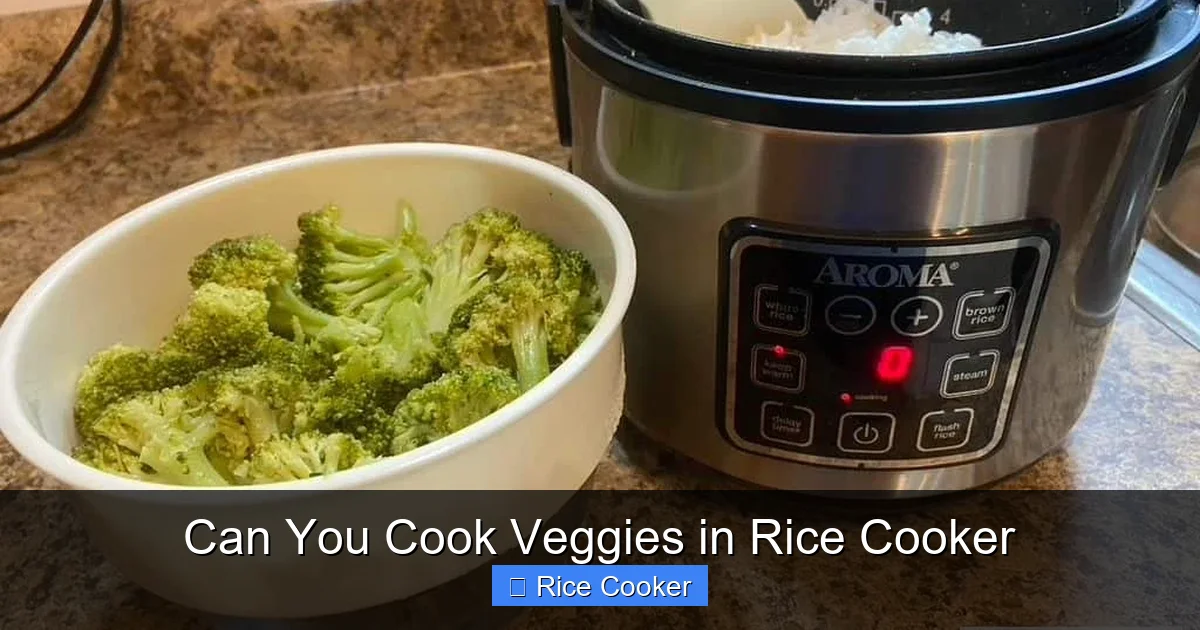
Visual guide about Can You Cook Veggies in Rice Cooker
Image source: stretchrecipes.com
Not all vegetables behave the same way in a rice cooker—some shine, others struggle. The key factors are moisture content, density, and cooking time. Let’s break down the best candidates.
Best Vegetables for Rice Cooker Cooking
- Leafy Greens: Spinach, kale, Swiss chard, and bok choy cook quickly and beautifully. They wilt down significantly, so start with generous portions.
- Cruciferous Vegetables: Broccoli, cauliflower, Brussels sprouts, and cabbage hold up well to moist heat and become tender without turning mushy.
- Root Vegetables: Carrots, potatoes, sweet potatoes, and parsnips take longer but benefit from the consistent heat. Cut them into uniform pieces for even cooking.
- Mushrooms: Portobello, shiitake, and button mushrooms release their own moisture and develop rich umami flavors when cooked slowly.
- Zucchini & Summer Squash: These cook fast—usually in under 10 minutes—and stay firm enough to retain shape.
- Onions & Garlic: Sautéed onions become caramelized, and garlic turns soft and fragrant. Be careful not to burn!
Vegetables That Need Caution
Some veggies can still work in a rice cooker but require special attention:
- Delicate Herbs: Basil and cilantro lose their bright flavor if cooked too long. Add them at the end as a garnish.
- Tomatoes: They break down quickly and turn into a sauce-like consistency. Perfect for soups or pasta sauces, but not ideal for retaining form.
- Corn on the Cob: Can be steamed, but it takes longer and may dry out if not monitored. Wrap in foil for best results.
Avoid These in Most Rice Cookers
Certain vegetables don’t respond well to the enclosed, humid environment:
- Artichokes: Too bulky and slow to cook evenly.
- Asparagus Tips: Tend to get waterlogged unless cooked very briefly.
- Green Peas (Fresh): Often already cooked when purchased frozen; adding them can make everything soggy.
How to Cook Veggies in a Rice Cooker: Step-by-Step Guide
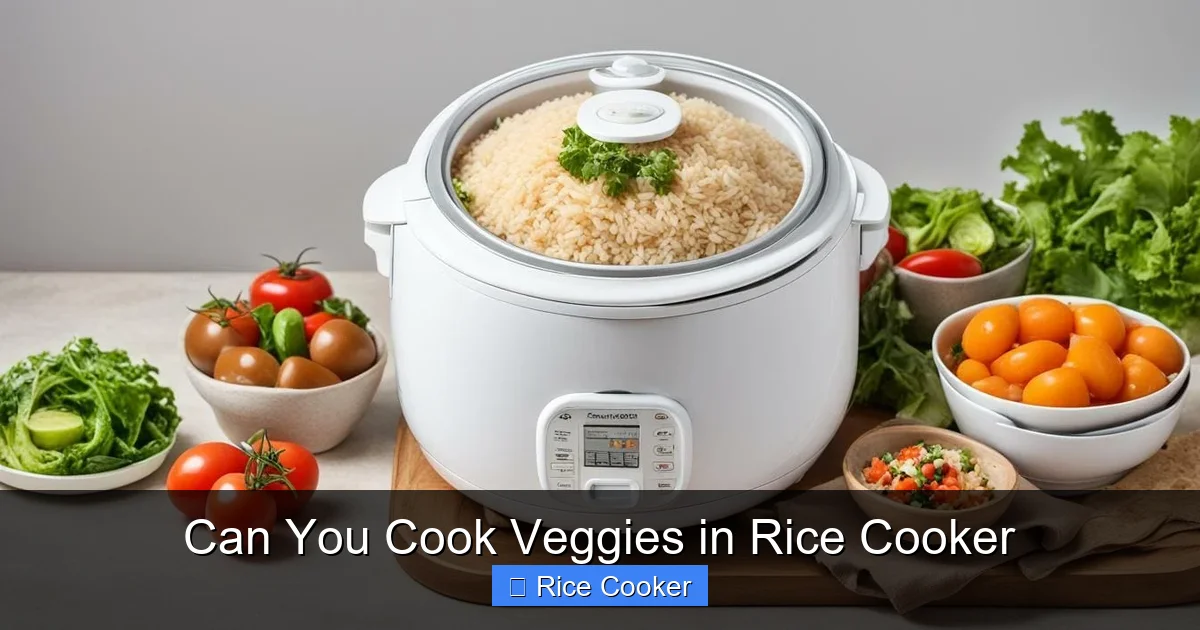
Visual guide about Can You Cook Veggies in Rice Cooker
Image source: ricearray.org
Ready to try it yourself? Here’s a foolproof method to get started.
What You’ll Need
– A standard electric rice cooker (with removable inner pot)
– Fresh or frozen vegetables (preferably cut into similar sizes)
– Water or broth (optional, depending on method)
– Seasonings (salt, pepper, garlic, herbs, etc.)
– Measuring cup or scale (for timing)
Basic Steps
1. **Prepare Your Vegetables:** Wash and chop into uniform pieces. Larger chunks may need longer cooking; smaller ones cook faster.
2. **Add Liquid (If Using Moist Heat):** For steaming or boiling, add 1/4 to 1/2 cup of water or broth to the inner pot. For sautéing, skip the liquid.
3. **Layer Smartly:** Place denser veggies (like potatoes) at the bottom and lighter ones (like spinach) on top so they don’t get crushed.
4. **Season Generously:** Sprinkle with salt, pepper, garlic powder, or fresh herbs. Drizzle with a little olive oil if desired.
5. **Close the Lid and Start Cooking:** Select the appropriate setting—usually “white rice” or “manual” mode. Timing depends on the vegetable.
6. **Monitor Closely After Flavor Development:** Once the cooker switches to “warm,” check for doneness. Overcooked veggies become mushy.
7. **Fluff and Serve:** Use a fork to gently mix and serve immediately.
Cooking Methods Explained
There are three main ways to cook vegetables in a rice cooker: steaming, boiling, and sautéing. Each brings out different textures and flavors.
1. Steaming (Recommended for Greens & Delicate Veggies)
Steaming uses vaporized water to cook food without submerging it. It keeps nutrients intact and preserves color.
– **How to do it:** Add 1–2 cups of water to the pot. Arrange vegetables in a single layer (don’t overcrowd). Cover and cook for 5–12 minutes, depending on type.
– **Best for:** Broccoli, kale, zucchini, bell peppers, green beans.
– **Tip:** Add a splash of lemon juice or soy sauce before closing the lid for extra brightness.
2. Boiling (Great for Roots & Heavier Veggies)
Boiling involves fully submerging vegetables in simmering water. This breaks down cell walls, making tough veggies tender.
– **How to do it:** Fill the pot with enough water to cover your veggies (about 1–2 inches). Bring to a boil first (if possible), then reduce heat and continue until tender.
– **Best for:** Potatoes, carrots, sweet potatoes, parsnips, onions.
– **Tip:** Save the cooking liquid! It makes a flavorful base for soups or sauces.
3. Sautéing (For Browning & Depth)
Many modern rice cookers have a “keep warm” mode that mimics low-heat sautéing. Older models may lack this, but you can still mimic the effect by heating oil first, then adding veggies.
– **How to do it:** Turn on the rice cooker (even if off) to warm it up slightly. Add oil and heat for 30 seconds. Add chopped onions, garlic, or mushrooms. Stir occasionally until golden.
– **Best for:** Onions, bell peppers, mushrooms, eggplant.
– **Tip:** Don’t overcrowd the pan—this prevents steaming instead of browning.
Recipe Ideas: Easy Veggie Dishes Made in a Rice Cooker
Want proof that rice cooker veggies can be delicious? Try these simple recipes.
Garlic Herb Steamed Broccoli
Ingredients:
– 2 cups broccoli florets
– 1 tbsp olive oil
– 2 cloves minced garlic
– Salt and pepper to taste
– Lemon zest (optional)
Instructions:
1. Add 1/4 cup water to the inner pot.
2. Place broccoli in the center. Drizzle with oil and garlic.
3. Close lid and cook on “white rice” setting for 8 minutes.
4. Let sit for 2 minutes after cooking ends. Fluff and season.
One-Pot Sweet Potato & Black Bean Bowl
Ingredients:
– 1 medium sweet potato, cubed
– 1 can black beans (rinsed)
– 1/2 onion, diced
– 1 tsp cumin
– 1/2 tsp chili powder
– Salt to taste
Instructions:
1. Add 1/2 cup water to the pot.
2. Layer sweet potato cubes, onions, and beans.
3. Sprinkle spices over everything.
4. Cook for 15 minutes. Fluff with a fork before serving.
Sautéed Mushroom & Kale Medley
Ingredients:
– 2 cups sliced mushrooms
– 2 cups chopped kale
– 1 tbsp butter or oil
– 1 clove garlic
– Salt and pepper
Instructions:
1. Heat oil in the pot (turn rice cooker on for 1 minute).
2. Add mushrooms and cook until browned (5–7 minutes).
3. Stir in kale and garlic. Cover and cook another 3 minutes.
4. Remove from heat and serve.
Tips for Perfect Rice Cooker Vegetables Every Time
Even with the best intentions, things can go wrong. Here’s how to avoid common pitfalls.
Don’t Overcrowd the Pot
Too many vegetables mean uneven cooking and excess moisture. Cook in batches if needed.
Use Uniform Cuts
Smaller pieces cook faster than large chunks. Aim for pieces about 1 inch in size.
Adjust Water Levels
Less water = less steaming, more sautéing. More water = softer, boiled veggies.
Experiment with Flavors
Try adding coconut milk for curries, miso paste for umami, or soy sauce for Asian-inspired dishes.
Don’t Forget the Warm Phase
The “keep warm” cycle isn’t just for keeping food hot—it helps finish cooking gently. Use it wisely!
Clean Promptly
Food residue can stick if left too long. Rinse the inner pot right after use.
Common Mistakes People Make (And How to Fix Them)
Let’s clear up some misconceptions.
Myth: Rice Cookers Only Make Bland Food
False! With proper seasoning and technique, rice cooker veggies can be bold and flavorful. Marinate ingredients beforehand or add aromatics like ginger and scallions.
Myth: You Need Special Accessories
Not true. While steamer baskets help, they’re optional. Simply layering veggies properly works fine.
Myth: All Rice Cookers Are the Same
Actually, newer models offer more functions—like fuzzy logic, delay timers, and multiple settings. Choose one that fits your needs.
Myth: Cooking Veggies Ruins the Rice Cooker
Nope! As long as you clean it regularly and avoid metal utensils, your rice cooker will last years. Just don’t use it to make soup or stew unless it’s designed for it.
Final Thoughts: Why You Should Give It a Try
Cooking vegetables in a rice cooker isn’t just a clever hack—it’s a game-changer for healthy eating. It simplifies meal prep, reduces waste (thanks to nutrient retention), and frees up your stovetop for other tasks. Plus, it’s budget-friendly: you probably already own the appliance, and fresh produce is cheaper than takeout.
Whether you’re cooking for one or feeding a family, your rice cooker can become your secret weapon for nutritious, hassle-free dinners. So next time you reach for the microwave or order delivery, remember: yes, you can cook veggies in a rice cooker, and the results might surprise you.
Start small—try steaming some broccoli tonight. Then experiment with new combinations tomorrow. Before long, you’ll be whipping up gourmet-style vegetable dishes with zero stress and maximum flavor.
Frequently Asked Questions
Can you cook frozen vegetables in a rice cooker?
Yes, but with caution. Frozen veggies release extra moisture, which can make everything soggy. Cook them for shorter times and monitor closely. Avoid mixing frozen and fresh unless you’re okay with a saucy result.
Do I need to add oil when cooking veggies in a rice cooker?
Not always. Steaming and boiling require no oil, while sautéing benefits from a little fat. Use sparingly—rice cookers absorb minimal oil, so a drizzle is enough to prevent sticking.
How long does it take to cook vegetables in a rice cooker?
It varies by vegetable. Leafy greens take 3–5 minutes, root veggies 10–15 minutes, and denser items like mushrooms or zucchini around 7–10 minutes. Always check toward the end of cooking.
Can you cook meat and vegetables together in a rice cooker?
Yes, but carefully. Add meat first (like chicken or tofu) and cook until done, then add softer veggies toward the end. Avoid long-cooking meats with delicate greens to prevent overcooking.
Will my rice cooker smell after cooking strong-smelling veggies like onions or garlic?
Possibly, especially in older models with poor ventilation. To minimize odors, wipe the exterior and vent after use. Adding a slice of lemon to the pot while cooking can also help neutralize smells.
Is it safe to leave vegetables in the “keep warm” setting all day?
Not recommended. Prolonged exposure to warm temperatures can promote bacterial growth. Cook veggies just before serving and transfer leftovers to the fridge within 2 hours.