
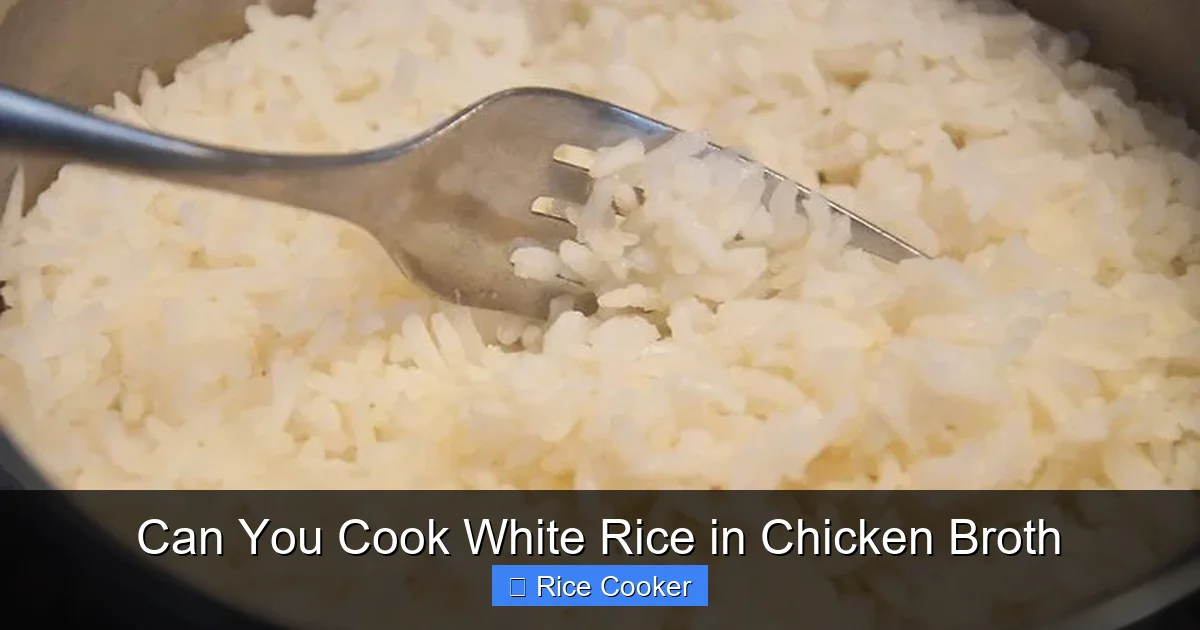
You can cook white rice in chicken broth instead of water to add rich, savory flavor to your dish. Using broth enhances taste and keeps the rice moist and tender, especially when using a rice cooker. This method is simple, delicious, and works well for meals like risottos, grain bowls, or side dishes.
Key Takeaways
- Flavor Boost: Cooking white rice in chicken broth adds depth and richness compared to plain water.
- Perfect Ratios: Use a 1:1 ratio of rice to broth (e.g., 1 cup rice to 1 cup broth) for consistent results.
- Rice Cooker Friendly: Most rice cookers handle broth just fine—just ensure the inner pot is clean and the lid seals properly.
- Adjust Salt Carefully: Broth is often salty, so taste before seasoning and avoid over-salting the final dish.
- Texture Matters: White rice absorbs liquid differently than brown rice—monitor closely to prevent mushiness.
- Versatile Use: Try broth-based rice in soups, casseroles, fried rice, or as a base for protein bowls.
- Customizable: Swap chicken broth for vegetable or beef broth depending on your meal’s flavor profile.
[FEATURED_IMAGE_PLACEHOLDER]
Cooking White Rice in Chicken Broth: A Flavorful Twist on Everyday Meals
Have you ever wondered if cooking white rice in chicken broth could make it tastier? The short answer is yes—and the long answer is even better. Instead of using plain water, substituting it with homemade or store-bought chicken broth transforms a basic staple into something warm, aromatic, and deeply satisfying. Whether you’re making a side dish, a base for fried rice, or part of a one-pot meal, this method adds richness and complexity that simply can’t be matched with water alone.
But before you start pouring broth into your rice cooker, let’s explore why this technique works, how to do it right, and what you should watch out for. From choosing the right broth to adjusting seasoning, we’ll cover everything you need to know to elevate your rice game. And don’t worry—this isn’t just for fancy dinners. With a few simple tweaks, you can use this method for quick weekday lunches or hearty family meals.
Why Cook White Rice in Chicken Broth?
Using chicken broth instead of water when cooking white rice might seem like a small change, but it makes a big difference in flavor. Water is neutral—it doesn’t add taste, which means your rice relies entirely on external seasoning. Broth, on the other hand, infuses each grain with savory notes from herbs, bones, and aromatics used in its preparation. This creates a more cohesive and delicious bite from the very first spoonful.
Beyond flavor, cooking rice in broth can also enhance moisture retention. Since broth contains fat and proteins, the grains tend to stay softer and less dry—especially important for white rice, which can easily become starchy or undercooked if not monitored carefully. This is particularly useful when you’re serving rice alongside roasted meats or stews where a tender, flavorful grain complements the main dish beautifully.
Another benefit? Less cleanup. When you cook rice in broth, you’re essentially using one pot for two ingredients instead of needing separate containers for soaking or simmering. This efficiency makes it ideal for busy cooks who want great-tasting food without extra steps.
Choosing the Right Chicken Broth
Homemade vs. Store-Bought Broth
If possible, start with homemade chicken broth. It allows you full control over salt levels, added ingredients, and overall quality. Homemade broth often has deeper, more complex flavors because it’s simmered longer with vegetables, bones, and herbs. However, if you’re short on time, high-quality store-bought broth works just fine—especially if labeled “low sodium” or “unsalted,” which gives you more flexibility in seasoning.
Avoid broths with excessive preservatives or artificial flavors. Look for options labeled “natural” or “no MSG.” Some brands also specify whether the broth is made from rotisserie chickens, bone-in cuts, or skinless breast meat—each offering slightly different flavor profiles. For rice, a balanced, well-seasoned broth without overwhelming spices is best.
Salt Content Awareness
This is crucial: most chicken broths are already seasoned with salt. That means if you add extra salt during cooking, your rice could end up too salty. Always taste your broth before using it. If it’s flavorful but not overly salty, go ahead and use it straight. If it tastes bland, you can lightly season it while cooking. But remember—rice absorbs liquid slowly, so any added salt will distribute evenly throughout the batch.
Pro tip: Reserve some of the cooked rice for later. If you find it too salty after cooking, mix it with unsalted broth or water next time to dilute the flavor. Alternatively, serve it with a sauce or dressing that balances the saltiness.
How to Cook White Rice in Chicken Broth Using a Rice Cooker
Step-by-Step Instructions
- Measure Your Ingredients: For every 1 cup of uncooked white rice, use 1 cup of chicken broth. This ratio ensures proper absorption without sogginess.
- Rinse the Rice: Place the rice in a fine-mesh strainer and rinse under cold water until the water runs clear. This removes excess starch, preventing clumping and promoting fluffiness.
- Add to Inner Pot: Transfer rinsed rice to the rice cooker’s inner pot. Pour in the measured broth.
- Optional: Add Aromatics: Toss in a bay leaf, sprig of thyme, or a crushed garlic clove for extra depth—remove before serving.
- Start Cooking: Close the lid, select the “White Rice” setting (or manual mode), and press start.
- Let It Rest: Once done, let the rice sit for 5–10 minutes with the lid closed. This allows steam to finish cooking the grains evenly.
- Fluff and Serve: Gently stir with a fork to separate the grains. Taste and adjust seasoning if needed.
Tips for Perfect Results
- Don’t Overfill: Never exceed the maximum fill line in your rice cooker. Too much rice leads to uneven cooking.
- Use Warm Broth: Warming the broth slightly helps maintain heat during cooking and speeds up the process.
- Check Consistency: After rinsing, drain the rice thoroughly—excess water dilutes the broth and affects texture.
- Keep the Lid Sealed: A loose lid lets steam escape, which can result in undercooked rice.
Common Mistakes and How to Avoid Them
Overcooking or Mushiness
White rice can become mushy if overcooked, especially when using liquid-rich broths. To prevent this, avoid opening the lid frequently during cooking. Also, stick to the 1:1 ratio unless you have experience adjusting it. If your rice turns out too soft, try reducing the broth by ¼ cup next time or switching to low-sodium broth.
Too Much Salt
This is the most common issue. Even if your broth tastes fine on its own, the rice may absorb more salt than expected. Always taste a small portion before serving. If it’s too salty, balance it by mixing in a bit of unsweetened yogurt, lemon juice, or adding a protein like grilled chicken or tofu with a light sauce.
Sticky Grains
Starchy white rice tends to clump when over-rinsed or under-drained. Rinse gently and shake the strainer firmly to remove surface starch without washing away nutrients. Also, avoid stirring vigorously once the rice starts absorbing liquid—let the cooker do its job.
Creative Ways to Use Broth-Cooked White Rice
One-Pot Chicken and Rice Dinner
Skip multiple pots! After browning chicken thighs in a skillet, transfer them to a slow cooker or Dutch oven. Add chopped onions, carrots, celery, and your cooked broth rice. Cover and cook on low for 4–6 hours. The result? Tender chicken floating in a fragrant, saucy bed of rice.
Fried Rice with Leftover Broth Rice
Crispy, fluffy fried rice starts with slightly cooled rice—ideally rice that’s been cooked in broth. Scramble eggs in oil, push aside, then add diced peppers, peas, soy sauce, and your rice. Stir-fry everything together for a restaurant-quality meal with zero extra prep.
Rice Bowls with Roasted Vegetables
Roast sweet potatoes, broccoli, and red onion at 400°F (200°C) for 25 minutes. Top with 1–2 scoops of warm broth rice, a fried egg, avocado slices, and a drizzle of tahini sauce. Instant healthy, colorful dinner!
Chicken Soup with Rice
Make a classic comfort dish even better. Simmer chicken pieces with onions, garlic, and herbs until tender. Remove meat, shred, and return to soup. Stir in cooked broth rice 5 minutes before serving. Garnish with fresh parsley.
Can You Substitute Other Broths?
Absolutely! While chicken broth adds a mild, familiar flavor, you can swap it for vegetable, beef, turkey, or even mushroom broth. Each brings unique notes:
- Vegetable Broth: Great for vegetarian meals; lighter and earthy.
- Beef Broth: Richer, deeper flavor—ideal for hearty casseroles.
- Mushroom Broth: Umami-packed and perfect for plant-based dishes.
Just remember: darker broths may tint the rice slightly, and some contain more salt. Adjust accordingly and always taste before adding extra seasoning.
Does Cooking Time Change?
For standard white rice, cooking time remains similar whether using water or broth—usually around 18–20 minutes in a rice cooker. However, broth may cook slightly faster due to higher temperature and moisture content. Keep an eye on the timer and avoid opening the lid unnecessarily. If using a stovetop method, reduce heat slightly after boiling to maintain a gentle simmer.
Storage and Reheating Tips
Freshly cooked broth rice keeps well in the refrigerator for up to 4 days. Store in an airtight container and reheat with a splash of water or broth to restore moisture. Avoid microwaving directly from the fridge—add a damp paper towel to trap steam. For best texture, fluff with a fork before serving.
Freezing is also possible! Portion into freezer-safe bags or containers. Thaw overnight in the fridge, then reheat gently on the stove or in the microwave.
Frequently Asked Questions
Is it healthier to cook rice in broth than water?
Not necessarily. Both methods provide the same caloric value, but broth adds trace minerals and flavor without significant nutritional differences. Choose based on taste preference rather than health claims.
Can I use bouillon cubes instead of broth?
Yes, but dilute them according to package instructions. One bouillon cube typically equals about 1 cup of broth. Be cautious with salt content, as bouillon is highly concentrated.
Will cooking rice in broth change its color?
Lighter broths won’t affect the rice much, but dark broths (like beef or mushroom) might give it a slight golden hue. This is normal and safe to eat.
Can I add herbs or spices directly to the broth while cooking rice?
Yes! Whole spices like peppercorns or bay leaves work well. Just remove them before serving to avoid accidental bites. Finely ground spices blend in seamlessly.
What if my rice cooker doesn’t have a specific broth setting?
Most rice cookers default to the “white rice” setting, which works perfectly for broth-cooked rice. There’s no need for a special function—just follow the standard procedure.
Does this method work for jasmine or basmati rice?
Yes, but these varieties absorb liquid differently. Jasmine rice may become softer, while basmati tends to stay separate. Stick to the 1:1 ratio and monitor closely. Some chefs prefer using broth only halfway through cooking.
Final Thoughts: Simple Upgrades, Big Impact
Cooking white rice in chicken broth isn’t just about changing the liquid—it’s about transforming the entire eating experience. With minimal effort, you turn a humble ingredient into something memorable, aromatic, and full of character. Whether you’re feeding a crowd or preparing a quiet dinner for one, this technique adds warmth and depth that guests (and family) will notice.
And the best part? It’s adaptable. Swap broths, add extras like beans or corn, or pair with bold flavors from around the world. From Asian-inspired fried rice to Mediterranean grain bowls, the possibilities are endless. Plus, using broth reduces waste—turn leftover chicken bones into stock, then use that stock for rice. It’s sustainable, smart, and delicious.
So next time you reach for the rice cooker, think beyond water. Open a carton of broth, measure your grains, and let the magic happen. Your taste buds—and your whole family—will thank you.
This is a comprehensive guide about can you cook white rice in chicken broth.
Key Takeaways
- Understanding can you cook white rice in chicken broth: Provides essential knowledge
Frequently Asked Questions
What is can you cook white rice in chicken broth?
can you cook white rice in chicken broth is an important topic with many practical applications.