
Can you cook white rice in a microwave? Absolutely! With the right ratio of water to rice and proper technique, you can make fluffy, delicious white rice in just minutes. This method saves time, uses fewer dishes, and works great for small portions. Whether you’re meal prepping or craving a simple side dish, microwaving rice is a fast, efficient option.
Key Takeaways
- Yes, it’s possible: Microwaves are fully capable of cooking white rice when used correctly with the right proportions.
- Quick and convenient: Cooking rice in the microwave takes less than 10 minutes and requires minimal cleanup.
- Best for small batches: Ideal for single servings or small families, especially when you don’t need a full pot of rice.
- Use microwave-safe containers: Always choose containers that can handle high heat and steam buildup.
- Resting time matters: Letting the rice sit after cooking helps distribute moisture evenly for fluffier results.
- Adjust water as needed: Rice types and altitudes may require slight water adjustments for perfect texture.
- Safety first: Stirring halfway and venting the lid properly prevents overflow and ensures even cooking.
📑 Table of Contents
- Can You Cook White Rice in a Microwave? The Quick Answer
- The Basics: How Microwave Cooking Works for Rice
- Step-by-Step Guide: How to Cook White Rice in the Microwave
- Tips for Perfect Microwave Rice Every Time
- Different Types of White Rice and Their Microwave Needs
- Common Mistakes and How to Fix Them
- Beyond Plain Rice: Creative Uses and Variations
- Is Microwave Rice Healthier Than Stovetop or Electric?
- Frequently Asked Questions
Can You Cook White Rice in a Microwave? The Quick Answer
Short answer: Yes, absolutely! You can cook white rice in a microwave, and for many people, it’s one of the fastest ways to prepare a staple side dish. Whether you’re short on time, cooking for just one or two, or simply prefer not to use the stovetop, the microwave offers a surprisingly effective method. With the right tools and a little know-how, you can achieve fluffy, tender white rice without any guesswork.
Microwave cooking might seem unconventional compared to traditional stovetop methods, but it’s been a go-to technique in dorm rooms, offices, and tiny kitchens for decades. The key lies in understanding how microwaves transfer energy—through steam and heat—to cook the grains evenly. When done right, the result rivals what you’d get from a rice cooker or pot on the stove. Plus, it uses less water and fewer dishes, making it ideal for quick meals.
The Basics: How Microwave Cooking Works for Rice
Before diving into recipes, let’s break down why microwaves work well for cooking rice. Unlike conventional ovens or stovetops, microwaves heat food by exciting water molecules, creating friction and generating internal heat. This means the rice cooks from the inside out, which can actually help prevent scorching if managed properly.
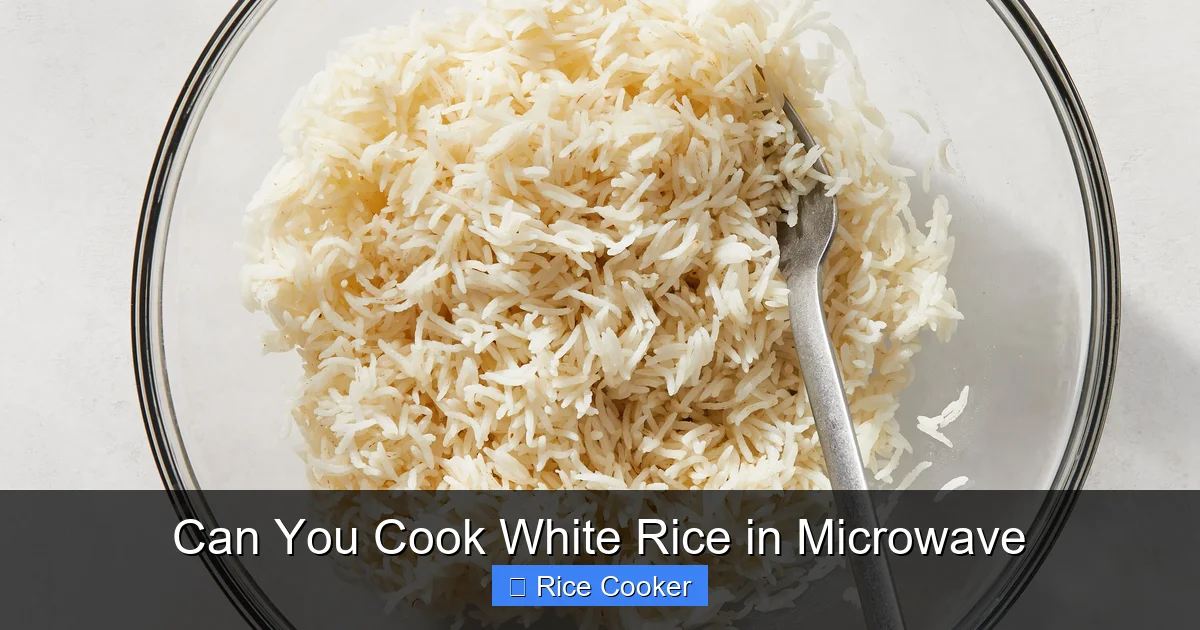
Visual guide about Can You Cook White Rice in Microwave
Image source: static01.nyt.com
For white rice, this method is especially effective because it’s typically steamed rather than boiled, locking in moisture and softness. The process usually involves combining rice and water in a covered container, heating it to bring the water to a boil, then letting it simmer under microwave power until absorbed. The result? Tender, separate grains every time.
Why Choose the Microwave Over Other Methods?
If you’re wondering whether the microwave is worth the effort, here are some compelling reasons:
- Speed: Most white rice varieties cook in 8–12 minutes total.
- Minimal cleanup: Use one bowl instead of a pot, lid, and measuring cups.
- Energy efficient: Microwaves use less electricity than gas or electric stoves.
- Portability: Great for camping, dorms, or anyone with limited kitchen space.
- Controlled portion size: No need to cook a large batch—just what you need.
That said, the microwave isn’t perfect for every situation. Large quantities may require multiple rounds, and texture can vary slightly depending on your microwave’s wattage. But for everyday use, it’s hard to beat convenience and speed.
Step-by-Step Guide: How to Cook White Rice in the Microwave
Ready to try it yourself? Follow these simple steps for foolproof results every time.
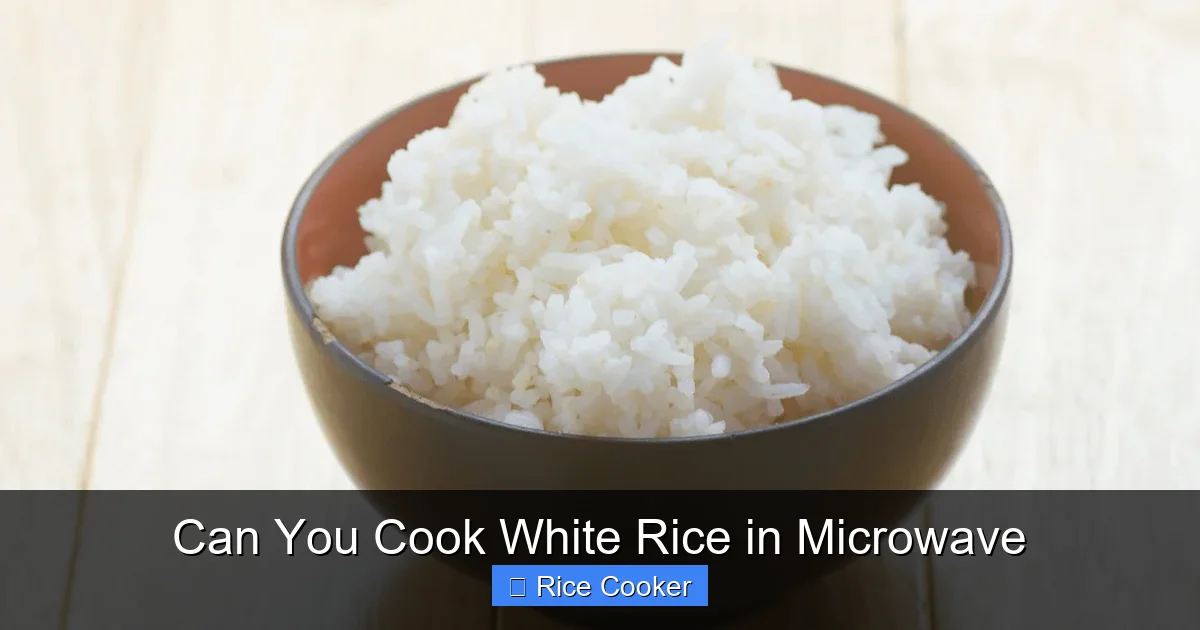
Visual guide about Can You Cook White Rice in Microwave
Image source: justmicrowaveit.com
Gather Your Supplies
You only need a few essentials:
- 1 cup of white rice (long-grain, medium-grain, or jasmine all work)
- 1½ to 2 cups of water (adjust based on rice type)
- A microwave-safe bowl with a tight-fitting lid (or plastic wrap)
- A fork or rice paddle for fluffing
- A timer
Pro tip: Glass or ceramic bowls work best—they retain heat evenly and resist warping.
Measure Accurately
Rice expands as it cooks, so precise measurements matter. Use a dry measuring cup for the rice, and fill it level. For water, start with a 1:1.5 ratio (one part rice to one-and-a-half parts water). If you’re unsure, go with 2 cups of water per 1 cup of rice—it’s harder to have too much water than too little.
Combine and Cover
Place the rice and water in your bowl. Cover tightly with a lid or vented plastic wrap. Venting is crucial—this allows steam to escape and prevents pressure buildup that could cause overflow.
Cook in Intervals
Microwave on high for 10 minutes. After that, carefully remove the bowl (it will be hot!) and give the rice a gentle stir. Then microwave again for another 2–4 minutes, depending on your rice’s absorption rate. Long-grain rice usually finishes faster than short-grain.
Let It Rest
Once done, turn off the microwave and let the rice sit, covered, for 5 minutes. This resting period allows residual heat to finish cooking the grains and lets excess steam redistribute moisture evenly. Fluff with a fork before serving.
Tips for Perfect Microwave Rice Every Time
Even experienced cooks can run into issues like mushy or undercooked rice. Here’s how to avoid common pitfalls:
Use the Right Water Ratio
Too much water = soggy rice. Too little = crunchy grains. Stick to the standard ratios:
- Long-grain white rice: 1 cup rice : 1½ cups water
- Jasmine rice: 1 cup : 1¼ cups
- Medium-grain rice: 1 cup : 1⅓ cups
If you live at high altitude, increase water slightly—up to 2 cups per 1 cup of rice.
Don’t Skip the Stir
Stirring halfway through helps prevent clumping and ensures even cooking. Just lift the cover carefully to avoid burns from escaping steam.
Check Doneness Before Finishing
After the first 10 minutes, peek at the rice. If there’s still visible water, add 30 seconds to 1 minute more. If it looks dry but still firm, let it rest longer—sometimes microwaves cook unevenly.
Vent Properly
A small hole in the plastic wrap or a partially open lid lets steam out without letting liquid spill into the microwave. Too much steam trapped inside can lead to boiling over.
Fluff Immediately After Resting
Using a fork to gently fluff the rice separates the grains and releases excess steam. Avoid using a spoon or metal utensil, which can mash the rice.
Different Types of White Rice and Their Microwave Needs
Not all white rice behaves the same in the microwave. Here’s a breakdown of popular varieties and their ideal settings:
Long-Grain White Rice
This includes common supermarket brands like Uncle Ben’s or Carolina. It has a neutral flavor and stays light and fluffy when cooked correctly. Best microwave time: 10 minutes initial + 3–4 minutes additional. Total: ~13–14 minutes.
Jasmine Rice
Aromatic and slightly sticky, jasmine rice absorbs more water. Use 1¼ cups water per cup of rice. Cook for 10 minutes, stir, then add 2–3 minutes more. Let rest 5 minutes before fluffing.
Basmati Rice
Often sold as parboiled basmati, this long-grain rice becomes fragrant and separates nicely. Requires 1½ cups water per cup of rice. Microwave for 10 minutes, stir, then 4 minutes more. Rest 5 minutes.
Instant Rice Mixes
While not pure white rice, instant mixes (like Minute Rice) are designed for microwave use. Just follow package instructions—usually 1 cup mix + 1¼ cups water, microwaved for 5 minutes. These skip the soaking step entirely.
Remember: always check the label. Some specialty rices may recommend different methods or times.
Common Mistakes and How to Fix Them
New to microwave cooking? You might run into a few hiccups. Here’s how to troubleshoot them:
Mushy or Sticky Rice
This happens when too much water is used or the rice isn’t stirred. Fix: Next time, reduce water by ¼ cup. Also, ensure you’re using fresh rice—older stock loses starch, affecting texture.
Undercooked or Hard Grains
If the center is chewy, add 1 minute of microwaving. Cover again and continue until tender. Don’t overmix, though—it breaks apart the grains.
Overflow During Cooking
Too much water plus no venting causes boiling over. Always cover with a lid or vented wrap. Keep an eye on it during the last couple of minutes.
Bowl Gets Too Hot
Some plastics warp or melt near the edges. Switch to glass or ceramic containers. Also, avoid stacking bowls or covering too tightly—steam needs room to expand.
Uneven Cooking
Older microwaves may heat unevenly. Stirring halfway solves this. You can also rotate the bowl halfway through for better distribution.
Beyond Plain Rice: Creative Uses and Variations
Once you master basic white rice, you can elevate it with flavors and textures. Try these ideas:
Herbed or Spiced Rice
Add a pinch of salt, a bay leaf, or a teaspoon of butter to the water before cooking. After resting, fold in fresh herbs like parsley or cilantro.
Garlic or Onion Infusion
Sauté minced garlic in oil, then add rice and water. This infuses subtle flavor without changing the cooking method much.
Coconut Milk Rice
Replace half the water with coconut milk for a creamy, tropical twist. Cook as usual, but reduce water to 1 cup per 1 cup rice since coconut milk adds richness.
Cheese and Herb Rice
After cooking, stir in shredded cheese, chives, or Parmesan while still warm. Perfect for casseroles or side dishes.
Rice Pudding (Sweet Version)
Use 1 cup rice, 2 cups milk, ¼ cup sugar, and a dash of vanilla. Microwave in intervals, stirring often, until thickened. Top with cinnamon or fruit.
These variations show how versatile microwave rice can be—even if you’re not using a fancy rice cooker.
Is Microwave Rice Healthier Than Stovetop or Electric?
When it comes to nutrition, microwave-cooked white rice is nearly identical to other methods. All white rice has similar calorie counts and carbs, regardless of preparation style. The main differences lie in added ingredients (like oil or salt), not the cooking method itself.
However, microwave cooking uses less energy and water, which some consider a minor environmental benefit. Also, because it’s faster, you’re less likely to leave rice unattended on the stove, reducing burn-off or overcooking risks.
One thing to note: reheating leftover rice should always be done in the microwave with a damp paper towel to prevent drying out. Never reheat rice on the stovetop unless you monitor it closely.
Frequently Asked Questions
Can I cook brown rice in the microwave?
Yes, but it requires more water and longer cooking time—typically 1:3 ratio and 15–20 minutes total. Brown rice takes longer to absorb water due to its bran layer. Add extra stirring intervals and check frequently.
Do I need to soak white rice before microwaving?
No, soaking isn’t necessary for white rice. Unlike brown rice, white rice cooks quickly and evenly without pre-soaking. Save time by skipping this step entirely.
What kind of container should I use?
Always use microwave-safe glass, ceramic, or BPA-free plastic. Avoid metal, aluminum foil, or non-microwave-safe plastics. A wide-mouth bowl works best for even heating.
How do I store leftover microwave rice?
Let it cool completely, then transfer to an airtight container. Store in the fridge for up to 4 days or freeze for up to 3 months. Reheat with a splash of water to restore moisture.
Can I make fried rice in the microwave?
Technically yes, but it’s not ideal. Microwaves don’t brown food well, so fried rice won’t get that crispy texture. For best results, sauté first on the stove, then warm in the microwave.
Why does my microwave rice sometimes come out gummy?
Gummy rice usually means either too much water or insufficient stirring. Reduce water by ¼ cup next time and stir halfway through cooking. Also, avoid covering too tightly—ventilation is key.
Frequently Asked Questions
Can I cook brown rice in the microwave?
Yes, but it requires more water and longer cooking time—typically 1:3 ratio and 15–20 minutes total. Brown rice takes longer to absorb water due to its bran layer. Add extra stirring intervals and check frequently.
Do I need to soak white rice before microwaving?
No, soaking isn’t necessary for white rice. Unlike brown rice, white rice cooks quickly and evenly without pre-soaking. Save time by skipping this step entirely.
What kind of container should I use?
Always use microwave-safe glass, ceramic, or BPA-free plastic. Avoid metal, aluminum foil, or non-microwave-safe plastics. A wide-mouth bowl works best for even heating.
How do I store leftover microwave rice?
Let it cool completely, then transfer to an airtight container. Store in the fridge for up to 4 days or freeze for up to 3 months. Reheat with a splash of water to restore moisture.
Can I make fried rice in the microwave?
Technically yes, but it’s not ideal. Microwaves don’t brown food well, so fried rice won’t get that crispy texture. For best results, sauté first on the stove, then warm in the microwave.
Why does my microwave rice sometimes come out gummy?
Gummy rice usually means either too much water or insufficient stirring. Reduce water by ¼ cup next time and stir halfway through cooking. Also, avoid covering too tightly—ventilation is key.