
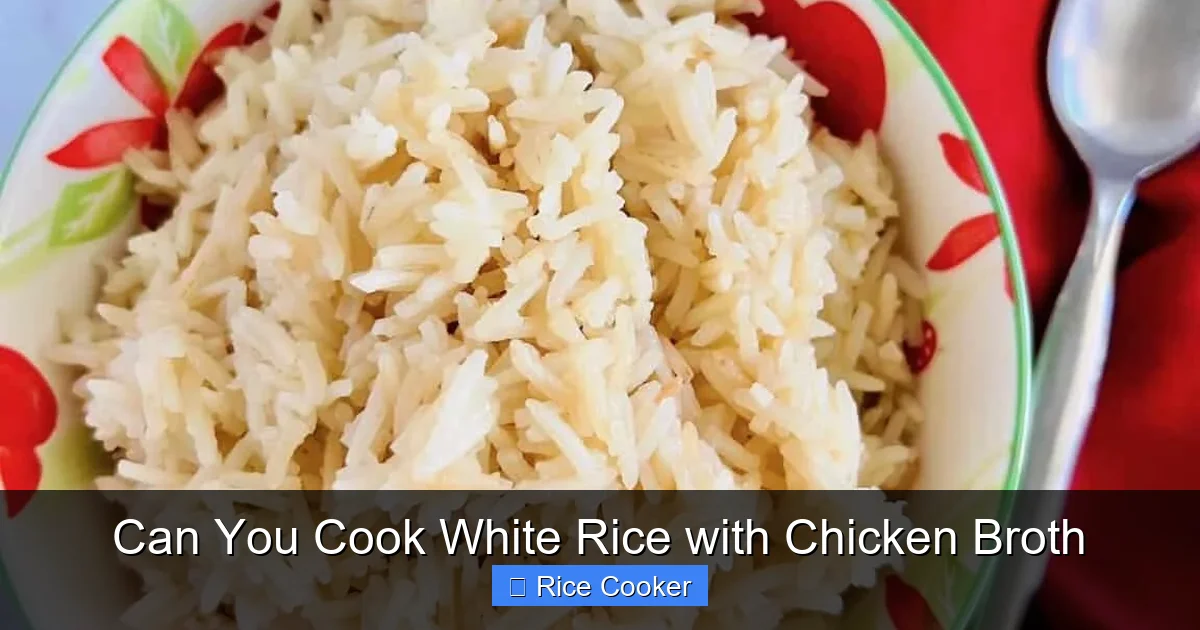
Yes, you can cook white rice with chicken broth instead of water—and it makes a delicious, savory difference! Using broth adds depth and nutrients, creating a more flavorful dish that pairs beautifully with chicken, vegetables, or stir-fries. It’s a simple kitchen hack that requires no extra effort, just swapping one liquid for another in your rice cooker or pot.
Key Takeaways
- Flavor Boost: Chicken broth enhances the taste of white rice without requiring additional seasoning.
- Nutritional Upgrade: Broth adds minerals and protein compared to plain water, making your meal slightly more nutritious.
- Convenience: No need for separate sauces—broth infuses flavor during the cooking process.
- Perfect Pairing: Ideal for dishes like chicken and rice bowls, fried rice, or casseroles.
- Easy Substitute: Works in any standard rice cooker, stovetop pot, or Instant Pot.
- Customizable: Use low-sodium broth to control salt levels or add herbs and garlic for extra zest.
- Time-Saving: One-pot meals become even easier when rice and flavor come together simultaneously.
Key Takeaways
- Understanding can you cook white rice with chicken broth: Provides essential knowledge
📑 Table of Contents
Cooking White Rice with Chicken Broth: A Flavorful Twist on a Classic
Rice is a kitchen staple—comforting, versatile, and endlessly adaptable. Whether you’re making a quick side dish or building a full meal around it, white rice is a reliable foundation. But what if you could make it better? What if a simple ingredient swap turned ordinary rice into something extraordinary?
Enter chicken broth. That rich, savory liquid you use to finish soups or deglaze pans? It can do so much more. By using chicken broth instead of water when cooking white rice, you unlock a whole new level of flavor. The result? A fragrant, aromatic grain that tastes like it’s been simmering with your favorite proteins all day. And the best part? It takes zero extra time or effort.
In this article, we’ll walk you through exactly how to cook white rice with chicken broth, why it works, and how you can use it in creative ways across your meal prep. Whether you’re using a rice cooker, a pot on the stove, or an Instant Pot, this technique fits seamlessly into your routine. Plus, we’ll share tips to avoid common pitfalls and help you customize the flavor to your liking.
Why Choose Chicken Broth Over Water?
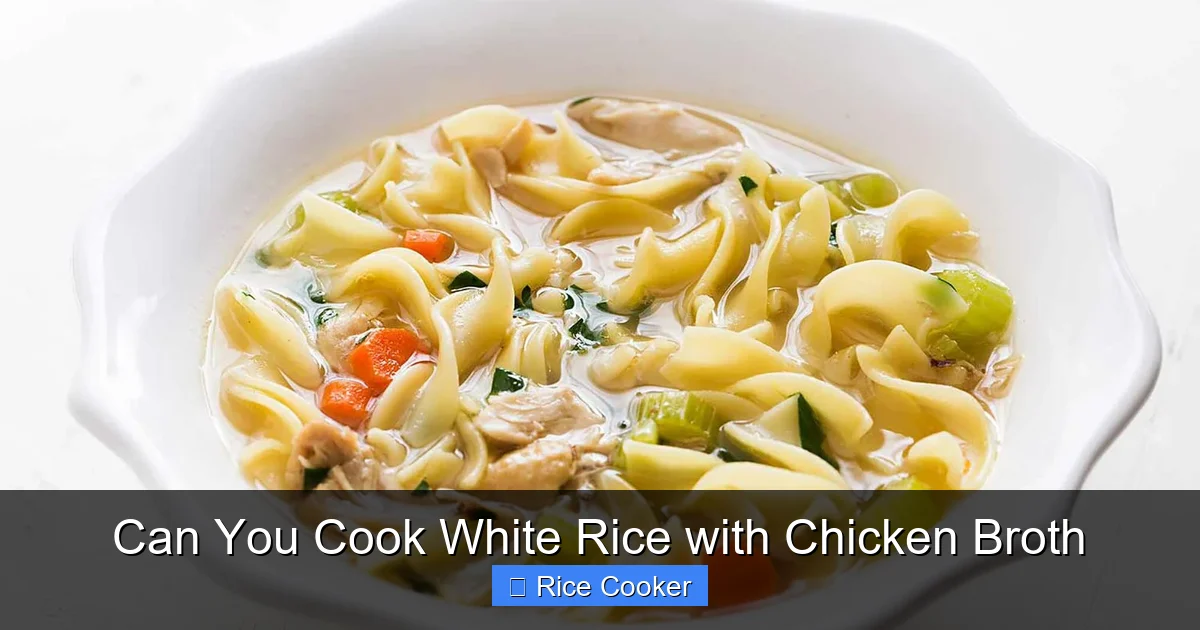
At first glance, water and broth might seem interchangeable—but they’re not. Water is neutral; broth is alive with flavor. When you cook rice in plain water, you get clean, mild-tasting grains. But when you cook it in chicken broth, you introduce layers of umami, saltiness, and aroma that transform the entire dish.
Visual guide about Can You Cook White Rice with Chicken Broth
Image source: recipes.net
The Science Behind the Swap
Rice absorbs liquid as it cooks, and that liquid doesn’t just hydrate the grain—it imparts flavor. Think of it like steeping tea: the longer the grains sit in the broth, the more deeply they soak up those rich notes. Chicken broth contains gelatin, collagen, and dissolved minerals from bones and vegetables, which not only add taste but also contribute a subtle creaminess to the finished rice.
Additionally, because broth is typically seasoned with salt, herbs, and aromatics during its own preparation, your rice gains those flavors passively. This means less work for you—no need to sauté onions separately or stir in soy sauce at the end.
Health Benefits of Broth-Rice Cooking
Beyond taste, using chicken broth instead of water offers a minor nutritional edge. Homemade broth often includes leftover vegetables and herbs, meaning you’re packing in extra vitamins and antioxidants. Even store-bought versions (especially low-sodium ones) contain more sodium than water, which can enhance flavor while still being manageable if you monitor your intake.
For those following a low-carb or keto diet, this method won’t change the carb count of rice—but it can make the dish feel more satisfying and nourishing, thanks to the added flavor and mouthfeel.
How to Cook White Rice with Chicken Brouth
You don’t need special equipment or advanced skills to pull this off. In fact, this method works with virtually any cooking setup. Below are step-by-step instructions for three common methods: rice cooker, stovetop, and Instant Pot.
Visual guide about Can You Cook White Rice with Chicken Broth
Image source: delishsides.com
Using a Rice Cooker
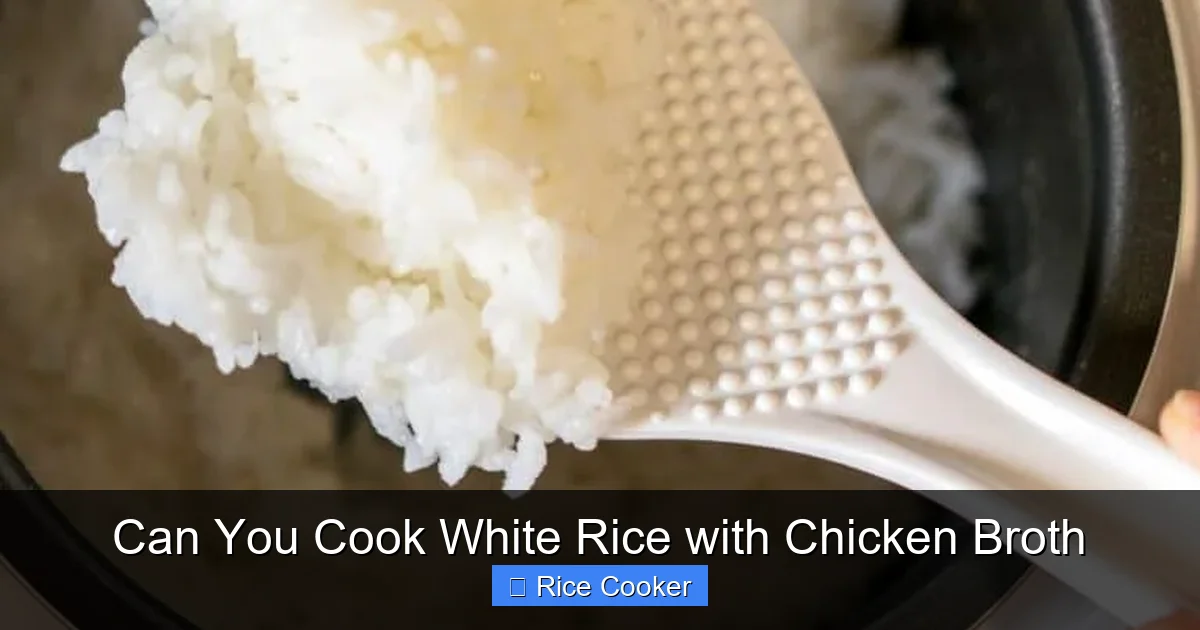
A rice cooker makes this process incredibly straightforward. Most models have a “white rice” setting, which adjusts timing and heat automatically.
- Measure the rice: For every cup of uncooked white rice, use 1 cup of broth. Stick to the 1:1 ratio unless your recipe calls for more liquid.
- Clean the basin: Rinse the inner pot of your rice cooker under cool water. This removes any residual starch or debris.
- Add rice and broth: Place the rinsed rice into the pot, then pour in the chicken broth. Stir gently once to distribute the liquid evenly.
- Start cooking: Close the lid and press the “Cook” button. Let the machine do its thing—no stirring or watching required.
- Let it rest: Once done, let the rice sit for 5–10 minutes with the lid closed. This allows steam to finish softening the grains and helps them fluff up.
Pro Tip: If your broth is homemade and especially flavorful (like one made from rotisserie chicken bones), reduce the amount by ¼ cup to prevent overpowering the rice.
Cooking on the Stovetop
Stovetop cooking gives you more control over heat and timing, though it does require a bit more attention.
- Wash the rice: Rinse 1 cup of white rice under cold water until the water runs clear. This removes excess surface starch and prevents clumping.
- Sauté optional: For extra depth, heat 1 tablespoon of oil or butter in a medium saucepan over medium heat. Add minced garlic or shallots, sauté for 30 seconds, then add the rinsed rice. Toast for 1–2 minutes until lightly golden.
- Add broth: Pour in 1 cup of warm chicken broth. Bring to a boil.
- Simmer covered: Reduce heat to low, cover the pan tightly, and simmer for 18–20 minutes. Avoid lifting the lid during this time.
- Rest and fluff: Turn off the heat and let the rice rest for 5 minutes. Then fluff with a fork.
Note: Warm broth helps the rice cook more evenly than cold broth, which can lead to uneven texture.
In an Instant Pot
The Instant Pot simplifies stovetop techniques with its sealed, pressure-cooking environment.
- Add rice and broth: Place 1 cup of rinsed white rice and 1 cup of chicken broth in the Instant Pot.
- Seal and cook: Secure the lid, set the valve to sealing, and select “Manual/Pressure Cook” for 4 minutes on high pressure.
- Natural release: After cooking, allow a 10-minute natural pressure release, then do a quick release for any remaining steam.
- Fluff and serve: Open the lid, fluff with a fork, and enjoy.
This method yields perfectly tender, evenly cooked rice every time—even for beginners.
Tips for Perfect Broth-Cooked Rice Every Time
While cooking rice with chicken broth is forgiving, a few small tweaks can take your results from good to great.
Use Warm Broth
Starting with warm broth helps the rice cook more uniformly. Cold broth lowers the initial temperature of the mixture, potentially extending cooking time or creating uneven textures.
Stick to the Right Ratio
The general rule is 1 cup rice : 1 cup liquid. Some recipes may call for more (especially if adding vegetables or beans), but for plain white rice, keep it simple. Too much liquid can make the rice mushy; too little risks dry, chalky grains.
Choose the Right Broth
Low-sodium broth is ideal if you’re watching your salt intake. You can always add a pinch of salt at the end if needed. Avoid highly concentrated broths (like stock made from reduced bones) unless you’re okay with intensely savory rice.
Enhance with Aromatics
Want to level up your flavor? Add a bay leaf, a slice of ginger, or a couple of crushed garlic cloves directly into the pot while cooking. Remove them before serving if desired.
Avoid Stirring During Cooking
Once the broth hits a boil, resist the urge to stir. Stirring breaks apart the delicate structure of rice grains and can lead to a gummy texture.
Store Leftovers Properly
Cooled broth-rice can be stored in an airtight container in the fridge for up to 5 days or frozen for up to 3 months. Reheat gently on the stovetop with a splash of broth or water to restore moisture.
Creative Ways to Use Chicken Broth Rice
Once you’ve mastered the basics, the possibilities expand. Here are some delicious ideas to inspire your next meal.
Chicken and Rice Bowls
Top your fluffy broth rice with shredded rotisserie chicken, steamed broccoli, sliced almonds, and a drizzle of teriyaki sauce. Add a soft-boiled egg for protein and richness.
Fried Rice
Cook your broth-rice a day ahead and chill it. Then fry it in a wok with scrambled eggs, peas, carrots, and soy sauce. The leftover flavor from the broth makes this version extra tasty.
Rice Pudding (Savory Twist!)
While traditional rice pudding is sweet, try a savory version: cook rice in chicken broth, stir in grated Parmesan, chopped parsley, and a dash of black pepper. Serve warm for a comforting side or light dinner.
Meal Prep Friendly
Bake a large batch of broth rice at the start of the week. Divide into containers and pair with grilled chicken, roasted veggies, or a fried egg for quick lunches.
Base for Casseroles
Incorporate broth-rice into casseroles like chicken divan or tuna noodle—it adds moisture and flavor without extra liquids.
Common Mistakes to Avoid
Even experienced cooks can stumble when trying new techniques. Here’s how to dodge the most common pitfalls.
Overseasoning the Broth
If your broth is already salty or heavily spiced, adding extra seasonings later can ruin the balance. Taste the broth first, and adjust accordingly.
Skipping the Rinse
Unwashed rice can stick together and leave gritty bits at the bottom of the pot. Always rinse until the water is clear.
Using Old or Expired Broth
Dated broth loses potency and can develop off-flavors. Check expiration dates and use within a few days of opening for best results.
Not Resting the Rice
Skipping the resting period leads to clumpy, uneven rice. Patience pays off here.
Measuring Incorrectly
Use measuring cups, not volume estimates. A heaping scoop of broth won’t give you consistent results.
Frequently Asked Questions
Can I use bone broth instead of regular chicken broth?
Absolutely! Bone broth is richer and more nutrient-dense. Just be aware it has a stronger flavor, so adjust quantities or dilute with water if needed.
Is it safe to use canned or boxed broth?
Yes, as long as it’s labeled as “chicken broth” and not a bouillon paste. Canned broths are convenient and work well—just check the sodium content.
Can I freeze cooked broth rice?
Yes, cooled broth rice freezes beautifully for up to 3 months. Thaw overnight in the fridge and reheat with a splash of water or broth.
Will cooking rice in broth make it too salty?
It depends on the broth. Low-sodium varieties minimize this risk. You can always rinse briefly after cooking (though this may reduce flavor slightly) or add a pinch of sugar to counterbalance saltiness.
Can I cook brown rice the same way?
Yes, but brown rice requires more liquid and longer cooking times. Use a 1:1.25 ratio (rice to liquid) and increase stovetop time to 35–40 minutes or use the Instant Pot’s “Pressure Cook” setting for 10 minutes with natural release.
Do I need to add oil or butter when cooking broth rice?
No, not necessarily. The broth itself provides enough fat and flavor. However, adding a pat of butter at the end can enhance creaminess and richness.
Conclusion
Cooking white rice with chicken broth isn’t just a clever trick—it’s a gateway to more flavorful, satisfying meals with minimal effort. Whether you’re using a rice cooker, stovetop, or Instant Pot, this simple substitution elevates your rice from basic to brilliant. You get richer taste, subtle nutritional benefits, and the flexibility to build countless dishes around it.
Next time you open a box of white rice, think beyond water. Reach for that carton of broth instead. Your taste buds—and your dinner guests—will thank you.
Frequently Asked Questions
Can I use bone broth instead of regular chicken broth?
Absolutely! Bone broth is richer and more nutrient-dense. Just be aware it has a stronger flavor, so adjust quantities or dilute with water if needed.
Is it safe to use canned or boxed broth?
Yes, as long as it’s labeled as “chicken broth” and not a bouillon paste. Canned broths are convenient and work well—just check the sodium content.
Can I freeze cooked broth rice?
Yes, cooled broth rice freezes beautifully for up to 3 months. Thaw overnight in the fridge and reheat with a splash of water or broth.
Will cooking rice in broth make it too salty?
It depends on the broth. Low-sodium varieties minimize this risk. You can always rinse briefly after cooking (though this may reduce flavor slightly) or add a pinch of sugar to counterbalance saltiness.
Can I cook brown rice the same way?
Yes, but brown rice requires more liquid and longer cooking times. Use a 1:1.25 ratio (rice to liquid) and increase stovetop time to 35–40 minutes or use the Instant Pot’s “Pressure Cook” setting for 10 minutes with natural release.
Do I need to add oil or butter when cooking broth rice?
No, not necessarily. The broth itself provides enough fat and flavor. However, adding a pat of butter at the end can enhance creaminess and richness.