
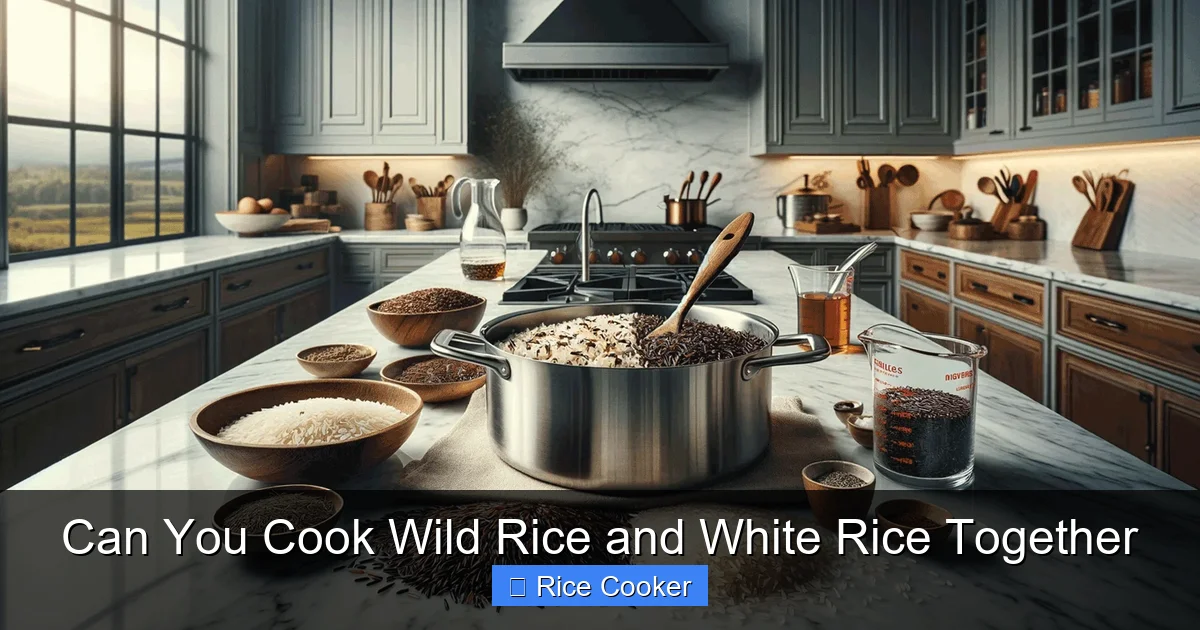
Yes, you can absolutely cook wild rice and white rice together! Combining these two grains not only saves time but also boosts nutrition and flavor. While they have different cooking times, with a few simple adjustments, you’ll get a perfectly balanced, fluffy side dish every time.
Key Takeaways
- Different Cooking Times: Wild rice takes longer to cook than white rice—about 45–60 minutes vs. 15–20 minutes.
- Soaking Helps: Soak wild rice overnight or for at least 30 minutes to reduce cooking time and improve texture.
- Ratio Matters: A good starting ratio is 1 cup wild rice to 2 cups white rice by volume.
- Rinse Before Cooking: Always rinse both types of rice to remove excess starch and prevent clumping.
- Use a Rice Cooker with Timer: Some advanced models allow delayed start, making combined cooking easier.
- Flavor Enhancement: Add herbs, garlic, or broth for extra depth when cooking mixed grains.
- Storage & Leftovers: Cool quickly and store in the fridge for up to 5 days; reheat gently with a splash of water.
📑 Table of Contents
- Can You Cook Wild Rice and White Rice Together?
- The Science Behind Cooking Mixed Grains
- Best Practices for Cooking Wild and White Rice Together
- Step-by-Step Guide: Cooking Together in a Rice Cooker
- Benefits of Mixing Wild and White Rice
- Creative Ways to Serve Mixed Wild and White Rice
- Tips for Perfect Results Every Time
- Common Myths About Cooking Mixed Grains
- Final Thoughts: Why You Should Try It Today
Can You Cook Wild Rice and White Rice Together?
Have you ever stood in front of your kitchen counter, staring at two separate pots—one simmering with wild rice and another with white rice—wondering if there’s a smarter way? The good news is: yes, you can cook wild rice and white rice together, and it doesn’t require a degree in culinary science. In fact, combining these two grains might just be the easiest upgrade to your meal prep routine.
Wild rice and white rice are both staples in many households, but they come from very different places. Wild rice (technically not a true grain but a type of aquatic grass) is denser, chewier, and packed with protein and fiber. White rice, on the other hand, is softer, quicker to cook, and more neutral in taste. When combined thoughtfully, they create a balanced, hearty side dish that’s both nutritious and satisfying. Plus, cooking them together saves time, reduces cleanup, and makes use of your rice cooker’s full potential.
The Science Behind Cooking Mixed Grains
Before we dive into recipes and techniques, let’s talk about why cooking wild and white rice together isn’t as simple as just throwing them in the pot. Each grain has unique properties that affect how it absorbs water, cooks, and textures over time.
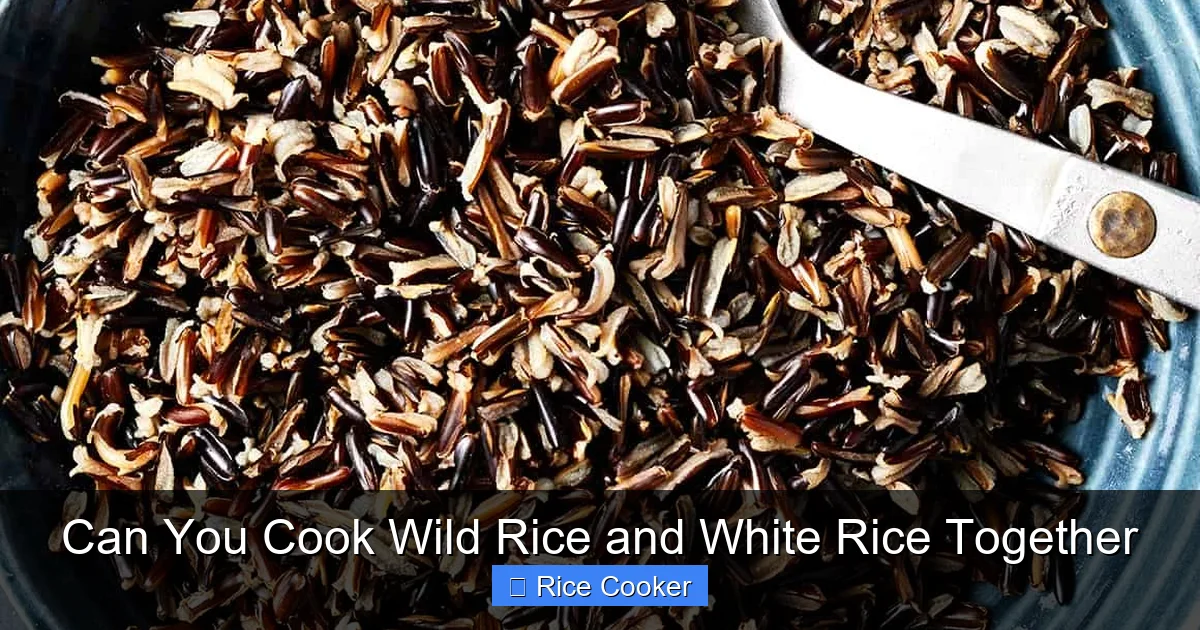
Visual guide about Can You Cook Wild Rice and White Rice Together
Image source: cdn.loveandlemons.com
Absorption Rates and Texture Differences
White rice absorbs water quickly and becomes tender in about 18–20 minutes under pressure (or 30–35 minutes on the stovetop). Wild rice, however, needs much more time—typically 45 to 60 minutes—and releases far less starch, giving it a firmer, almost nutty bite.
If you cook them separately, you end up with one mushy and one undercooked mess. But when cooked together, the key is balance. You want the white rice to stay light and fluffy while the wild rice retains its signature chewy texture. This harmony is possible with the right preparation and timing.
Why Soaking Makes a Difference
One of the biggest challenges with wild rice is its hard exterior. Unlike white rice, wild rice doesn’t soften easily without help. That’s where soaking comes in.
Soaking wild rice overnight (or for at least 30 minutes before cooking) breaks down some of its tough outer layer. This significantly reduces cooking time and helps it cook more evenly. When combined with white rice, soaked wild rice integrates smoothly, creating a cohesive texture without turning into paste.
Best Practices for Cooking Wild and White Rice Together
Now that we understand the science, let’s get practical. Here’s how to do it right every single time.
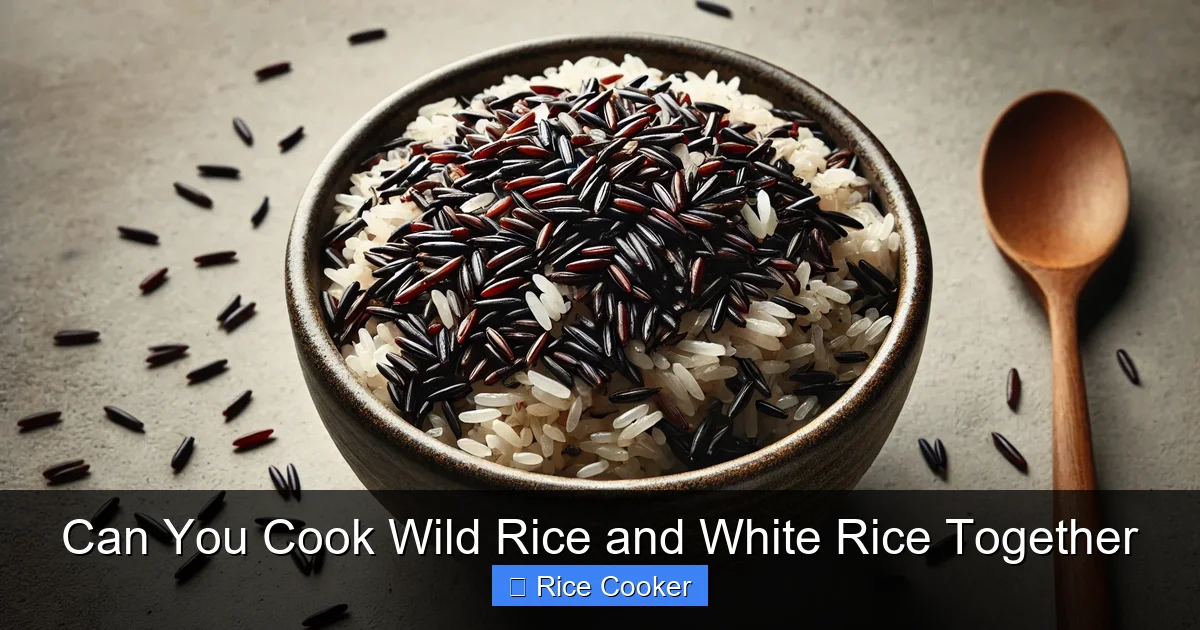
Visual guide about Can You Cook Wild Rice and White Rice Together
Image source: expertreviewsbestricecooker.com
Choosing the Right Ratio
A common misconception is that you need equal parts wild and white rice. Not so! Because wild rice expands less and holds shape better, using too much can make the dish overly dense.
A solid starting point is 1 cup wild rice to 2 cups white rice. This gives you a flavorful, slightly chewy base with enough soft rice to balance it out. If you prefer a lighter texture, try 1:3. For a heartier meal, go up to 1:1.5.
Rinsing Your Rice
Always rinse both types before cooking. Use cold water and swirl the rice in a strainer until the water runs clear. This removes excess starch from white rice and prevents clumping. It also helps wild rice cook more evenly by reducing surface gunk.
Water Ratios: Getting It Just Right
Here’s a pro tip: use a slightly higher water ratio than usual. Wild rice absorbs more water than white rice, so you don’t want it drying out mid-cook.
For 1 cup wild rice + 2 cups white rice, use about 3 to 3.25 cups of water. If you’re using broth instead of water, adjust based on saltiness—broth adds flavor but can make the final dish too salty if overused.
Step-by-Step Guide: Cooking Together in a Rice Cooker
If you own a rice cooker, you’re in luck. Most modern models handle mixed grains beautifully, especially if you follow these steps.
Prep Work (10 Minutes)
- Measure and rinse: Combine 1 cup wild rice and 2 cups white rice in a fine-mesh strainer. Rinse under cold water for 1–2 minutes.
- Soak wild rice: Place wild rice in a bowl, cover with water, and let sit for 30–60 minutes. Drain before adding to the cooker.
- Add liquid: Pour in 3 cups water (or broth) into the inner pot.
- Add rice and seasonings: Gently stir in the rinsed rice. Optional: add a pinch of salt, a bay leaf, or a clove of minced garlic for extra flavor.
Cooking Process
- Insert and close: Place the inner pot into the rice cooker and secure the lid.
- Select the right setting: Most rice cookers have a “Mixed” or “Brown” setting. If yours doesn’t, use the standard “White Rice” setting.
- Let it cook: Press start. Total cooking time will be around 50–55 minutes. Avoid opening the lid during this time.
- Rest and fluff: Once done, let the rice sit for 10 minutes. Then fluff gently with a fork.
Troubleshooting Common Issues
- Too dry? Wild rice may be undercooked. Stir in a splash of hot water and cover for 5 more minutes.
- Too wet? Fluff well and spread the rice on a baking sheet to air-dry for 10 minutes before serving.
- Clumpy texture? Make sure to rinse thoroughly and avoid stirring too much after cooking.
Benefits of Mixing Wild and White Rice
Beyond convenience, blending these two grains offers several nutritional and culinary advantages.
Nutritional Boost
Wild rice is a superfood in disguise. It contains nearly twice the protein of white rice, plus essential minerals like magnesium, zinc, and B vitamins. White rice, though less nutrient-dense, provides quick energy and is easier to digest for some people.
When combined, you get a complete amino acid profile and a balanced macronutrient mix—perfect for athletes, vegetarians, or anyone looking to eat healthier.
Flavor and Texture Variety
Wild rice brings a subtle earthy, nutty flavor that complements white rice’s mildness. The contrast in texture—soft versus chewy—adds interest to each bite, making meals feel more gourmet without extra effort.
Sustainability and Cost Efficiency
Using both types means you can stretch expensive wild rice further. Instead of buying a whole bag at once, you can use small amounts mixed with white rice over time. This reduces waste and keeps your pantry stocked.
Creative Ways to Serve Mixed Wild and White Rice
Once your rice is cooked, the possibilities are endless. Here are a few ideas to elevate your dish:
Hearty Grain Bowls
Top your rice with grilled chicken, roasted vegetables, avocado slices, and a tahini-lemon dressing. The combination is filling, colorful, and restaurant-quality.
Stuffed Peppers or Tomatoes
Use the rice mixture to stuff bell peppers or cherry tomatoes. Add ground turkey or lentils for a protein-packed version.
Rice Pilaf with Herbs
Sauté onions and garlic in olive oil before adding rice and liquid. Finish with fresh parsley, thyme, and a squeeze of lemon.
Mushroom and Sage Risotto Style
Slow-cook the rice with sautéed mushrooms, shallots, and vegetable broth. Stir in sage and parmesan for a rich, savory twist.
Tips for Perfect Results Every Time
Even with the best intentions, things can go sideways. Here are some expert tips to ensure success.
- Don’t skip the soak: Even if you’re short on time, a quick 30-minute soak makes a world of difference.
- Use a timer: If your rice cooker allows delayed start, set it for early morning or work hours.
- Experiment with liquids: Try coconut milk, apple cider vinegar, or miso broth for unique flavors.
- Cool and store properly: Spread cooked rice on a tray to cool faster, then transfer to an airtight container within 2 hours.
- Reheat with care: Add a teaspoon of water per cup and cover while heating to retain moisture.
Common Myths About Cooking Mixed Grains
Let’s debunk a few myths that might be holding you back.
Myth: Wild Rice and White Rice Can’t Be Cooked Together
False. While they cook at different rates, with proper prep, they can coexist beautifully. The trick is soaking and adjusting water levels.
Myth: You Must Buy Special Equipment
False. Any standard rice cooker works. Advanced models with multiple settings just make it easier.
Myth: Mixed Rice Tastes Bland
False. With the right seasonings and liquids, mixed rice can be incredibly flavorful. Think of it as a blank canvas.
Final Thoughts: Why You Should Try It Today
Cooking wild rice and white rice together isn’t just a shortcut—it’s a smarter, more versatile approach to grain-based meals. Whether you’re feeding a family, meal prepping for the week, or simply craving something nutritious and comforting, this method delivers.
You’ll save time, reduce dishes, and enjoy a dish that’s richer in flavor and nutrients. Plus, it’s beginner-friendly and forgiving. Mistakes happen—just adjust next time. And remember: the best part about cooking is experimenting.
Next time you open your rice cooker, skip the separate pots. Grab your wild and white rice, give them a quick rinse and soak, and let your machine do the rest. You’ll wonder why you didn’t try this sooner.
Frequently Asked Questions
Can I cook wild rice and white rice together on the stovetop?
Yes, but it requires more attention than a rice cooker. Simmer the mixture on low heat, covered, for 50–60 minutes, checking occasionally. Stir once halfway through to prevent sticking.
How long does mixed wild and white rice last in the fridge?
It stays fresh for up to 5 days when stored in an airtight container. Reheat gently with a splash of water to restore moisture.
Do I need to soak white rice too?
No, white rice doesn’t need soaking. Only wild rice benefits significantly from it, as it softens the outer hull and speeds up cooking.
Can I freeze mixed rice?
Yes! Portion into freezer-safe containers and freeze for up to 3 months. Thaw overnight in the fridge and reheat with a microwave or stovetop.
What if my rice cooker doesn’t have a mixed-grain setting?
Use the standard “white rice” setting. The cooker will still handle the blend, though cooking time may vary slightly. Just avoid opening the lid during cooking.
Is wild rice safe to eat raw?
No. Wild rice must be cooked thoroughly to break down its tough cellulose structure. Raw wild rice can cause digestive discomfort.