
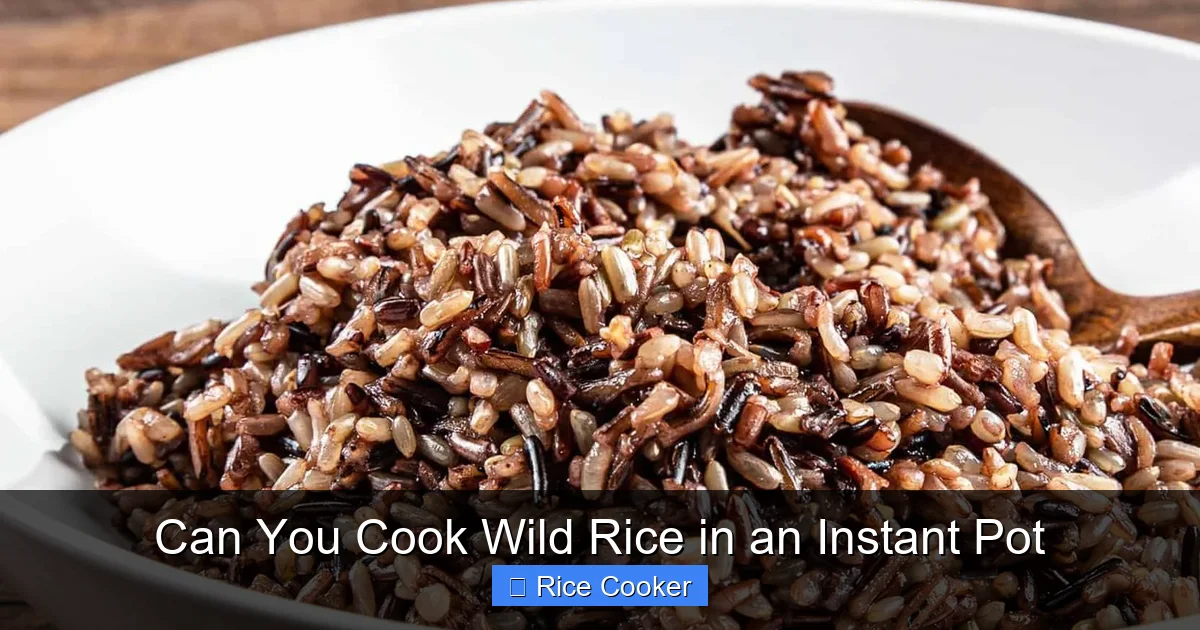
Wild rice takes longer to cook than regular rice, but the Instant Pot simplifies the process. With its pressure-cooking magic, you’ll get fluffy, nutty-tasting grains in under 30 minutes. No soaking required—just add water, set it, and forget it!
Key Takeaways
- Instant Pot makes cooking wild rice fast and foolproof: No need to soak or monitor on the stove—pressure cooking does all the work.
- Wild rice needs more liquid and time than white rice: Use a 3:1 water-to-rice ratio and allow for a natural release after cooking.
- Flavor can be enhanced with broth or seasonings: Swap water for chicken or vegetable broth, or add herbs like thyme or sage.
- Proper rinsing removes bitterness: Rinse wild rice before cooking to reduce its naturally earthy taste.
- Storing leftovers is easy: Cooked wild rice keeps well in the fridge for up to 5 days or frozen for up to 3 months.
- Adjustments help with texture: If your rice is too soft, reduce cooking time slightly next batch.
📑 Table of Contents
- Can You Cook Wild Rice in an Instant Pot?
- The Magic Behind Wild Rice and Pressure Cooking
- Step-by-Step Guide: How to Cook Wild Rice in an Instant Pot
- Tips for Perfect Wild Rice Every Time
- Troubleshooting Common Issues
- Nutritional Benefits of Wild Rice
- Cooking Ideas and Recipe Variations
- Storing and Freezing Wild Rice
- Is Wild Rice Worth the Effort?
- Final Thoughts
Can You Cook Wild Rice in an Instant Pot?
If you’ve ever wondered whether you can cook wild rice in an Instant Pot, the short answer is a resounding yes—and it’s one of the best ways to do it. Wild rice, with its chewy texture and deep, nutty flavor, is a favorite among health-conscious eaters and gourmet chefs alike. But because it takes longer to cook than regular white or brown rice, many people shy away from making it at home. That’s where the Instant Pot comes in.
This versatile kitchen gadget not only speeds up the cooking process but also ensures perfectly cooked wild rice every single time. Whether you’re planning a cozy family dinner, meal prepping for the week, or just craving something different from your usual side dish, cooking wild rice in an Instant Pot is a game-changer. In this article, we’ll walk you through everything you need to know—from preparation tips to troubleshooting common issues—so you can enjoy restaurant-quality wild rice right at home.
The Magic Behind Wild Rice and Pressure Cooking
What Makes Wild Rice Special?
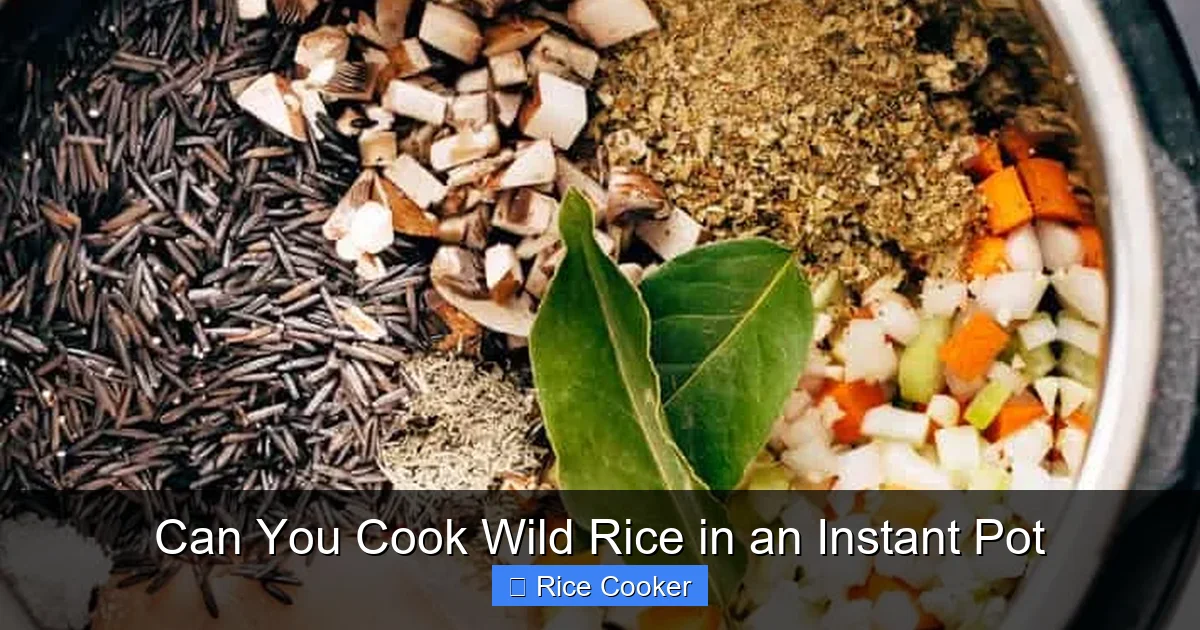
Unlike most rice varieties that come from paddy fields, wild rice (Zizania palustris) grows naturally in North American freshwater lakes and rivers. It has been harvested by Indigenous communities for over 3,000 years and is prized for its rich nutritional profile. Wild rice is higher in protein, fiber, antioxidants, and essential minerals like magnesium and phosphorus compared to other grains.
Visual guide about Can You Cook Wild Rice in an Instant Pot
Image source: littlespicejar.com
But its unique structure—long, dark grains that are tough and fibrous—means it requires longer cooking times. Traditionally, wild rice has been simmered for 45 minutes to over an hour until tender. This long cook time is what makes the Instant Pot such a perfect match: it uses high-pressure steam to break down the grain quickly while locking in flavor and nutrients.
How the Instant Pot Works Its Wonder
The Instant Pot combines several cooking methods—pressure cooking, slow cooking, sautéing, and even yogurt making—into one appliance. When cooking wild rice, the sealed environment builds up steam, raising the internal temperature above boiling point. This intense heat softens the tough outer layers of the rice grains rapidly, reducing cook time from over an hour to under 30 minutes.
Plus, because the pot retains moisture and heat, wild rice cooked in an Instant Pot tends to have a more uniform texture and richer flavor than if cooked on the stovetop. There’s no risk of burning or uneven cooking, which is especially helpful if you’re new to working with wild rice.
Step-by-Step Guide: How to Cook Wild Rice in an Instant Pot
Gather Your Ingredients
Before you start, make sure you have everything ready. You’ll need:
Visual guide about Can You Cook Wild Rice in an Instant Pot
Image source: veganwithgusto.com
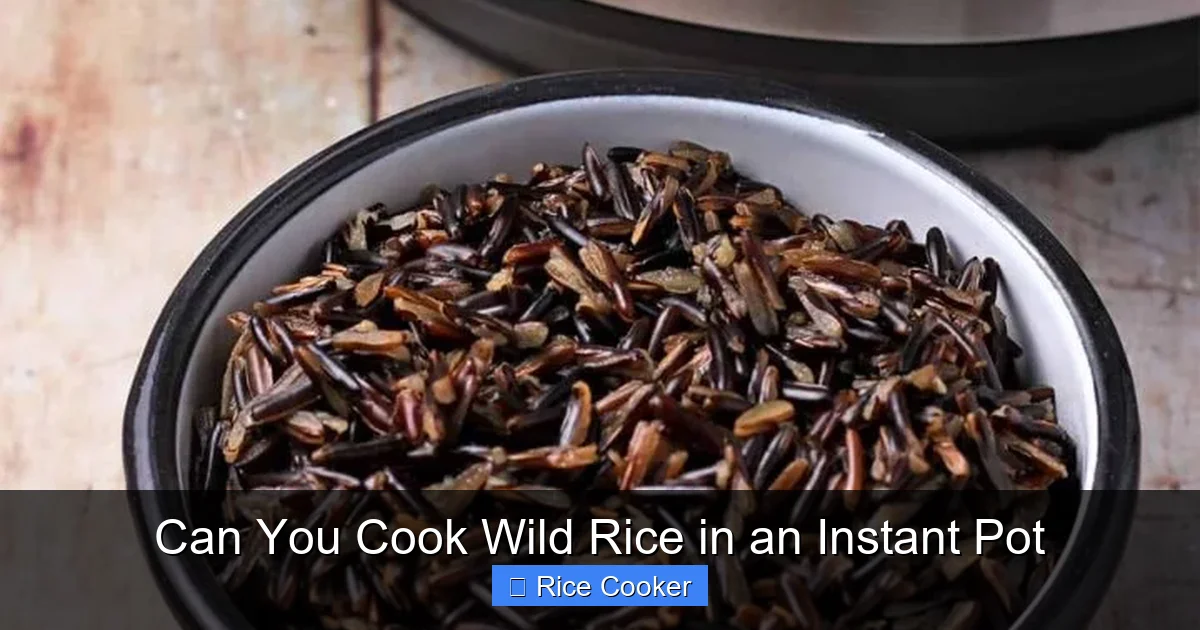
- 1 cup uncooked wild rice (rinsed)
- 3 cups water or low-sodium broth (chicken, vegetable, or mushroom)
- Optional: 1 tablespoon olive oil or butter
- Optional seasonings: salt, pepper, garlic powder, dried thyme, or sage
Note: Do not use salted broth if adding extra salt—it can make the rice too salty. Also, avoid using tap water with high mineral content, as it may affect texture; filtered or bottled water works best for consistency.
Preparation Tips
Rinsing is crucial when preparing wild rice. Place the rice in a fine-mesh strainer and rinse under cold running water for about 30 seconds. This removes excess hull fragments and reduces bitterness. Gently rub the grains between your fingers to help loosen any debris—wild rice can sometimes contain small pieces of its own husk.
If you want extra flavor, consider sautéing the rinsed rice in the Instant Pot for 1–2 minutes using the “Sauté” function before adding liquids. A splash of oil helps toast the grains slightly, enhancing their nutty aroma.
Cooking Process
Follow these simple steps:
- Add the rinsed wild rice to the Instant Pot.
- Pour in 3 cups of liquid (water or broth).
- Add any desired seasonings now.
- Close the lid securely and ensure the vent valve is set to “Sealed.”
- Select the “Manual” or “Pressure Cook” setting and set the timer for 20 minutes at high pressure.
- Once cooking completes, let the pressure release naturally for 10–15 minutes, then carefully turn the vent valve to “Venting” to release remaining pressure.
- Open the lid, fluff the rice gently with a fork, and serve immediately.
Why Natural Release Matters
Using a natural release (letting the pressure drop on its own) is recommended for wild rice. This gradual cooling prevents the rice from becoming mushy and allows the grains to finish cooking evenly. Quick release can cause uneven texture, especially in dense grains like wild rice.
Tips for Perfect Wild Rice Every Time
Use the Right Water-to-Rice Ratio
The standard ratio for wild rice is 3:1—three parts liquid to one part rice. However, some recipes suggest up to 4 cups of liquid per cup of rice if you prefer softer grains. Start with 3:1 and adjust next time based on your preference.
Experiment with Broths and Liquids
While water works fine, swapping it for broth adds depth. Chicken broth gives a savory richness, while mushroom or vegetable broth brings earthiness. Herbal infusions like rosemary or bay leaf during cooking can also elevate the flavor profile.
Don’t Overfill the Pot
The Instant Pot should never be filled more than two-thirds full when pressure cooking. Wild rice expands significantly during cooking, so leaving room prevents clogging the vent or overflowing.
Fluff Gently After Cooking
A fork is gentler than a spoon when breaking apart wild rice. Aggressive stirring can crush the long grains and lead to a gluey texture. Lightly fluff just before serving to maintain integrity.
Reheating Leftovers Properly
To reheat leftover wild rice, add a splash of water or broth to prevent drying out. Cover and microwave in 30-second intervals, stirring in between, or warm it on the stovetop over low heat with a lid on.
Troubleshooting Common Issues
Too Wet or Mushy Rice?
If your wild rice came out too soft, you likely used too much liquid or didn’t let enough pressure release. Next time, try reducing liquid by ¼ cup and shortening cooking time by 2–3 minutes. Also, ensure you’re using fresh wild rice—old stock can become overly brittle or mushy when cooked.
Rice Stuck to the Bottom
This usually happens if the bottom layer lacks sufficient liquid or if the rice wasn’t rinsed properly. Always rinse before cooking, and don’t skip the initial sauté step if you notice sticking. Using a non-stick Instant Pot model also helps.
Bitter Taste
Wild rice can have a slightly bitter edge if not rinsed thoroughly. Make sure to rinse under cold water until the runoff runs clear. Some brands also vary in taste—try different labels to find your preferred brand.
Grains Too Hard
If your rice is still crunchy after cooking, it might not have had enough time or pressure. Check your model’s instructions—some older Instant Pots require longer times. Try extending cooking time by 5 minutes and ensuring the seal is tight.
Nutritional Benefits of Wild Rice
Beyond its delicious taste, wild rice packs a serious nutritional punch. One cup of cooked wild rice provides:
- Approximately 166 calories
- 8 grams of protein
- 3 grams of fiber
- Rich in manganese, magnesium, phosphorus, and B vitamins
- Gluten-free and naturally low in fat
Its high antioxidant content supports heart health and may help reduce inflammation. Because it digests slowly, wild rice helps stabilize blood sugar levels—making it ideal for diabetics or those managing energy throughout the day.
Wild Rice vs. Brown Rice: A Quick Comparison
| Feature | Wild Rice | Brown Rice |
|---|---|---|
| Cooking Time (Instant Pot) | 20 minutes + natural release | 22–25 minutes pressurized |
| Protein Content | Higher (~8g/cup) | Moderate (~5g/cup) |
| Fiber | ~3g/cup | ~3.5g/cup |
| Texture | Chewy, firm, separate grains | Soft, creamy, slightly sticky |
| Flavor | Earthy, nutty, slightly bitter | Mild, nutty, sweet undertones |
While both are nutritious, wild rice stands out for its bold flavor and higher protein. Brown rice cooks faster and is milder, but wild rice offers a more complex dining experience.
Cooking Ideas and Recipe Variations
Simple Seasoned Wild Rice
For a basic side dish, combine 1 cup rinsed wild rice, 3 cups vegetable broth, ½ teaspoon salt, and ¼ teaspoon black pepper. Cook as directed above. Serve with grilled chicken or roasted vegetables.
Wild Rice Pilaf with Nuts and Dried Fruit
Add ½ cup chopped almonds, ¼ cup dried cranberries, and 1 minced shallot during the sauté step. Finish with fresh parsley or chives for color and brightness.
Savory Wild Rice Salad
After cooking, cool the rice completely. Mix with diced apples, celery, walnuts, feta cheese, and a lemon-tahini dressing. Chill for 1 hour before serving—perfect for picnics or lunchboxes.
Wild Rice Soup Base
Cook wild rice separately first. Then simmer it in a broth with carrots, onions, thyme, and mushrooms for a hearty soup base. Add beans or lentils for extra protein.
Storing and Freezing Wild Rice
Proper storage extends shelf life and maintains quality. Cool cooked wild rice completely before transferring to an airtight container. Refrigerate for up to 5 days or freeze for up to 3 months. When freezing, portion into individual servings to thaw quickly later.
Thawed frozen wild rice can be reheated directly in the microwave or on the stove with added liquid to restore moisture. Avoid refreezing unless necessary.
Is Wild Rice Worth the Effort?
Absolutely. While wild rice requires a bit more attention than instant rices, its superior nutrition, unique texture, and gourmet appeal make it worth the investment of time and ingredients. The Instant Pot removes much of the hassle, turning what was once a labor-intensive process into a 30-minute kitchen win.
Whether you’re feeding a crowd, meal prepping for busy weekdays, or simply treating yourself to something special, wild rice is a smart, satisfying choice. And now, thanks to modern appliances like the Instant Pot, there’s no excuse not to include it in your regular rotation.
Final Thoughts
Cooking wild rice in an Instant Pot isn’t just possible—it’s practical, delicious, and efficient. By following the right steps and understanding how pressure cooking affects this ancient grain, you’ll never look back. Say goodbye to long simmer pots and hello to fluffy, aromatic wild rice that pairs beautifully with everything from turkey to salmon.
So go ahead—grab your Instant Pot, rinse that wild rice, and press play. In less than half an hour, you’ll have a nutritious, flavorful side dish that feels like a treat. Your taste buds—and your body—will thank you.
Frequently Asked Questions
Can I substitute white rice for wild rice in an Instant Pot?
Yes, you can cook white rice in an Instant Pot, but wild rice has a distinct flavor and texture that white rice doesn’t replicate. If you’re looking for a similar experience, try long-grain brown rice instead.
Do I need to soak wild rice before cooking it in an Instant Pot?
No soaking is required when using an Instant Pot. Unlike stovetop methods, pressure cooking eliminates the need for pre-soaking, saving time without compromising results.
How long does wild rice take to cook in an Instant Pot?
Wild rice typically takes 20 minutes under high pressure, followed by a 10–15 minute natural release. Total time from start to finish is around 30–35 minutes.
Can I cook wild rice and white rice together in the Instant Pot?
Not recommended. Wild rice and white rice have very different cook times and textures. Cooking them together will likely result in one being overcooked or undercooked.
Is wild rice gluten-free?
Yes, wild rice is naturally gluten-free and safe for people with celiac disease or gluten sensitivity. Just ensure any added seasonings or broths are certified gluten-free.
What’s the difference between wild rice and brown rice?
Wild rice is not actually rice—it’s a grass seed from native North America. It’s higher in protein, has a chewier texture, and cooks longer than brown rice, which comes from cultivated paddy fields.