

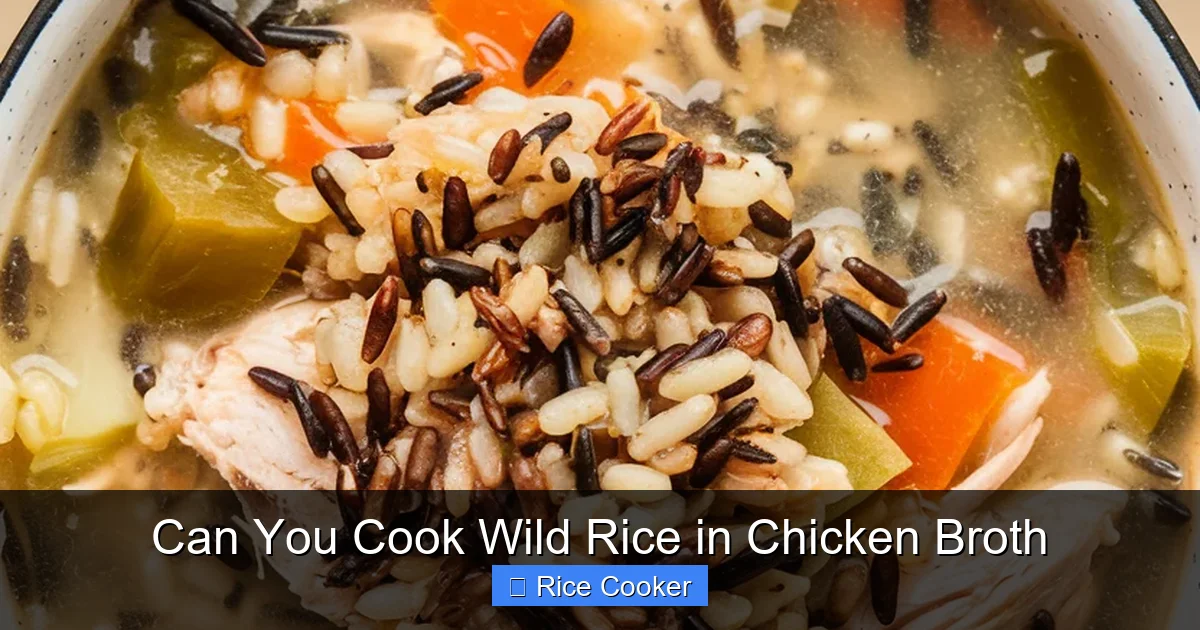
Yes, you absolutely can cook wild rice in chicken broth—and it makes a delicious, nutrient-packed meal. Using chicken broth instead of water adds depth and richness to the earthy flavor of wild rice, making every bite more satisfying. This simple swap transforms a basic side dish into a flavorful main course or hearty bowl.
# Can You Cook Wild Rice in Chicken Broth?
There’s something comforting about a warm bowl of rice—whether it’s fluffy jasmine, creamy risotto, or chewy wild rice. But what if we told you there’s a simple way to take your wild rice from good to unforgettable? Enter: cooking wild rice in chicken broth. Yes, you read that right. Instead of using plain water, try simmering your grains in savory, aromatic chicken broth. The result? A deeply flavorful dish packed with nutrients and complexity.
Wild rice isn’t actually rice at all—it’s a grass seed harvested from lakes and rivers in North America. It has a distinctive chewy texture and rich, nutty flavor that stands up beautifully to bold ingredients like chicken broth. While many people default to water for convenience, swapping in broth is one of the easiest upgrades you can make to elevate both taste and nutrition.
In this guide, we’ll walk you through everything you need to know about cooking wild rice in chicken broth—from why it works so well to step-by-step instructions, pro tips, and creative ways to use your new favorite grain. Whether you’re meal prepping, hosting dinner guests, or just craving something warm and satisfying, this method will become your go-to technique.
Key Takeaways
- Enhanced Flavor: Cooking wild rice in chicken broth imparts savory notes that complement its nutty taste.
- Increased Nutrition: Broth adds vitamins, minerals, and protein compared to plain water.
- Easy Substitution: Simply replace water with equal parts broth when following standard cooking instructions.
- Texture Matters: Wild rice holds up well in broth without becoming mushy when cooked properly.
- Versatile Usage: Use this method for soups, salads, casseroles, or as a base for grain bowls.
- Cooking Time: Expect slightly longer cook times due to broth absorption and heat retention.
- Customization Tip: Add herbs, garlic, or vegetables to the broth for an extra flavor boost.
📑 Table of Contents
- Why Choose Chicken Broil for Wild Rice?
- How to Cook Wild Rice in Chicken Broth: Step-by-Step Guide
- Tips for Perfect Results Every Time
- Creative Ways to Serve Wild Rice Cooked in Broth
- Common Mistakes to Avoid
- Nutritional Benefits of Wild Rice + Chicken Broth
- Frequently Asked Questions About Cooking Wild Rice in Chicken Broth
- Final Thoughts: Make It Your Own
Why Choose Chicken Broil for Wild Rice?
You might wonder: why bother with broth when water gets the job done? The answer lies in flavor chemistry and nutritional benefits. Water is neutral—it doesn’t add anything but hydration. Chicken broth, on the other hand, brings layers of umami, saltiness, and aroma thanks to slow-simmered bones, herbs, and aromatics.
When wild rice absorbs chicken broth during cooking, it soaks up those savory compounds, transforming into a richer, more satisfying grain. This isn’t just about taste—broth also contributes valuable nutrients like collagen, gelatin, and trace minerals that support joint health and digestion. Plus, since wild rice is naturally low in gluten and high in fiber, pairing it with nutrient-dense broth creates a balanced, wholesome meal.
Another advantage? Reduced cleanup. Because broth adds moisture and helps prevent sticking, your pot stays cleaner, and rinsing afterward is minimal. And let’s be real—who doesn’t love fewer dishes?
The Science Behind Flavor Absorption
Grains like wild rice have tiny pores on their surface that open during cooking, allowing liquids to penetrate and infuse flavor. Chicken broth contains soluble proteins, fats, and minerals that bond easily with these pores. As the rice swells and softens over time, it retains those flavors without becoming bland or soggy.
This process is especially effective with wild rice because of its higher surface area and porous structure compared to long-grain white rice. That means even if you start with store-bought broth (low-sodium or regular), the rice will still absorb plenty of taste.
How to Cook Wild Rice in Chicken Broth: Step-by-Step Guide
Ready to give it a try? Follow this foolproof method for perfectly cooked wild rice every time.
Gather Your Ingredients
Start by gathering the essentials:
– 1 cup dried wild rice
– 3–4 cups chicken broth (low-sodium recommended)
– Optional: ½ cup water (to dilute if broth is too strong)
– Salt and pepper to taste
– 1 tablespoon butter or olive oil (optional, for richness)
– A pinch of fresh thyme, rosemary, or sage (optional, for aroma)
Using low-sodium broth lets you control the salt level—wild rice tends to absorb salt slowly, so you may not need extra unless you prefer it seasoned.
Prep the Rice
Unlike white rice, wild rice doesn’t require rinsing—in fact, some say doing so removes a bitter coating. However, a quick soak helps reduce cooking time and improve texture. Soak the rice in cold water for 30 minutes to an hour before cooking. Drain and rinse lightly afterward.
Combine and Simmer
Bring the chicken broth (and any optional aromatics) to a gentle boil in a medium saucepan. Add the wild rice, cover, and reduce heat to low. Let it simmer for 45–50 minutes, checking occasionally to stir gently. Avoid lifting the lid too often—steam builds pressure and affects consistency.
After 45 minutes, check for doneness. The rice should be tender but still slightly chewy, with a hint of crunch in the outer layer. If it’s too firm, add another splash of broth and cook 5 more minutes.
Rest and Fluff
Once cooked, remove from heat and let the rice rest, covered, for 10 minutes. This allows residual steam to finish softening the grains and redistributes moisture evenly. Then fluff gently with a fork.
Tips for Perfect Results Every Time
Even experienced cooks benefit from small adjustments. Here are some insider tips to ensure your wild rice turns out restaurant-quality:
Use High-Quality Broth
Not all broths are created equal. Homemade or artisanal broths offer deeper flavor than instant or canned versions. Look for broths labeled “reduced sodium” or “no MSG” if you’re watching your intake. Even vegetable broth works in a pinch—just skip the meat lovers’ version if you want lighter taste.
Adjust Liquid Ratios
Wild rice typically needs 4–6 parts liquid to 1 part rice. Since chicken broth is saltier than water, start with less (3 cups per 1 cup rice). Taste after 40 minutes and add more broth if needed. Overcooking can lead to mushiness, so monitor closely.
Add Aromatics Mid-Cook
For extra depth, toss in a bay leaf, crushed garlic clove, or onion slice halfway through cooking. Remove them before serving to avoid unwanted bits.
Don’t Skip the Resting Phase
Letting the rice sit after cooking prevents it from turning gluey. Think of it like letting bread cool—it sets the structure.
Creative Ways to Serve Wild Rice Cooked in Broth
Wild rice is incredibly versatile. Once you master the basics, you can use it in countless recipes:
Hearty Grain Bowls
Top your cooked wild rice with roasted vegetables (like sweet potatoes or Brussels sprouts), grilled chicken, avocado slices, and a drizzle of tahini-lemon dressing. Add crumbled feta or goat cheese for creaminess.
Soup Base
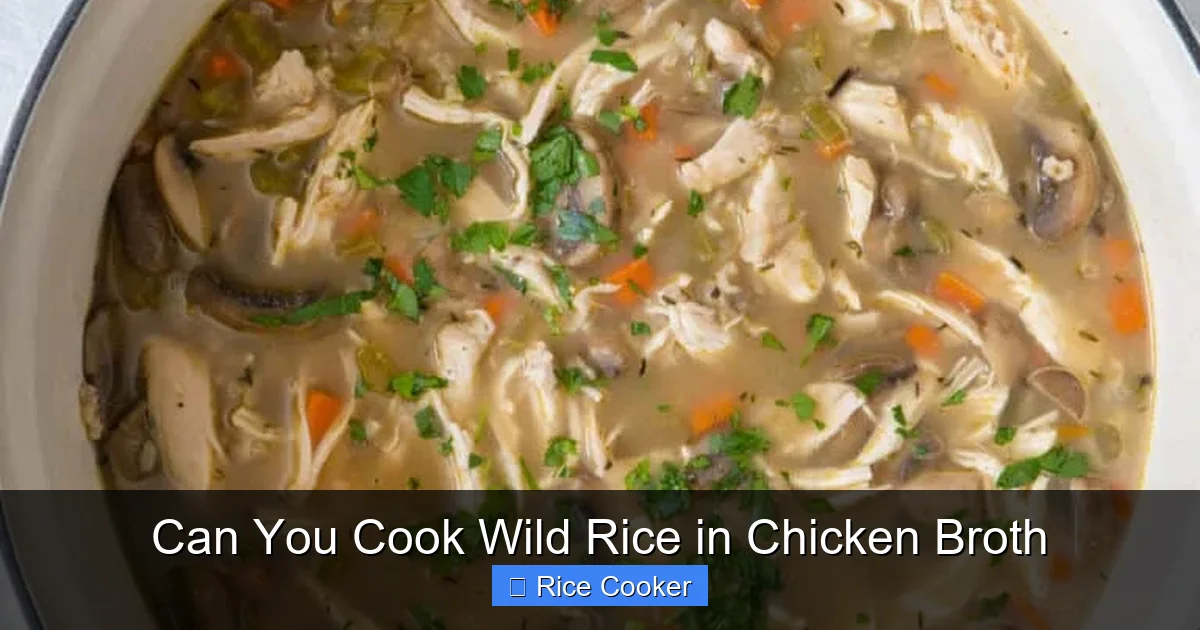
Use leftover broth-wild rice mixture as a thickener or base for minestrone, gumbo, or creamy mushroom soup. Its nutty flavor pairs beautifully with earthy mushrooms and beans.
Stuffed Peppers or Tomatoes
Mix cooked wild rice with ground turkey, diced apples, cranberries, and spices. Stuff into halved bell peppers and bake until tender. Garnish with sour cream and parsley.
Rice Salad
Cool the rice completely, then mix with chopped celery, red onion, dried apricots, walnuts, and a vinaigrette made from apple cider vinegar and Dijon mustard. Serve chilled or at room temperature.
Molded Side Dishes
Form the rice into a loaf pan with mashed potatoes or cauliflower mash. Chill, slice, and pan-fry for crispy edges. Great for holiday meals!
Common Mistakes to Avoid
Even with the best intentions, things can go wrong. Here’s how to sidestep common pitfalls:
Overcrowding the Pot
Cook only what you can fit loosely in your saucepan. Too much rice blocks airflow and leads to uneven cooking.
Peeking Too Often
Every time you lift the lid, you lose heat and extend cooking time. Trust the timer and check only once or twice.
Using Too Much Salt
Broth already contains salt. Start unsalted or low-sodium, and taste before adding more. Remember—you can always add flavor later, but you can’t un-salt rice.
Skipping the Soak
While optional, soaking cuts cooking time by up to 15 minutes and yields more uniform results, especially with older rice batches.
Ignoring Texture Preferences
Some prefer wild rice al dente; others like it softer. Adjust cook time accordingly—but never rush the process.
Nutritional Benefits of Wild Rice + Chicken Broth
Beyond great taste, this combo packs a serious nutritional punch:
– **High Fiber**: One cup provides over 3 grams of fiber, aiding digestion and satiety.
– **Complete Protein**: When paired with broth (which contains amino acids), it becomes a near-complete protein source.
– **Rich in Antioxidants**: Contains anthocyanins—compounds linked to reduced inflammation.
– **Low Glycemic Index**: Helps stabilize blood sugar levels.
– **Bone-Supporting Minerals**: Broth adds calcium, magnesium, and phosphorus.
Compared to refined grains, wild rice offers more B vitamins, iron, and potassium. Combined with the collagen and gelatin from simmered broth, this meal supports gut health and joint function.
Frequently Asked Questions About Cooking Wild Rice in Chicken Broth
Can I use bone-in chicken broth instead of stock?
Yes! Bone-in broth adds extra collagen and depth, but remove any large bones before adding the rice. For safety, strain the broth through a fine mesh sieve first if you plan to reuse it later.
Visual guide about Can You Cook Wild Rice in Chicken Broth
Image source: feelgoodfoodie.net
Visual guide about Can You Cook Wild Rice in Chicken Broth
Image source: biblicalpathway.com
How long does cooked wild rice last in the fridge?
Store in an airtight container for up to 5 days. Reheat gently with a splash of broth or water to restore moisture.
Is wild rice safe for gluten-free diets?
Absolutely. Wild rice is naturally gluten-free, though always check labels if buying pre-packaged mixes or broths containing wheat-based thickeners.
Can I freeze leftover wild rice?
Yes! Portion into freezer bags, label with date, and freeze for up to 3 months. Thaw overnight in the fridge and reheat with a bit of broth.
Do I need to rinse wild rice before cooking?
Most experts recommend against rinsing—it can wash away the outer bran layer responsible for its nutty flavor. However, a quick soak improves texture and reduces cooking time.
What if my wild rice is too salty from the broth?
If overseasoned, try mixing it with unsalted rice or adding plain cooked quinoa to dilute the saltiness. Alternatively, serve with acidic components like lemon juice or vinegar to balance flavors.
Final Thoughts: Make It Your Own
Cooking wild rice in chicken broth isn’t just a shortcut—it’s a flavor upgrade that transforms a humble grain into a center-of-the-plate sensation. Whether you’re whipping up a weeknight dinner or preparing for Thanksgiving, this technique delivers consistent, delicious results with minimal effort.
The beauty of this method lies in its simplicity and adaptability. Swap chicken broth for vegetable, beef, or even mushroom broth based on your dietary needs. Toss in fresh herbs, spices, or forgotten veggies pantry staples for endless variations.
So next time you reach for a box of wild rice, pause—then grab that carton of broth instead. Your taste buds (and your body) will thank you.
Frequently Asked Questions
Can I use bone-in chicken broth instead of stock?
Yes! Bone-in broth adds extra collagen and depth, but remove any large bones before adding the rice. For safety, strain the broth through a fine mesh sieve first if you plan to reuse it later.
How long does cooked wild rice last in the fridge?
Store in an airtight container for up to 5 days. Reheat gently with a splash of broth or water to restore moisture.
Is wild rice safe for gluten-free diets?
Absolutely. Wild rice is naturally gluten-free, though always check labels if buying pre-packaged mixes or broths containing wheat-based thickeners.
Can I freeze leftover wild rice?
Yes! Portion into freezer bags, label with date, and freeze for up to 3 months. Thaw overnight in the fridge and reheat with a bit of broth.
Do I need to rinse wild rice before cooking?
Most experts recommend against rinsing—it can wash away the outer bran layer responsible for its nutty flavor. However, a quick soak improves texture and reduces cooking time.
What if my wild rice is too salty from the broth?
If overseasoned, try mixing it with unsalted rice or adding plain cooked quinoa to dilute the saltiness. Alternatively, serve with acidic components like lemon juice or vinegar to balance flavors.