
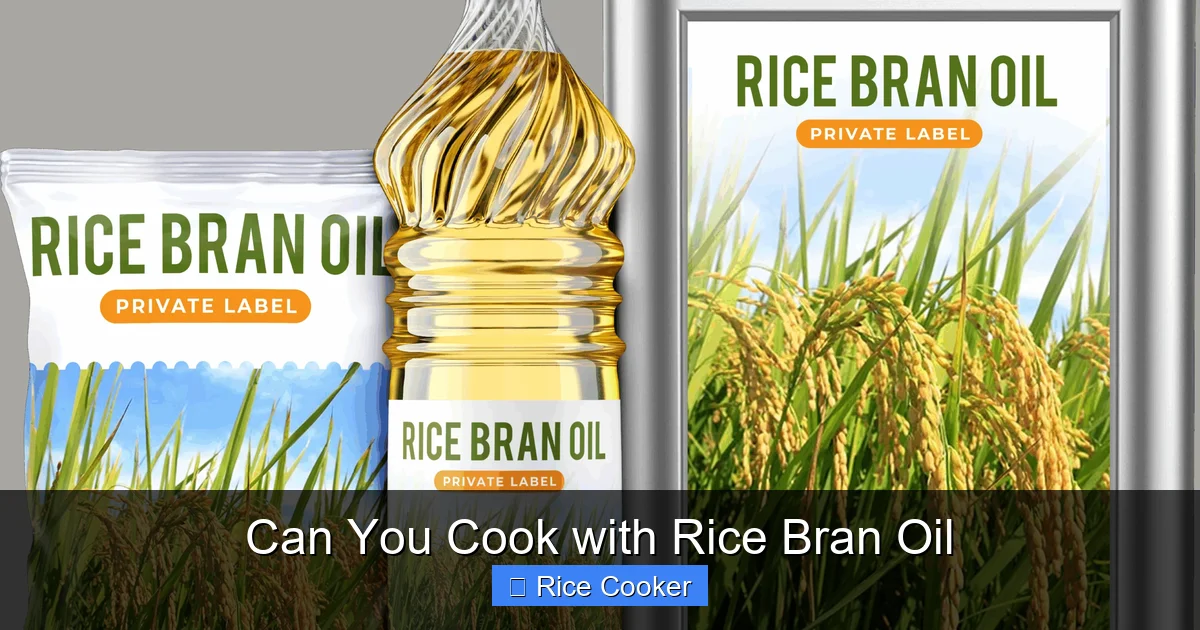
Can you cook with rice bran oil? Absolutely — and doing so brings health benefits, great flavor, and excellent heat stability. This oil is rich in antioxidants, has a high smoke point, and works well in everything from stir-fries to baked goods. Whether you’re frying, sautéing, or roasting, rice bran oil adds nutrition and taste without breaking a sweat.
Key Takeaways
- High Smoke Point: With a smoke point around 490°F (254°C), rice bran oil can handle high-heat cooking like searing and deep frying without burning.
- Rich in Nutrients: Packed with vitamin E, gamma-oryzanol, and omega-3 fatty acids, it supports heart health and reduces inflammation.
- Neutral Flavor: Unlike many oils, rice bran oil has a mild, slightly nutty taste that won’t overpower dishes, making it ideal for both savory and sweet recipes.
- Versatile Uses: You can use it for stir-frying, sautéing, roasting, baking, salad dressings, and even as a finishing oil for a boost of flavor and nutrition.
- Sustainable Choice: Made from the outer layer of rice grains, it’s a byproduct of rice milling, helping reduce food waste and offering an eco-friendly option.
- Affordable & Widely Available: It’s often more budget-friendly than olive oil and can be found in most grocery stores, especially in Asian markets.
- Long Shelf Life: Thanks to natural antioxidants, rice bran oil resists rancidity better than many other oils when stored properly.
📑 Table of Contents
- Introduction: The Rising Star in Your Kitchen
- Understanding Rice Bran Oil: What Is It and Where Does It Come From?
- Nutritional Profile: Why It’s Good for You
- Can You Cook with Rice Bran Oil? Yes — And Here’s How
- Best Practices for Using Rice Bran Oil
- Comparing Rice Bran Oil to Other Cooking Oils
- Recipe Ideas: Getting Creative with Rice Bran Oil
- Is Rice Bran Oil Safe for All Diets?
- Final Thoughts: Should You Use Rice Bran Oil in Cooking?
Introduction: The Rising Star in Your Kitchen
If you’re looking to upgrade your cooking routine with something that’s both healthy and practical, can you cook with rice bran oil? The answer is a confident yes — and it might just become your new go-to oil. Rice bran oil has been gaining popularity across kitchens worldwide, not only for its impressive nutritional profile but also for its incredible versatility in the kitchen. From high-heat stir-fries to delicate baked goods, this unassuming oil brings a lot to the table (literally).
What makes rice bran oil stand out? First, it’s incredibly heat-stable. With a smoke point of nearly 490°F (254°C), it doesn’t break down or produce harmful compounds when exposed to high temperatures — a big win for frying and roasting. Second, it’s loaded with antioxidants like gamma-oryzanol and squalene, which are linked to reduced cholesterol and improved heart health. And unlike some specialty oils, rice bran oil is affordable, widely available, and has a long shelf life, making it a smart choice for everyday cooking.
In this article, we’ll dive into everything you need to know about cooking with rice bran oil — from its nutritional benefits and best uses to storage tips and recipe ideas. Whether you’re a home cook, a health-conscious parent, or someone trying to cut down on saturated fats, you’ll find that rice bran oil is more than just another cooking oil — it’s a powerhouse ingredient worth adding to your pantry.
Understanding Rice Bran Oil: What Is It and Where Does It Come From?
A Byproduct with Big Benefits
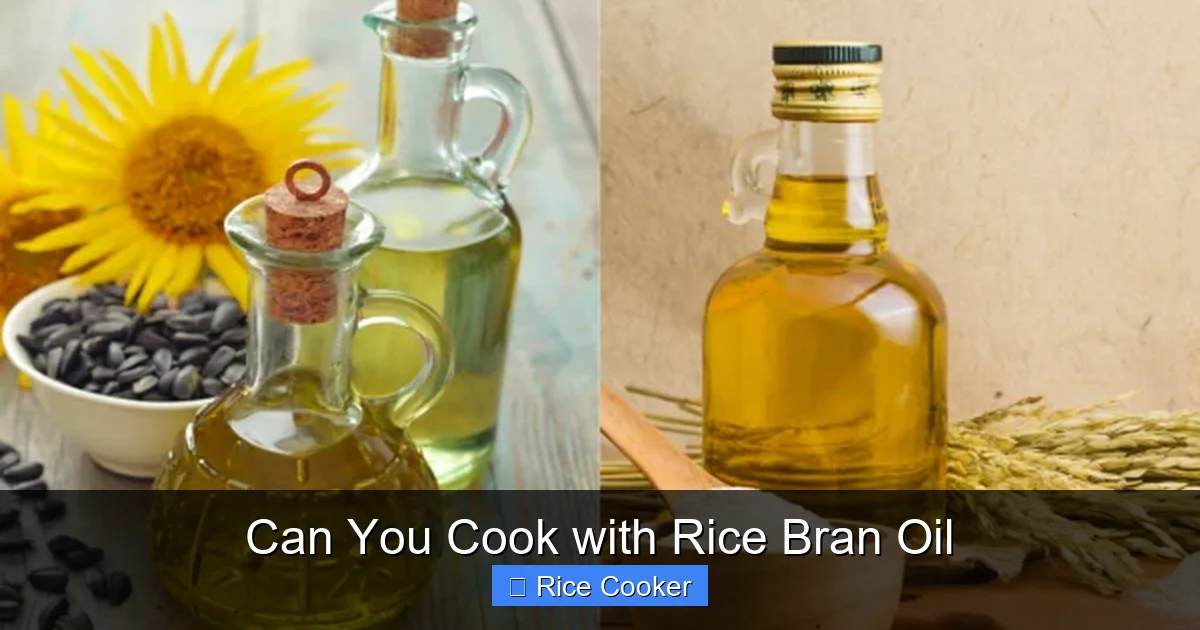
Rice bran oil is extracted from the outer protective layer of brown rice — known as the bran — which is typically discarded during white rice production. But instead of going to waste, this nutrient-dense layer is cold-pressed or refined to create a golden, smooth oil. Because it’s a byproduct of rice processing, rice bran oil is considered sustainable and helps reduce food waste, making it an eco-friendly choice.
Visual guide about Can You Cook with Rice Bran Oil
Image source: cookmagical.com
How Is It Different From Other Oils?
Unlike olive oil or coconut oil, rice bran oil isn’t made from the main part of the seed or fruit. Instead, it comes from the fibrous bran layer, which contains valuable nutrients. While some versions are refined (losing some nutrients), others are cold-pressed and unrefined, retaining more antioxidants and a subtle nutty flavor. When choosing rice bran oil, look for “unrefined” or “cold-pressed” on the label if you want maximum health benefits and a stronger taste.
Common Misconceptions
Some people assume rice bran oil is only good for Asian cuisine or that it’s too expensive. But the truth is, it’s used in Japanese, Indian, and Thai cooking for centuries — and its neutral taste makes it suitable for any cuisine. Plus, it’s often more affordable than extra virgin olive oil and just as versatile.
Nutritional Profile: Why It’s Good for You
Packed with Antioxidants
One of the biggest reasons can you cook with rice bran oil is because of its antioxidant content. Gamma-oryzanol, a plant compound found in rice bran oil, helps lower LDL (“bad”) cholesterol and supports cardiovascular health. Studies suggest it may also reduce inflammation and improve skin health. These antioxidants act as natural preservatives, helping the oil stay fresh longer.
Visual guide about Can You Cook with Rice Bran Oil
Image source: onlyfoods.net
Balanced Fat Composition
Rice bran oil contains a unique mix of fats:
- Monounsaturated fats: About 42% — great for heart health and reducing bad cholesterol
- Polyunsaturated fats: Around 35%, including omega-6 and a rare amount of omega-3
- Saturated fats: Only 17%, much lower than coconut or palm oil
This balance makes it a heart-healthy alternative to many other oils. Unlike highly processed vegetable oils high in omega-6, rice bran oil provides a more balanced fatty acid profile.
Vitamin E and More
It’s also a good source of vitamin E, an essential fat-soluble antioxidant that supports immune function and skin repair. A single tablespoon provides a significant portion of your daily vitamin E needs.
Can You Cook with Rice Bran Oil? Yes — And Here’s How
High Heat Cooking: Stir-Fries, Frying, and Roasting
Because of its high smoke point, rice bran oil is perfect for high-heat cooking. Try it for:
- Stir-frying: Heat oil in a wok or skillet, add veggies and protein, and toss everything together quickly. The oil won’t burn or smell bitter.
- Deep frying: Its stability means it can fry chicken, fish, or tempura without forming acrolein — a harmful compound produced when oils burn.
- Roasting: Drizzle over vegetables before tossing them into the oven. It enhances flavor and helps create a crisp exterior.
Medium Heat: Sautéing and Pan-Searing
For sautéing onions, garlic, or mushrooms, rice bran oil adds a clean taste without overwhelming the dish. Its neutral flavor lets the ingredients shine while providing a smooth, even sear.
Low Heat and Finishing
Even at low heat, rice bran oil holds up. Use it in salad dressings, drizzle it over soups, or brush it onto bread before baking. Its subtle nuttiness complements both sweet and savory dishes.
Baking and Breading
You can substitute rice bran oil for vegetable or canola oil in cakes, muffins, and breads. It adds moisture and richness without a strong flavor. For breading, dip chicken or tofu in egg, then coat with flour or panko — all done with rice bran oil for a golden crust.
Best Practices for Using Rice Bran Oil
Storage Tips
To keep rice bran oil fresh, store it in a cool, dark place in an airtight container. Refrigeration isn’t necessary, but it will help extend shelf life. Once opened, use within 6–12 months for best quality.
Flavor Pairings
- Savory: Soy sauce, ginger, garlic, sesame oil (use sparingly)
- Sweet: Honey, maple syrup, vanilla, citrus zest
- Spicy: Chili flakes, cayenne, black pepper
Substitutions
Use rice bran oil as a 1:1 replacement for:
- Cooking oils (vegetable, canola, sunflower)
- Baking oils
- Mayonnaise in dressings
When Not to Use It
While versatile, rice bran oil isn’t ideal for cold dishes where you want a bold flavor, like vinaigrettes with balsamic vinegar. In those cases, pair it with complementary oils like olive or avocado for a more complex taste.
Comparing Rice Bran Oil to Other Cooking Oils
Rice Bran vs. Olive Oil
Olive oil has a lower smoke point (around 375°F for extra virgin) and a stronger flavor, making it better for dressings and low-heat cooking. Rice bran oil, on the other hand, handles high heat better and tastes milder — perfect for frying or roasting without altering flavor.
Rice Bran vs. Canola Oil
Canola oil is cheap and versatile, but it’s often highly refined and lacks antioxidants. Rice bran oil offers more nutrients and a higher smoke point, plus it’s less likely to go rancid.
Rice Bran vs. Avocado Oil
Avocado oil has a similar high smoke point and neutral taste, but it’s significantly more expensive. Rice bran oil gives similar performance at a fraction of the cost.
Health Comparison Table
| Oil Type | Smoke Point (°F) | Saturated Fat | Antioxidants | Best For |
|---|---|---|---|---|
| Rice Bran | ~490 | Low (17%) | High (gamma-oryzanol) | Frying, roasting |
| Olive Oil (EVOO) | ~375 | Moderate (14%) | Moderate (polyphenols) | Dressings, low heat |
| Canola | ~400 | Low (7%) | Low | General cooking |
| Avocado | ~520 | Low (12%) | Moderate | High-heat, premium use |
Recipe Ideas: Getting Creative with Rice Bran Oil
1. Crispy Fried Chicken (Southern Style)
Ingredients:
- 2 lbs chicken thighs, cut into pieces
- 1 cup all-purpose flour
- 1 tsp paprika
- 1 tsp garlic powder
- 1 tsp salt
- 1/2 tsp black pepper
- 1 egg
- 1/2 cup rice bran oil
Instructions:
- Whisk flour, paprika, garlic powder, salt, and pepper in a bowl.
- Beat egg in another bowl.
- Dredge chicken in flour mixture, dip in egg, then back into flour.
- Heat oil in a heavy pan over medium-high heat (375°F).
- Fry chicken in batches until golden and cooked through (about 8–10 minutes). Drain on paper towels.
2. Garlic Herb Roasted Vegetables
Ingredients:
- 2 cups broccoli florets
- 1 cup cauliflower florets
- 1 red bell pepper, sliced
- 3 tbsp rice bran oil
- 2 cloves garlic, minced
- 1 tsp dried thyme
- Salt and pepper to taste
Instructions:
- Preheat oven to 425°F.
- Toss vegetables with oil, garlic, thyme, salt, and pepper.
- Spread on a baking sheet and roast for 20–25 minutes, flipping halfway, until tender and caramelized.
3. Coconut Rice Bran Cake
Ingredients:
- 1 1/2 cups all-purpose flour
- 1 tsp baking powder
- 1/2 tsp salt
- 1/2 cup rice bran oil
- 1 cup sugar
- 2 eggs
- 1 tsp vanilla extract
- 1/2 cup shredded coconut
Instructions:
- Preheat oven to 350°F. Grease a cake pan.
- Mix dry ingredients in one bowl; wet ingredients in another.
- Combine wet and dry, fold in coconut.
- Pour into pan and bake for 30–35 minutes until a toothpick comes out clean.
Is Rice Bran Oil Safe for All Diets?
Vegan and Gluten-Free Friendly
Yes! Rice bran oil is derived entirely from plants, making it suitable for vegan diets. It’s also gluten-free, so it’s safe for those with celiac disease or gluten sensitivity.
Allergen Considerations
Rice bran oil is free from common allergens like nuts, dairy, and soy. However, always check labels if you have severe allergies, as cross-contamination can occur in processing facilities.
Sustainability and Ethics
Because it’s a byproduct of rice production, using rice bran oil supports sustainable agriculture. It reduces waste and makes full use of resources, aligning with eco-conscious values.
Final Thoughts: Should You Use Rice Bran Oil in Cooking?
So, can you cook with rice bran oil? The short answer is yes — and the long answer is yes, absolutely. This oil combines health benefits, culinary flexibility, and affordability into one simple package. Whether you’re frying up a batch of crispy tofu, roasting a rainbow of vegetables, or baking a moist cake, rice bran oil delivers consistent results without sacrificing taste or nutrition.
Its high smoke point means you can confidently use it for high-heat cooking, while its mild flavor allows it to enhance rather than dominate your dishes. Plus, with its rich antioxidant content, every spoonful contributes to a healthier diet. And let’s not forget — it’s kind to the planet, helping turn what would be waste into something delicious and beneficial.
If you haven’t tried rice bran oil yet, now is the perfect time. Start small: try frying an egg or sautéing garlic and onions in it. Taste the difference. Then expand into your favorite recipes. Soon, you’ll wonder how you ever cooked without it.
Make the switch today — your taste buds and your body will thank you.
Frequently Asked Questions
Can you use rice bran oil for deep frying?
Yes, rice bran oil is excellent for deep frying due to its high smoke point (up to 490°F). It resists burning and produces less harmful compounds compared to many other oils, making it a safe and effective choice for fried foods like chicken, fish, and French fries.
Does rice bran oil have a strong flavor?
No, rice bran oil has a very mild, slightly nutty flavor that won’t overpower your dishes. This neutrality makes it ideal for both savory and sweet recipes, from stir-fries to baked goods, without altering the intended taste.
How long does rice bran oil last?
When stored properly in a cool, dark place in an airtight container, rice bran oil can last up to 1 year unopened and 6–12 months after opening. Its natural antioxidants help prevent rancidity, extending its shelf life.
Is rice bran oil better than olive oil for cooking?
It depends on the cooking method. Olive oil has a lower smoke point and stronger flavor, making it better for dressings and low-heat cooking. Rice bran oil excels at high-heat cooking like frying and roasting due to its stability and neutral taste.
Can you use rice bran oil in baking?
Absolutely. Rice bran oil works well in baking as a substitute for vegetable or canola oil. It adds moisture and richness to cakes, muffins, and quick breads without introducing a strong flavor.
Is rice bran oil good for heart health?
Yes. Rice bran oil contains gamma-oryzanol, which helps lower LDL cholesterol, and a balanced mix of healthy fats. These properties support cardiovascular health and reduce inflammation, making it a smart addition to a heart-healthy diet.