
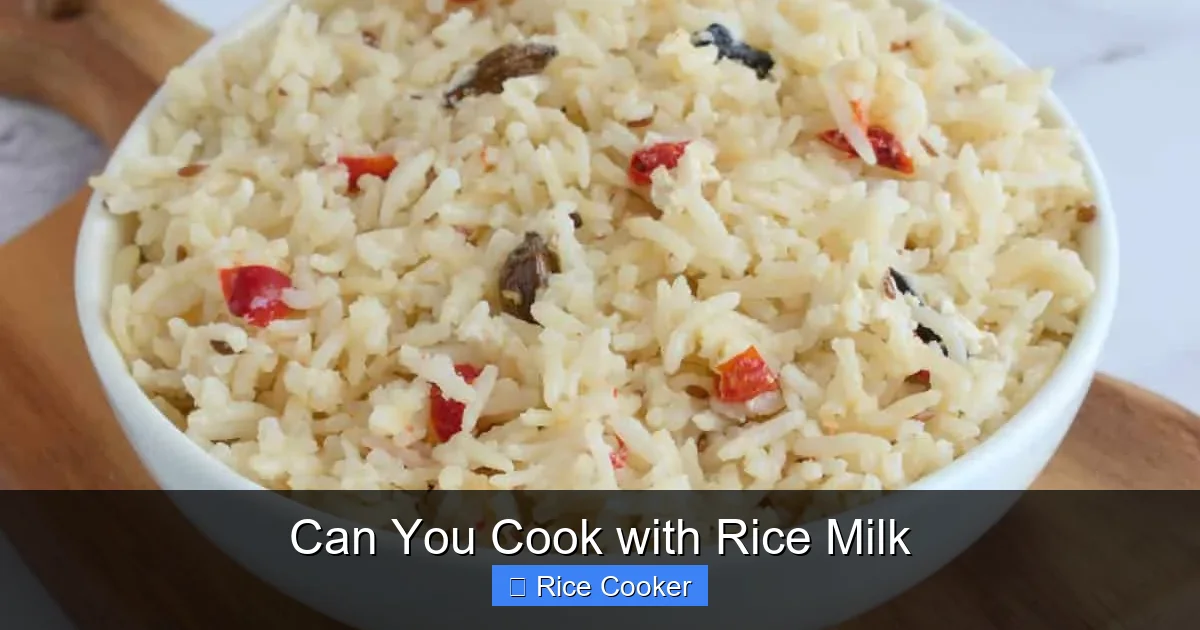
Can you cook with rice milk? Absolutely — rice milk is versatile, easy to use, and works well in many dishes. From creamy risottos to fluffy pancakes, this dairy-free alternative adds subtle sweetness and lightness to your meals. With its mild flavor and smooth texture, it’s perfect for both sweet and savory recipes.
Key Takeaways
- Rice milk is cookable: Yes, rice milk can be used in cooking and baking just like other liquids, but it behaves differently due to its thin consistency.
- Suitable for most recipes: It works well in soups, stews, sauces, and baked goods, though it may require adjustments for thickening and binding.
- Not ideal for high-heat frying: Its low smoke point means it’s best avoided for deep frying or searing foods at very high temperatures.
- Adds subtle sweetness: Rice milk naturally has a slightly sweet, nutty flavor that complements desserts and breakfast items beautifully.
- Dietary-friendly option: Great for those with lactose intolerance, soy allergies, or following vegan or gluten-free diets.
- Store properly: Always refrigerate opened rice milk and use within 7–10 days for best quality and safety.
- Enhance creaminess: Mix rice milk with cornstarch or tapioca starch to mimic the thickness of dairy cream in sauces and gravies.
📑 Table of Contents
- Can You Cook with Rice Milk? The Ultimate Guide to Using This Plant-Based Wonder
- The Basics: What Is Rice Milk?
- Can You Cook with Rice Milk? Understanding Its Cooking Behavior
- Practical Uses: Where to Use Rice Milk in Cooking
- Tips and Tricks for Cooking with Rice Milk
- Limitations and When Not to Use Rice Milk
- Health Benefits of Rice Milk
- Comparing Rice Milk to Other Plant Milks
- DIY Rice Milk: Make It at Home
- Final Thoughts: Can You Cook with Rice Milk? Absolutely!
Can You Cook with Rice Milk? The Ultimate Guide to Using This Plant-Based Wonder
If you’re looking to cut down on dairy, explore vegan options, or simply try something new in the kitchen, rice milk is a fantastic starting point. But here’s the big question: can you cook with rice milk? The short answer is yes — and not only can you, but you might find it surprisingly useful across a wide range of dishes. From soups and sauces to baked goods and breakfast favorites, rice milk brings a light, slightly sweet touch to your cooking. In this comprehensive guide, we’ll walk through everything you need to know about using rice milk in your kitchen, from its unique properties to practical tips and delicious recipe ideas.
Rice milk is one of the oldest and most widely consumed plant-based milks in the world. Made by boiling brown or white rice with water and then straining the mixture, it’s naturally free from cholesterol and lactose, making it a go-to choice for people with dietary restrictions. Unlike almond or oat milk, which have distinct flavors and textures, rice milk is mild and neutral — almost like a blank canvas. That’s what makes it so adaptable in cooking. Whether you’re simmering a curry, whipping up pancakes, or making a silky béchamel sauce, rice milk can step in where dairy once stood.
In this article, we’ll break down the ins and outs of cooking with rice milk, including its strengths, limitations, and creative ways to use it. You’ll learn when it shines, when to avoid it, and how to tweak your recipes for the best results. So grab your measuring cup and get ready — by the end of this read, you’ll be confidently pouring rice milk into your pots and pans like a pro!
The Basics: What Is Rice Milk?
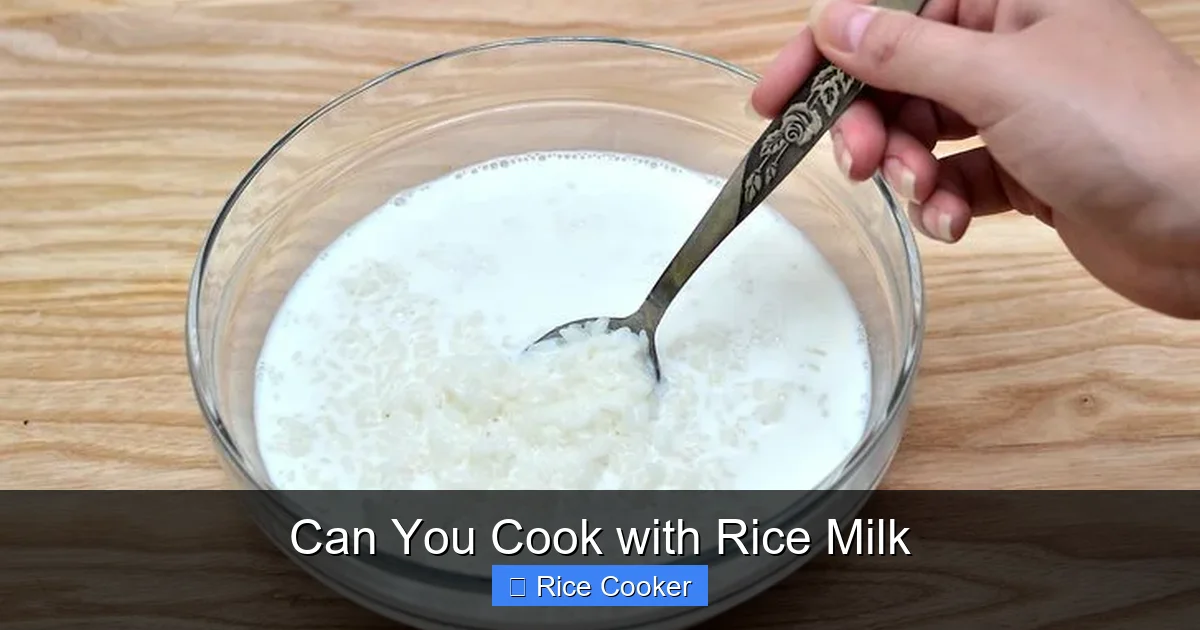
Before diving into the cooking process, let’s talk about what rice milk actually is. Unlike traditional cow’s milk, which comes from animals, rice milk is entirely plant-based. It’s made by soaking rice grains (usually brown or white), blending them with water, and then boiling the mixture until it becomes a smooth, milky liquid. Some commercial versions are fortified with calcium, vitamin D, and B12 to make them more nutritionally comparable to dairy milk.
Visual guide about Can You Cook with Rice Milk
Image source: wikihow.com
A Light and Sweet Alternative
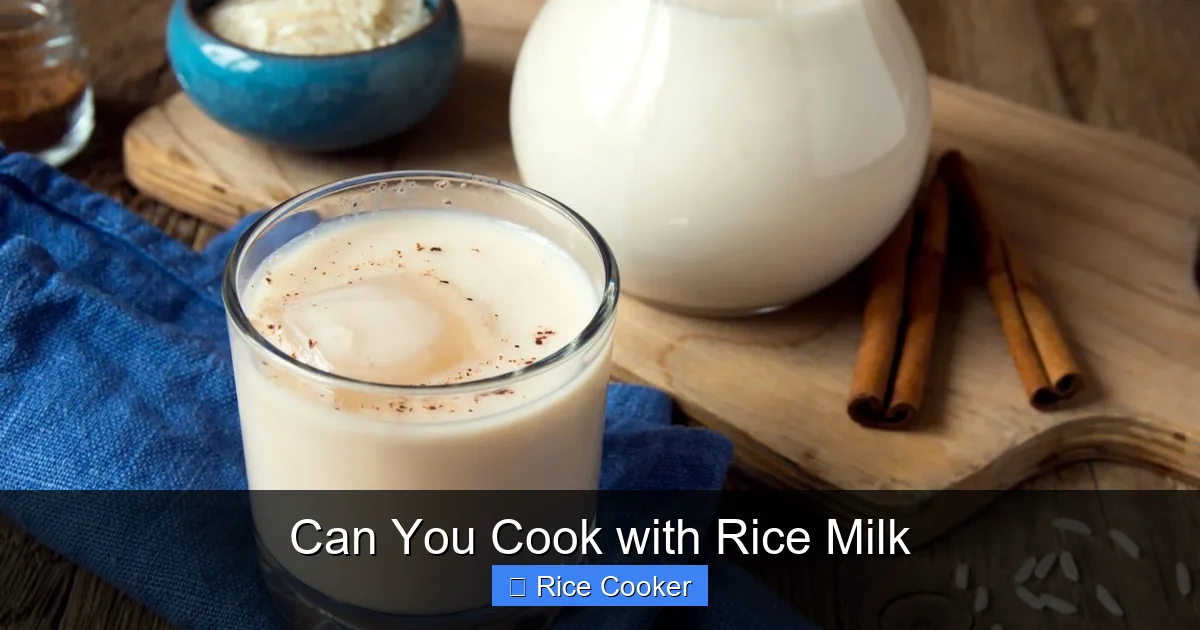
One of the first things you’ll notice about rice milk is its texture — it’s much thinner than whole milk or even skim milk. This thinness is because rice milk contains no real fat or protein like dairy milk does. Instead, it’s mostly carbohydrates and water, which gives it a light mouthfeel. On the flavor side, rice milk has a naturally sweet, almost nutty taste, especially if it’s made from brown rice. Brown rice milk tends to be richer and slightly grainier, while white rice milk is smoother and milder.
This mild sweetness makes rice milk a great match for desserts, cereals, and beverages. But it also means you can easily blend it into savory dishes without overpowering other flavors. Because of its neutral profile, rice milk doesn’t compete with spices or herbs — it just enhances them.
Common Types of Rice Milk
There are two main types of rice milk you’ll find at the store:
- Brown rice milk: Made from whole grain brown rice, it has a slightly earthier flavor and darker color. It’s higher in fiber and nutrients, though still minimal compared to actual brown rice.
- White rice milk: Made from refined white rice, it’s smoother, sweeter, and clearer. It’s often preferred for baking because of its clean taste.
Both types are available in unsweetened and sweetened varieties. For cooking, unsweetened rice milk is usually better because you can control the level of sweetness in your dish. Sweetened versions contain added sugars, which might throw off the balance in recipes.
Can You Cook with Rice Milk? Understanding Its Cooking Behavior
Now, let’s get back to the main question: can you cook with rice milk? The answer is a resounding yes — but with some important caveats. Rice milk can be used in cooking, but it doesn’t behave exactly like dairy milk. Its thin consistency, low fat content, and lack of proteins mean it won’t thicken or curdle the same way as cow’s milk. Understanding these differences will help you use rice milk effectively in your recipes.
Visual guide about Can You Cook with Rice Milk
Image source: lynnecurry.com
Thickening and Binding Challenges
One of the biggest challenges when substituting rice milk for dairy in cooked dishes is achieving the right texture. Dairy milk contains proteins and fats that help thicken sauces and soups naturally. Rice milk, on the other hand, is mostly water. If you pour it directly into a simmering pot expecting it to create a creamy risotto or rich gravy, you might end up with a thin, soupy result.
To fix this, you’ll often need to add thickeners like cornstarch, arrowroot powder, or tapioca starch. These starches absorb liquid and swell when heated, creating a thicker, more gel-like consistency. For example, if you’re making a white sauce or cheese sauce, whisk a small amount of cornstarch into the rice milk before adding it to the pan. This pre-thickening trick helps prevent lumps and ensures a smoother final product.
Heat Sensitivity
Rice milk has a relatively low smoke point compared to oils or butter, meaning it can break down and burn when exposed to very high heat. This makes it unsuitable for frying or sautéing at high temperatures. Instead, it’s best used in gentle cooking methods like simmering, steaming, or slow-cooking.
For instance, rice milk works beautifully in soups, stews, and casseroles where it’s gently warmed. It can also be used in baked goods like muffins, cakes, and breads, where the heat is moderate and the liquid gets absorbed during baking. Just remember: don’t expect rice milk to brown or crisp like oil or butter would.
Practical Uses: Where to Use Rice Milk in Cooking
So now that we know can you cook with rice milk, let’s talk about where it really shines. Here are some of the most effective and delicious ways to use rice milk in your daily meals.
Creamy Soups and Stews
Rice milk is excellent for adding creaminess to soups without the heaviness of cream or half-and-half. Try swapping out dairy for rice milk in recipes like potato leek soup, butternut squash soup, or tomato bisque. To boost thickness, blend a portion of the cooked vegetables with rice milk before returning it to the pot.
Another tip: add a splash of nutritional yeast for a cheesy flavor, or a pinch of garlic powder for extra depth. These little tweaks make rice milk-based soups feel indulgent without the guilt.
Baking Delicious Treats
Baking with rice milk is one of its strongest suits. Because it’s naturally sweet and mild, it pairs well with fruits, chocolate, and spices. Use it in place of milk in pancakes, waffles, muffins, and quick breads. For example, try a banana-oat muffin recipe that uses rice milk instead of dairy — the result is light, moist, and subtly sweet.
In cakes and cookies, rice milk contributes to a tender crumb. Just keep in mind that because it lacks fat, you may want to add a bit of oil or applesauce to maintain moisture. Also, since rice milk doesn’t brown like eggs or dairy, you might need to rely on baking powder or baking soda for leavening.
Sauces and Gravies
Making a creamy sauce or gravy with rice milk requires a little extra effort, but it’s totally doable. Start by whisking rice milk with a cornstarch slurry (equal parts cornstarch and cold water) and cook until thickened. This works great for mushroom gravy, Alfredo-style pasta sauces, or even a simple butter sauce over steamed veggies.
For a vegan version of béchamel, combine rice milk with vegan butter and flour, then simmer until smooth. Season with salt, pepper, and a dash of nutmeg for that classic French flavor.
Breakfast Favorites
Rice milk is a staple in many breakfast routines. Pour it over cereal, blend it into smoothies, or use it in overnight oats. It also makes a great base for chia puddings or flaxseed porridge. For a warm, comforting drink, heat rice milk with cinnamon, vanilla, and a touch of maple syrup — it’s basically a dairy-free hot cocoa alternative.
Asian-Inspired Dishes
In some Asian cuisines, rice milk is used in stir-fries, curries, and braised dishes. While not as common as coconut milk or soy milk in these recipes, rice milk can add a delicate creaminess when used sparingly. For example, in Thai green curry, a small amount of rice milk can mellow the heat and add body without overwhelming the other flavors.
Tips and Tricks for Cooking with Rice Milk
Ready to start cooking with rice milk? Here are some insider tips to help you succeed:
Always Shake Before Use
Like all plant-based milks, rice milk can separate in the carton. Give it a good shake before measuring — this ensures a consistent texture and flavor.
Use Unsweetened Versions
Unless your recipe calls for sweetness, stick with unsweetened rice milk. Added sugars can alter the outcome of savory dishes and make baked goods too sweet.
Pre-Thicken for Sauces
As mentioned earlier, mix rice milk with a starch before adding it to hot liquids. This prevents clumping and helps achieve a smooth, velvety texture.
Don’t Overheat
Keep the heat low when warming rice milk. High heat can cause it to scorch or develop an unpleasant odor. Gentle simmering is key.
Combine with Other Milks
For a balanced flavor and better texture, consider mixing rice milk with another plant milk like oat or almond. This combo often yields a creamier result than rice milk alone.
Experiment with Flavored Varieties
If you’re making desserts, try vanilla- or chocolate-flavored rice milk for convenience. Just be mindful of added ingredients like carrageenan or gums, which some people prefer to avoid.
Store Properly
Once opened, rice milk must be refrigerated and used within 7–10 days. Check the label for specific instructions, as storage times can vary by brand.
Limitations and When Not to Use Rice Milk
While rice milk is versatile, it’s not a one-size-fits-all substitute. There are situations where it’s better to choose another milk or skip it altogether.
Not Ideal for Fermentation
Rice milk lacks the proteins and fats needed for fermentation processes like yogurt or kefir. You can’t make dairy-free yogurt from rice milk alone — you’d need a cultured starter and thickeners like agar or gellan gum.
Poor for High-Heat Frying
Because of its low smoke point, rice milk isn’t suitable for frying chicken, fish, or anything else that requires oil or butter at high temperatures. Stick to shallow frying with a small amount of oil if you must pan-fry.
Limited Nutritional Profile
Rice milk is naturally low in protein and fat. Unless it’s fortified, it won’t provide the same satiety or nutrient density as dairy milk. Be sure to eat a balanced diet to compensate.
Might Not Work in Savory Dishes with Strong Flavors
If your recipe relies on the tang of sour cream or the richness of cream, rice milk might dilute the impact. In such cases, consider using cashew cream or coconut cream instead.
Health Benefits of Rice Milk
Beyond its culinary uses, rice milk offers several health advantages, especially for people with specific dietary needs.
Low in Allergens
Rice milk is naturally free from dairy, soy, nuts, and gluten (if using certified gluten-free rice). This makes it a safe choice for those with multiple food sensitivities.
Easy to Digest
Many people find rice milk easier on the stomach than other plant milks. Its simple composition means fewer digestive issues for those with IBS or sensitive guts.
Good Source of Carbohydrates
Rice milk provides a quick energy source thanks to its natural sugars and starches. This makes it a good pre-workout drink or recovery beverage.
Fortified Options Available
Many brands fortify their rice milk with calcium and vitamin D, supporting bone health. Always check the nutrition label to ensure you’re getting these added nutrients.
Comparing Rice Milk to Other Plant Milks
How does rice milk stack up against almond, oat, soy, or coconut milk? Let’s break it down:
- Rice vs. Almond: Almond milk is creamier and has a stronger nutty flavor. Rice milk is lighter and sweeter.
- Rice vs. Oat: Oat milk is thicker and better for frothing and baking. Rice milk is thinner but works well in soups.
- Rice vs. Soy: Soy milk has more protein and a closer texture to dairy. Rice milk is lower in protein but easier to digest for some.
- Rice vs. Coconut: Coconut milk is richer and adds tropical flavor. Rice milk is neutral and better for subtle dishes.
Each milk has its place in the kitchen. Rice milk excels where you want something light, sweet, and allergen-friendly.
DIY Rice Milk: Make It at Home
Want full control over what goes into your milk? Making rice milk at home is easy and cost-effective. Here’s a simple recipe:
- 1 cup raw rice (brown or white)
- 4 cups water
- Optional: 1 tsp vanilla, 1 tbsp maple syrup
Blend the rice and water until smooth, then strain through a nut milk bag or fine sieve. Squeeze out every drop. Add vanilla or sweetener if desired. Store in the fridge for up to 5 days.
Homemade rice milk has no preservatives and tastes fresher than store-bought. Plus, you can customize it with dates, cinnamon, or cocoa powder.
Final Thoughts: Can You Cook with Rice Milk? Absolutely!
After exploring all the angles, the answer to can you cook with rice milk is clear: yes, and you should! Whether you’re avoiding dairy, managing allergies, or just curious about plant-based cooking, rice milk is a reliable, adaptable ingredient. It won’t replace every dairy application — especially not frying or fermentation — but for soups, sauces, baking, and breakfasts, it’s a winner.
The key is understanding its limitations and working with its strengths. Don’t expect it to thicken on its own; use starches. Avoid high heat; keep it gentle. And always choose unsweetened versions unless your recipe demands sweetness.
With a little practice, you’ll find rice milk becoming a regular part of your kitchen rotation. Try it in a new risotto, a batch of vegan brownies, or a creamy tomato pasta sauce. You might be surprised at how well it fits into your favorite recipes.
So next time you’re at the grocery store, pick up a carton of rice milk — and challenge yourself to cook with it. Your taste buds (and your dietary goals) will thank you.
Frequently Asked Questions
Can you cook with rice milk instead of regular milk?
Yes, you can cook with rice milk instead of regular milk in most recipes. However, because rice milk is thinner and lacks fat and protein, you may need to add thickeners like cornstarch for sauces or adjust baking recipes with extra fat or binders.
Does rice milk work in baking?
Absolutely. Rice milk works well in baking, especially in muffins, pancakes, cakes, and quick breads. Its mild, slightly sweet flavor complements fruits, chocolate, and spices. Just note that it doesn’t brown like eggs or dairy, so you may need additional leavening agents.
Can rice milk be used in soups and sauces?
Yes, rice milk can be used in soups and sauces to add creaminess. For best results, blend a portion of cooked vegetables with rice milk or mix it with a starch slurry before heating to prevent thinning out.
Is rice milk safe for people with nut or soy allergies?
Yes, rice milk is naturally free from nuts, soy, and dairy, making it a safe option for people with multiple food allergies. Always check labels for cross-contamination warnings, though.
Can you freeze rice milk?
It’s not recommended to freeze rice milk. Once thawed, it may separate and become grainy or watery. Stick to refrigeration for up to 7–10 days after opening.
Does rice milk have calories?
Yes, rice milk contains calories primarily from carbohydrates. A cup of unsweetened rice milk has around 120–130 calories. Sweetened versions have more due to added sugars.